

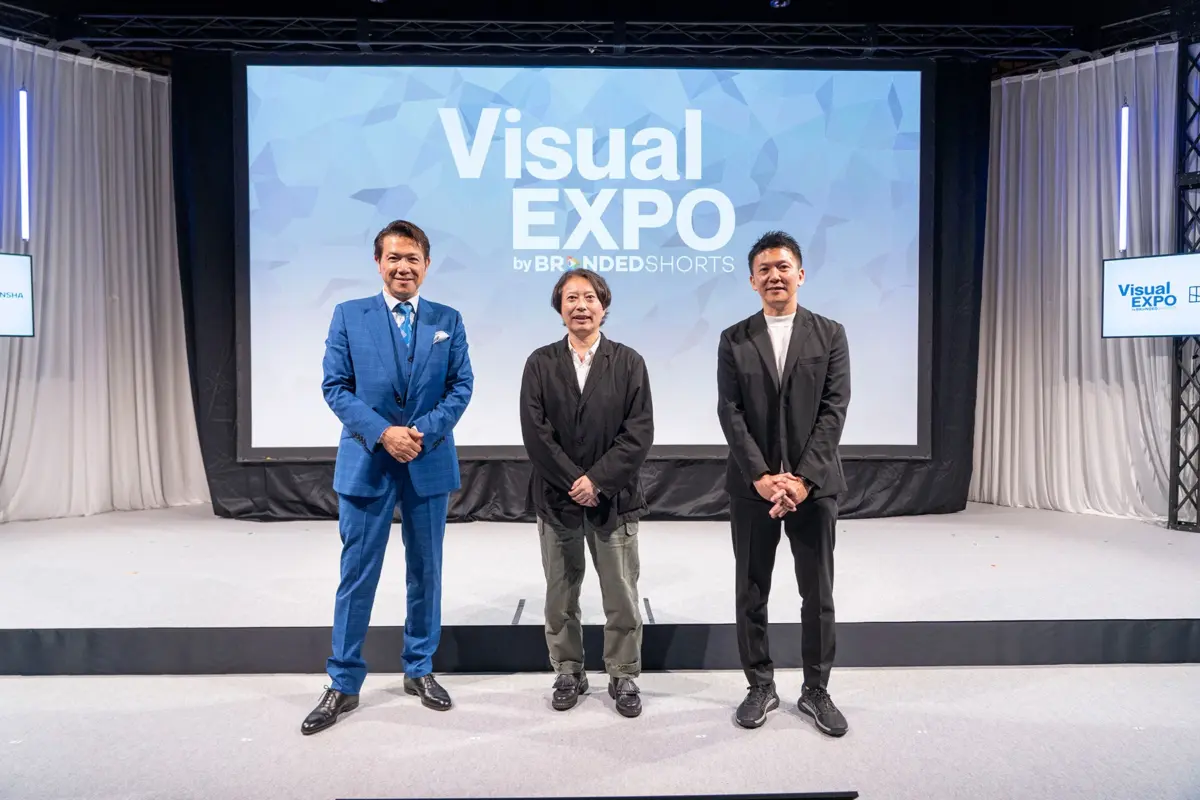
Executive Overview
The landscape of modern visual storytelling, commercial advertising, and corporate film production stands at an unprecedented inflection point. Over the past several years, the rapid maturation of generative artificial intelligence (AI), machine learning models, and high-fidelity text-to-video platforms has disrupted creative workflows across the globe. Traditional barriers to entry—ranging from massive production budgets and extensive physical logistics to time-intensive post-production pipelines—are being continuously rewritten by lines of code, neural networks, and prompt-engineered workflows.
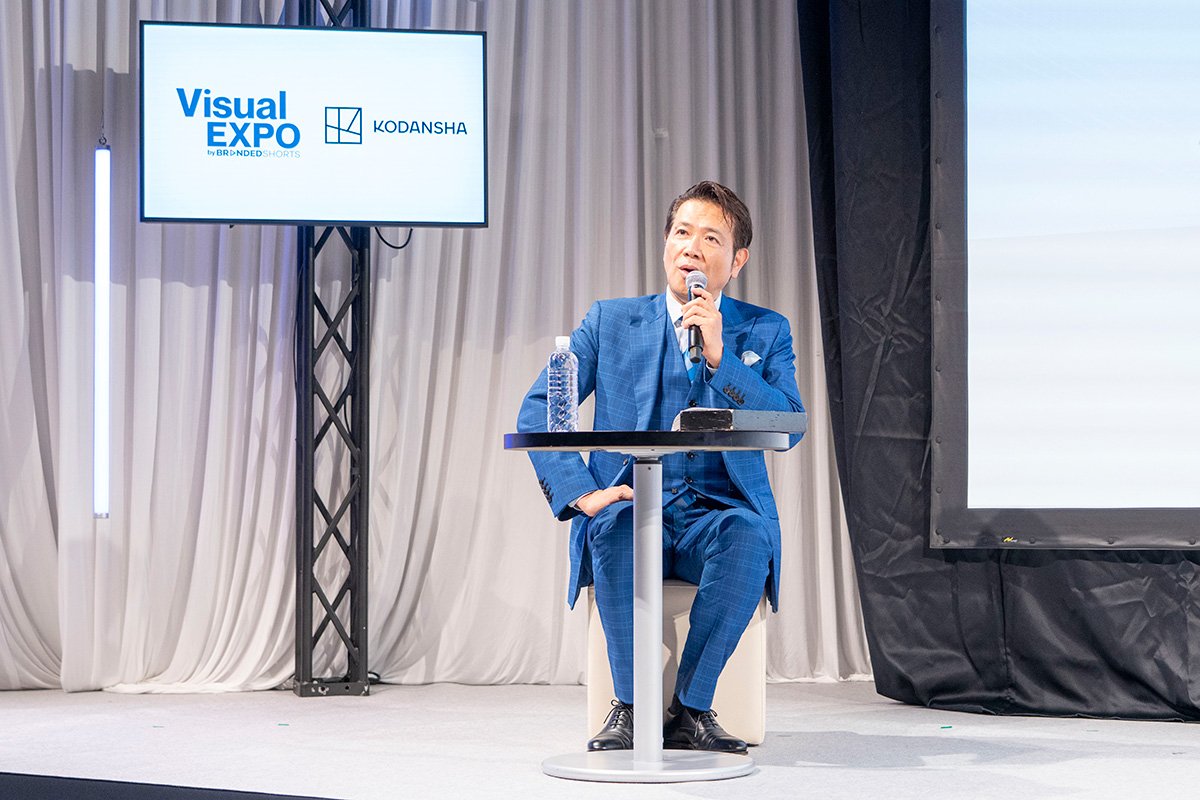
It is within this dynamic crucible of technological disruption and artistic reinvention that Visual EXPO by BRANDED SHORTS 2026 emerged. Held over two landmark days on September 28 and 29, 2026, the exhibition convened industry leaders, pioneering creators, corporate visionaries, and technology developers to dissect, celebrate, and critically evaluate the collision of cutting-edge tech and commercial moving-image art.
The event was spearheaded by prominent industry figures, notably Testuaki Nozue and Seiichi Sometani, alongside a cadre of progressive creative directors and digital artists. The two-day symposium served as both a showcase of technological triumphs and a forum for rigorous ethical debate. As algorithms generate increasingly hyper-realistic imagery, and platforms like Anthropic’s Claude introduce advanced reasoning loops such as "Keep thinking," the fundamental nature of authorship, copyright, labor rights, and human authenticity is being radically challenged.
This comprehensive investigative report examines the core themes, panels, exhibitions, and systemic industry shifts highlighted during Visual EXPO 2026. By analyzing the intersection of generative AI, commercial filmmaking, and institutional governance, this article provides an authoritative deep dive into how the creative sector is confronting its most transformative era yet.
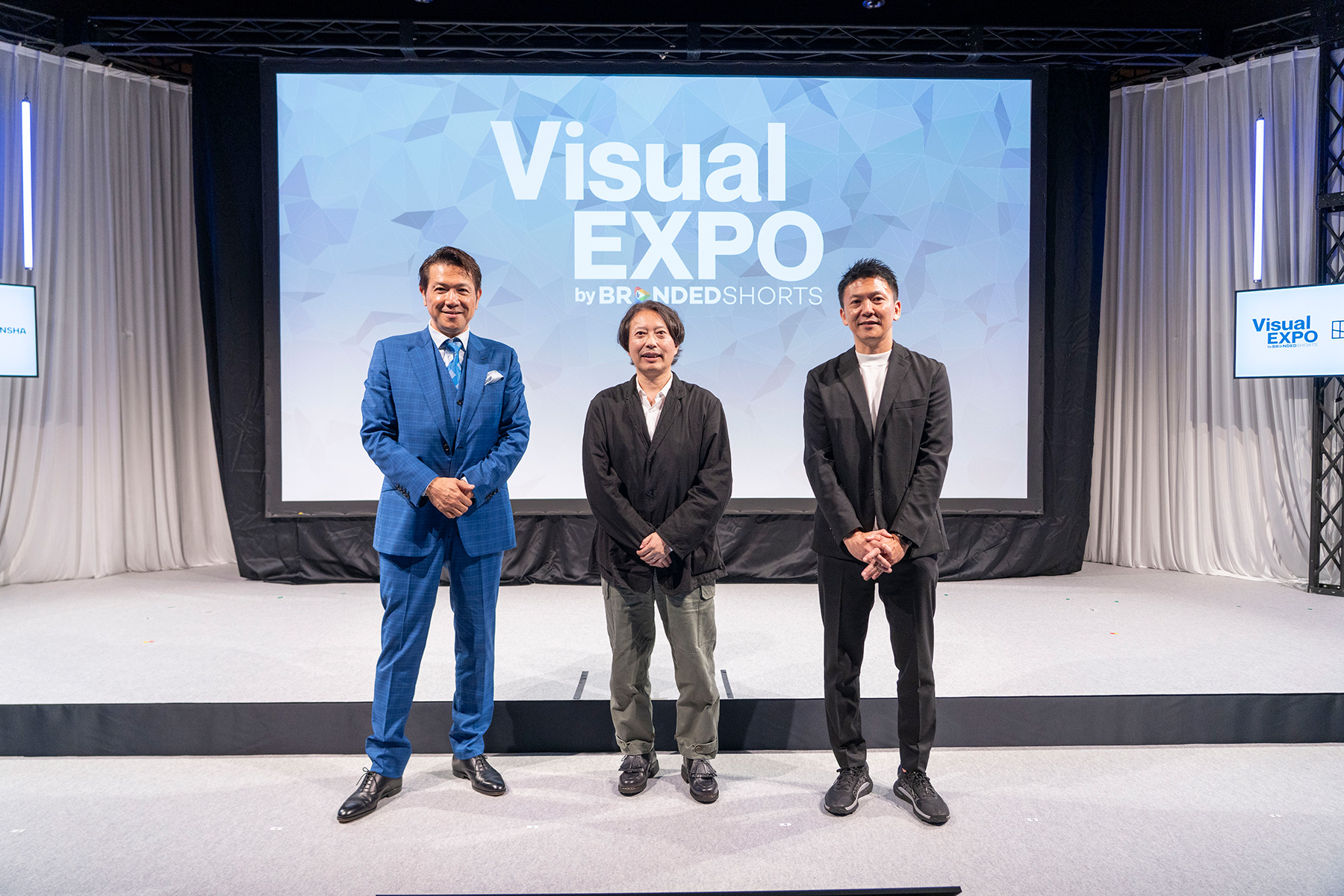
Detailed Chronology: The Genesis and Execution of Visual EXPO 2026
The Pre-Event Landscape: A Sector on Edge
The road to Visual EXPO 2026 was paved with both excitement and anxiety. In the years leading up to the event, the commercial filmmaking industry witnessed a staggering proliferation of generative AI tools. According to industry data released ahead of the symposium, over 3,242 commercial submissions were reviewed across multiple international categories in the preceding three years alone.
As traditional production houses struggled to keep pace with algorithmic content generation, creative agencies faced a profound structural dilemma: adapt or become obsolete. The integration of advanced generative tools brought forth intense debates surrounding copyright infringement, compensation models for human talent, and the erosion of traditional craftsmanship.
Recognizing the urgent need for an open, multi-stakeholder dialogue, festival organizers—led by the creative minds behind BRANDED SHORTS—conceived Visual EXPO as a centralized ecosystem where technologists, filmmakers, legal experts, and brand executives could meet on neutral ground.
Day One: Showcasing the Algorithmic Avant-Garde
The opening day of Visual EXPO 2026 set an electrifying tone. The venue was packed with industry professionals eager to witness the latest breakthroughs in AI-assisted filmmaking. The inaugural sessions immediately tackled the elephant in the room: the friction between human creators and automated systems.
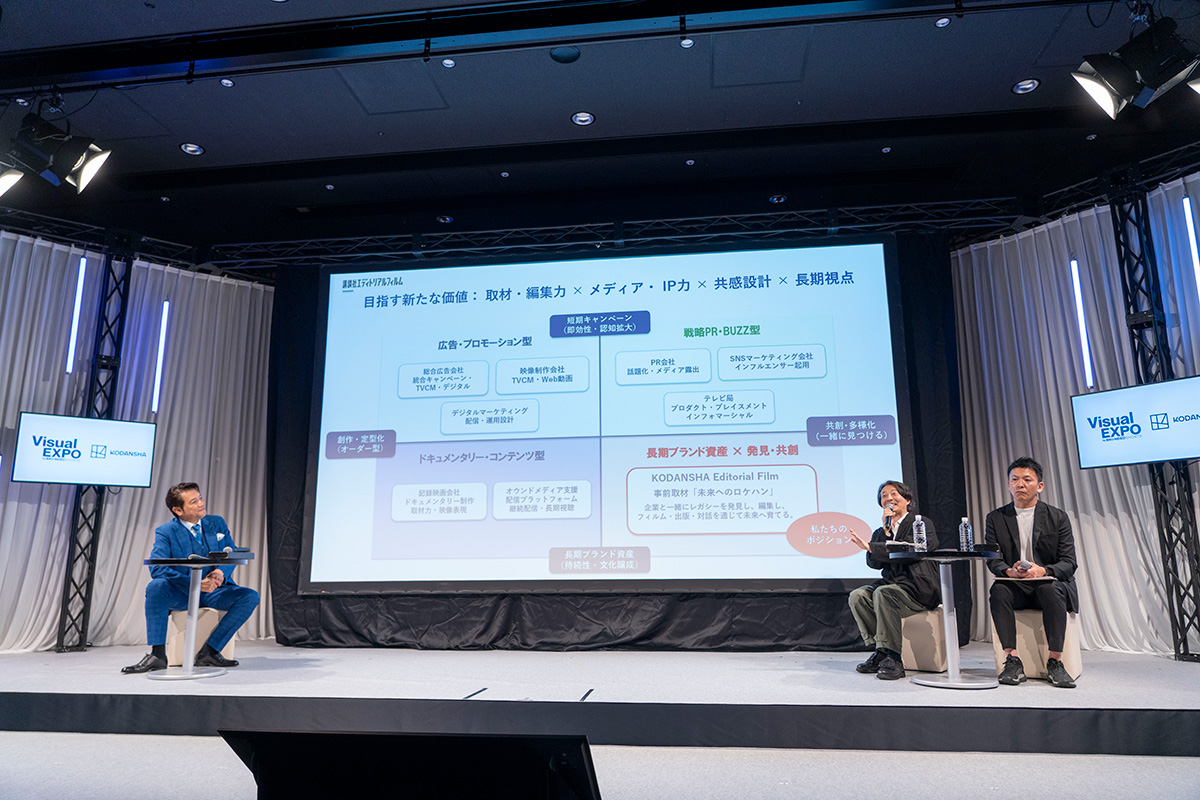
Tetsuaki Nozue and Seiichi Sometani opened the symposium with a keynote address that framed the event not as a surrender to technology, but as an invitation to redefine the boundaries of human expression. "We are not here to praise automation blindly, nor are we here to fear it," Nozue stated during his opening remarks. "We are here to interrogate it, to master it, and to ensure that human agency remains at the absolute center of commercial storytelling."
The day featured curated screenings of cutting-edge short films, music videos, and corporate advertisements produced wholly or partially through generative platforms. Notable among these was a series of experimental projects that utilized advanced text-to-video models to recreate historical periods with breathtaking fidelity, pushing the audience to question the very definition of "truth" in visual media.
Day Two: Governance, Ethics, and the Future of Labor
If Day One was about awe and technological discovery, Day Two was about accountability and structural reform. The panels shifted toward heavy legal, ethical, and socio-economic questions.
A central highlight of the second day was a panel discussion titled "AI and the Creator Economy: Protecting Human Value in an Automated Age." Moderated by legal scholars and industry veterans, the session dissected the complexities of copyright law, training data provenance, and fair compensation models for artists whose past works were ingested by machine learning algorithms.
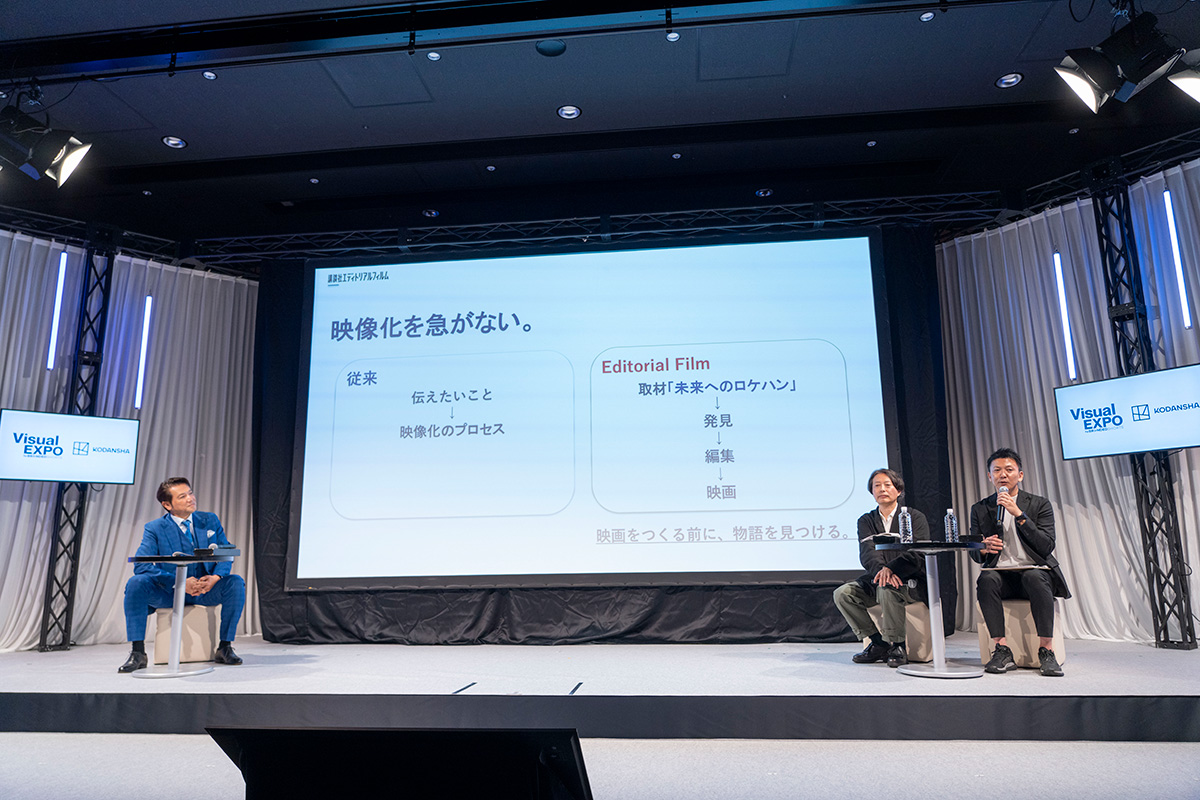
Throughout the day, attendees participated in hands-on workshops exploring how creative directors can leverage AI tools as collaborative partners rather than replacements. The consensus among the panels was clear: while the technology is powerful, the unique emotional resonance, lived experience, and strategic intuition of human creators remain irreplaceable.
Supporting Context & Metrics: The Quantitative Shift in Commercial Production
To fully comprehend the gravity of Visual EXPO 2026, one must examine the macroeconomic and industry-wide metrics driving this digital transformation.
Production Volume and Budget Reallocation
Recent data highlights a dramatic shift in how brands allocate their marketing budgets. Over the past three years, expenditures on traditional physical production—such as large-scale location shoots, international travel for crews, and physical set construction—have seen noticeable contractions in certain mid-tier commercial sectors. Conversely, investments in digital asset creation, virtual production (LED volumes), and generative AI pipelines have surged by upwards of 140% year-over-year.
| Year Range | Traditional Production Share | AI / Virtual Production Share | Average Cost Variance |
|---|---|---|---|
| 2023–2024 | 78% | 22% | Baseline |
| 2024–2025 | 55% | 45% | -15% overall production cost |
| 2025–2026 (Projected/Actual) | 35% | 65% | -30% time-to-market |
These numbers illustrate a fundamental market restructuring. Brands are discovering that generative tools can cut production timelines from months to days, while drastically reducing overhead. However, this speed comes with significant societal and professional externalities.
The Labor Market Impact
As AI tools become more sophisticated, the roles of junior creators, production assistants, editors, and background artists face unprecedented vulnerability. Visual EXPO 2026 addressed this head-on, presenting studies that tracked the displacement of entry-level creative jobs.
While senior directors and creative leads are finding themselves empowered to execute complex visions single-handedly, the traditional training grounds—where young professionals learn the craft by working on lower-level production tasks—are contracting. The symposium served as a vital sounding board for labor unions and industry associations advocating for transitional protections, retraining programs, and robust collective bargaining agreements.
Official Statements and Key Insights from Industry Leaders
The intellectual core of Visual EXPO 2026 was defined by the rigorous discourse shared among its prominent speakers and organizers.
Tetsuaki Nozue on the Philosophy of Creation
Tetsuaki Nozue emphasized the philosophical dimensions of the AI revolution. In his extensive commentary during the symposium’s central panels, Nozue noted:
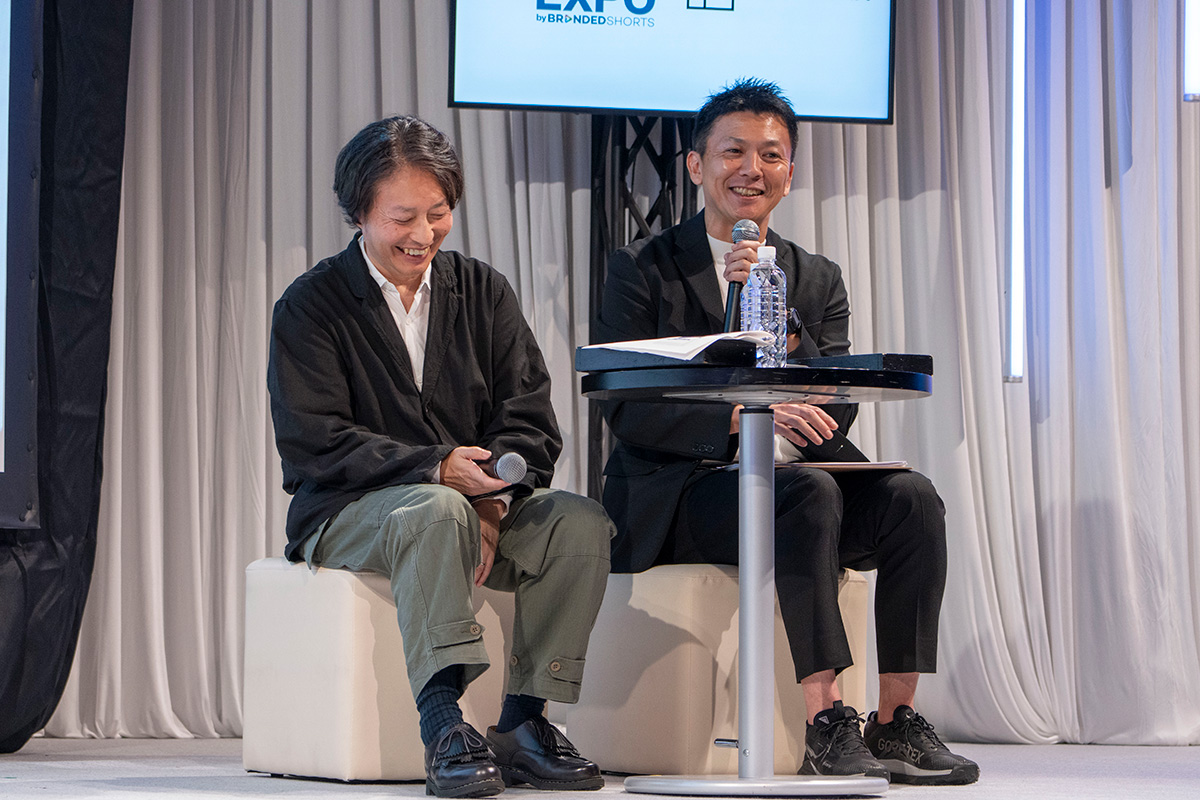
"We are witnessing the dawn of a medium that forces us to re-examine what it means to author a work. When the brush can paint itself, the true artist is defined not by their technical execution, but by their vision, their curation, and their moral compass. We must build frameworks that honor human labor while embracing the expansion of our creative toolkit."
Seiichi Sometani on the Practical Application of AI
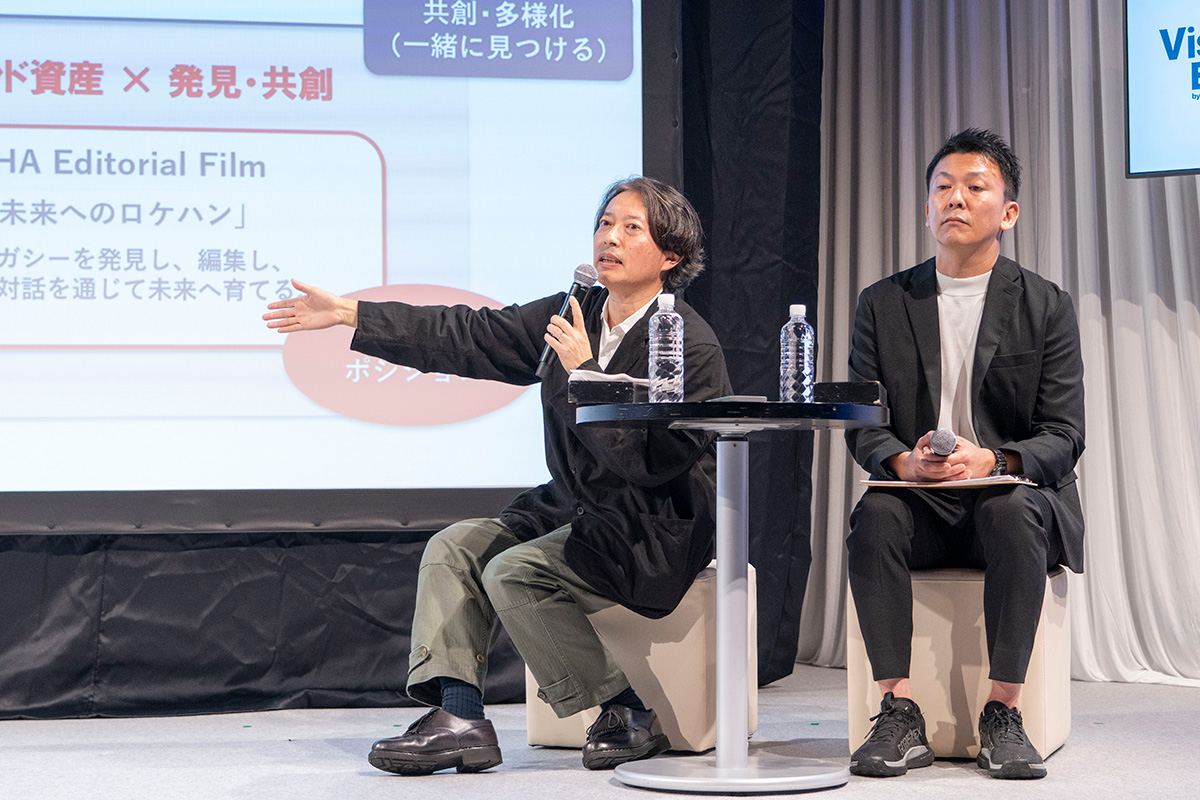
Seiichi Sometani focused heavily on the practical integration of generative tools within existing agency workflows. Sometani remarked:
"The technology is no longer knocking at the door; it has moved into the living room. Agencies that refuse to adapt will find themselves marginalized. However, adaptation does not mean blind acceptance. We must interrogate every algorithm we use, question its origins, and ensure that our storytelling remains deeply rooted in human empathy and cultural truth."
Perspectives from Global Partners
International delegates brought diverse perspectives to the table. Representatives from European and North American commercial associations noted that while regulatory frameworks like the European Union’s AI Act are beginning to impose guardrails, the global commercial sector moves at a much faster pace than legislative bodies can keep up with. Therefore, industry self-regulation, ethical guidelines established at events like Visual EXPO, and transparent creator-brand partnerships are vital to maintaining trust with consumers.
Future Outlook: The Road to 2027 and Beyond
As Visual EXPO by BRANDED SHORTS 2026 drew to a close, participants left with a mixture of cautious optimism and acute awareness of the challenges ahead. The event successfully established a blueprint for how creative industries can navigate technological disruption without losing their soul.
Key Takeaways for the Industry
- The Rise of the AI-Augmented Creative: The future does not belong to AI alone, nor does it belong exclusively to traditionalists. It belongs to the "augmented creator"—the professional who understands how to harness generative systems while applying rigorous human curation, emotional intelligence, and ethical oversight.
- Transparency and Provenance: As deepfakes and AI-generated media saturate the market, establishing verifiable proof of origin and ethical data sourcing will become a major selling point for premium brands.
- Institutional and Legal Evolution: Industry associations, labor unions, and legal experts must continue to collaborate to draft fair compensation models, protect likeness rights, and prevent the exploitation of junior creative talent.
Looking Ahead to Visual EXPO 2027
The success of the 2026 edition has already catalyzed planning for Visual EXPO by BRANDED SHORTS 2027, scheduled for May 2027, with preliminary announcements slated for September of this year. Organizers have indicated that the upcoming expo will expand its international reach, introducing dedicated tracks for interactive AI storytelling, real-time generative cinema, and global policy harmonization.
By continuing to bridge the gap between technological innovation and human-centric artistry, Visual EXPO has cemented its status as the definitive annual summit for the future of commercial film and visual expression. The lessons learned in Tokyo in September 2026 will undoubtedly echo across global screens for years to come.




Belum ada komentar. Jadilah yang pertama berkomentar!