

Executive Overview
As the digital landscape enters a new decade, the mechanics of online content creation continue to undergo a profound transformation. In a comprehensive year-end letter addressed to the global community of creators and artists, YouTube outlined a dynamic roadmap reflecting the platform’s ongoing navigation of its twin pillars: unyielding openness and stringent corporate responsibility. The platform’s leadership detailed a bustling period of technological migration, monetization expansion, and rigorous policy restructuring designed to safeguard a thriving creative economy while addressing regulatory pressures across the globe.
Despite facing intense scrutiny regarding content moderation, data privacy, and copyright legislation, the video-sharing giant remains remarkably robust. Metrics released in the closing letter indicate sustained economic vitality within the creator ecosystem, underscored by a 65 percent year-over-year increase in channels surpassing the one-million-subscriber milestone. Furthermore, creators securing five- and six-figure annual incomes experienced a growth rate exceeding 40 percent.
However, this financial prosperity exists alongside complex operational challenges. From sweeping overhauls of copyright manual-claim systems and the mandatory transition to YouTube Studio, to compliance with the U.S. Federal Trade Commission (FTC) concerning child privacy and upcoming European Union copyright frameworks, YouTube’s trajectory is defined by a delicate balancing act. This report provides an in-depth examination of the platform’s strategic shifts, economic expansions, communication paradigms, and regulatory hurdles as it shapes the future of digital broadcasting.

Detailed Chronology: Key Policy and Product Milestones
The past year was characterized by an aggressive rollout of product updates, structural migrations, and policy refinements aimed at smoothing friction points between the platform, its vast user base, and the creative community.
Early-to-Mid 2013–2019: The Shift Toward Openness and Responsibility
In August, platform leadership broke from standard quarterly reporting conventions to publish a foundational essay prioritizing the delicate equilibrium between an open digital ecosystem and responsible content moderation. This pivot served as a preemptive response to mounting external questioning regarding the structural viability of massive open-access video networks in an era of misinformation and policy infractions.
Mid-2019: Copyright Claim Overhauls
Addressing one of the most vociferous complaints from the creator community, YouTube intervened in the contentious space of copyright manual claims. Historically, creators faced aggressive manual claiming on extremely short or incidental music clips used within monetized videos, often resulting in 100 percent of the video’s revenue being diverted to the rightsholder regardless of the clip’s brevity or intent. YouTube systematically dismantled the financial incentive for claiming micro-uses of music, mandated precise timestamps for all manual claims, and rolled out editing tools allowing creators to seamlessly excise flagged audio segments.

Late 2019: Infrastructure Migrations and Regulatory Compliance
As the year drew to a close, YouTube initiated the phasing out of the legacy Classic Studio interface, signaling a necessary technological migration to the modern YouTube Studio infrastructure. Built on aging architecture that severely limited rapid bug-fixing and feature deployment, the transition aimed to equip creators with centralized dashboards, real-time metrics, and advanced analytics. Concurrently, the platform began laying the groundwork for compliance with stringent regulatory settlements, most notably the Children’s Online Privacy Protection Act (COPPA) mandates agreed upon with the U.S. FTC and the New York Attorney General, forcing a structural re-evaluation of data collection on content designed for minors.
Supporting Context & Metrics: Economic Growth and Platform Engagement
The health of the modern creator economy relies heavily on diversification away from traditional advertising revenue models. While display and pre-roll ads remain foundational, YouTube’s strategic diversification into direct fan-to-creator monetization mechanisms has yielded striking financial results for independent channels.
The Rise of Alternative Monetization
Features designed to bridge the gap between audiences and creators—namely Super Chat, Channel Memberships, and integrated Merchandise shelves—have fundamentally transformed earning potentials. Thousands of active channels have successfully doubled their baseline YouTube revenue by integrating these tools.

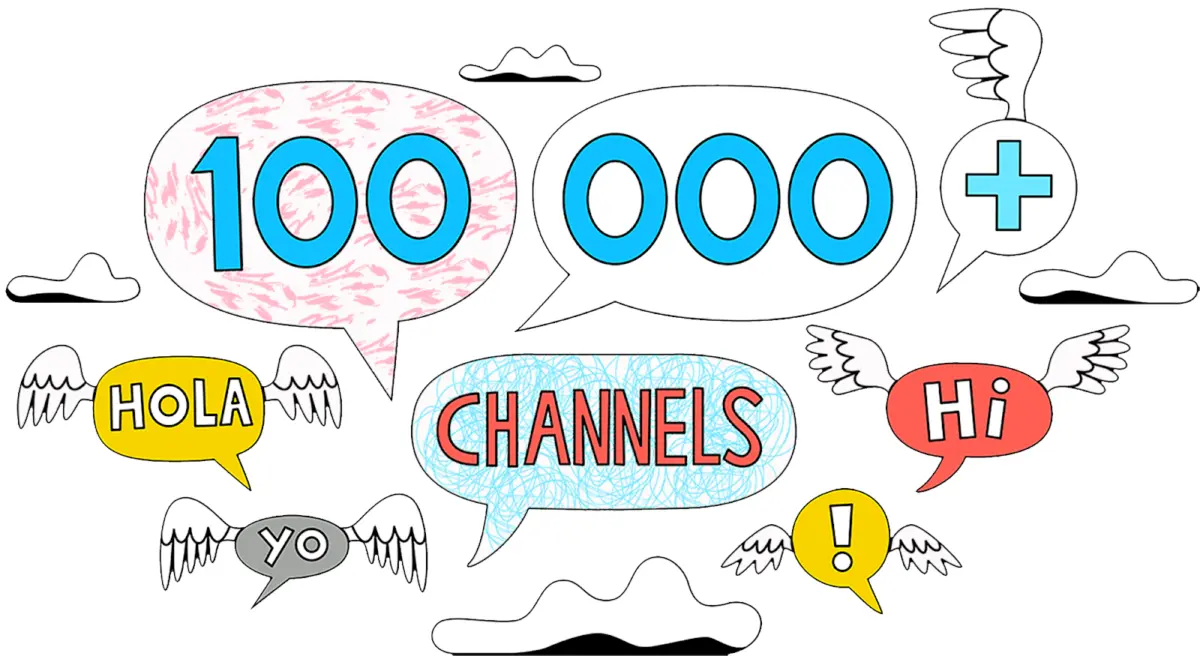
- Super Chat and Super Stickers: Surpassing adoption across more than 100,000 channels, Super Chat has emerged as a powerhouse during live-stream broadcasts, with select streams pulling in upwards of $400 per minute as viewers pay to highlight messages of support, celebration, or connection. Capitalizing on this engagement, YouTube announced the broader international rollout of Super Stickers to eligible creators spanning 60 countries.
- YouTube Stories: Beyond direct monetization, audience retention tools such as Stories have demonstrated quantifiable growth advantages. Channels incorporating active Stories witnessed an average subscriber count increase of more than eight percent compared to non-participating counterparts, proving the utility of ephemeral content in driving channel discovery.
- Targeted Advertising Experiments: To mitigate the financial impact of "yellow icons"—videos restricted to limited advertising due to sensitive or "edgy" themes—YouTube launched an experimental matching program. By pairing creators producing mature content (such as trailers for R-rated films) with brands specifically seeking demographic alignment with edgier media, the platform generated hundreds of thousands of dollars in ad revenue for previously suppressed videos during its inaugural month.
Gaming Policy Refinement
Gaming creators long protested the conflation of real-world violence with virtual, simulated violence in video games. Recognizing this disparity, platform administrators announced policy adjustments designed to loosen restrictions on gaming-related violence while rigorously maintaining strict barriers against the propagation of real-world harm.
Official Statements & Community Engagement
Communication between corporate leadership and the sprawling creator populace remained a cornerstone of YouTube’s operational strategy. Leadership undertook global listening tours, engaging directly with prominent digital personalities—including Alfie Deyes, Juanpa Zurita, Emma Chamberlain, Patricia Bright, PewDiePie, Jacksepticeye, and MatPat of The Game Theorists—to discuss creative burnout, operational transparency, and regulatory pressures.
Demystifying Product Development and Self-Certification
To combat creator frustration regarding sudden platform alterations and algorithm experiments, leadership revealed the sheer scale of backend engineering: over 2,500 distinct updates were pushed to the platform within a single year. Every significant product change undergoes rigorous multi-variant testing across three or four potential iterations to optimize user and creator experience before public deployment.

Complementing this transparency is the expansion of the Self-Certification Pilot. Set to scale to hundreds of thousands of YouTube Partner Program (YPP) creators, the initiative empowers content producers to self-report their adherence to advertiser-friendly guidelines. Accurate self-reporting builds algorithmic trust, grants creators greater operational autonomy, and provides granular diagnostic feedback when monetization flags occur.
Confronting Creator Burnout
In an unprecedented acknowledgment of the mental health toll exacted by the relentless production schedules of digital media, YouTube analyzed data spanning six years across millions of channels. The empirical findings offered reassurance to creators paralyzed by the fear of algorithmic punishment: channels taking breaks of varying lengths consistently returned to higher average viewership numbers than they held prior to their hiatus. The data reinforced a fundamental truth: audiences tune in for the creator’s unique persona, validating the necessity of rest and recovery.
Future Outlook: Policy, Copyright Reform, and Social Impact
As YouTube looks toward the horizon, the platform faces significant external regulatory battles, algorithmic evolutions, and corporate citizenship initiatives.

Navigating Global Regulation: Article 17 and COPPA
International legislative frameworks pose both opportunities and existential challenges. In Europe, the implementation of Article 17 of the EU Copyright Directive (formerly Article 13) requires intense cooperation between the platform, national governments, and local creators. Thanks to coordinated advocacy efforts by creators, liability protections were successfully embedded into the legislation, shielding platforms when best-effort matching is applied to copyrighted works. However, as individual EU member states translate the directive into national law over the coming years, ongoing dialogue remains essential to preserve digital livelihoods.
Domestically, the enforcement of new COPPA-compliant audience settings represents a major operational shift. By restricting features reliant on user data—such as comments and personalized advertising—on content designated as "made for kids," YouTube is fundamentally altering the children’s media landscape, promising continuous guidance as creators adapt to the new regulatory reality.
Social Mobilization and the #Teamtrees Phenomenon
Demonstrating the immense philanthropic power of the creator economy, YouTube highlighted grassroots movements such as the #Teamtrees challenge, spearheaded by creators MrBeast and Mark Rober with the ambitious goal of planting 20 million trees. Platform leadership formally endorsed the initiative, participating directly in planting efforts.

To institutionalize this spirit of philanthropy, YouTube is moving its native Donate Button out of beta testing. Over the coming months, thousands of U.S.-based creators—with international expansions to follow—will gain the ability to embed certified fundraising campaigns directly adjacent to their videos and live streams.
Conclusion
YouTube enters the new era positioned as both a titan of modern entertainment and an intensely scrutinized public square. By balancing infrastructural modernization, economic diversification, mental health advocacy, and proactive regulatory engagement, the platform aims to secure the longevity of the creator economy. As policy frameworks shift across Washington, Brussels, and beyond, YouTube’s ultimate success will depend on its ability to honor its foundational promise: protecting the freedom of expression while ensuring a safe, sustainable home for the world’s creators.








Belum ada komentar. Jadilah yang pertama berkomentar!