

Executive Overview
The smartphone industry has reached a pivotal juncture in 2026. After years of iterative hardware updates and lingering consumer skepticism regarding display durability and aspect ratio compromises, book-style foldable smartphones are accelerating toward mainstream adoption. This shift is driven by two major market catalysts: critical praise for Samsung’s wider, refined Galaxy Z Fold8 and persistent industry reports that Apple is set to reveal its long-rumored foldable flagship—tentatively named the iPhone Ultra—within the coming weeks.
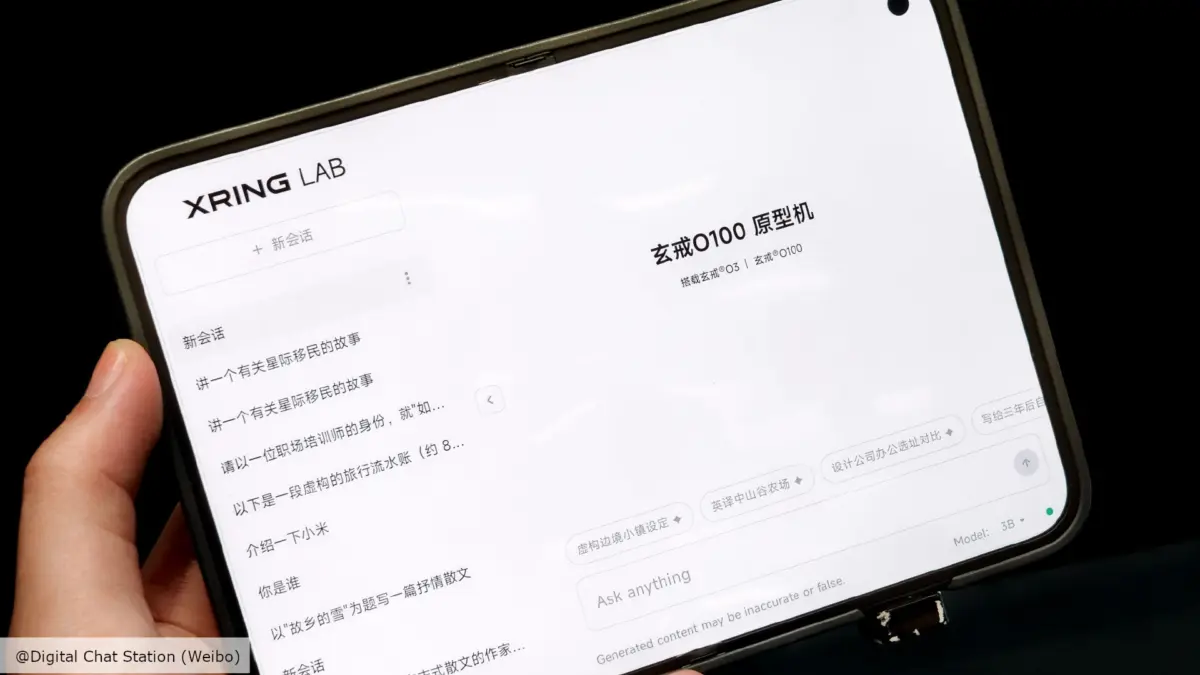
However, established market leaders face potential disruption from unexpected quarters. Benchmark leaks and hardware documentation indicate that Xiaomi is preparing to launch a high-performance alternative: the Xiaomi 18 Fold. Powered by Xiaomi’s proprietary custom silicon, the Xring O3 processor, early engineering samples suggest the device may deliver raw processing capabilities that surpass existing market benchmarks.
+-------------------------------------------------------------------------+
|                    2026 FLAGSHIP SILICON LANDSCAPE                      |
+--------------------------+-----------------------+----------------------+
| Processor                | Single-Core Status    | Multi-Core Status    |
+--------------------------+-----------------------+----------------------+
| Apple A19 Pro            | Benchmark Standard    | High                 |
| Qualcomm Snapdragon 8    | High Competitive      | High                 |
|   Elite Gen 5            |                       |                      |
| Xiaomi Xring O3          | Matches Competition   | Leads Competition*   |
+--------------------------+-----------------------+----------------------+
 *Based on prototype engineering board leaks published by Xiaobai's Tech Reviews.
While preliminary data points to exceptional multi-core performance and an improved, wider ergonomic profile optimized for mobile gaming, significant operational and logistical hurdles remain. Early testing has been limited to prototype hardware, and Xiaomi’s confirmed release schedule currently restricts initial availability to Mainland China, leaving global and North American distribution unconfirmed.
Detailed Chronology: The Road to the 2026 Foldable Inflection Point
The transition of foldable smartphones from luxury novelties to primary computing devices has been shaped by key technical developments over recent years:
        2019-2024                      2025                       MID-2026                  SEP 2026 (PROJECTED)
+------------------------+  +------------------------+  +------------------------+  +------------------------+
| First-Gen Foldables    |  | Aspect Ratio Shift     |  | Z Fold8 Hits Market    |  | Expected Apple Event   |
| Narrow outer screens,  |->| Industry moves toward  |->| Samsung wider chassis  |->| iPhone Ultra Debut?    |
| prominent display      |  | wider book-style       |  | captures market share  |  | Xiaomi 18 Fold Launch  |
| creases, thermal bottlenecks. | display profiles.  |  |                        |  | (China Market).        |
+------------------------+  +------------------------+  +------------------------+  +------------------------+
Early Iterations and Ergonomic Constraints (2019–2024)
Early foldable hardware was often criticized for structural compromises. Users dealt with narrow cover displays, noticeable central screen creases, and thermal throttling caused by packing flagship components into split-chassis designs. Furthermore, standard smartphone software struggled to adapt smoothly to square indoor aspect ratios, resulting in awkward black bars—or letterboxing—during video playback and gaming sessions.
The Shift Toward Wider Form Factors (2025)
Recognizing these usability challenges, manufacturers shifted toward wider overall footprints. By broadening the cover display, OEMs created devices that felt natural when folded while providing an internal aspect ratio closer to standard landscape viewports when unfolded. This structural shift laid the groundwork for enhanced productivity and immersive mobile gaming.
The 2026 Hardware Surge
- Q2 2026: Samsung introduces the Galaxy Z Fold8. Featuring a broader outer screen, a lighter hinge mechanism, and enhanced multitasking software, the Z Fold8 earns strong reviews and accelerates consumer interest in book-style foldables.
- Q3 2026 (Early August): Industry supply-chain channels report that Apple has finalized production pipelines for the "iPhone Ultra," its first entry into the foldable category, scheduled for reveal during its traditional autumn hardware launch window.
- Q3 2026 (Mid-August): Prominent supply-chain leaker Digital Chat Station publishes renders and prototype photos on Weibo, exposing the rear chassis design of the upcoming Xiaomi 18 Fold. Concurrently, technical outlet Xiaobai’s Tech Reviews (via Notebookcheck) leaks performance figures for Xiaomi’s in-house Xring O3 application processor, demonstrating unexpected multi-core throughput.
Supporting Context & Metric Analysis: The Xring O3 Architecture
The core of the excitement surrounding the Xiaomi 18 Fold centers on its internal hardware. For years, Android device makers have relied almost exclusively on third-party mobile platform suppliers like Qualcomm and MediaTek for high-end silicon. Xiaomi’s development of the Xring O3 processor marks a major shift toward custom, vertically integrated hardware design.
Comparative Benchmark Profile
Data derived from early engineering validation boards highlights the performance potential of the Xring O3 against established industry hardware, including Apple’s A19 Pro and Qualcomm’s Snapdragon 8 Elite Gen 5 platform:
LEAKED PROCESSOR BENCHMARK PROFILE (PROTOTYPE EVALUATION)

Single-Core Performance Index
[Apple A19 Pro]                ==================================== (Baseline 100%)
[Snapdragon 8 Elite Gen 5]     ===================================  (98%)
[Xiaomi Xring O3]              ===================================  (97-99%)

Multi-Core Throughput Index
[Apple A19 Pro]                ==================================== (Baseline 100%)
[Snapdragon 8 Elite Gen 5]     ====================================== (104%)
[Xiaomi Xring O3] ========================================= (114-118%)- Single-Core Efficiency: In isolated single-thread testing, the Xring O3 performs on par with the Snapdragon 8 Elite Gen 5 and Apple’s A19 Pro. This parity suggests high instructions-per-clock (IPC) efficiency on main compute cores, ensuring quick app launches and smooth UI rendering.
- Multi-Core Scaling: The Xring O3 shows a distinct performance leap in multi-threaded testing, outperforming both Apple and Qualcomm’s current flagships. This extra headroom is particularly relevant for foldable devices, which often run multiple side-by-side applications, perform background video rendering, or drive high-frame-rate mobile games.
Gaming Metrics and Aspect Ratio Optimization
Historically, playing mobile games on foldable displays required trade-offs. Standard 16:9 or 19.5:9 game render targets often produced wide black letterbox bars at the top and bottom of folded inner screens, reducing usable screen real estate and breaking immersion.

LETTERBOXING COMPARISON ON INNER FOLDABLE DISPLAYS

Standard Narrow Foldable (Tall/Square Ratio)
+------------------------------------+
|########### BLACK BAR ##############|  <- Unused Display Area
+------------------------------------+
|                                    |
|         Active Game Canvas         |  <- Compressed Render Area
|                                    |
+------------------------------------+
|########### BLACK BAR ##############|  <- Unused Display Area
+------------------------------------+

Xiaomi 18 Fold (Wider Book-Style Profile)
+------------------------------------+
|  Active Game Canvas                |  <- Maximized Render Area
|  (Full-bleed aspect ratio,         |
|   minimal black borders)           |
+------------------------------------+
The Xiaomi 18 Fold adopts a wider structural aspect ratio similar to Samsung’s Z Fold8. When combined with the Xring O3 chip’s raw compute power, this design offers two main advantages:
- Maximized Active Render Area: The wider canvas reduces black borders, allowing games to fill more of the internal panel natively.
- Thermal Dissipation Volume: The wider chassis allows Xiaomi engineers to spread vapor-chamber cooling components across a broader footprint. This minimizes thermal throttling during sustained peak GPU and CPU loads—a common issue in thinner, high-performance devices.
Official Statements and Testing Nuances
While early benchmark figures are promising, industry analysts emphasize the need to evaluate leaked metrics in context.
Hardware Validation vs. Production Reality
The performance scores published by Xiaobai’s Tech Reviews were captured on an early open-air development chassis—a standardized board used by engineers to test chip limits before final assembly.
DEVELOPMENT BOARD vs. COMMERCIAL CHASSIS CONSIDERATIONS

+-------------------------------------+      +-------------------------------------+
|      Open Air Test Environment      |      |      Commercial Foldable Chassis    |
+-------------------------------------+      +-------------------------------------+
| • Unconstrained thermal boundary    |  vs  | • Sealed internal environment       |
| • Continuous external cooling fans  |      | • Passive vapor-chamber cooling     |
| • Unrestricted power delivery       |      | • Strict battery lifespan controls  |
+-------------------------------------+      +-------------------------------------+
Commercial foldable phones operate under strict thermal constraints. Heat must dissipate passively through a thin glass-and-aluminum shell without causing uncomfortable surface temperatures or accelerating battery degradation. Consequently, the retail version of the Xiaomi 18 Fold may implement tighter thermal throttle limits, adjusting multi-core sustained performance to preserve battery life and component longevity.
Regional Availability and Distribution Strategy
Xiaomi has officially confirmed a domestic launch event in Mainland China scheduled for September 2026. However, the company has released no official details regarding a broader global release schedule.
2026 REGIONAL AVAILABILITY OUTLOOK

+-----------------------+--------------------------------------------------+
| Region                | Availability Status                              |
+-----------------------+--------------------------------------------------+
| Mainland China        | Officially Confirmed (September 2026 Event)      |
| Europe & APAC         | Under Evaluation / Unconfirmed                   |
| North America (US)    | Highly Unlikely (Existing Trade & Direct Sales)  |
+-----------------------+--------------------------------------------------+
Industry analysts note that while Xiaomi continues to expand its flagship presence in European and Asian-Pacific markets, commercial distribution in the United States remains improbable due to complex carrier landscape dynamics and existing trade barriers. Consequently, consumers in North America seeking a high-end foldable in late 2026 will likely have to choose between Samsung’s established Galaxy Z Fold series and Apple’s incoming foldable debut.
Future Outlook: The 2026 Foldable Market
The second half of 2026 is shaping up to be a key turning point for the mobile industry. The expected arrival of Apple’s foldable hardware will likely validate the form factor for reluctant consumers, spurring broader software adoption and prompting third-party app developers to optimize their interfaces for flexible screens.
Simultaneously, Xiaomi’s push into high-performance custom silicon with the Xring O3 signals a broader industry trend toward hardware independence. If the production version of the Xiaomi 18 Fold delivers performance near its early leak figures, it could challenge the long-standing performance dominance of Qualcomm and Apple in mobile hardware.
Whether Xiaomi can translate early synthetic benchmark leads into long-term commercial success will depend on real-world thermal management, software optimization, and potential international availability. However, one thing is clear: the era of foldable smartphones as compromise-laden experimental devices has ended. Driven by custom silicon and refined form factors, the battle for mobile supremacy has moved to a new front.








Belum ada komentar. Jadilah yang pertama berkomentar!