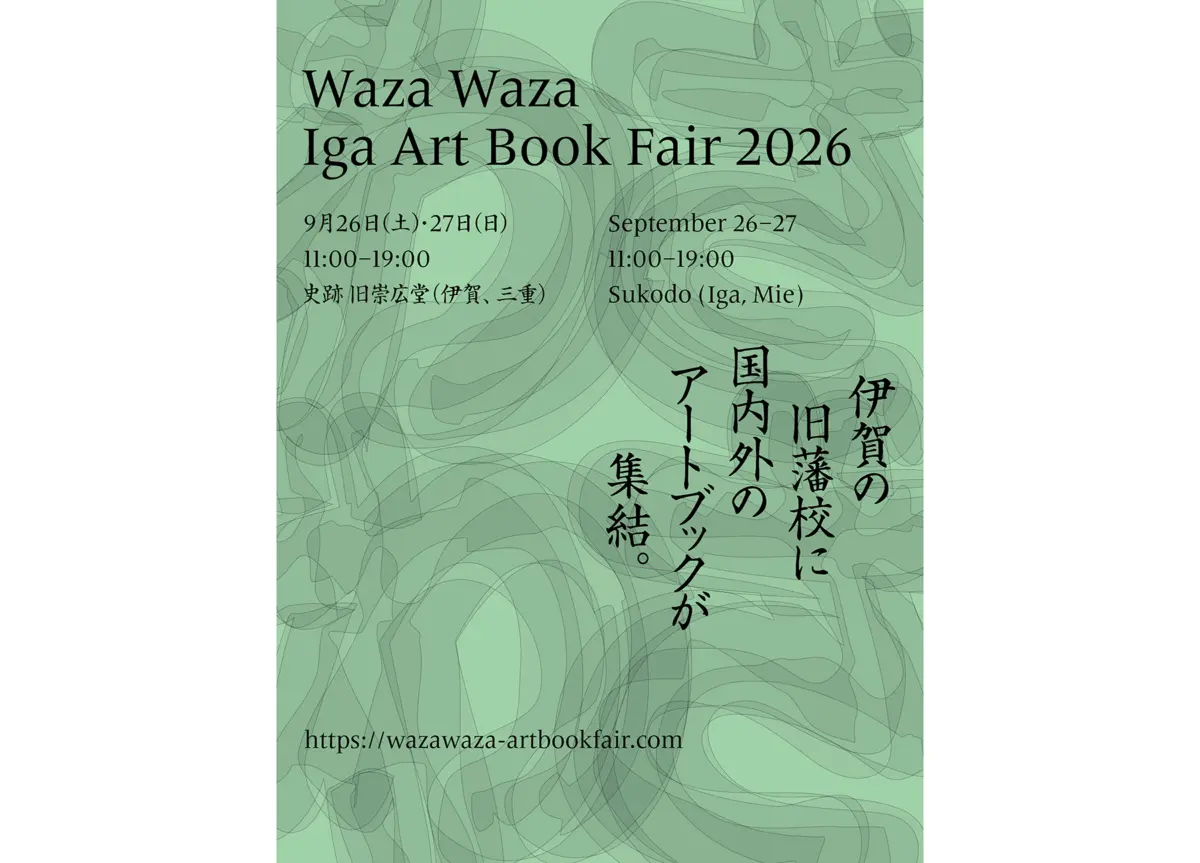
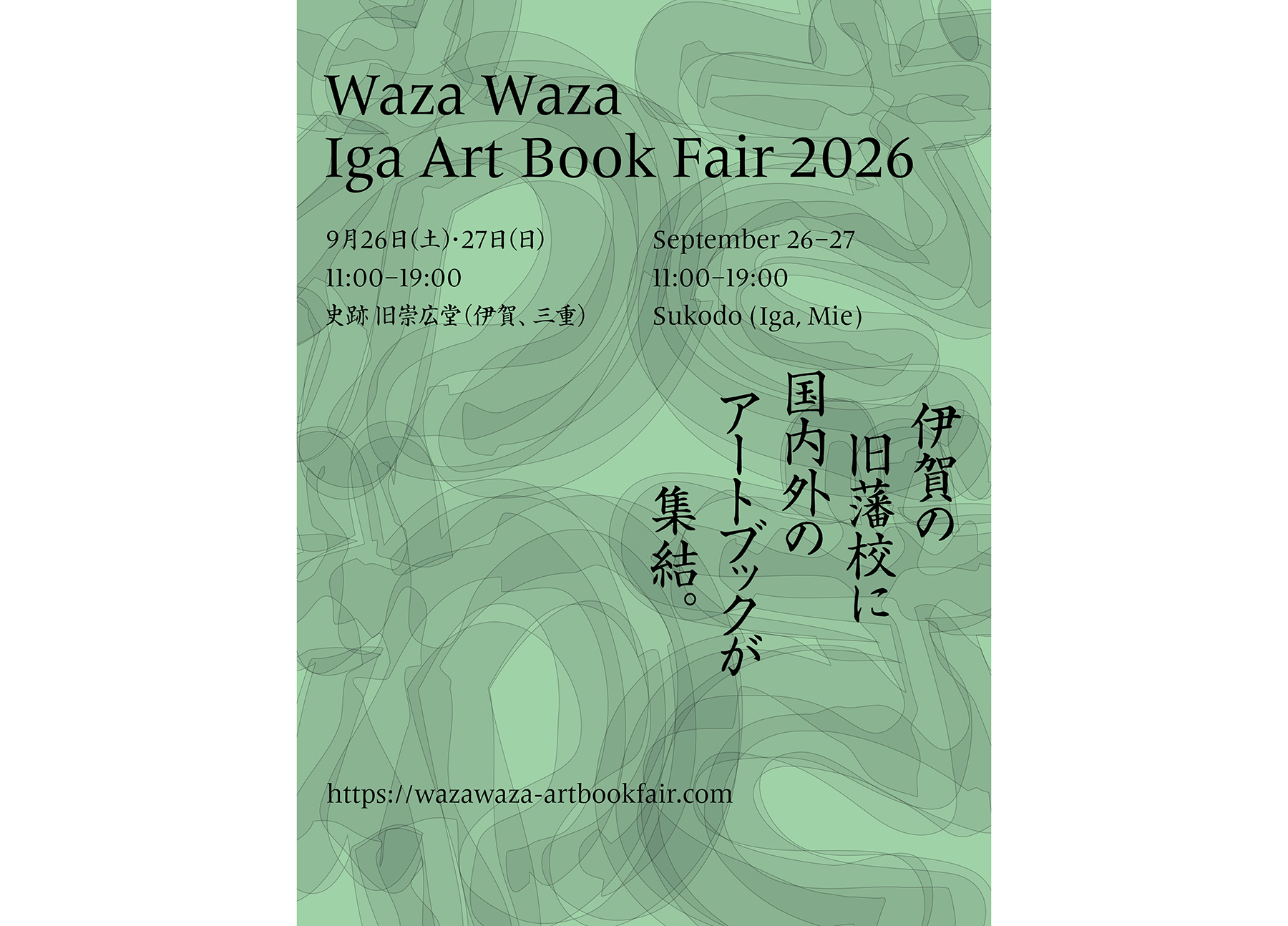
The global landscape of independent publishing is undergoing a quiet, deliberate renaissance. Far away from the monolithic distribution networks and algorithm-driven visibility models of major urban publishing capitals, independent creators are carving out spaces that prioritize tactile engagement, physical permanence, and deep community dialogue over rapid consumption. At the epicenter of this movement sits "Waza Waza – Iga Art Book Fair 2026," a landmark international art book fair taking place on September 26 and 27, 2026.
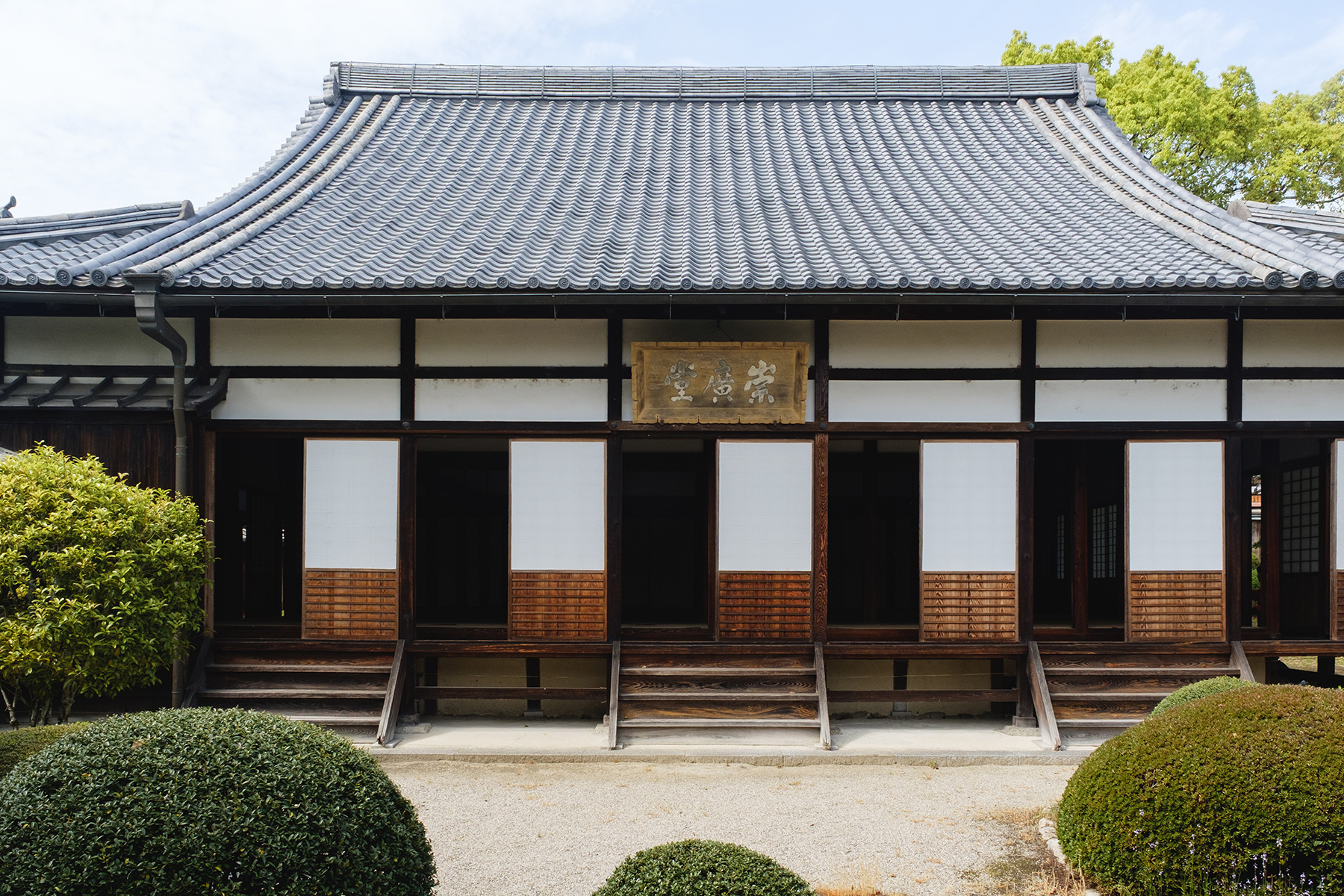
Hosted within the meticulously revitalized historical architecture of SAKAKURA BASE—located adjacent to the historic JR Iga-Ueno Station—this year’s edition marks a watershed moment for the region. SAKAKURA BASE itself serves as a testament to adaptive reuse, breathing new life into an enduring physical asset that bridges traditional Japanese heritage with contemporary global art practices. Over two immersive days, the fair will bring together an eclectic assembly of international publishers, independent bookmakers, photographers, and multidisciplinary artists.
More than just a marketplace, Waza Waza functions as a vital cultural incubator. It challenges the ephemeral nature of digital content by celebrating the weight, smell, ink, and binding of physical books. By establishing a vibrant cross-cultural dialogue in the historic castle town of Iga, the event offers a blueprint for how regional communities can leverage creative placemaking to foster international artistic exchange, economic revitalization, and deep aesthetic appreciation.
Detailed Chronology & Event Architecture
The planning, setup, and execution of Waza Waza – Iga Art Book Fair 2026 represent a carefully calibrated choreography of art logistics, historic preservation, and community engagement.
Pre-Event Build-Up and Structural Preparations
Months prior to the September opening, the organizing committee initiated intensive structural and logistical preparations. SAKAKURA BASE, chosen for its architectural resonance and proximity to JR Iga-Ueno Station, underwent specialized spatial tailoring. Because independent art books vary wildly in format—ranging from delicate hand-stitched zines and oversized photographic monographs to experimental accordion-fold publications—the venue layout required modular flexibility. Curators designed custom shelving and display systems that respect the historic integrity of the building while providing modern, clean sightlines for visitors to browse intricate works comfortably.
Day One: Saturday, September 26, 2026
11:00 AM – Doors Open: The fair officially opens its doors to the public, welcoming collectors, local residents, artists, and international travelers. The immediate atmosphere is defined by the rustle of heavy paper stocks, introductory conversations between creators and buyers, and the hum of shared enthusiasm.
1:00 PM – 3:00 PM | Special Programming — Special Art Book Tour: A core highlight of the opening day is the guided tour led by the fair’s organizing committee. This curated walkthrough offers attendees a deeper narrative context behind the exhibited works, shedding light on the artisanal binding techniques, independent print runs, and thematic motivations driving this year’s international participants.
7:00 PM – Fair Closes for Day One: Exhibitors and visitors transition from the exhibition space to local evening gatherings, deepening professional networks and creative alliances initiated on the showroom floor.
Day Two: Sunday, September 27, 2026
11:00 AM – Doors Open: The second day invites a more relaxed, contemplative pace. Local families, returning collectors, and regional students take advantage of the Sunday hours to dive deeper into specialized zine collections and participate in informal portfolio reviews.
5:00 PM – Official Conclusion: The fair concludes with a closing address from the organizing committee, summarizing the weekend’s achievements, sales milestones, and cultural connections forged. Packing down begins, though the collaborative ripples of the weekend are expected to resonate through Iga’s cultural scene for months to come.
Supporting Context & Metrics: The Anatomy of the Fair
To fully appreciate the scope of Waza Waza 2026, one must examine the operational framework, admission metrics, and the diverse roster of international and domestic talent participating in the event.
Accessibility has been a foundational pillar for the Waza Waza organizing committee. Recognizing the importance of keeping independent art open to all socioeconomic brackets, the ticketing structure is designed to be highly inclusive:
Single-Day Pass: ¥300 – ¥600 (Depending on advance versus door purchase options).
Multi-Day Access Pass: ¥1,000 – ¥1,500, encouraging repeat visits and deeper engagement with the extensive catalog of works.
Concessions: Special discounted rates are available for students and local residents, ensuring that the youth of Iga have unhindered access to cutting-edge global contemporary art practices. Advance digital ticket reservations are strongly recommended due to venue capacity limits, though walk-up tickets remain available subject to daily caps.
The Exhibitor Roster: A Global Mosaic
The 2026 directory features an extraordinary lineup of creators, micro-publishers, and artistic collectives spanning multiple continents. The carefully curated exhibitor list includes:
&gato. (Japan)
0x8x0_no (Japan)
51 Personae (China)
Angelica Ong
Anna Darab
AprilBooks (Japan)
DARF
I.CEBERG (Japan)
Jaron Menzimer
NESSIE (Japan)
Naomi Murakami (Japan)
PPP site (Japan)
Polly Fossey
STAIRS PRESS (Japan)
Sohei Terui (Japan)
Written by Daniel
between in between (Japan)
kitai (Japan)
nekoba (China)
twelvebooks (Japan)
た い じ ま じ め (Japan)
と う で ん と う (Japan)
の り た か (Japan)
ほ そ か わ た つ み (Japan)
み ち お と 出 版 / Michioto Publishing (Japan)
あ か さ た な (Japan)
い ぬ お と こ (Japan)
き む ら と も み (Japan)
し ほ ざ き ゆう み (Japan)
た か は し け い と (Japan)
ち い さ な 旅 (Japan)
と び う お 書 房 (Japan)
な が さ か も と (Japan)
は ら ぐ ち あ や の / OKUDE MASATO (Japan)
ひ ら が な 記 憶 (Japan)
ほ し の 亜 希 子 (Japan)
ま つ も と み き (Japan)
む ら か み た か し (Japan)
や な ぎ た い ち (Japan)
This diverse gathering ensures that visitors are exposed to everything from avant-garde European photography portfolios and Asian independent risograph zines to hyperlocal Japanese documentary photo-books.
Official Statements & Curatorial Vision
The intellectual backbone of Waza Waza – Iga Art Book Fair 2026 is rooted in a collective desire to redefine how art is disseminated and experienced. In joint statements released ahead of the September event, key members of the organizing committee and international collaborators elaborated on the fair’s guiding philosophy.
Bridging Global Perspectives and Local Heritage
The curatorial team emphasizes that holding an international art book fair in Iga—a city globally renowned for its ninja heritage and rich pottery traditions—creates a dynamic friction between ancient history and ultra-contemporary media.
"Independent publishing is fundamentally about autonomy, tactile intimacy, and uncompromising artistic vision," notes a representative from the organizing committee. "By anchoring this global fair within SAKAKURA BASE, we are honoring the architectural memory of Iga while opening a direct portal to contemporary print culture from Tokyo, London, Paris, and beyond. We do not want visitors to merely look at books; we want them to feel the physical labor, the editorial intent, and the cultural urgency embedded in every page."
International contributors have similarly voiced enthusiasm for the regional Japanese setting. Representatives from participating European and Asian micro-publishers highlighted that decentralized book fairs offer a necessary antidote to the homogenization of commercial art markets. In regional spaces like Iga, conversations between creators and collectors are unhurried, intimate, and deeply personal—reestablishing the book as an object of profound human connection.
Future Outlook: The Long-Term Impact on Iga’s Cultural Ecosystem
As planners look past the September 2026 dates, the broader implications of Waza Waza for Iga and the wider Kansai region are becoming increasingly clear. The fair is not designed as a transient weekend pop-up, but rather as a catalyst for sustainable cultural tourism and creative enterprise.
Placemaking and Regional Revitalization
The successful adaptive reuse of SAKAKURA BASE as a cultural hub points to a growing trend across rural and semi-urban Japan: utilizing art, design, and independent publishing to breathe new life into vacant industrial or historical structures. By drawing international visitors, curators, and press to Iga-Ueno Station, Waza Waza injects vitality into the local economy, benefiting nearby hospitality ventures, artisanal food producers, and independent retailers.
Cultivating the Next Generation of Bookmakers
Furthermore, the fair’s accessible ticketing and specialized educational tours are engineered to inspire local students and emerging regional creators. By demonstrating that high-quality, international-standard art books can be self-published and globally distributed from anywhere with an internet connection and a printing press, Waza Waza empowers a new generation of Japanese artists to take control of their creative outputs.
Conclusion
When the doors close on Sunday, September 27, 2026, the physical books will be packed away, but the intellectual and creative infrastructure built over that weekend will endure. Waza Waza – Iga Art Book Fair 2026 stands as a shining example of how grassroots ambition, historical preservation, and international solidarity can converge to create something truly exceptional. In an era dominated by screens and algorithmic ephemera, Iga will proudly remind the world that the printed page—held in the hands, smelled, and carefully turned—remains one of humanity’s most powerful vessels for expression.







Belum ada komentar. Jadilah yang pertama berkomentar!