

Executive Overview
In the fast-paced ecosystem of digital content creation, few platforms wield as much influence, cultural reach, and economic power as YouTube. With billions of active users globally, the platform functions not merely as a video repository, but as a primary social fabric for modern entertainment, news, education, and public discourse. Consequently, the mechanics of how YouTube organizes, verifies, and validates its creators carry immense weight.
In September 2019, YouTube found itself at the center of a major public relations crisis following an ambitious, yet profoundly misunderstood, overhaul of its channel verification program. Initially designed to combat widespread impersonation and clear up user confusion regarding what the iconic checkmark symbol represented, the proposed changes instead triggered an unprecedented wave of creator anxiety and backlash. Creators feared losing hard-earned symbols of authenticity, while critics argued that the platform was pulling the rug out from under its foundational community members.
This comprehensive report examines the anatomy of that controversy. We will explore the initial policy announcements made by YouTube, the sudden and dramatic about-face that followed just 24 hours later on September 20, 2019, the underlying metrics that drove the platform to attempt an update in the first place, and the long-term implications of platform governance in the creator economy. Through a professional journalistic lens, we unpack how a well-intentioned policy shift missed the mark so entirely, and what lessons were learned in the process.
Detailed Chronology: The 24 Hours That Shook the Creator Economy
To truly understand the friction between YouTube and its creator community in September 2019, one must trace the timeline of events that unfolded with dizzying speed.
Phase 1: The Initial Rollout and the Impending Shakeup
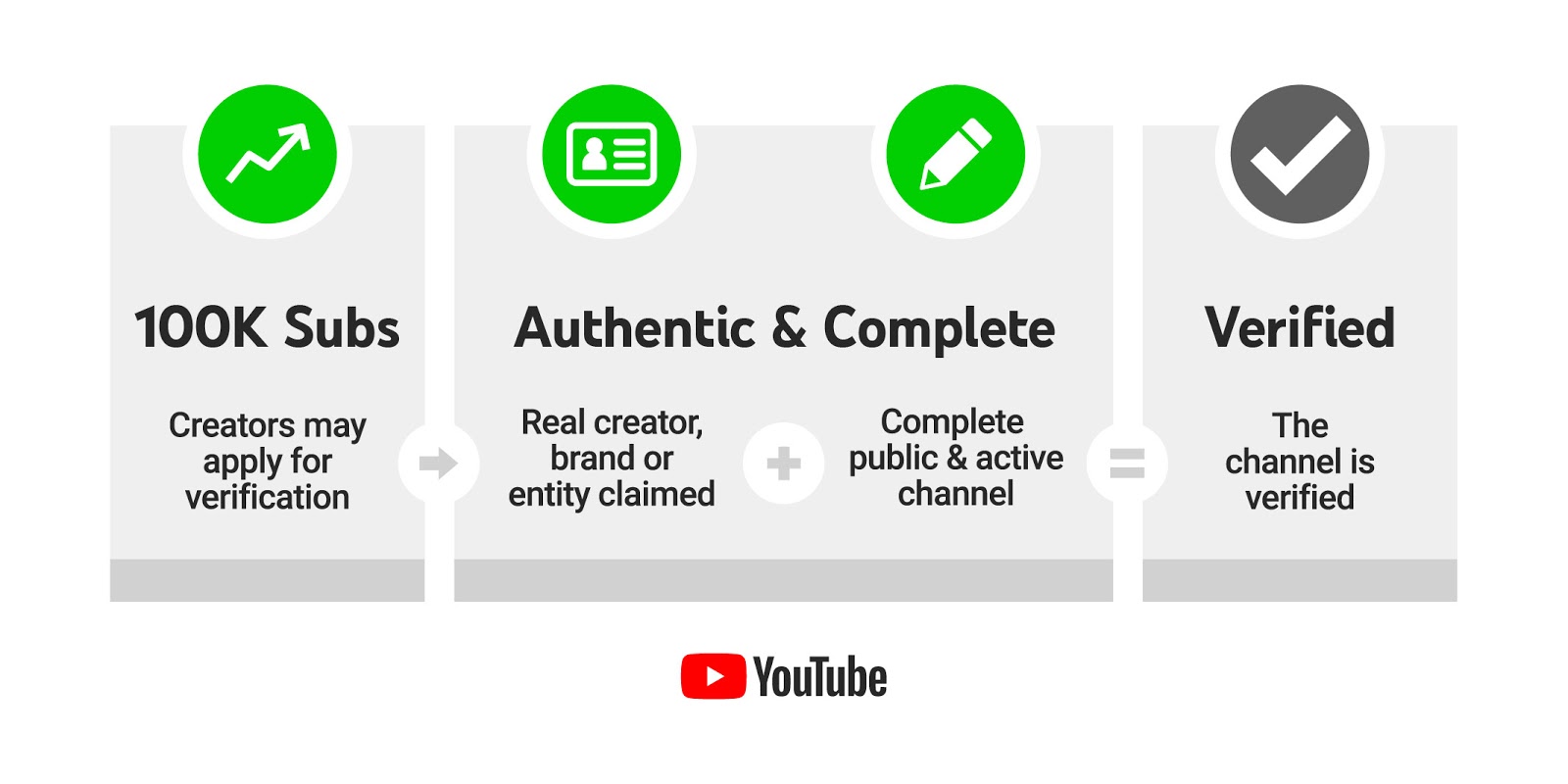
For years, YouTube’s verification system operated on a relatively straightforward, if blunt, metric: any channel that crossed the 100,000-subscriber threshold became eligible to apply for the coveted verification checkmark. As the platform expanded from a niche video-sharing site into a sprawling, multi-billion-dollar media behemoth, this threshold-based approach began to show structural cracks.
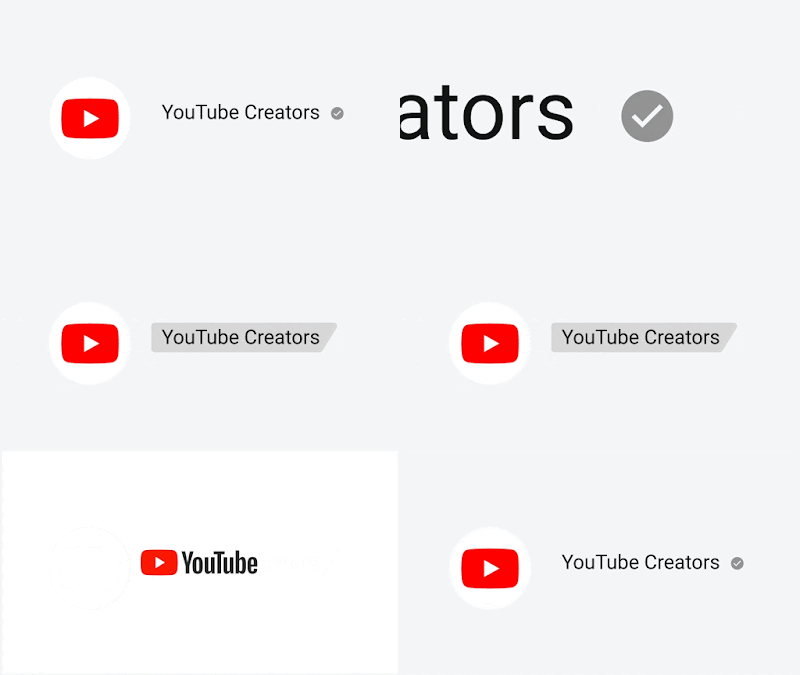
In an effort to modernize the system, YouTube announced a sweeping overhaul of its verification program. The platform stated that it intended to phase out the traditional checkmark for many existing channels, replacing it with a redesigned visual badge slated to roll out broadly. More controversially, YouTube announced that it was moving away from the purely subscriber-count-driven eligibility model. Under the proposed new rules, creators would no longer automatically qualify simply by hitting 100,000 subscribers; instead, the platform would vet channels based on distinct "authenticity needs," prominence, and vulnerability to impersonation.
Phase 2: The Immediate Backlash
The reaction from the creator community was swift, vociferous, and overwhelmingly negative. Creators who had proudly displayed their verification badges for years suddenly faced the prospect of losing them overnight. Many interpreted the move as a demotion, a stripping away of status symbols that had taken years of grueling content production to earn.
Smaller and mid-tier creators, in particular, felt marginalized. For these individuals, the checkmark was more than just an indicator of identity; it was a psychological milestone, a badge of professional legitimacy that helped them secure brand sponsorships, build trust with viewers, and stand out in an increasingly saturated marketplace. The realization that thousands of channels might lose their verified status without an immediate, transparent appeals process caused widespread panic across Twitter, Reddit, and YouTube itself.
Phase 3: The Rapid Apology and Policy Reversal
Recognizing the depth of the anger and confusion it had inadvertently unleashed, YouTube leadership acted with rare and remarkable swiftness. Less than 24 hours after the initial announcement, the platform issued a formal update at 3:00 p.m. on September 20, 2019, effectively hitting the pause button on the most disruptive elements of the policy change.
In a candid statement, YouTube acknowledged its misstep: "While rolling out improvements to this program, we completely missed the mark. We’re sorry for the frustration that this caused and we have a few updates to share."
Under the revised framework announced that afternoon:
- Grandfathering Existing Channels: Channels that already possessed the verification badge would keep it. They were exempted from the requirement to reapply or appeal for their status.
- Preserving the 100,000-Subscriber Threshold: YouTube walked back its immediate elimination of the subscriber threshold for applications. The platform confirmed that channels with over 100,000 subscribers would remain eligible to apply, with the application process slated to reopen by the end of October.
- Delaying the Visual Redesign: Recognizing that changing the look of the badge simultaneously with eligibility requirements was compounding confusion, YouTube pushed back the rollout of the new visual badge design to the following year.
Supporting Context & Metrics: Why YouTube Tried to Change the Rules
To evaluate YouTube’s actions fairly, one must examine the operational pressures facing the platform’s trust and safety teams. The changes were not dreamed up in a vacuum; they were born out of tangible, growing administrative and security headaches.
The Scale of Impersonation
According to internal data shared by YouTube, the platform received tens of thousands of complaints every single year from creators struggling with bad actors impersonating their channels. In a decentralized video ecosystem, bad actors frequently create clone channels—using identical profile pictures, banners, and channel names—to scam viewers, steal cryptocurrency, post malware links, or siphon off ad revenue by tricking audiences into thinking they are watching official content.
For high-profile creators, musicians, and public figures, this was not just an annoyance; it was a brand liability and a direct threat to viewer safety. YouTube’s security teams were under immense pressure to design a verification framework that could reliably distinguish genuine public figures from sophisticated impersonators.
The User Misunderstanding Metric
Perhaps the most surprising insight driving YouTube’s original proposal came from audience research data. Nearly one-third of surveyed YouTube users fundamentally misunderstood what the verification badge meant.
- The Endorsement Fallacy: A massive segment of the user base associated the checkmark with an endorsement of content by YouTube itself, rather than a strict indicator of identity.
- The Impartiality Dilemma: If everyday viewers believe that a verified checkmark means YouTube vouches for the quality, safety, or political neutrality of a video, the platform faces severe reputational risks every time a verified creator behaves questionably or publishes controversial content.
YouTube needed a way to signal to viewers: "This channel belongs to the real artist, company, or public figure," without making viewers think, "YouTube officially endorses everything this person says or does." This realization formed the core rationale behind their attempt to redesign the badge and alter its visual presentation across search results, comments, and channel headers.
Official Statements: Deconstructing the Platform’s Communications
The language used by YouTube throughout the September 2019 incident provides a fascinating case study in corporate crisis communication and community management in the social media era.
Acknowledging Failure
In digital corporate communications, admitting fault outright is relatively rare. Most platforms prefer corporate euphemisms such as "we are listening to your feedback" or "we are refining our rollout schedule." YouTube’s September 20 statement broke from this mold by offering an unvarnished mea culpa: "While rolling out improvements to this program, we completely missed the mark."
This blunt transparency helped defuse the immediate hostility of the backlash. By validating creators’ emotional investment in their badges, YouTube shifted the narrative from an authoritarian platform dictating terms to a collaborative partner acknowledging a miscalculated execution.
Re-centering Creator Trust
Another critical theme in YouTube’s revised communication was the re-affirmation of the creator-platform bond. The initial announcement had focused heavily on administrative efficiency and security protocols at the expense of creator sentiment. The subsequent update course-corrected by emphasizing listening: "First, we heard loud and clear how much the badge means to you."
By ensuring that existing verified channels were permanently protected from losing their status without cause, YouTube restored a sense of security. Furthermore, the platform clarified that future reviews would strictly focus on verifying identity and weeding out malicious impersonators, rather than stripping status away from legitimate community builders who had earned their place via the traditional 100,000-subscriber milestone.
Future Outlook: The Evolution of Platform Governance
The 2019 verification crisis served as a watershed moment for YouTube, offering valuable lessons that continue to shape how large-scale digital platforms manage identity, security, and community relations.
Balancing Security and User Experience
The fundamental tension in digital verification remains unresolved: how do you balance rigorous security against impersonation with an accessible, scalable process for millions of growing creators?
As generative artificial intelligence and deepfake technologies become more sophisticated, the threat of digital impersonation will only accelerate. Platforms like YouTube, Meta, TikTok, and X (formerly Twitter) are locked in an ongoing arms race against malicious actors. Future verification programs will likely rely less on static subscriber numbers and more on multi-factor identity verification, government-issued identification checks, and automated behavioral analytics.
The Psychological Value of Digital Symbols
One of the most profound takeaways from the 2019 controversy is the realization that digital badges are not merely functional tools; they are deeply embedded in the psychological economy of the internet. For creators who spend years working in isolation behind a camera lens, verification badges act as digital medals—tangible proof of achievement, validation, and community standing.
When platforms tinker with these symbols without warning or empathy, they risk fracturing the emotional loyalty of their most dedicated contributors. YouTube’s swift pivot demonstrated a mature understanding of this dynamic: preserving community trust is infinitely more important than pushing through a streamlined administrative policy on schedule.
Conclusion
YouTube’s aborted verification overhaul of September 2019 stands as a masterclass in listening to a community. What began as a well-intentioned attempt to solve genuine security and comprehension problems nearly devolved into a major alienation of the platform’s core talent base. By pausing, listening, and course-correcting within 24 hours, YouTube averted a deeper crisis and set a benchmark for accountability in platform governance. As the digital landscape continues to evolve, the lessons learned during those frantic September days remain vital for any entity seeking to govern a global community of creators.





Belum ada komentar. Jadilah yang pertama berkomentar!