

Executive Overview
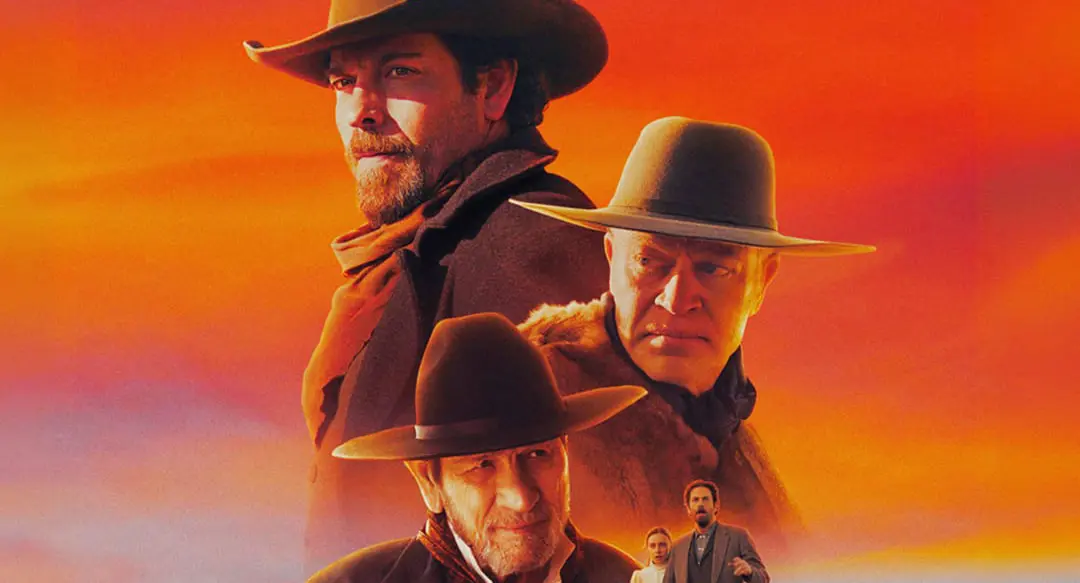
The enduring allure of the American frontier continues to capture the modern cinematic imagination, and Angel Studios is leading the charge with one of its most ambitious cinematic endeavors to date. The studio has officially unveiled the high-octane trailer and official promotional poster for "Angel and the Badman," a sweeping big-screen reimagining of the classic 1947 John Wayne Western of the same name. Stepping into the legendary boots of "The Duke" is Zachary Levi, widely recognized for his charismatic turn in DC’s Shazam!, who tackles the complex role of Quirt Evans—a feared, hard-living outlaw suddenly offered an unexpected pathway toward redemption and a life untainted by bloodshed.
Directed by Julio Quintana, this contemporary adaptation breathes fresh life into the traditional tropes of the Western genre. The film boasts a powerhouse ensemble cast featuring seasoned heavyweights and rising talents alike, including Academy Award winner Tommy Lee Jones (No Country for Old Men), Neal McDonough (Band of Brothers), and Meg Fraser (Wolf Creek: Legacy). Blending high-stakes action with deep-rooted themes of grace, moral choice, and personal transformation, the upcoming release is positioned as a cornerstone project for Angel Studios as they continue to expand their footprint in mainstream theatrical distribution. With a scheduled domestic theatrical release date of October 9, 2026, anticipation is reaching a fever pitch among cinephiles, Western aficionados, and fans of the high-profile cast.
Detailed Chronology: From John Wayne’s Classic to the 2026 Reimagining
To understand the weight and significance of the upcoming 2026 release, one must examine the legacy of the original cinematic property and the developmental timeline that brought this modern adaptation to fruition.
The 1947 Blueprint
The cinematic journey of Angel and the Badman began nearly eight decades ago. Written and directed by James Edward Grant, the original 1947 production was notable for being the very first film produced by John Wayne himself under his Wayne-Fellows Productions banner (later Batjac Productions). Co-starring Gail Russell as the Quaker girl Penny Worth and legendary character actor Harry Carey, the black-and-white picture broke away from the traditional, trigger-happy shootouts typical of 1940s horse operas. Instead, it explored a psychological and spiritual internal conflict: a wounded gunfighter finding sanctuary within a peaceful Quaker community, slowly realizing that love and pacifism held greater power than his Colt .45.
Development and Casting Speculation
For decades, Hollywood periodically floated the idea of revisiting the property, recognizing that its core narrative—a violent man confronted by a lifestyle of absolute peace—remains universally resonant. Rumors regarding a modern remake began to solidify when Angel Studios stepped in to finance and shepherd the project through production.
The casting announcements instantly generated industry-wide buzz. Securing Zachary Levi to portray the brooding, conflicted Quirt Evans marked a major casting coup. Known largely for his comedic timing and blockbuster heroics, Levi’s casting signaled a darker, more dramatic trajectory for the actor. The addition of cinematic icons Tommy Lee Jones and Neal McDonough instantly lent the production formidable Western pedigree. Jones, whose career is inextricably linked to neo-Western masterpieces like No Country for Old Men and The Three Burials of Melquiades Estrada, brings an unmatched gravitas to the project. McDonough, meanwhile, brings his trademark intensity, rounding out an antagonistic force that promises to keep audiences on the edge of their seats.
The Marketing Campaign Unveils
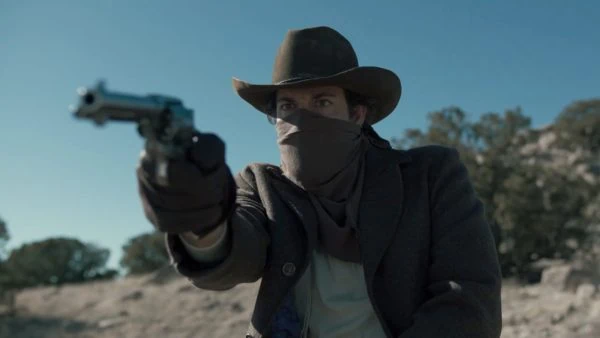
The rollout reached a major milestone with the simultaneous release of the official trailer and theatrical poster. The promotional material immediately establishes the film’s visual and tonal identity: sun-bleached vistas, dust-choked main streets, intimate character moments, and explosive kinetic violence. By pairing the sweeping grandeur of traditional Western cinematography with visceral, modern action choreography, the promotional campaign successfully positions the film as both an homage to Hollywood’s golden age and a thrilling cinematic ride for contemporary audiences.

Supporting Context & Metrics: The Western Revival and Angel Studios’ Growth
The release of Angel and the Badman arrives at a fascinating intersection of shifting audience demographics, streaming-era fatigue with superhero cinematic universes, and a palpable resurgence of the Western genre in mainstream media.
The Renaissance of the Modern Western
Over the past decade, the Western has undergone a quiet yet powerful renaissance. Fueled largely by the monumental success of television juggernauts like Yellowstone and its various spinoffs, as well as critically acclaimed cinematic entries like The Power of the Dog and Killers of the Flower Moon, modern audiences have proven they possess an insatiable appetite for frontier narratives. However, contemporary viewers demand more than simple black-and-white morality; they gravitate toward complex character studies, moral ambiguity, and deep emotional stakes.
The plot of the new Angel and the Badman leans directly into this appetite. As the official synopsis details:
"When feared outlaw Quirt Evans staggers onto a rancher’s land with a bullet in his back, he expects a quick death, not mercy. But Penny, the rancher’s daughter, offers him a chance at something he’s never had: a life beyond violence. However, the past doesn’t forgive. With the marshal closing in and an outlaw gang ready to burn the ranch to the ground, Quirt must decide what kind of man he’ll be when the world demands blood."
This premise provides a classic pressure-cooker scenario. It forces a lethal protagonist to choose between self-preservation through violence and absolute vulnerability in the pursuit of peace.
Angel Studios’ Theatrical Strategy
Angel Studios has steadily disrupted traditional Hollywood distribution models through crowd-funding, community-driven marketing campaigns, and a targeted focus on values-driven, high-quality entertainment. Following the unprecedented box office triumphs of projects like Sound of Freedom and The Chosen, the studio has increasingly set its sights on broader genre filmmaking.
By tackling a foundational Hollywood property like a John Wayne Western, Angel Studios is signaling a bold expansion of its portfolio. The strategy relies heavily on counter-programming against mega-budget sci-fi and comic book blockbusters, offering audiences grounded, character-driven storytelling with broad multi-generational appeal. The October 9, 2026 theatrical window places the film strategically in the heart of the fall box office season—a prime corridor traditionally reserved for prestige dramas and awards-season contenders.
Official Statements and Behind-the-Lens Vision
While full press junkets are still on the horizon, early insights from the production shed light on the creative motivations driving director Julio Quintana and his principal cast.
Directorial Vision: Honoring the Past While Forging Ahead
Julio Quintana, known for his delicate handling of narrative and landscape, approached the remake with a profound sense of responsibility. Rather than attempting a shot-for-shot recreation of the 1947 classic, Quintana and his creative team have chosen to lean into the visceral realities of the 19th-century American frontier.
Industry insiders note that Quintana’s directorial approach emphasizes spatial tension, natural lighting, and deep character psychology. The landscapes are captured not merely as picturesque backdrops, but as unforgiving characters in their own right—places where survival requires grit, but civilization demands compromise.
The Ensemble Dynamic
The chemistry between Zachary Levi and his co-stars anchors the emotional core of the film. Levi’s portrayal of Quirt Evans charts a delicate line between terrifying capability and profound inner exhaustion. The outlaw is tired of running, bleeding, and killing, yet he knows no other life.
Opposite Levi, Tommy Lee Jones brings his legendary understated presence to the screen, serving as a narrative anchor who understands the inescapable gravity of a violent past. Neal McDonough, meanwhile, relishes the opportunity to embody the external pressures threatening the fragile sanctuary Evans has found. Together, the cast represents a masterclass in generational acting talent, bridging classic Hollywood archetype portrayal with modern psychological depth.
Future Outlook: What to Expect Leading Up to October 2026
As the countdown to October 9, 2026, officially begins, the film industry will be watching closely to see how Angel and the Badman performs in a crowded theatrical marketplace. Several key milestones lie ahead in the coming months:
- Extended Promotional Rollout: Following the initial trailer and poster drop, Angel Studios is expected to release character-focused featurettes, behind-the-scenes documentaries detailing the historical recreation of the frontier, and exclusive interviews with Zachary Levi and Tommy Lee Jones.
- Festival Circuit Speculation: With its prestige cast and high production values, industry analysts are quietly speculating whether the film might make selective preview appearances at major autumn film festivals to build critical momentum ahead of its wide release.
- Box Office Projections: Given the built-in name recognition of the original film, the star power of Levi and Jones, and the loyal, mobilized audience base cultivated by Angel Studios, the film is an early favorite to overperform during the traditionally lucrative fall theatrical window.
Conclusion
Angel and the Badman represents more than just a nostalgic nod to Hollywood history; it is a bold, modern re-examination of what it means to seek redemption when your entire life has been defined by a smoking gun. With Julio Quintana at the helm, a stellar cast leading the charge, and Angel Studios backing its theatrical run with conviction, the West is about to get a whole lot more complicated—and a whole lot more compelling. Mark your calendars for October 9, 2026, when the outlaw rides back onto the silver screen.
Belum ada komentar. Jadilah yang pertama berkomentar!