Date: September 10, 2026 Location: Matsusaka, Mie Prefecture, Japan
Executive Overview
Deep within the verdant interior of Mie Prefecture lies a landscape where geography and mythology intertwine, preserved in pristine condition through a harmonious blend of local stewardship and modern ecotourism. Flowing through the dramatic topography of Matsusaka’s Iitaka region, the crystalline waters of the Kushida River carve a path through the Kahada Valley—a primordial realm historically traversed by pilgrims, merchants, and Shinto kami (spirits).
At the center of this outdoor renaissance is i-Sierra, a pioneering non-profit organization and collective of local wilderness guides founded in 2018. Dedicated to bridging the gap between natural history and high-adventure outdoor pursuits, i-Sierra has cultivated a thriving culture of eco-exploration in Matsusaka. From introducing local elementary school students to their inaugural canoeing experiences to leading mountaineers of all skill sets up the daunting peaks of the "Kahada Eleven," the organization serves as the definitive gateway to the region’s wilderness.
This comprehensive report examines i-Sierra’s seasonal canoe and kayak expeditions down the Kushida River, contextualizing these immersive adventures within the broader framework of Japanese regional revitalization, Shinto mythology, and sustainable ecotourism. Through first-hand accounts, geographical analysis, and institutional insights, this article explores how i-Sierra is redefining sustainable travel in Japan’s lush countryside.
Detailed Chronology: The Evolution of i-Sierra and the Kahada Valley
The Pre-Modern Landscape: Myths, Pilgrims, and the Wakayama Kaido
To fully appreciate the modern outdoor expeditions spearheaded by i-Sierra, one must first understand the ancient footprint of the Kahada Valley. For centuries, the region served as a vital corridor for spiritual seekers and travelers. Towering over the northern threshold of this valley is Mt. Takami, affectionately and reverently known as the "Matterhorn of the Kansai region" due to its striking, pyramidal peak. The cool, nutrient-rich waters streaming from Mt. Takami form the headwaters of the Kushida River, cascading down through rocky gorges and tranquil forest ecosystems.
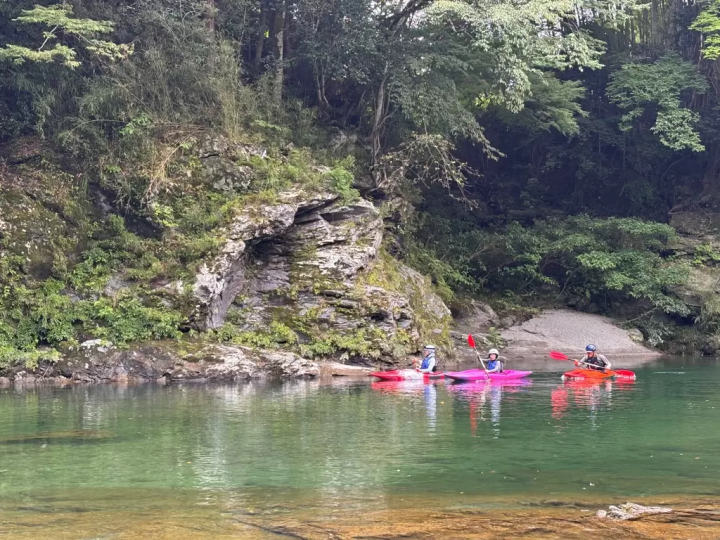
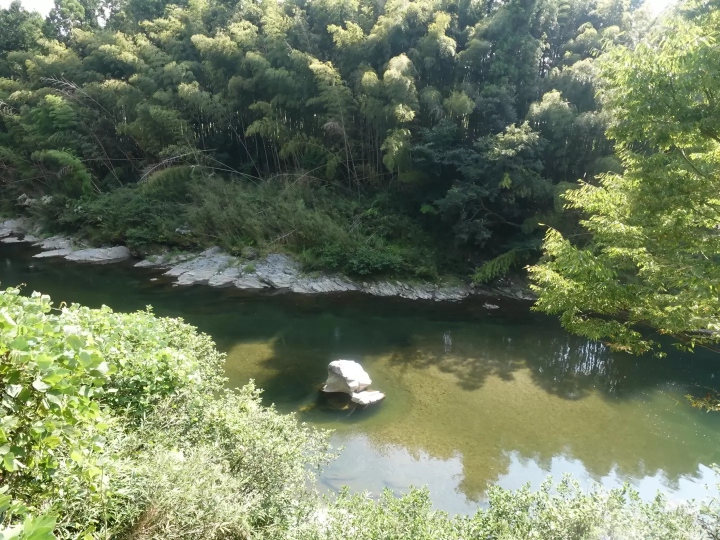
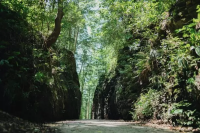
Historically, these lands were walked by pilgrims journeying along the ancient routes of the Wakayama Kaido. Among its most storied sections is the Mezurashi Pass—a dramatic rocky gorge framed by undisturbed ancient woodlands. Furthermore, the river itself is steeped in divine lore. According to regional Shinto oral histories, the sun goddess herself, Amaterasu Omikami, visited these waters. Along the riverbanks stand monumental geological formations such as the tsubuteishi—a legendary boulder said to have been tossed into the current by the deity.
For decades, despite its staggering natural beauty and profound historical significance, the upper reaches of Matsusaka remained largely under-appreciated by mainstream domestic and international tourism circuits. Recognizing the need for structured, community-driven conservation and outdoor advocacy, a passionate collective of local experts established i-Sierra in 2018.
Operating as a non-profit organization, i-Sierra was built on a core philosophy: to share the beauty of their home turf responsibly while fostering a deep-seated respect for nature among residents and visitors alike. The founders understood that sustainable tourism must begin at the grass-roots level. Consequently, the organization’s early operational milestones focused heavily on community integration. Rather than catering exclusively to high-paying tourists, i-Sierra initiated educational programs designed for local youth, organizing initiatives that brought elementary school children onto the water for their first-ever canoe rides.
Scaling the Peaks and Navigating the Rapids
Over the subsequent years, i-Sierra expanded its operational scope. The collective developed dual operational branches: aquatic navigation and alpine trekking. On land, the organization’s guides began mapping, maintaining, and leading expeditions up the "Kahada Eleven"—a designated group of eleven prominent mountain peaks defining the skyline of Matsusaka.
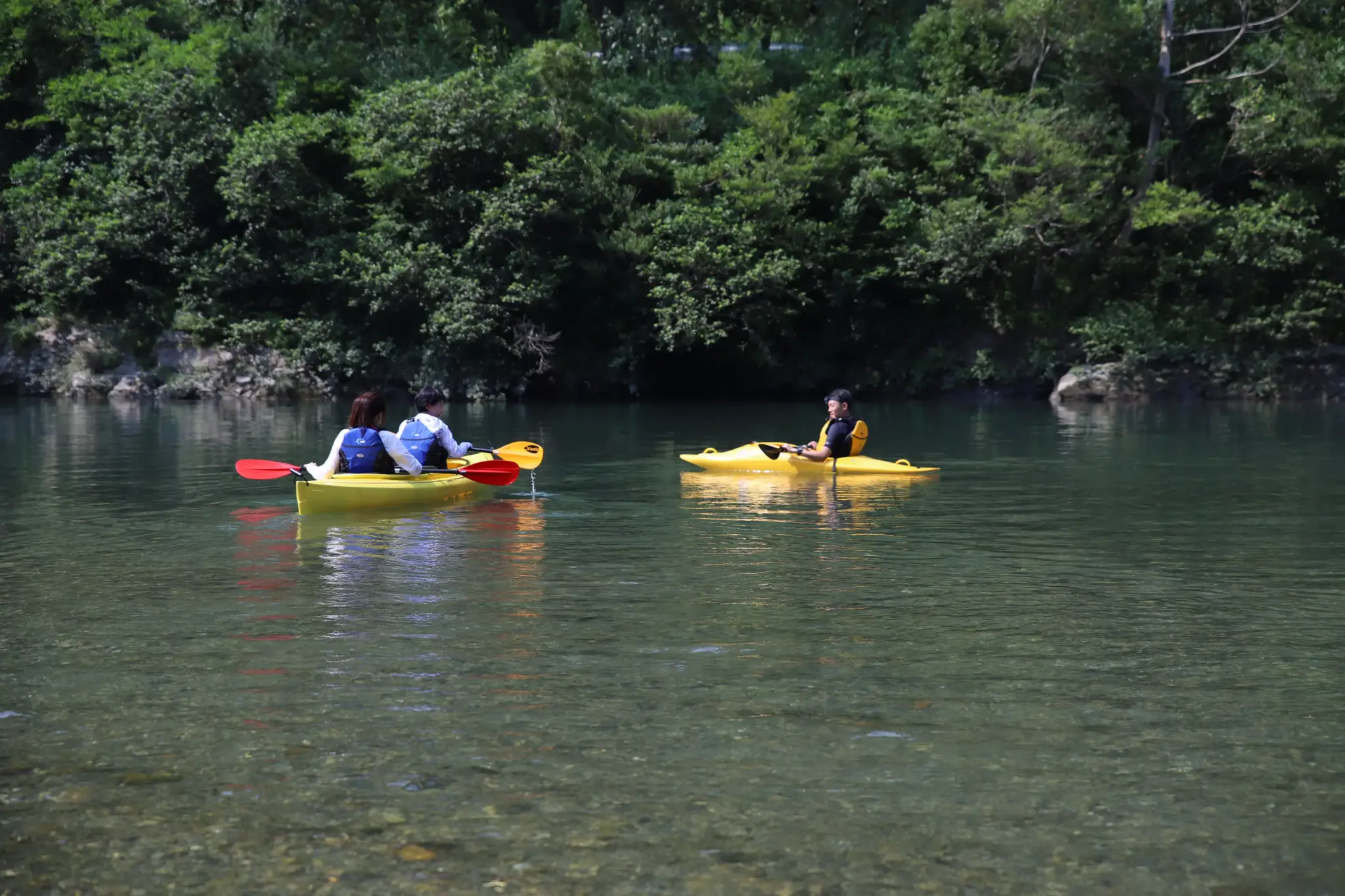
On the water, i-Sierra perfected seasonal canoe and kayak itineraries designed to take advantage of Japan’s vibrant summer climate. By meticulously training local guides in swiftwater rescue, environmental interpretation, and customer safety, the organization transformed the Kushida River from a purely historical waterway into a premier, accessible ecotourism destination. Today, i-Sierra stands as a benchmark for community-based adventure tourism in the Kansai region.
Supporting Context & Metrics: The Ecosystem of the Kushida River
Geographical and Environmental Profile
The Kushida River basin represents one of Mie Prefecture’s most ecologically vital freshwater systems. Originating at the rugged elevations of Mt. Takami, the river drops rapidly through steep topographical gradients before leveling out into the broader agricultural plains of Matsusaka.
Water Quality: Maintained by dense, protected mixed-hardwood forests, the river consistently ranks among the cleanest aquatic corridors in the region, boasting exceptional transparency that allows paddlers to spot aquatic life meters beneath the surface.
Flora and Fauna: The river corridor is a haven for biodiversity. During seasonal paddles, visitors frequently observe vibrant schools of koi—traditionally stocked and protected—swimming effortlessly through the current, alongside native freshwater species. The surrounding valley hosts dense canopies of Japanese cedar, cypress, and seasonal deciduous trees that provide a dramatic visual transition from spring blossoms to lush summer greens and fiery autumn foliage.
Topographical Landmarks: Key geographical markers along the i-Sierra route include:
Mizuya Shrine: Home to a centuries-old sacred tree, offering visitors an opportunity to anchor their watercraft, explore the forested shrine grounds, and leap from water-worn rocks into deep river pools.
Mezurashi Pass: A historic section of the Wakayama Kaido featuring steep rocky gorges and ancient stone pathways.
Tsubuteishi Boulder: A massive geological curiosity steeped in Shinto mythology, marking a focal point for environmental interpretation during river descents.
Economic and Tourism Metrics
While Japan’s national tourism strategy has historically emphasized major urban centers like Tokyo, Kyoto, and Osaka, recent years have seen a decisive governmental and consumer shift toward regional revitalization (chihou sousei).
The Rise of Experiential Travel: According to recent tourism white papers released by the Japan Tourism Agency, post-2023 travel trends indicate a 40% surge in international demand for off-the-beaten-path outdoor activities (green tourism and adventure travel).
Local Economic Impact: Non-profit collectives like i-Sierra play an outsized role in regional economies. By channeling visitors into rural Matsusaka, these initiatives stimulate local lodging, artisan food production, and transport services. Every guided canoe trip acts as a micro-economic stimulus for a municipality striving to combat rural depopulation.
Safety and Accessibility Metrics: Operating in dynamic river environments requires stringent risk management. Since its founding, i-Sierra maintains an exemplary safety record, attributed to mandatory pre-trip briefings, low guide-to-participant ratios, and comprehensive gear issuance.
Official Statements and Perspectives
The philosophy driving i-Sierra’s operations extends far beyond commercial recreation. In interviews with regional revitalization advocates and organizational leadership, a clear narrative emerges regarding the mission of community-based guiding collectives.
"When we take children or travelers out onto the Kushida River, we are not merely teaching them how to paddle a canoe; we are handing them the keys to a living history book," notes a lead coordinator for i-Sierra. "The water you touch today is the same water that sustained ancient pilgrims and inspired our ancestors to name these mountains after the gods. Our goal is to ensure that this connection between modern humanity and the natural world remains unbroken."
Local municipal leaders in Matsusaka have similarly lauded the organization’s efforts. Regional tourism boards have increasingly integrated i-Sierra’s itineraries into official promotional campaigns, highlighting the non-profit as a model for sustainable resource management.
"Organizations like i-Sierra prove that outdoor adventure and environmental preservation are not mutually exclusive," states a representative from the Matsusaka Tourism Bureau. "By fostering a deep appreciation for the Kahada Valley through active participation—whether canoeing the rapids or hiking the Kahada Eleven—they create lifelong ambassadors for our region."
Future Outlook: Sustainable Ecotourism in Matsusaka
As global tourism paradigms continue to evolve in the wake of environmental consciousness and changing consumer preferences, the outlook for i-Sierra and the Kahada Valley is exceptionally robust.
Strategic Expansion and Educational Outreach
Looking ahead, i-Sierra plans to scale its educational and recreational frameworks without compromising the ecological integrity of the Kushida River. Future initiatives include:
Extended Seasonal Programming: While summer remains the peak season for cooling off in the deep pools near Mizuya Shrine and navigating the breezy mountain air, autumn and spring shoulder-season packages are currently in development to showcase the changing foliage of the Wakayama Kaido.
Enhanced Youth Conservation Programs: Building upon their foundational work with local elementary schools, i-Sierra aims to formalize a junior eco-guide curriculum, teaching regional youth about watershed ecology, water testing, and traditional forest management.
Digital Integration and International Accessibility: To accommodate the rising tide of independent international travelers (FITs), the organization has streamlined reservation platforms and informational portals (accessible via specialized booking links such as i-Sierra’s Canoe Tour Portal), ensuring seamless cross-cultural communication and booking transparency.
Preserving the Sacred Wilderness
The ultimate challenge for any burgeoning ecotourism destination is managing carrying capacity—ensuring that increased foot and paddle traffic does not degrade the very wilderness that attracts visitors. i-Sierra’s status as a non-profit collective uniquely positions it to address this challenge. Governed by residents who live alongside the Kushida River year-round, the organization’s operational caps are intentionally designed to prioritize environmental preservation over unchecked commercial expansion.
By balancing the adrenaline of navigating pristine river currents with the quiet contemplation of ancient Shinto legends, i-Sierra has established a sustainable blueprint for rural Japanese tourism. For travelers seeking an authentic encounter with Japan’s physical geography and spiritual heritage, the emerald waters of the Kushida River—navigated under the expert stewardship of i-Sierra—offer an unmatched portal into the soul of Matsusaka.
Planning Your Journey
For travelers eager to experience the Kushida River firsthand, preparation is straightforward. Participants are advised to bring an open mind, a thirst for adventure, and appropriate quick-drying outdoor attire suitable for summer water sports.
Reservations: Advance booking is strongly recommended due to limited daily group capacities designed to protect the local ecosystem. Detailed itineraries, pricing, and scheduling can be reviewed directly through i-Sierra’s Official Booking Platform.
Additional Exploration: Visitors wishing to extend their stay in Matsusaka can explore connecting regional hiking trails, historic walking routes, and local culinary landmarks by checking supplementary regional guides provided via municipal tourism networks.
Immerse yourself in the legends of the Kahada Valley, feel the cool spray of Mt. Takami’s glacial headwaters, and let i-Sierra guide you through the beating heart of Matsusaka’s sacred natural heritage.







Belum ada komentar. Jadilah yang pertama berkomentar!