

Executive Overview
The landscape of digital entertainment has shifted dramatically over the past decade. Once dismissed as a casual pastime consisting of simple puzzle games and endless runners, mobile gaming has evolved into a powerhouse industry. Modern smartphones, tablets, and computers are now capable of running console-quality titles featuring ray tracing, complex physics engines, and expansive open worlds. Recognizing this seismic transformation, Apple is preparing to unify its fragmented gaming ecosystem under one roof.
According to exclusive reports initially broken by 9to5Mac and subsequently corroborated by Bloomberg, Apple is developing a dedicated, standalone "Games" app slated for release later this year. Designed to ship natively with the company’s next-generation operating systems—including iOS 26, iPadOS 26, macOS 26, and tvOS 26—this upcoming application promises to overhaul how users discover, organize, and play games across Apple’s vast hardware ecosystem.
Rather than forcing users to dig through the general App Store or rely on disparate folders scattered across their home screens, the new Games app will act as a centralized command center. It will combine game library management, expert editorial curation, and a modernized evolution of Game Center’s social and competitive features. For an enterprise that has historically treated gaming as a secondary feature of its broader software suite, this move signals a serious, long-term commitment to capturing a larger share of the global gaming market.
Detailed Chronology: From Whispers to Industry-Wide Corroboration
The journey toward Apple’s dedicated gaming hub has been a gradual evolution, characterized by strategic shifts in how the company approaches software design. To understand the significance of the upcoming Games app, it is crucial to examine the timeline of leaks, rumors, and structural changes that brought us to this point.
The Early Days of Game Center
When Apple first introduced Game Center in 2010 with iOS 4, it existed as a standalone social gaming network application. Its primary goal was to bring multiplayer matchmaking, leaderboards, and achievements to iOS titles, mirroring achievements systems found on traditional consoles like Xbox Live and PlayStation Network. However, consumer adoption of the dedicated app was lukewarm. Users rarely opened the app outside of checking friend requests or viewing high scores, leading Apple to phase out the standalone application with the release of iOS 10 in 2016. From that point forward, Game Center’s functionality was relegated to a background system service, accessible only through individual games or buried deep within device settings.
The Exclusive Leak (Fall 2024)
The first tangible signs of a modern strategy shift emerged in late 2024. Industry insiders at 9to5Mac exclusively reported that Apple engineers were actively developing a brand-new, App Store-like application entirely dedicated to gaming. Sources indicated that the application was being built to streamline the user experience, consolidating various gaming elements that had previously been scattered across the operating system. While details were sparse at the time, the report highlighted Apple’s growing ambition to support high-end titles—such as Resident Evil and Death Stranding ports—on Apple Silicon hardware.
Bloomberg’s Corroboration and Release Timing (May 2025)
The rumors gained undeniable momentum when Bloomberg corroborated the earlier leaks, attaching a firm release window to the project. According to reports from well-connected analysts, Apple intends to debut the dedicated Games app as a headlining feature of its fall software update cycle. Coinciding with major hardware events and competing platform launches (such as Nintendo’s anticipated hardware rollouts), Apple’s timing underscores its desire to position its devices as premier gaming destinations. The app is expected to anchor the debut of the company’s next major operating system iterations, which are slated for formal previews at the upcoming Worldwide Developers Conference (WWDC).
Feature Deep Dive: What to Expect from the Games App
Apple’s new application is not merely a cosmetic redesign of existing features; it is a fundamental restructuring of how gaming is presented on Apple devices. Based on current industry reports, the Games app will be built around three core pillars.
+-----------------------------------------------------------------+
|                       APPLE GAMES APP                           |
+-----------------------------------------------------------------+
        |                        |                        |
        v                        v                        v
+---------------+        +---------------+        +---------------+
| Unified Game  |        |  Editorial &  |        | Leaderboards  |
|   Launcher    |        | Discovery Hub |        & Social Hub    |
+---------------+        +---------------+        +---------------+
| • App Store   |        | • Expert Tips |        | • Modernized  |
| • Apple Arcade|        | • New Releases|        |   Game Center |
| • Sideloaded  |        | • Exclusive   |        | • Achievement |
|   Mac titles  |        |   Interviews  |        |   Tracking    |
+---------------+        +---------------+        +---------------+
1. A Unified Hub for Accessing All Your Games
For years, managing a digital game library across Apple devices has been somewhat fragmented. Games downloaded from the traditional App Store, subscription-based titles from Apple Arcade, and titles acquired outside the App Store on macOS often ended up scattered across home screens, launchpads, and folders.
The new Games app solves this by acting as a universal launcher. Much like Apple’s redesigned TV app—which successfully aggregates movies and television shows from streaming services, cable apps, and digital purchases into a single interface—the Games app will serve as a one-stop-shop for a user’s entire digital library. Whether a user is launching a casual puzzle game downloaded on an iPhone, an immersive Apple Arcade title on an iPad, or a graphically intensive AAA game running locally on a Mac, every title will be indexed and accessible from a single dashboard.
2. Rich Editorial Content and Discovery
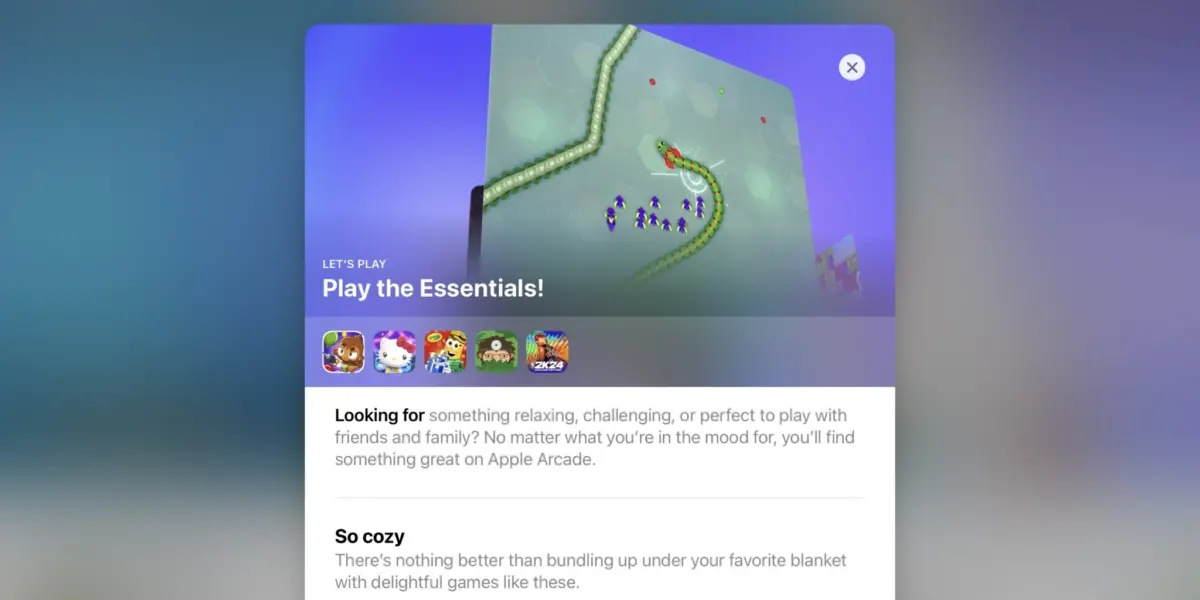
The App Store has long been praised for its human-curated editorial content, featuring developer interviews, "Game of the Day" highlights, deep dives, and expert tips. The upcoming Games app will inherit this philosophy, carving out dedicated space for editorial storytelling tailored specifically to gamers.
Rather than mixing general apps (like productivity tools, banking apps, and utilities) with entertainment software, the Games app will focus entirely on the culture and community of gaming. Users can expect to find:
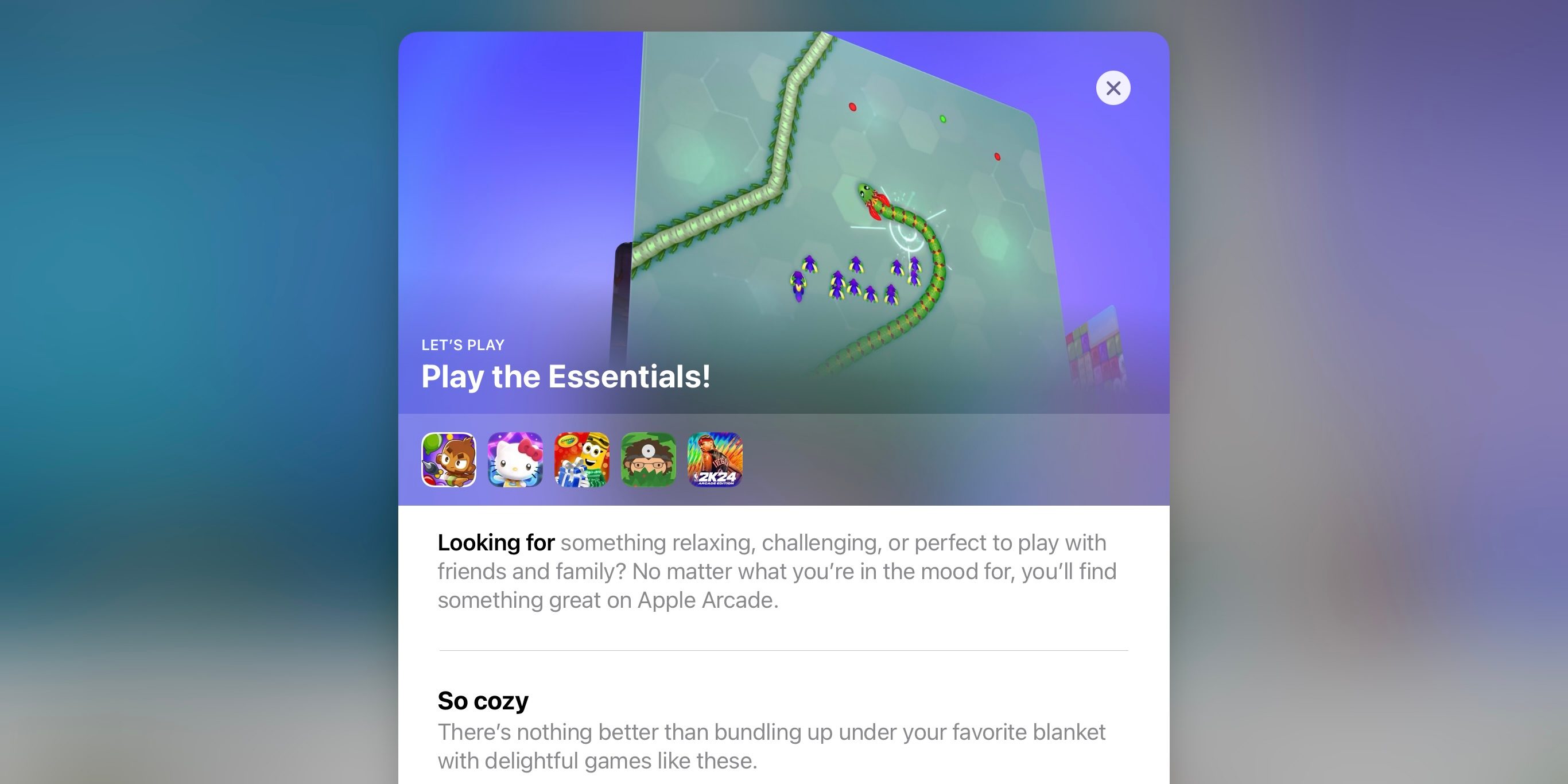
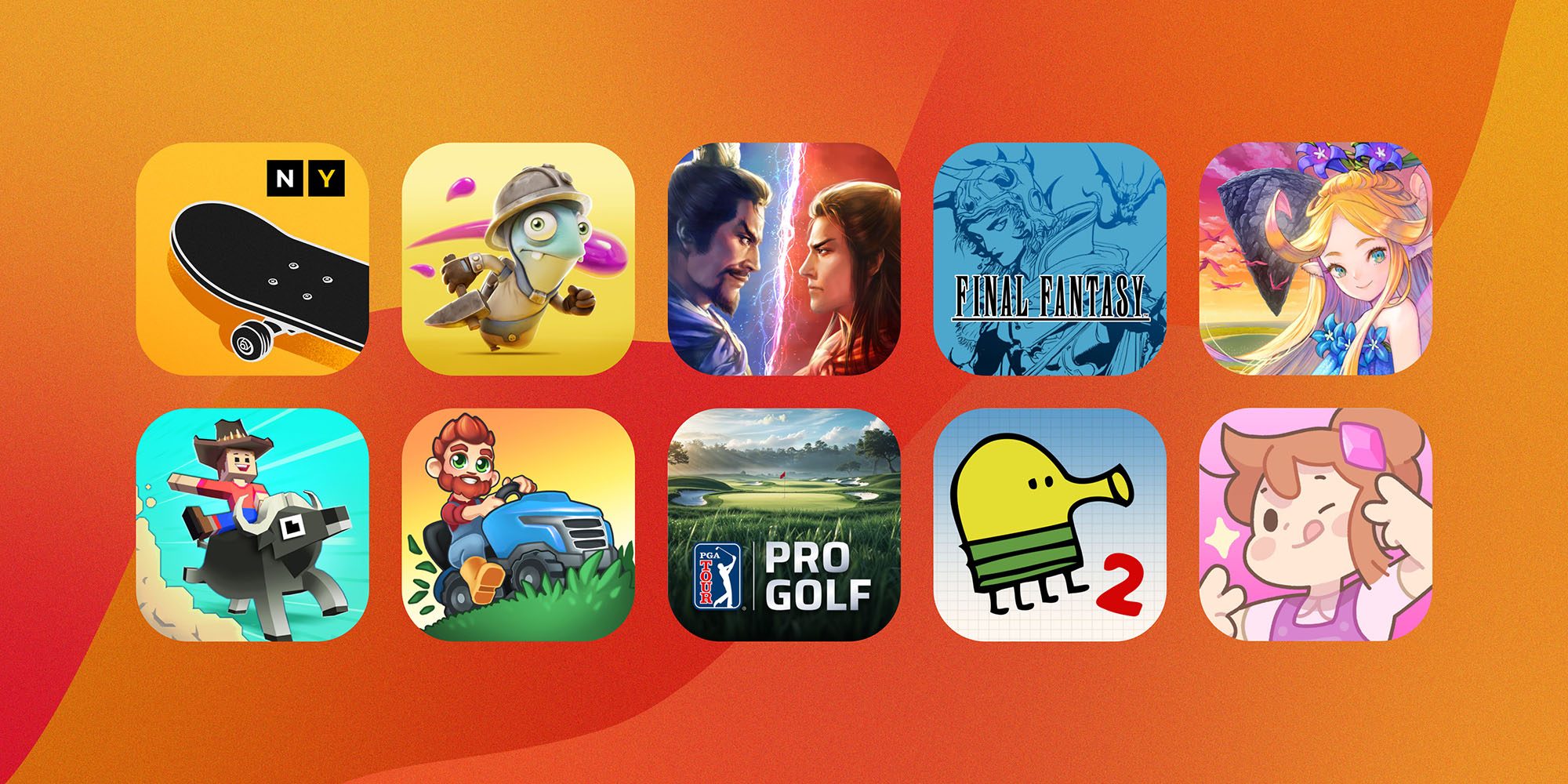
- Curated lists of essential titles within specific genres.
- Behind-the-scenes profiles of independent and major studio developers.
- Pre-release spotlights, trailers, and updates for upcoming software drops.
- Tailored recommendations based on local play habits and hardware capabilities.
Industry analysts speculate that while the general App Store will still house game downloads, the Games app will repackage editorial content in a way that feels immersive, cinematic, and entirely distinct from standard app shopping.
3. Modernized Leaderboards, Achievements, and Social Integration
Perhaps the most overdue addition to Apple’s ecosystem is the revival and modernization of Game Center. By folding classic competitive features directly into the new Games app, Apple is attempting to foster a more cohesive gaming community.
The app will centralize in-game achievements, global and friend-based leaderboards, and direct social communications. Instead of forcing players to open separate menus within individual titles to check their progress or compare scores with friends, the Games app will offer a unified profile page. Here, users can track their complete gamer score/achievement progress across all supported titles, view what their friends are currently playing, and coordinate multiplayer matches seamlessly.
Platform Support and Ecosystem Integration
One of the most notable aspects of Apple’s upcoming software strategy is its hardware reach. Rather than limiting the Games app to iOS, Apple plans to deploy the application across nearly its entire hardware ecosystem.
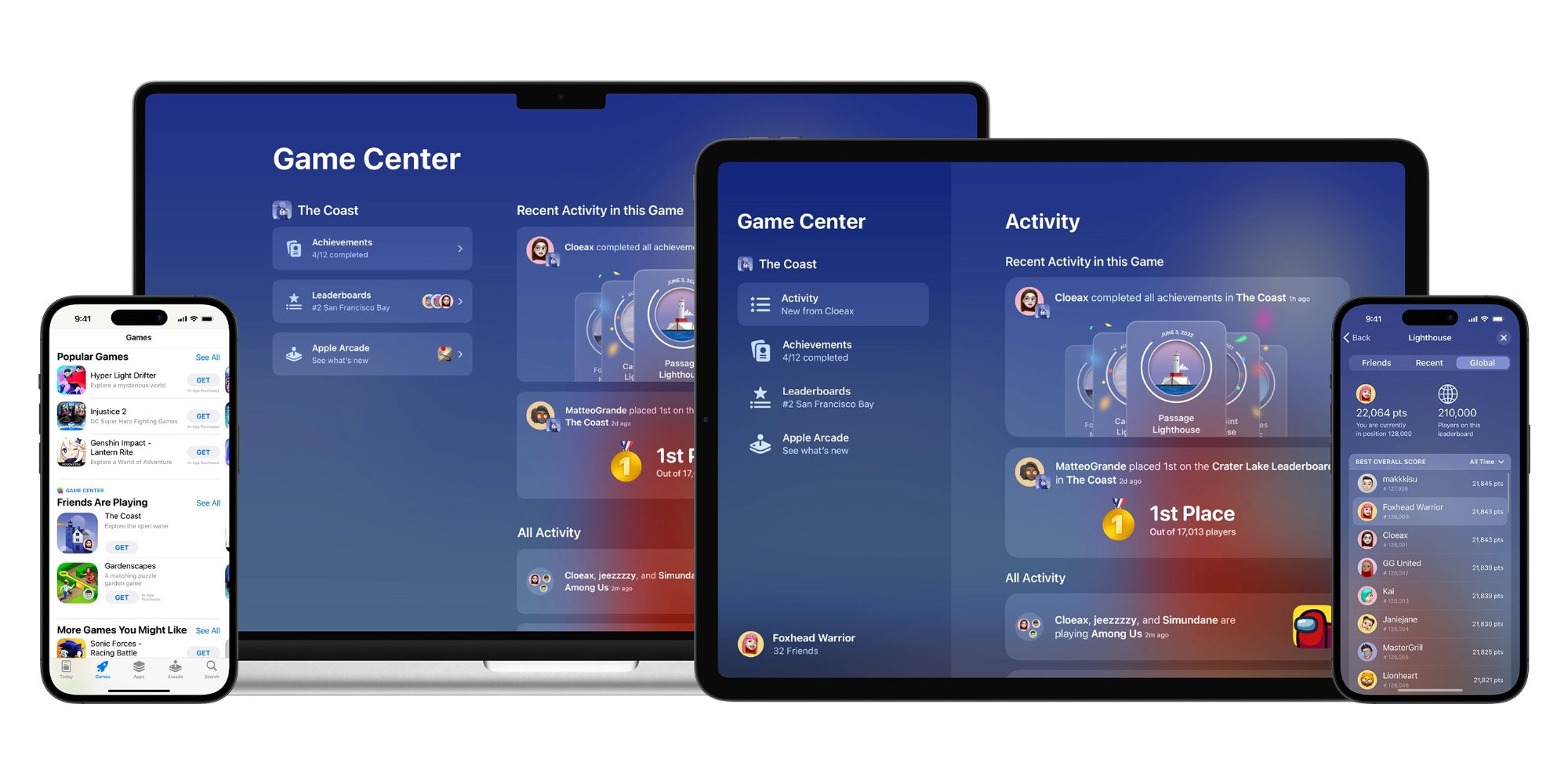
- iPhone & iPad: Serving as the primary touchpoints for mobile gaming, iOS 26 and iPadOS 26 will feature deep integration with the app, allowing users to quickly jump back into their most recently played titles via widgets and home screen shortcuts.
- Mac: With Apple Silicon transforming Mac computers into viable gaming platforms capable of running high-end PC ports via the Game Porting Toolkit, macOS 26 will benefit greatly from a centralized library launcher that organizes both native Mac games and optimized titles.
- Apple TV 4K: As living room gaming continues to grow—especially with support for console controllers from PlayStation and Xbox—tvOS 26 will bring the unified hub to the big screen, making Apple TV a more formidable casual gaming console.
- visionOS (Potential): While official confirmation regarding Apple Vision Pro support is still pending, industry insiders suggest that spatial gaming could eventually find a home within or alongside the new app framework, given Apple’s heavy investments in spatial computing entertainment.
Strategic Implications for the Gaming Industry
Apple’s decision to launch a dedicated gaming application is far more than a simple quality-of-life update; it is a calculated strategic maneuver with significant industry ramifications.
For years, developers of high-end console and PC games have been hesitant to fully commit resources to the macOS and iOS ecosystems, citing fragmentation, discoverability issues, and a lack of a unified gaming identity on Apple devices. By creating a dedicated portal that elevates gaming to the same status as video streaming (Apple TV) and music streaming (Apple Music), Apple is signaling to major publishers—such as Capcom, Ubisoft, and Electronic Arts—that it is serious about building a permanent home for high-end interactive entertainment.
Furthermore, the move puts pressure on competing platforms. While Android ecosystems rely heavily on the Google Play Store and various manufacturer-specific game launchers, Apple’s tightly integrated hardware and software ecosystem allows for a level of cross-device continuity that few competitors can match. A user can seamlessly transition from playing a game on their iPhone during a commute to picking up right where they left off on an iPad or Mac at home, all managed through a single, native application.
Future Outlook
As the technology sector looks ahead to the formal unveiling of Apple’s next-generation operating systems at WWDC, anticipation surrounding the Games app continues to mount. Developers are eager to see what APIs and developer tools Apple will introduce alongside the app to help studios better integrate their titles into the new ecosystem framework.

Consumer reaction during the initial developer and public beta testing phases will ultimately determine how quickly the app gains traction. However, given Apple’s historical knack for refining and popularizing curated hub experiences—as seen with the evolution of the Apple TV and Apple Music apps—the writing is on the wall. Gaming on Apple devices is graduating from a fragmented collection of App Store downloads into a cohesive, first-class ecosystem experience.
Are you excited about Apple’s upcoming dedicated Games app, or do you prefer managing your titles manually? Let us know your thoughts in the comments below!






Belum ada komentar. Jadilah yang pertama berkomentar!