

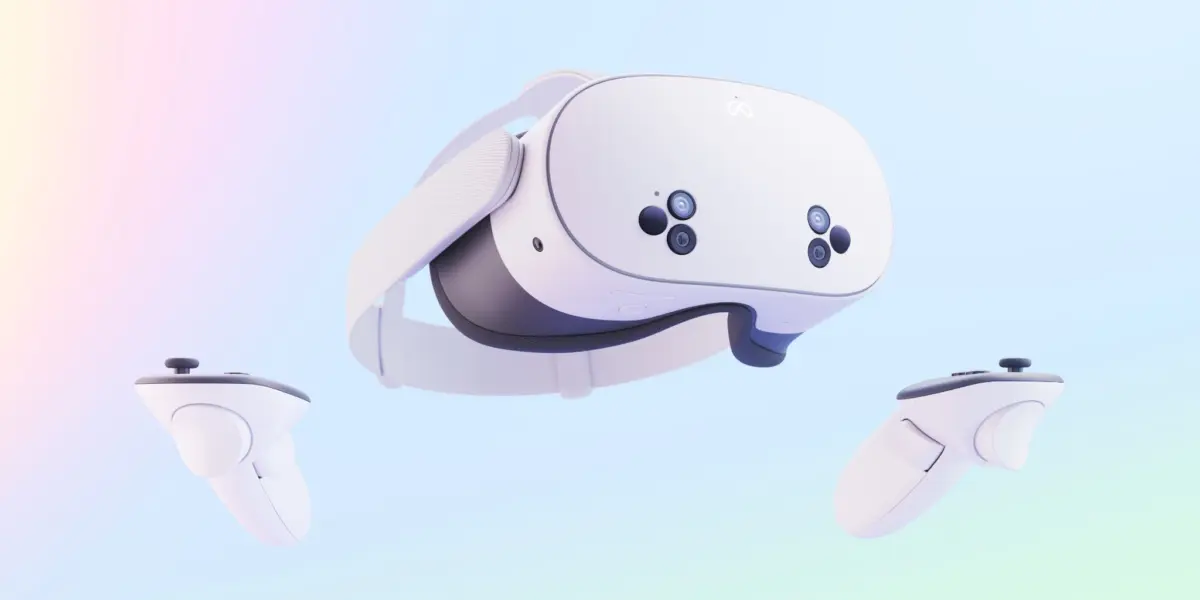
In a sudden and unexpected pivot that has sent ripples through the extended reality (XR) community, Meta has reversed its controversial decision to sunset the virtual reality (VR) iteration of Horizon Worlds. The flagship social metaverse platform, which initially debuted as a beacon of Meta’s pivot from social media giant to spatial computing pioneer, was quietly slated for an unceremonious retirement on the headset hardware that birthed it. However, following a passionate outcry from a dedicated core of virtual reality enthusiasts and creators, company leadership chose a path of preservation.
The reversal was formally announced by Andrew “Boz” Bosworth, Meta’s Chief Technology Officer, during an unscripted Ask Me Anything (AMA) session hosted on Instagram. While the definitive shutdown has been averted, the reprieve comes with critical caveats. Meta is fundamentally shifting its strategic weight away from VR development for Horizon Worlds, choosing instead to funnel the lion’s share of its capital, engineering talent, and operational focus into the mobile ecosystem.
This decision marks a fascinating chapter in the evolution of consumer tech platforms. It highlights the starkly divergent paths taken by major industry players in spatial computing. While Meta doubles down on mobile accessibility to capture broader consumer and creator momentum, competitors like Apple continue to push the envelope on high-end enterprise and consumer immersion—exemplified by recent spatial computing integrations like Nvidia CloudXR and advanced flight simulation software for the Apple Vision Pro.
This in-depth report explores the anatomy of Meta’s policy reversal, the technical implications for existing Horizon Worlds VR users, the broader economic metrics shaping the metaverse economy, and what this means for the future of immersive hardware ecosystems.
Detailed Chronology: From Metaverse Flagship to Mobile Pivot
To understand the weight of Meta’s recent u-turn, one must trace the turbulent history of Horizon Worlds. When the platform first rolled out in beta across Meta Quest headsets in late 2021, it was heralded by CEO Mark Zuckerberg as the cornerstone of the company’s multi-billion-dollar bet on the metaverse. It was designed as a sprawling, user-generated virtual world where users could socialize, play games, and attend virtual events.
The Honeymoon Phase and Early Stumbles
In its infancy, Horizon Worlds captured immense media attention, serving as the primary proof-of-concept for the rebranded Meta’s corporate identity. Yet, enthusiasm quickly dampened. Early adopters and tech critics alike pointed out persistent technical limitations, low-fidelity graphics, uneven moderation, and a general lack of compelling, sticky content. Despite massive promotional pushes, the platform struggled to retain a mainstream daily active user (DAU) base, routinely missing internal growth metrics and drawing public scrutiny over its high operational costs versus low engagement returns.
The Mobile Expansion Strategy
Recognizing that the friction of strapping on a dedicated VR headset—often weighing upwards of 500 grams and requiring battery management—was a primary barrier to entry, Meta executed a strategic expansion. In April 2022, the company began laying the groundwork to bring Horizon Worlds beyond the confines of the Quest hardware ecosystem, targeting mobile devices, tablets, and web browsers.
This mobile-first pivot was born out of cold, hard metrics: the global addressable market for smartphones dwarfs the installed base of VR headsets by orders of magnitude. By lowering the barrier to entry, Meta hoped to capture a broader casual audience that enjoyed user-generated content platforms akin to Roblox or Fortnite, even if they lacked immersive head-mounted displays.
The Looming Sunset and Fan Backlash
As engineering resources were aggressively reallocated toward the mobile and web iterations powered by the Meta Horizon engine, the legacy VR version of Horizon Worlds—built heavily on older Unity runtime architecture—began to languish. Rumors and internal communications regarding a total VR shutdown intensified through early 2026, culminating in plans to pull the plug entirely on headset-based access.
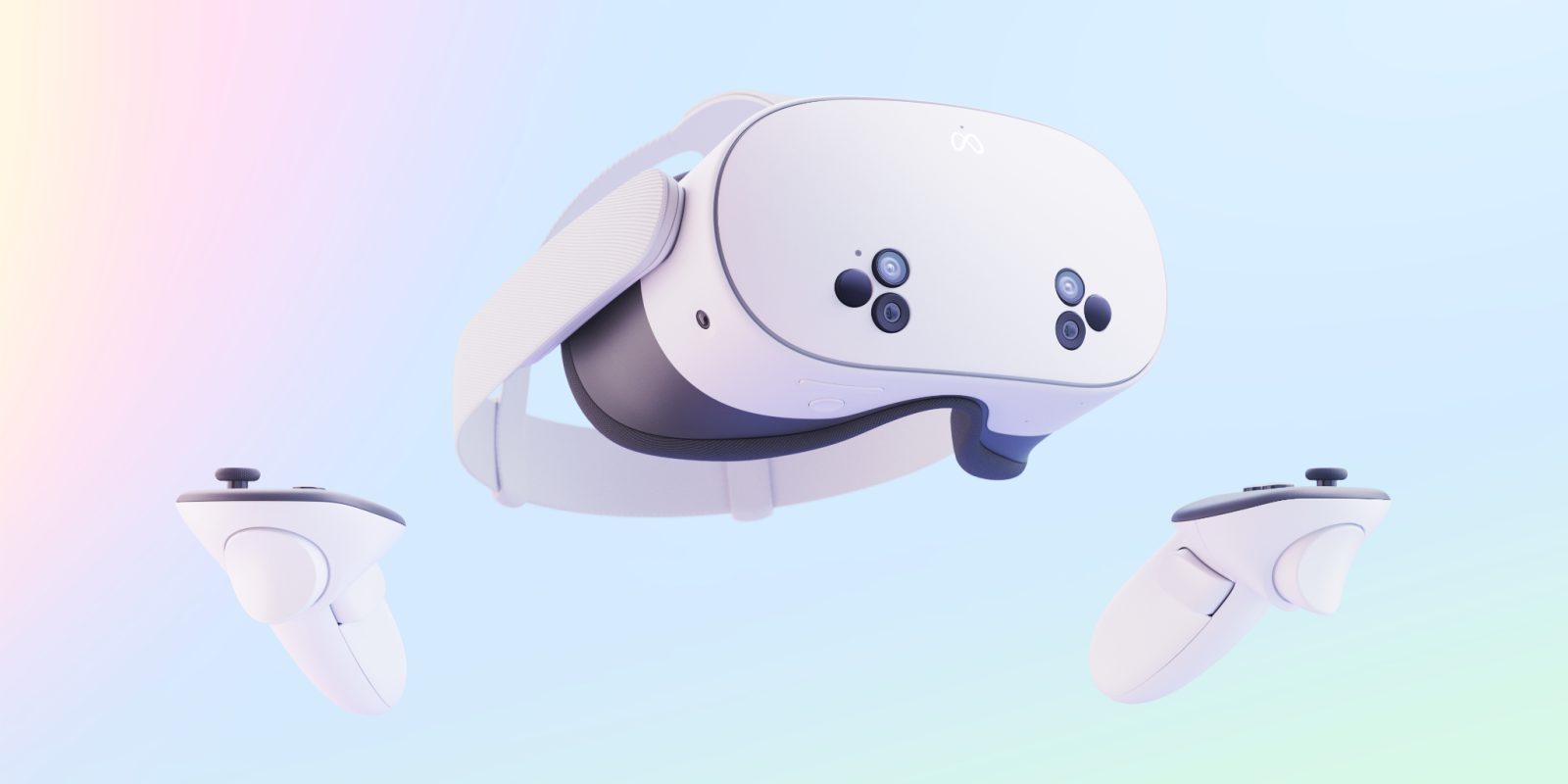
However, Meta underestimated the vocal loyalty of its remaining VR creators. Unlike passive consumers, these developers had spent years building worlds, coding interactive mechanics, and cultivating communities inside the VR environment. When news of the impending shutdown leaked and reached leadership through direct community outreach, Meta was forced to re-evaluate the human cost of deleting years of virtual heritage.
Official Statements: Inside Boz’s Instagram AMA Reveal
The definitive word on the reversal came directly from Andrew “Boz” Bosworth. During his Instagram AMA, Bosworth addressed a direct query from a concerned creator regarding the fate of VR-native worlds. His remarks provide an authoritative, transparent look at the internal calculus driving Meta’s product roadmap.
"We have decided, just today in fact, that we will keep Horizon Worlds working in VR for existing games to support the fans who’ve reached out, like yourself, who really care about that. Those, the Horizon Unity runtime games, they’re not gonna work on mobile. They’ll just be working on VR."
Bosworth was careful to manage expectations, making it clear that keeping the lights on did not equate to a renaissance for VR-first development. The platform’s legacy architecture will be maintained, but it will exist primarily as a preserved ecosystem rather than a front-line growth driver.
"We’re not bringing new games. Again, most of our energy is going towards mobile and the Meta Horizon engine there. The reason for that is because that’s where most of the consumer and creator energy already was, and so we’re kind of leaning into that. But yeah, you know, for people who already have games that they like that they’re using in Horizon Worlds, will be able to download the Horizon Worlds app and use it in VR for the foreseeable future."
This statement underscores a pragmatic, bottom-line-driven approach by Meta executives. Rather than artificially forcing VR adoption in an area where momentum had stalled, they are opting to protect legacy investments while chasing high-velocity engagement on platforms where users already spend the bulk of their digital lives: their smartphones.
Supporting Context & Metrics: The Quest for Sustainable XR
To contextualize Meta’s strategic pivot, one must examine the broader economic and hardware landscape of the spatial computing industry. Meta Quest headsets—including the recent, cost-optimized Quest 3S—remain the undisputed hardware market leaders in standalone virtual reality. Gaming continues to be the primary catalyst driving hardware sales, with titles ranging from high-octane action shooters to complex rhythm games serving as the anchor for consumer adoption.
However, the economics of running a massive, persistent social metaverse are vastly different from selling standalone video games. Maintaining servers, executing real-time moderation, and supporting developer toolkits demand continuous, capital-intensive investments.
The Developer Dilemma
For creators, the announcement presents a mixed bag. On one hand, developers who built their livelihoods and passion projects inside the Unity-based VR runtime of Horizon Worlds can breathe a sigh of relief; their creations will not vanish overnight. On the other hand, the realization that no new official resources or feature updates will be funneled into the VR side means these creators face a stagnant ceiling. If they want to grow their audiences and leverage new engine capabilities, mobile and web are the undisputed frontiers.

The Competitive Landscape: Apple and Nvidia Raise the Bar
While Meta recalibrates its spatial strategy, competitors continue to push the boundaries of what is possible in high-end immersive tech. The Apple Vision Pro ecosystem, long criticized for a lack of killer applications, is aggressively expanding its enterprise and high-performance gaming footprint.
Recent developments highlight this shift. Nvidia has detailed the integration of its CloudXR technology for visionOS 26.4. This breakthrough enables seamless, ultra-low-latency cloud streaming of resource-heavy professional applications, such as the Autodesk VRED automotive design and visualization suite, directly into Apple’s spatial computing headset.
Furthermore, the integration of what industry insiders are calling the “world’s most advanced flight simulator” into visionOS 26.4 showcases the high-fidelity capabilities achievable when hardware and software are tightly coupled. These moves contrast sharply with Meta’s retreat from high-end VR metaverse development, suggesting a widening strategic chasm in the industry: Meta is leaning into mass-market mobile accessibility, while competitors target high-net-worth professionals, enterprise users, and elite gaming enthusiasts.
Future Outlook: What Lies Ahead for Meta and the Metaverse?
As the dust settles on Meta’s sudden reversal, the long-term implications for the company and the broader metaverse movement are coming into sharper focus.
1. The Realignment of Meta’s Reality Labs
Meta’s Reality Labs division has faced immense shareholder pressure to curb spending and demonstrate a clear path to profitability. By dialing back active development on the VR version of Horizon Worlds, the company is effectively trimming fat from a high-cost, low-yield project. Resources saved can be redirected toward core hardware engineering (such as lightweight smart glasses and next-generation mixed-reality optics) and the more commercially viable mobile ecosystem.
2. The Fragmentation of the Horizon Brand
By maintaining a fractured strategy—where the Horizon name covers both legacy Unity-based VR experiences and modern mobile/web engines—Meta risks confusing consumers. Clear communication will be essential to ensure users understand why certain features or worlds are restricted to specific devices. However, by listening to its user base and avoiding a hard shutdown, Meta has preserved a vital reservoir of goodwill among its most dedicated early adopters.
3. A Mature, Pragmatic Phase for the Metaverse
The era of hyperbolic, all-encompassing “metaverse” promises made during the 2021–2022 tech boom has officially given way to a pragmatic, profit-driven era of spatial computing. Companies are no longer trying to force users into a single, idealized virtual paradigm. Instead, they are meeting users where they are—whether that means casual gaming on a smartphone, browsing via a web browser, or engaging in high-end professional visualization through advanced mixed-reality headsets.
Ultimately, Meta’s decision to save Horizon Worlds in VR is a victory for digital preservation and community advocacy. While the metaverse may not look exactly the way tech evangelists envisioned it five years ago, it continues to evolve, adapt, and survive through the sheer dedication of the people who inhabit it.







Belum ada komentar. Jadilah yang pertama berkomentar!