

Executive Overview
In the high-stakes, hyper-competitive ecosystem of Overwatch, few characters evoke as much polarizing passion—and occasional community dread—as Roadhog and Sombra. Historically trapped in a precarious balancing loop, these two misfits have long defined the extremes of the game’s meta. When they are powerful, matches can feel oppressive and punishing for the rest of the roster; when Blizzard swings the nerf hammer to appease the player base, their utility plummets, rendering them effectively unplayable. This perpetual seesaw has left both heroes in a nearly permanent state of identity crisis.
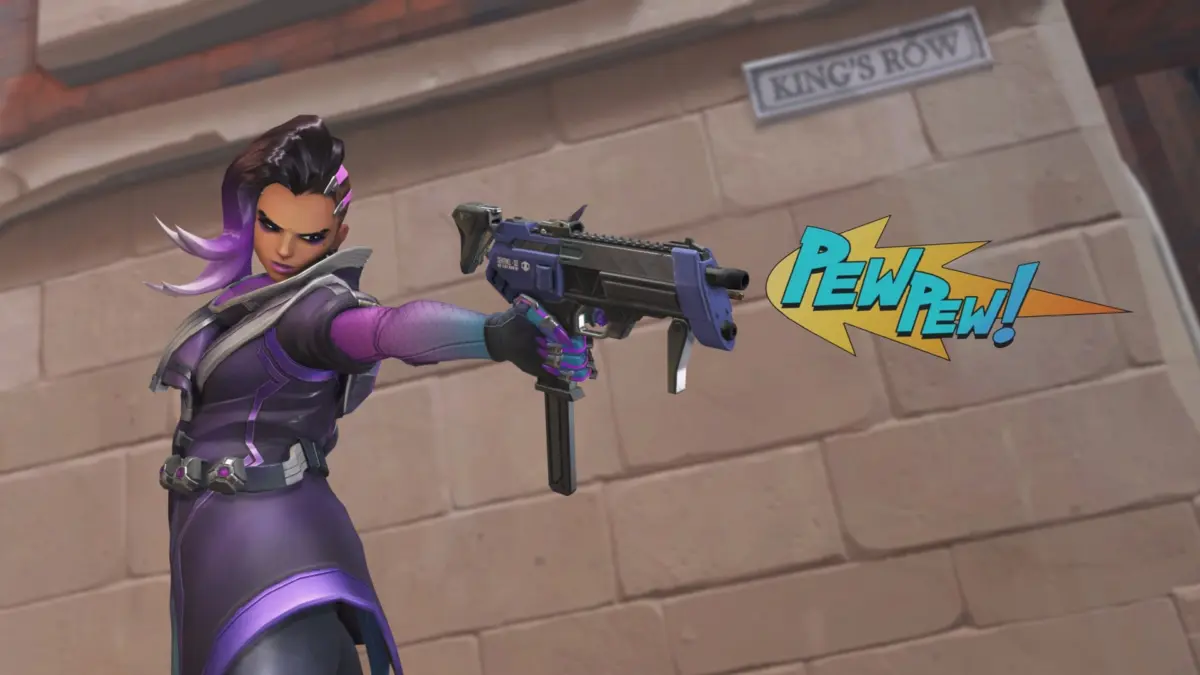
Unveiled during the marquee announcements at BlizzCon, Blizzard Entertainment confirmed that the dynamic duo would once again be subjected to sweeping reworks heading into Season 5. While Roadhog’s adjustments—highlighted by the inclusion of a functional shield-like mechanic dubbed "Trash Compactor"—have been met with cautious optimism, Sombra’s radical overhaul has sent shockwaves through the community. Most notably, Sombra is transitioning away from her traditional Damage (DPS) categorization to take on a brand-new role as a Support hero.
This structural shift has ignited fierce debates across competitive forums, social media channels, and content-creator streams. While her core signature mechanics—including her primary fire, EMP ultimate, and translocator ability—remain intact, her newly introduced passive abilities and healing utilities fundamentally alter how she must be played. Purists mourn the loss of a classic flanker, while critics worry about the psychological baggage Sombra carries into her new support class. Yet, as history proves with past reworks like Doomfist and Symmetra, structural change in Overwatch is rarely a smooth transition. This report explores the nuances of the BlizzCon reveals, the mechanics of the reworked kits, the community’s turbulent reaction, and what the future holds as players grapple with a fundamentally transformed meta.
Detailed Chronology: The Road to the BlizzCon Reworks
The journey toward the Season 5 reworks did not happen in a vacuum. It is the culmination of years of player feedback, professional esports meta-analysis, and Blizzard’s ongoing struggle to balance individual player agency with team-oriented composition strategies.
The Historical Context of Sombra and Roadhog
Since the days of the original Overwatch, Roadhog and Sombra have occupied unique spaces in the psychological landscape of the player base. Roadhog, the hulking post-apocalyptic enforcer, has always balanced on a razor’s edge defined by his "Hook-and-Cook" combo. For years, the ability to instantly pull an enemy out of position and secure a one-shot kill dictated whether tank players felt utterly helpless against him or wholly reliant on him. Similarly, Sombra’s kit—centered around stealth, hacking, and disruption—has historically made her the ultimate anti-carry. She punishes uncoordinated teams ruthlessly, earning her legendary status as one of the most frequently banned and loudly complained-about heroes in competitive matchmaking.
The BlizzCon Reveal (September 2026)
Anticipation reached a fever pitch at BlizzCon when the Overwatch development team took the stage to outline the roadmap for the upcoming seasonal updates. Amid announcements of new heroes and map rotations, the spotlight quickly turned to the promised reworks.
- Roadhog’s Defensive Buff: Blizzard showcased Roadhog’s updated toolkit, designed to give the Tank hero better space-creation tools beyond simple health pooling and self-healing. The centerpiece of this update is "Trash Compactor," an ability functioning as a de facto mobile shield, allowing Roadhog to protect his team while maintaining his aggressive frontline presence.
- Sombra’s Radical Role Shift: The true bombshell of the presentation was the revelation that Sombra would be moving from the Damage roster to the Support category. Accompanied by a preview trailer and developer commentary, the community caught its first glimpse of a support-oriented hacker designed to bolster ally survival and manipulate team engagements from a fundamentally different perspective.
Community Immediate Reaction and Beta Testing Phase
Immediately following the presentation, social media platforms erupted. Clips of the new kits circulated rapidly on X (formerly Twitter) and Reddit, sparking intense discourse. While initial testing phases for Season 5 gave high-level players and content creators hands-on experience with the changes, the public’s apprehension remained palpable. The friction between how the developers intended the new Sombra to be played and how veteran Sombra mains instinctively wanted to play her set the stage for one of the most volatile transition periods in the game’s recent history.
Supporting Context & Metrics: Analyzing the Kits and Community Sentiment
To truly understand why the BlizzCon announcements caused such a stir, one must examine the mechanical adjustments themselves, alongside the data-driven realities of how Overwatch players interact with the game’s meta.
Roadhog’s Refinement: Turning a Solo Threat into a Team Asset
Roadhog’s historical flaw has always been his isolationist playstyle. He fed enemy ultimate charge, relied heavily on landing his hook to contribute, and offered zero barrier protection for his squishy backline teammates.
- The "Trash Compactor" Mechanic: By introducing a deployable, shield-like component to his kit, Blizzard has attempted to bridge the gap between "off-tank" brawler and traditional frontline protector. This allows Roadhog to dictate engagements not just by securing picks, but by actively mitigating incoming enemy fire and carving out safe corridors for his team to advance.
- Sustain and Survivability: Alongside his new defensive utility, adjustments to his Take a Breather ability ensure he remains a formidable tanky presence, though tuned to discourage the oppressive solo-flanking loops of the past.
Sombra’s Support Metamorphosis
Moving Sombra to the Support role represents one of the boldest character design pivots in Overwatch 2 history. Her core identity as a stealth infiltrator has been partially preserved, but her functional purpose has completely flipped.
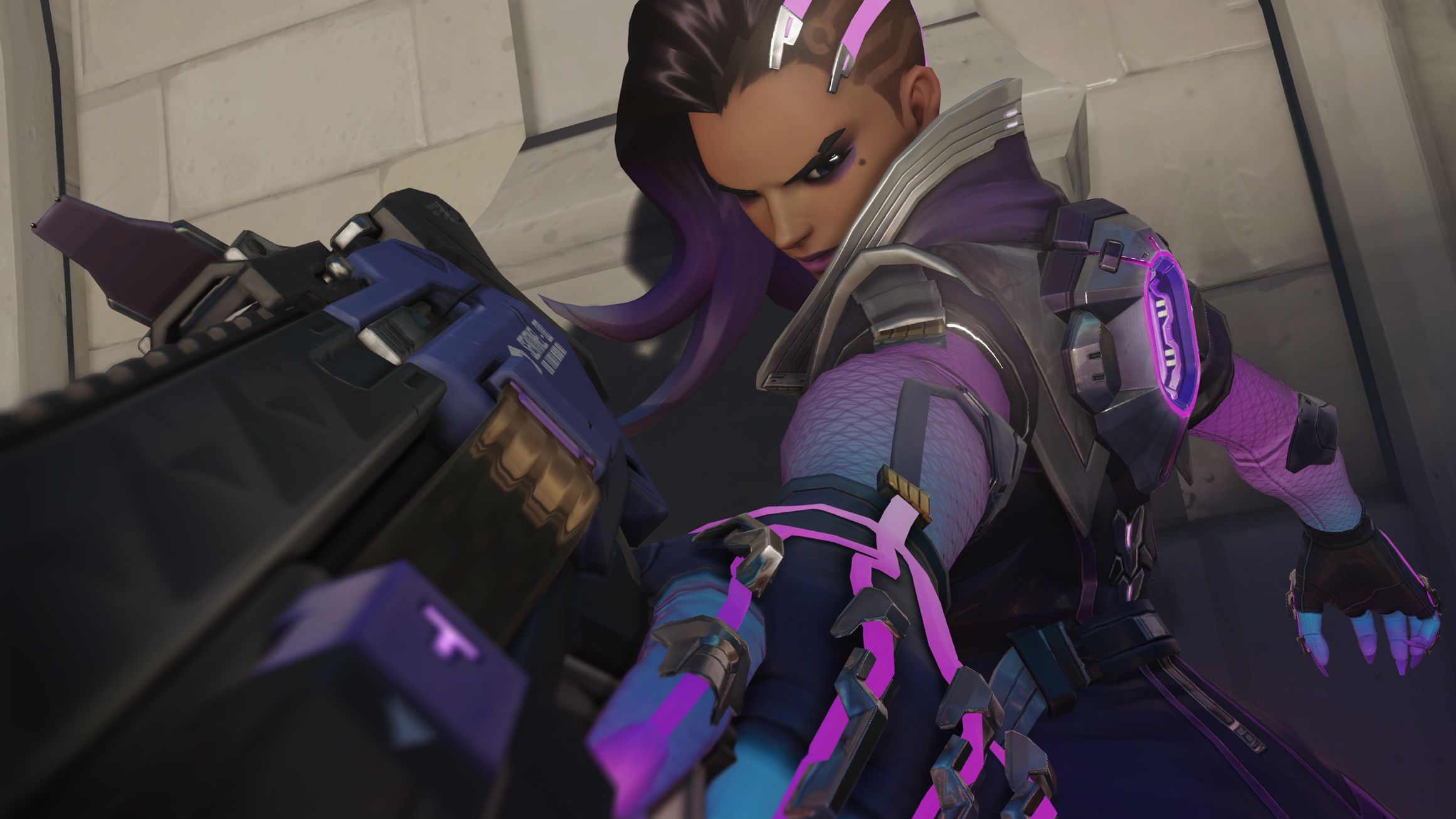
| Ability / Feature | Status in Reworked Kit | Functional Impact |
|---|---|---|
| Primary Fire | Intained | Retains her reliable submachine gun tracking for self-defense and finishing off low-health targets. |
| EMP (Ultimate) | Intained | Still serves as the ultimate team-fight initiator, stripping barriers and silencing enemy abilities. |
| Translocator | Intained | Allows for rapid repositioning, though its use-case shifts from aggressive spawn-camping to tactical retreat and support alignment. |
| Hacking Mechanics | Adjusted | No longer able to easily hack heroes out of their active ultimates in the same disruptive fashion, placing more emphasis on EMP timing. |
| New Support Passives & Utilities | Added | Focus on healing facilitation, ally damage boosting, and localized team sustain, forcing a shift away from pure solo flanking. |
The Psychological Barrier: Stubbornness and Public Image
The core issue facing Sombra’s transition is not necessarily balance—though balancing a support with stealth capabilities is inherently delicate—it is human psychology.
- Ingrained Matchmaking Biases: For years, lower- and mid-tier competitive players have harbored a deep-seated animosity toward Sombra. High ban rates and vocal frustration have cemented her public image as a "fun-ruiner." Even with a complete kit overhaul, the psychological stigma associated with her character model will likely take months of meta-stabilization to wash away.
- The "DPS Joyride" Phenomenon: Perhaps the most pressing concern raised by veteran analysts is the temptation for players to pilot Support Sombra like a traditional DPS flanker. In ranks below Master, support players who abandon their team to hunt down enemy healers across the map often justify their absence as "creating space" or "distracting the enemy." In reality, a support’s primary mandate—alongside enabling kills—is team sustain. A Sombra lingering on the enemy’s doorstep while her own Ana and Kiri perish on the objective creates a recipe for repeated match failures.
Official Statements and Developer Philosophy
Blizzard’s design philosophy behind these sweeping changes points toward a broader ambition: breaking stagnant hero loops and fostering more dynamic team compositions.
During the BlizzCon deep-dive panel, lead hero designers emphasized that no character should remain permanently chained to a niche that makes them either universally hated or entirely unviable. Addressing Roadhog, developers noted that giving a brawler tank actual team-mitigation tools was essential for modern Overwatch 2 5v5 team dynamics, where solo-tanking places immense pressure on a single player to protect their entire roster.
Regarding Sombra’s transition to the Support roster, the development team acknowledged the high degree of risk involved. However, they framed the move as an innovative way to utilize stealth and utility mechanics in a supportive capacity. By shifting her focus from pure elimination to tactical disruption and ally facilitation, Blizzard hopes to turn a historical outlier into a healthy, foundational pick. They noted that heroes like Doomfist and Symmetra—both of whom underwent massive, controversial role and kit shifts in the past—eventually found stable, respected places within the community’s muscle memory. The team expressed confidence that, through iterative tuning and player adaptation, Sombra will similarly settle into her new identity.
Future Outlook: Growing Pains and the Road Ahead for Season 5
As the Overwatch community braces for the launch of Season 5, the overarching sentiment is one of anxious anticipation. Change in a live-service competitive game is inherently disruptive, and the Roadhog and Sombra reworks are shaping up to be some of the most volatile adjustments the game has seen.
Short-Term Turbulence vs. Long-Term Stability
In the immediate aftermath of the patch rollout, matches are expected to be chaotic. Players experimenting with Sombra’s new support mechanics will inevitably misjudge positioning, leading to frustrated teammates and frantic matches. Flanker mains accustomed to hunting down specific targets like Widowmaker will feel the sting of losing a versatile DPS option, even if characters like Tracer can still adequately fill those shoes.
Furthermore, the community’s stubborn resistance to Sombra’s historical reputation means she will likely face a barrage of unjustified bans and premature complaints before players truly understand her new win-conditions and team synergies.
The Evolution of the Meta
Over time, however, these initial growing pains are expected to subside. Just as the community adapted to the seismic shifts of Doomfist transitioning from DPS to Tank, and Symmetra shifting through multiple utility iterations, muscle memory and meta-understanding will take over.
If balanced correctly, Support Sombra could pioneer a brand-new archetype of aggressive, information-gathering support play that rewards map awareness and tactical coordination. Simultaneously, Roadhog’s inclusion of the "Trash Compactor" shield mechanic may finally grant him the holistic utility needed to secure a stable, healthy spot in competitive play without relying on oppressive one-shot mechanics.
Ultimately, the success of these reworks rests in the hands of the players. While the road through Season 5 will undoubtedly feature bumpy matches, fiery forum debates, and plenty of competitive salt, the evolution of Overwatch depends on this exact willingness to break the mold and reinvent its most iconic outcasts.






Belum ada komentar. Jadilah yang pertama berkomentar!