

Executive Overview
The landscape of iOS software distribution within the European Union continues to evolve at a rapid pace. Following regulatory mandates that forced Apple to open its walled garden to third-party app marketplaces and alternative sideloading mechanisms, developers and entrepreneurs have steadily chipped away at the tech giant’s traditional monopoly. The latest entrant to this burgeoning ecosystem is Skich, a well-known mobile game discovery platform that has officially launched its own dedicated App Marketplace for iOS users across the EU.
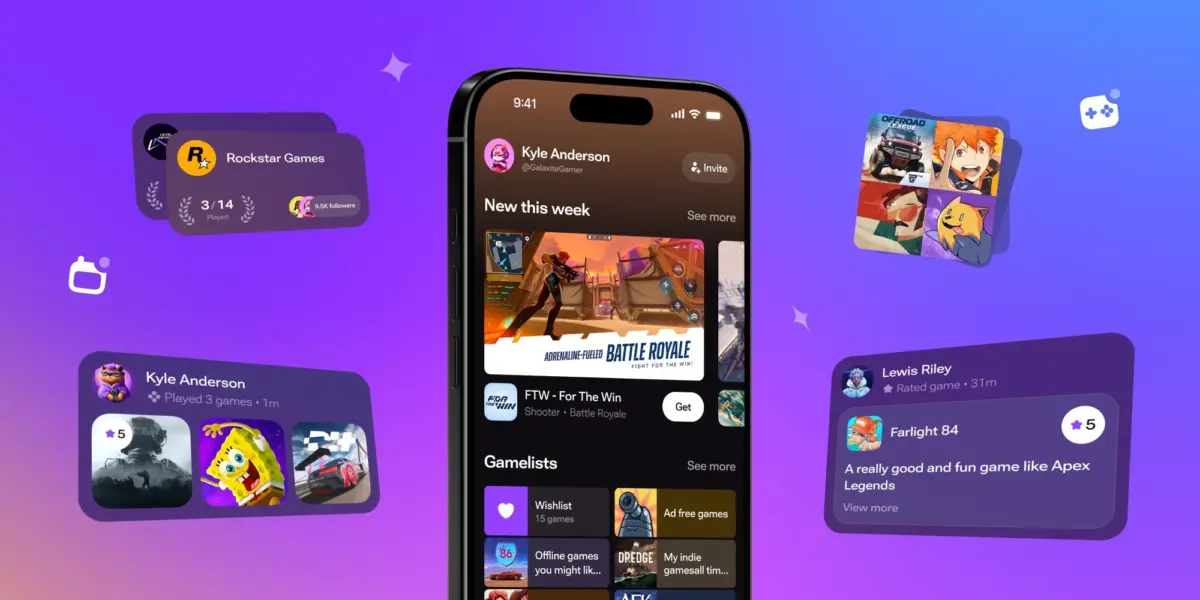
Designed specifically to tackle the perennial industry challenges of game discoverability and developer visibility, the newly minted Skich Store offers a refreshing alternative to the traditional Apple App Store. By leveraging a hyper-granular genre classification system—boasting more than 240 distinct game categories—and introducing a gamified, dating-app-style "swipe-to-discover" interface, Skich is attempting to fundamentally redefine how mobile gamers find their next digital obsession.
However, this innovative marketplace arrives against a complex backdrop of regulatory scrutiny, developer friction regarding Apple’s alternative business terms, and the inherent geographic limitations imposed by European Union legislation. This report provides a comprehensive analysis of the Skich Store’s launch, the mechanics of its platform, the broader implications for the EU iOS ecosystem, and what the future holds for alternative app marketplaces on Apple devices.
Detailed Chronology: The Road to Alternative iOS Marketplaces
To fully understand the significance of Skich’s new marketplace, it is essential to trace the legislative and technological timeline that made its existence possible.
The Regulatory Catalyst: The Digital Markets Act (DMA)
For over a decade and a half, Apple’s App Store served as the absolute, mandatory gateway for all software distribution on iOS and iPadOS devices. Developers had no choice but to adhere to Apple’s stringent review guidelines, pay commissions ranging from 15% to 30% on digital goods and services, and accept Apple’s absolute control over user acquisition and billing.
This paradigm shifted dramatically on March 7, 2024, when the European Union’s Digital Markets Act (DMA) officially came into force. Designated as a "gatekeeper" under the DMA, Apple was legally compelled to open iOS to alternative app stores, alternative browser engines, and interoperability features within the 27 member states of the EU.
The Initial Wave of Alternatives
In the immediate wake of the DMA’s implementation, the tech industry watched closely to see which companies would dare to challenge Apple on its home turf. Early pioneers like Epic Games—fresh off a protracted global antitrust legal battle with the iPhone maker—announced plans to launch the Epic Games Store, bringing titles like Fortnite back to iOS users in the EU. Other independent marketplaces, such as AltStore PAL, emerged to cater to emulation enthusiasts, indie developers, and power users who craved greater device freedom.

Despite these high-profile launches, the growth of alternative marketplaces has faced significant hurdles. Developers frequently cite Apple’s complex alternative business terms—including the controversial Core Technology Fee (CTF)—as financial deterrents. Furthermore, the average consumer remains largely habituated to the default Apple App Store, meaning alternative stores must offer unique, compelling value propositions to convince users to navigate the multi-step installation process required for sideloading.
Skich Steps into the Arena
Recognizing the friction inherent in traditional app discovery, Skich—originally launched as a conventional game discovery app available globally on the standard App Store—decided to take the next logical step. Rather than remaining merely a recommendation engine pointing users back to Apple’s catalog, Skich leveraged the EU’s regulatory framework to build a native, end-to-end distribution channel.
The launch of the Skich Store marks a pivotal maturation phase for the EU sideloading ecosystem: shifting the focus away from general-purpose utility or epic legal showdowns, and moving toward hyper-niche, verticalized marketplaces tailored to specific entertainment sectors.
Supporting Context & Metrics: Solving the Discoverability Crisis
The modern mobile gaming market is suffering from an acute visibility crisis. With millions of applications fighting for attention across mobile app stores, traditional discovery mechanisms are increasingly broken.
The Scale of the Problem
According to internal data cited by Skich, mobile gamers frequently experience decision fatigue. Navigating the standard Apple App Store or Google Play Store often feels like searching for a needle in a digital haystack. Recommendations are frequently driven by paid advertising, algorithmic top-chart dominance, and editorial curation that favors massive publishing houses over independent indie creators.
For developers—particularly small-to-mid-sized studios—acquiring organic users has become exponentially more expensive and difficult. High user acquisition costs (UAC) combined with low organic visibility mean that brilliant games frequently launch to virtual crickets.
Skich’s Data-Driven Solutions
To combat these structural flaws, the Skich Store introduces two core architectural innovations:

- Hyper-Granular Taxonomy: While the standard Apple App Store categorizes games into a relatively narrow set of broad genres (e.g., Action, Puzzle, RPG), the Skich Store categorizes titles across more than 240 distinct game genres. This 14-fold increase in categorization granularity allows players with ultra-specific tastes—whether they are looking for tactical turn-based cyberpunk rogue-lites or cozy farming simulators with multiplayer trading—to pinpoint titles that match their exact psychological and mechanical preferences.
- Gamified Discovery (The "Tinder for Games" UI): Abandoning the traditional, sterile grid layout of legacy app stores, Skich has implemented a swipe-based recommendation interface inspired by modern dating applications. Users are presented with rich visual cards, trailers, and screenshots of mobile games. Swiping right saves a title to the user’s personal "Want to Play" list, while swiping left skips it. The platform’s underlying recommendation algorithm learns from these inputs in real time, continuously refining future suggestions.
Social Integration and Cross-Platform Synergy
Beyond isolated browsing, the Skich Store emphasizes social connectivity. The platform allows users to view what their friends are currently playing, share curated lists, and read peer recommendations.
Crucially, Skich has designed its ecosystem not as an isolated silo, but as a holistic discovery engine. In addition to housing games directly distributed through the Skich Store, the application also surfaces titles available exclusively on Apple’s official App Store. This hybrid approach ensures that developers gain valuable exposure regardless of whether their game is downloaded via sideloading or through traditional channels.
Official Statements and Platform Mechanics
The rollout of the Skich Store represents a masterclass in adapting consumer software products to changing regulatory environments.
Accessibility and Geographic Restrictions
Because the Skich Store operates as a true alternative app marketplace utilizing the technical APIs mandated by the EU’s Digital Markets Act, its distribution model is subject to strict regional boundaries:
- For EU Users: iPhone and iPad owners residing within the European Union can download the Skich Store directly by visiting the platform’s official website (skich.app). Once installed, the marketplace grants direct access to third-party game downloads and sideloading features.
- For Global Users: The original Skich game-discovery application remains fully functional and accessible worldwide via the standard Apple App Store. However, global users will not be able to download applications directly from the new Skich Marketplace due to Apple’s refusal to roll out alternative marketplace infrastructure outside of regions compelled by antitrust legislation.
Industry Implications for Developers
By providing an alternative channel that bypasses some of the traditional friction points of Apple’s walled garden, Skich is positioning itself as an ally to game creators. Independent developers who have long complained about the 30% commission standard and opaque algorithmic curation now have another outlet to reach hyper-targeted audiences without getting drowned out by multi-billion-dollar franchise marketing budgets.
Furthermore, Skich’s dual-track approach—serving both as an alternative marketplace and as an aggregator for the official App Store—mitigates the risk of user fragmentation. Developers do not necessarily have to port their entire infrastructure to the Skich Store to reap the benefits of its advanced discovery engine; simply being indexed by Skich’s recommendation algorithm provides a valuable organic boost.
Future Outlook: What Next for EU Sideloading and Skich?
As the dust settles on the initial wave of EU-mandated compliance, the long-term viability of alternative app marketplaces like Skich remains an open question with significant industry stakes.

Regulatory Pressures on Apple
The European Commission continues to closely monitor Apple’s compliance with the Digital Markets Act. Regulatory bodies are currently evaluating whether Apple’s alternative business terms—such as the aforementioned Core Technology Fee and the restrictions placed on web-based distribution—undermine the spirit of the law. Should the EU levy substantial fines or force Apple to further loosen its grip, the operational friction for marketplaces like Skich could decrease significantly, paving the way for a more robust multi-store economy on iOS.
Expansion Potential
While Skich is currently restricted to the EU for its marketplace features, the company’s hybrid discovery model provides a blueprint for global expansion. If regulatory pressure mounts in other major economic blocs—such as the United States, Japan, or the United Kingdom—similar antitrust measures could compel Apple to open sideloading on a global scale. In such a scenario, Skich would be perfectly positioned to scale its marketplace infrastructure internationally overnight.
The Consumer Habit Challenge
Ultimately, the success of the Skich Store—and indeed, all alternative iOS marketplaces—hinges on changing entrenched consumer habits. The vast majority of iPhone and iPad users are deeply accustomed to tapping the blue App Store icon to fulfill all their software needs. To persuade users to visit a third-party website, download a profile, authorize sideloading, and trust a new vendor, alternative stores must offer an experience that is demonstrably superior to the status quo.
By focusing on a passionate, underserved demographic (mobile gamers seeking niche genres) and solving a universally frustrating problem (game discoverability), Skich has crafted a compelling value proposition. Whether this gamified, swipe-to-discover approach is enough to crack Apple’s formidable ecosystem defenses will serve as a vital bellwether for the future of mobile software distribution in the years to come.







Belum ada komentar. Jadilah yang pertama berkomentar!