In the fast-paced ecosystem of digital content creation, few currencies are as valuable—or as fiercely contested—as the digital verification badge. For creators, artists, and prominent public figures, the small checkmark or symbol next to a channel name represents institutional recognition, security against malicious impersonators, and a badge of honor earned through years of consistent output.
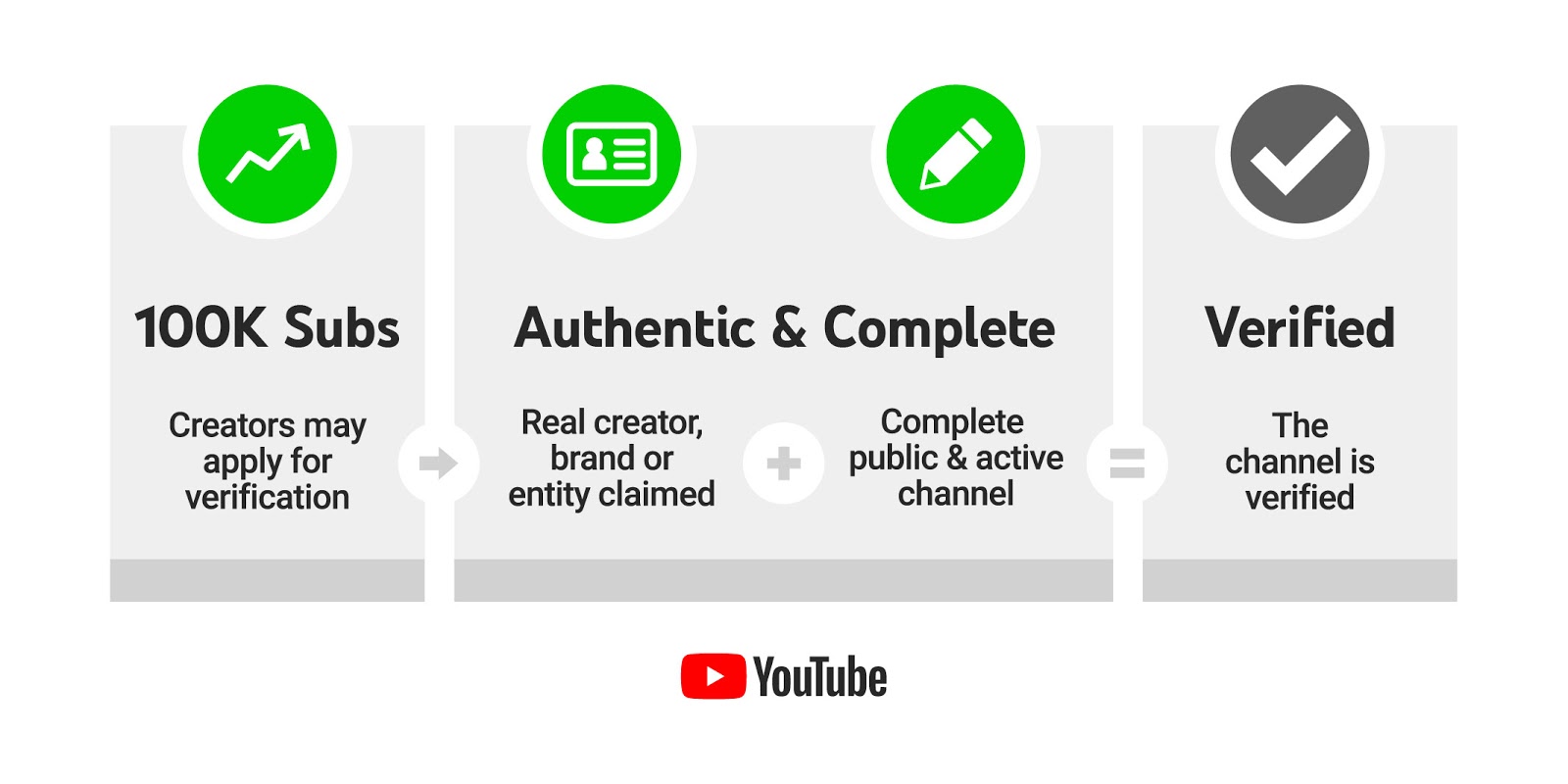
However, platform governance is rarely a straightforward path. In September 2019, video-sharing giant YouTube found itself at the epicenter of a massive community backlash after attempting a sweeping, unvetted overhaul of its channel verification program. Driven by internal data pointing to widespread user confusion over the badge’s true meaning, YouTube initially announced plans to strip verification statuses from hundreds of thousands of established creators. The justification? To pivot the badge from an indicator of milestone achievement (surpassing 100,000 subscribers) to a strict security measure denoting institutional authenticity.
The fallout was immediate, fierce, and unrelenting. Creators large and small took to social media to voice their outrage, arguing that stripping long-held verifications would expose them to increased impersonation, diminish their authority, and alienate the very community that built the platform.
Faced with a swift and severe public relations crisis, YouTube leadership executed a rare and humiliating about-face within 24 hours. Acknowledging that they had "completely missed the mark," the platform rescinded its plan to strip existing verified channels of their badges, preserved the traditional 100,000-subscriber eligibility threshold for applications, and postponed its controversial redesign until the following year.
This comprehensive report examines the anatomy of the 2019 YouTube verification crisis. We explore the rationale behind YouTube’s initial policy misstep, the mechanics of the backlash, the rapid policy reversal, and the long-term implications of platform governance in the modern creator economy.
Detailed Chronology: The 24 Hours That Shook the Creator Economy
To understand the magnitude of the September 2019 YouTube verification controversy, one must examine the rapid, almost dizzying sequence of events that unfolded over the course of two days, turning a routine platform policy update into a full-scale crisis.
On September 19, 2019, YouTube published a blog post outlining major changes to its verification program. The stated goal was twofold: to protect creators from rampant impersonation and to resolve widespread user confusion regarding the badge’s significance. According to YouTube’s internal metrics, nearly a third of platform users misunderstood the checkmark, incorrectly associating it with an editorial "endorsement of content" rather than a neutral indicator of verified "identity."
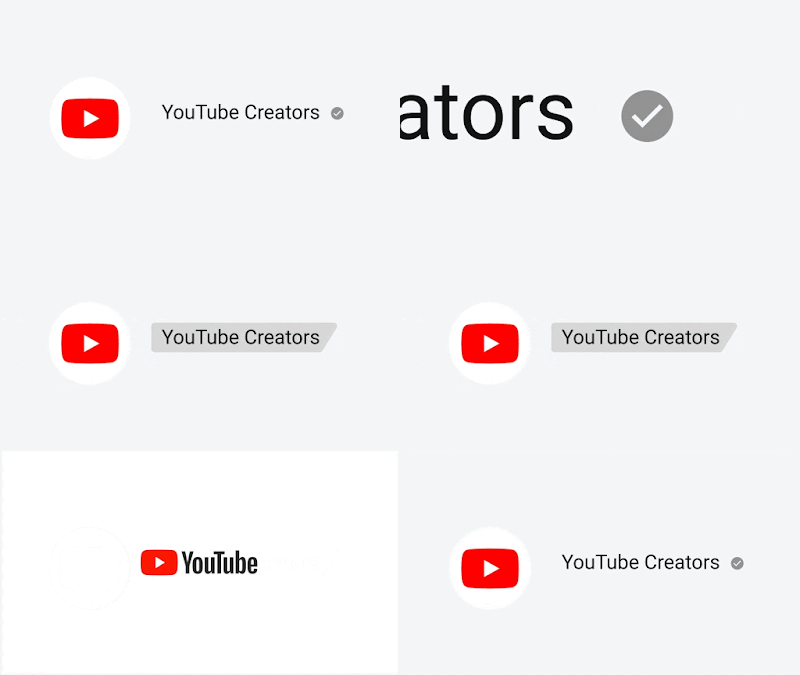
To remedy this, YouTube announced a complete redesign of the verification badge—moving away from the universal checkmark toward a new, highly stylized look tailored to specific categories like creators, public figures, and official music artists. More drastically, the platform altered its eligibility criteria. Under the old rules, any channel that crossed the 100,000-subscriber milestone was automatically eligible to apply for verification. The new policy abandoned this milestone-based approach entirely, opting instead for a subjective review process focusing on "prominent channels that have a clear need for proof of authenticity."
Crucially, the policy implied that existing verified channels—including hundreds of thousands of creators who had earned their badges under the old 100,000-subscriber rule—would be re-evaluated under the harsh new criteria. For many, this meant their hard-earned verification badges were suddenly on the chopping block.
The Immediate Backlash
The response from the creator community was instantaneous and overwhelmingly negative. Within hours of the announcement, trending topics on Twitter were dominated by frustrated YouTubers sharing screenshots of notification emails stating they would lose their verified status.
Smaller and mid-tier creators, who form the backbone of YouTube’s diverse content ecosystem, felt particularly targeted and undervalued. Many argued that the removal of their verification badges would embolden copycat channels, make it easier for scammers to impersonate them, and erode viewer trust. High-profile creators with millions of subscribers publicly criticized the platform for failing to consult content producers before enacting such radical structural changes.
The sentiment across the creator community was unified: YouTube was solving a problem that didn’t exist for creators while creating a massive, chaotic security vulnerability for thousands of channels.
Day Two: The Rapid U-Turn and Apology
Realizing the severity of the miscalculation, YouTube leadership acted with unprecedented speed. Less than 24 hours after the initial announcement, on the afternoon of September 20, 2019, the platform issued a formal update bearing a tone of genuine contrition.
"While rolling out improvements to this program, we completely missed the mark. We’re sorry for the frustration that this caused and we have a few updates to share."
In this subsequent update, YouTube made major concessions:
Grandfathering Existing Channels: Channels that already possessed a verification badge were permitted to keep it, bypassing the need to appeal or undergo retroactive scrutiny.
Restoring the Subscriber Threshold: YouTube reaffirmed that channels with over 100,000 subscribers would remain eligible to apply for verification when the application process reopened in late October 2019.
Delaying the Redesign: Recognizing that simultaneous changes to criteria, rules, and visual assets were causing unnecessary confusion, the platform postponed the rollout of the new badge designs to the following year.
The swift capitulation successfully defused the immediate crisis, but it left lingering questions regarding how such a flawed policy ever made it out of the planning stages.
Supporting Context & Metrics: Why YouTube Tried to Change
While YouTube’s execution was widely criticized, the underlying problems the platform was trying to solve were genuine, complex, and deeply rooted in the structural evolution of the website.
The Scale of Impersonation
By 2019, YouTube had grown into a sprawling digital metropolis hosting billions of hours of video content. With this unprecedented growth came an explosion of bad actors. According to platform disclosures, YouTube received tens of thousands of complaints every year from creators whose identities were being hijacked by malicious impersonators.
These bad actors routinely created duplicate channels using identical profile pictures, handles, and branding to deceive viewers, scam fans out of cryptocurrency, or siphon off ad revenue. For a platform relying on user trust, unchecked impersonation represented an existential threat to its brand equity.
The Misunderstood Checkmark
Compounding the security challenge was a fundamental communication failure regarding what the verification badge actually meant. In the early days of YouTube, verification was scarce and heavily restricted to major media networks, public figures, and elite creators. However, as the platform democratized the process by opening applications to any channel crossing the 100,000-subscriber threshold, millions of channels became verified.
User research conducted by YouTube revealed a startling disconnect:
Identity vs. Endorsement: Nearly 33% of surveyed YouTube users believed that a verified checkmark meant YouTube actively endorsed or recommended the content hosted on that channel.
The Trust Trap: Viewers frequently used the checkmark as a shorthand for quality assurance, assuming that unverified channels were inherently less reliable or amateurish, regardless of their production value or factual accuracy.
This widespread misconception placed an unfair burden on YouTube. When a verified channel published controversial, misleading, or harmful content, viewers often held the platform morally accountable, assuming YouTube was endorsing the video simply because of the checkmark next to the creator’s name.
The Shift Toward Granular Authentication
YouTube’s proposed 2019 framework attempted to transition the platform away from a quantitative metric (subscriber count) toward a qualitative assessment of institutional risk and public prominence. While the intent—protecting genuine public figures and high-risk entities from impersonation—was sound, the methodology relied on subjective evaluation criteria that alienated the very creators who had invested years into growing the platform.
Official Statements & Platform Governance Insights
The 2019 verification debacle serves as a classic case study in corporate communication and stakeholder relations within the tech industry. It highlights the inherent friction between platform-level risk management and creator-level community empowerment.
The Anatomy of a PR Recovery
In its post-mortem communication, YouTube leadership demonstrated a textbook approach to crisis management through transparency and accountability. Key takeaways from their official statements included:
Direct Ownership of Failure: Rather than deflecting blame or hiding behind corporate jargon, YouTube openly admitted, "we completely missed the mark." This direct acknowledgment disarmed hostile critics and established a baseline of sincerity.
Listening to Community Feedback: The rapid pivot underscored the real-world influence of the creator lobby. When millions of users and thousands of prominent channels speak in unison, even a multi-billion-dollar subsidiary of Alphabet Inc. is forced to re-evaluate its roadmap.
Balancing Security and Accessibility: YouTube’s revised stance acknowledged a fundamental truth of creator economies: arbitrary hurdles that penalize established contributors destroy community morale. Security measures must be designed to protect creators, not punish them.
Future Outlook: The Evolution of Digital Trust
The events of September 2019 left a permanent mark on how YouTube approaches platform governance, identity verification, and creator relations. As the digital landscape continues to evolve—particularly with the rise of generative artificial intelligence, deepfakes, and automated content generation—the mechanics of digital trust are more critical than ever.
Modern Challenges in Content Authentication
Today, verification programs across social media platforms (including YouTube, Meta, and X) face escalating threats that go far beyond basic impersonation. Key future considerations include:
AI-Generated Impersonation: With advanced voice cloning and deepfake video technology, bad actors can now impersonate creators with terrifying realism, making visual and auditory authentication insufficient.
The Monetization of Trust: As platforms introduce paid verification tiers (such as YouTube’s integration with subscription models and memberships), the line between security authentication and commercial status symbols has become increasingly blurred.
Global Scale and Equity: Ensuring fair, transparent, and accessible verification processes for creators across diverse global markets, languages, and cultural contexts remains an ongoing challenge for centralized platform moderators.
Conclusion
YouTube’s 2019 verification crisis stands as a cautionary tale of algorithmic and policy overreach. It demonstrated that while tech platforms possess immense power to restructure their digital environments, sustainable governance requires a delicate balance between institutional risk mitigation and deep respect for the community that breathes life into the ecosystem. By listening to its creators, owning its mistakes, and recalibrating its approach, YouTube ultimately reinforced the reality that a platform is only as strong as the creators who call it home.




Belum ada komentar. Jadilah yang pertama berkomentar!