

Executive Overview
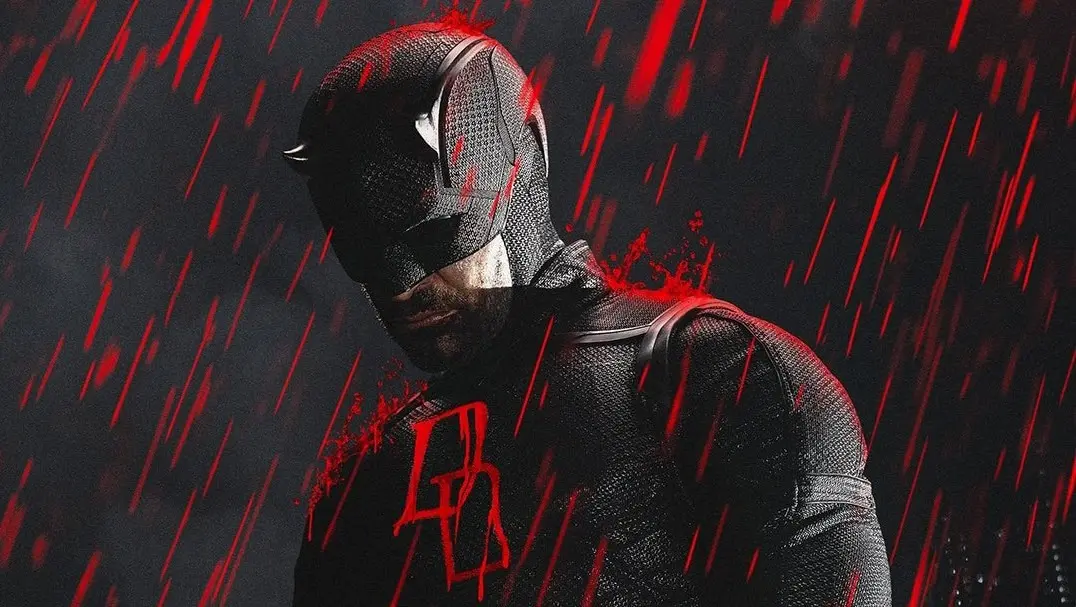
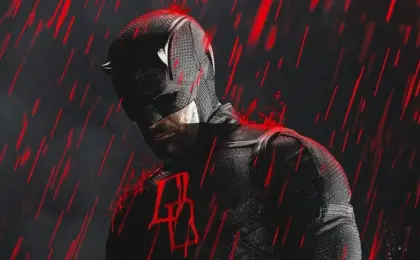
In a development that has sent seismic shockwaves through the fandom and the broader entertainment industry, Marvel Studios has officially announced that the critically acclaimed Disney+ series Daredevil: Born Again will conclude with its upcoming third season. The news, first broken by The Hollywood Reporter, marks a bitter pill to swallow for enthusiasts of the Man Without Fear. It brings a definitive, albeit premature, close to a television saga that bridged the gap between Netflix’s gritty street-level corner of the Marvel Cinematic Universe (MCU) and Disney’s sprawling, interconnected multimedia empire.
Production on the third and final season wrapped quietly over the summer, and the project is currently winding its way through post-production. However, the production transition has not been entirely smooth. Marvel Studios has parted ways with showrunner Dario Scardapane, opting not to renew his contract. While industry insiders note that the season is already in its final stages of completion, Scardapane’s sudden departure leaves a lingering question regarding who will officially shepherd the project across the finish line.
This cancellation is not an isolated incident; rather, it forms a core component of a broader, aggressive corporate strategy. Disney and Marvel Studios are actively scaling back their television output, re-evaluating budgets, and trimming fat from an ecosystem that has arguably suffered from over-saturation. Despite its massive cultural footprint, the return of Matt Murdock and his allies is falling victim to a corporate pivot toward consolidation. As fans prepare for the final chapter, Daredevil: Born Again stands as both a triumphant resurrection and a casualty of the shifting economic realities of the modern streaming landscape.
Detailed Chronology: From Netflix Grittiness to Disney+ Conclusion
To fully understand the gravity of Daredevil: Born Again coming to a premature end, one must examine the tumultuous, decade-long journey of the franchise.
The Netflix Era and the Legacy of Hell’s Kitchen
The live-action legacy of Matt Murdock began in 2015 with the landmark Netflix series Daredevil, which ran for three acclaimed seasons. Starring Charlie Cox as the blind lawyer-turned-vigilante and Vincent D’Onofrio as the imposing crime lord Wilson Fisk (Kingpin), alongside Deborah Ann Woll as Karen Page, the show redefined what a comic book adaptation could look like. It offered a grounded, brutal, and emotionally resonant narrative style that captured the dark underbelly of New York City. Alongside companion series like Jessica Jones, Luke Cage, Iron Fist, The Punisher, and the crossover miniseries The Defenders, this corner of the MCU cultivated a fiercely loyal fanbase that championed its distinct tone.

When Disney reclaimed the rights to the characters and integrated them into the official MCU canon—culminating in appearances in projects like Spider-Man: No Way Home, She-Hulk: Attorney at Law, and Echo—fans rejoiced at the announcement of Daredevil: Born Again. Initially envisioned as a soft reboot, the series underwent a significant creative overhaul during its production cycle to honor the continuity and tone of the original Netflix run, bringing back key creative elements and beloved cast members.
The Arc of Born Again: Seasons One and Two
Across its first two seasons, Daredevil: Born Again evolved into a sweeping political and criminal drama. The core narrative tracked Wilson Fisk’s shocking ascension to the office of Mayor of New York City. Utilizing his immense political influence, unchecked power, and public-facing mandate, Fisk established a dedicated municipal task force specifically designed to hunt down and eradicate vigilantes, tightening his tyrannical grip on the five boroughs.
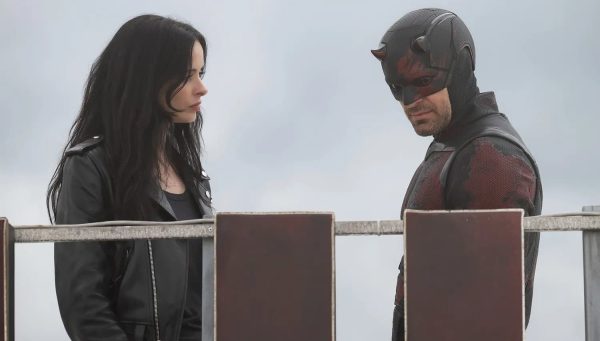
The series also systematically reintegrated the broader street-level MCU roster. The first season saw the explosive return of Jon Bernthal as Frank Castle (The Punisher), a guest turn that proved so popular it catalyzed the special event The Punisher: One Last Kill and paved the way for Bernthal’s appearance in Spider-Man: Brand New Day. By season two, Krysten Ritter (Jessica Jones) and Mike Colter (Luke Cage) stepped back into their iconic roles, enriching the canvas of Hell’s Kitchen.
Season two culminated in a high-stakes, explosive narrative climax. Daredevil and Karen Page successfully exposed Wilson Fisk, presenting airtight evidence that the mayor weaponized his political office to orchestrate and protect his vast criminal enterprise. In a daring move, Matt Murdock publicly revealed his true identity to the world, utilizing the legal system to impeach, expose, and ultimately arrest Fisk, driving the crime boss into exile.
However, heroic victories in the MCU rarely come without a devastating personal cost. By stripping away his mask in the public eye, Murdock immediately exposed himself to legal retribution. The season two finale closed with Murdock himself placed under arrest for his years of vigilante activities. He was subsequently remanded to a maximum-security prison—housing the very same corrupt cops, mobsters, and syndicate enforcers he had spent years putting away.

The Looming Climax of Season Three
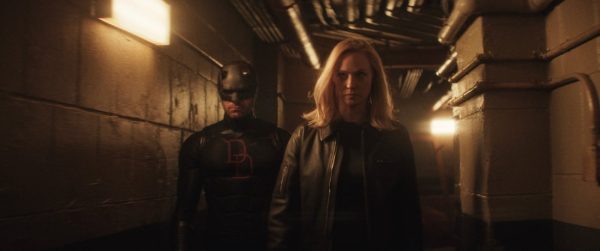
With Murdock locked behind bars and facing federal prosecution, the stage is set for an explosive final run. Season three, scheduled to premiere in 2027, will see the remaining members of the Defenders—including the returning Finn Jones as Danny Rand/Iron Fist, alongside Ritter and Colter—forced to step out of the shadows. They must protect a vulnerable New York City from the power vacuum left by Fisk’s exile, all while desperately attempting to mount a legal and tactical defense for Murdock as he awaits a hostile trial from the inside.
Supporting Context & Metrics: The Shifting Landscape of Marvel Television
The decision to shutter Daredevil: Born Again after just three seasons cannot be analyzed in a vacuum. It is a direct reflection of a sweeping strategic realignment at The Walt Disney Company and Marvel Studios under the leadership of Bob Iger and Kevin Feige.
The Streaming Correction and Budget Realignment
In the immediate aftermath of the COVID-19 pandemic and the frantic race to populate Disney+ with original content, Marvel Studios adopted a volume-heavy production strategy. Shows like WandaVision, The Falcon and the Winter Soldier, and Loki proved that serialized television could successfully drive subscription growth. However, the subsequent years exposed the financial unsustainability of producing multi-million-dollar cinematic events on weekly television schedules.
As Wall Street shifted its primary metric of streaming success from raw subscriber acquisition to sustained profitability, Disney enacted stringent cost-cutting measures. Marvel Studios was explicitly tasked with scaling back its television slate, focusing on quality over quantity, and reducing overall budgetary bloat. The abrupt cancellation of Daredevil: Born Again—despite its strong viewership metrics and near-universal acclaim—underscores that no property, regardless of its legacy or passionate fanbase, is immune to the corporate mandate for fiscal discipline.
The Curious Case of Wonder Man and the MCU Pipeline
The vulnerability of Marvel’s modern television slate is further illustrated by recent studio maneuvers surrounding other high-profile projects. Earlier this year, Marvel debuted Wonder Man to substantial critical praise. The series was swiftly renewed for a second season and went on to secure multiple prestigious Primetime Emmy nominations. Yet, in an unprecedented reversal, Disney and Marvel Studios subsequently walked back the renewal, canceling the series entirely despite its proven artistic and commercial viability.
With Daredevil: Born Again wrapping up in 2027 and Wonder Man prematurely cut short, the future roadmap for Marvel television looks remarkably sparse. As it stands, the sole remaining tentpole on the horizon is VisionQuest. Starring Paul Bettany in his return as the synthezoid Vision, the series serves as the narrative capstone to a sprawling thematic trilogy that commenced with WandaVision and continued through Agatha All Along. Beyond VisionQuest, the pipeline for live-action Marvel television is virtually empty, signaling a definitive end to the era of endless, interconnected streaming spinoffs.
Official Statements and Industry Reactions
The abrupt nature of the cancellation, combined with the mid-post-production departure of showrunner Dario Scardapane, has prompted intense speculation and commentary within the entertainment journalism sphere.
Industry analysts tracking the inner workings of Marvel Studios have pointed out that executive interference and contract non-renewals have historically signaled creative friction during final editorial phases. While Marvel representatives have maintained a measured silence regarding the exact catalyst for Scardapane’s exit, sources close to the production indicate that the parting of ways was amicable enough not to disrupt the final visual effects, sound mixing, and scoring processes.
Nevertheless, the creative community has expressed muted concern over the handling of established showrunners within the studio system. When a flagship series like Daredevil: Born Again loses its creative helmsman in the literal eleventh hour before lockdown, it raises valid operational questions about who is making the final narrative choices for the ultimate fate of Matt Murdock.
Cast members, while bound by strict non-disclosure agreements regarding the plot details of season three, have taken to social media to express their gratitude to the fanbase. Charlie Cox and Vincent D’Onofrio, whose professional chemistry has anchored the property for nearly a decade, have frequently emphasized in interviews that they treated every day on the Born Again set as a gift, given the miraculous nature of the character’s initial revival.
Future Outlook: What Lies Ahead for the Man Without Fear?
As the countdown begins to the 2027 premiere of Daredevil: Born Again Season 3, fans and industry observers are left to ponder the ultimate legacy of the character within the broader cinematic universe.
Will Matt Murdock remain shelved after his cinematic trial concludes, or will Kevin Feige find alternative avenues to integrate the character into future feature films? Given the immense marketability of Charlie Cox’s portrayal and his seamless integration into the cosmic and street-level tiers of the MCU, a permanent retirement from the cape and cowl seems unlikely. Characters of this magnitude rarely vanish forever; instead, they migrate.
For now, however, the streaming home of Hell’s Kitchen is closing its doors. Daredevil: Born Again will go down in history as a fascinating anomaly: a fan-resurrected streaming series that successfully reclaimed its gritty roots, expanded its scope to unite the fractured Defenders universe, and ultimately fell victim to the cold, calculating winds of corporate restructuring. When the final episode airs in 2027, viewers will not only be saying goodbye to a beloved iteration of a legendary hero, but also closing the book on an entire chapter of Marvel’s television history.





Belum ada komentar. Jadilah yang pertama berkomentar!