

Date: May 28, 2026
Source: Figure News Desk
Executive Overview
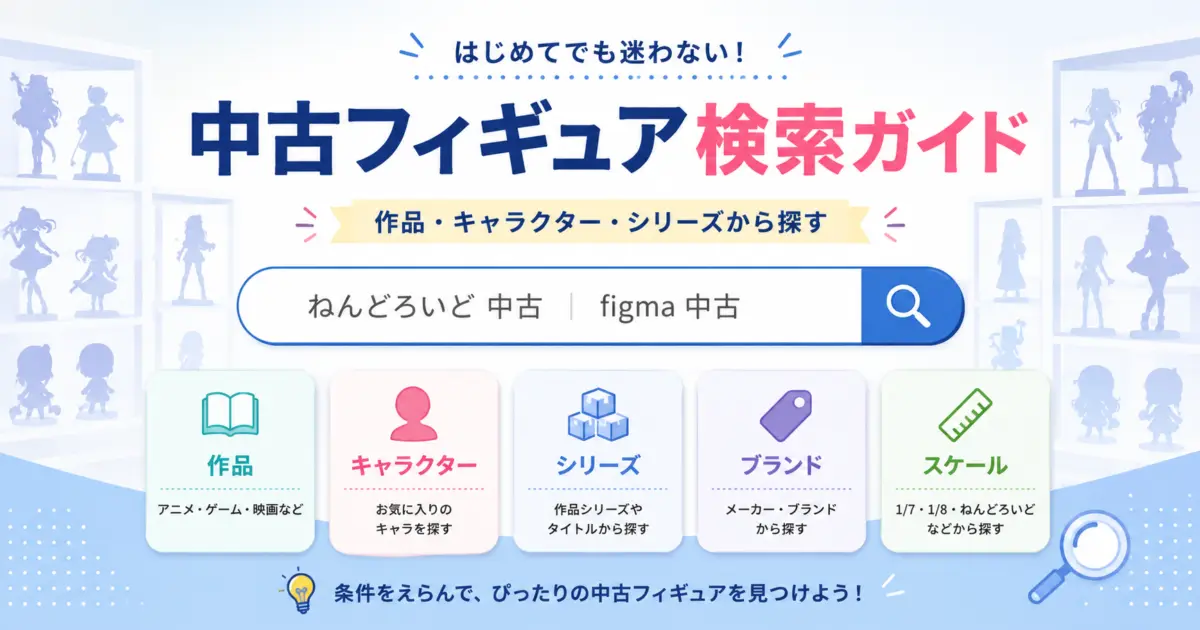
The global market for hobbyist merchandise has entered a transformative era, driven by a phenomenon that was once considered a niche corner of pop culture: the secondary figure market. While primary retail markets for anime figures, gaming memorabilia, and character scale models continue to experience robust growth, it is the resale, pre-owned, and vintage sectors that are truly capturing the attention of analysts, serious collectors, and institutional investors alike.
Recent data compiled across major resale platforms, digital marketplaces, and dedicated hobbyist forums reveals a striking trend: the demand for pre-owned figures has skyrocketed to unprecedented levels. Far from being viewed as "second-best," pre-owned collectibles are now celebrated for their availability, historical value, and, in many cases, their superior appreciation potential compared to newly minted releases.
This comprehensive report examines the underlying drivers of the secondary figure market boom, profiles the demographic shifts among collectors, analyzes the role of secondary verification platforms, and provides an authoritative outlook on the future of hobbyist asset valuation.
Detailed Chronology: How the Pre-Owned Market Scaled Global Heights
To understand the current valuation explosion in the secondary figure market, one must trace the evolution of hobbyist consumption over the past decade. What began as localized trading among hardcore enthusiasts on message boards and auction sites has matured into a sophisticated, highly digitized global economy.
Phase One: The Niche Trading Era (Early 2010s)
In the early days of online figure collecting, the secondary market was fragmented. Transactions relied heavily on peer-to-peer forums, social media groups, and localized auction sites like Yahoo! Auctions Japan. Trust was established through community reputation rather than institutional frameworks. Buyers faced significant risks regarding bootlegs, shipping damages, and fluctuating currency exchange rates.
Phase Two: Platform Professionalization (Mid-to-Late 2010s)
As the global popularity of anime and video game franchises surged, the sheer volume of manufactured merchandise overwhelmed traditional collectors. Dedicated resale platforms emerged, introducing professional grade authentication, standardized grading systems, and secure payment processing. This era saw the entry of casual fans into the secondary market, as platforms simplified the process of buying and selling rare items from overseas suppliers.
Phase Three: The Institutionalization and Asset Class Shift (2020s–Present)
Today, secondary figures are no longer viewed merely as toys or room decorations; they are increasingly treated as alternative asset classes. High-end manufacturers like Good Smile Company, Alter, and Megahouse produce limited runs that routinely sell out during their initial pre-order windows. Consequently, fans who miss out on primary releases are forced—and often eager—to turn to the secondary market. This pent-up demand has created hyper-liquid trading environments where rare scale figures command prices exponentially higher than their original retail values.
Supporting Context & Metrics: The Economics of Collectible Resale
The numbers underlying the secondary figure market tell a compelling story of supply, demand, and economic resilience. Market research indicates that the global anime merchandise sector—anchored heavily by character figures—is expanding at a compound annual growth rate (CAGR) that outpaces many traditional consumer goods categories.
Key Economic Drivers:
- Scarcity and Limited Production Runs: Unlike mass-market consumer electronics or fast fashion, high-end PVC and resin figures are produced in strictly limited quantities. Once a manufacturing run concludes, factories rarely re-issue the mold, creating an artificial supply ceiling.
- The "FOMO" (Fear of Missing Out) Effect: Because pre-orders often close a year or more in advance of actual delivery, many fans experience severe FOMO. When popular series experience sudden spikes in mainstream popularity, the demand for secondary market representations of those characters surges overnight.
- Condition-Based Pricing Tiers: The resale market has developed a granular grading system. Items are categorized ranging from "Brand New / Unopened" (NIB) to "Opened / Mint in Box" (MIB), and "Loose / Out of Box" (complete with accessories). Each tier commands distinct price points that reflect collector psychology and preservation standards.
Official Statements and Industry Insights
Industry leaders and market analysts have increasingly taken notice of the secondary market’s outsized influence on the broader entertainment and retail ecosystem.
Speaking on condition of anonymity, a senior procurement strategist for a major Tokyo-based collectible distributor noted:
"We used to view the secondary market as a separate, secondary concern—something that happened after our job was done. Today, we realize that a healthy, liquid resale market actually drives primary sales. Collectors are much more willing to drop hundreds of dollars on a high-end pre-order if they know the item retains or even appreciates in value on the secondary market."
Furthermore, consumer advocacy groups have highlighted the vital role that authentication services play in maintaining market integrity. As counterfeit operations become more sophisticated, trusted resale platforms that offer rigorous inspection protocols are seeing exponential growth in user acquisition. Buyers are willing to pay a premium on verified marketplaces to guarantee that the pre-owned figure they are purchasing is an authentic piece rather than an illicit bootleg.
Future Outlook: Navigating the Next Era of Collecting
As we look toward the remainder of the decade and beyond, the secondary figure market shows no signs of cooling down. Several key trends are expected to shape the future of this dynamic industry:
- Integration of Blockchain and Digital Provenance: Leading platforms are exploring digital certificates of authenticity and blockchain-backed provenance tracking to ensure seamless secondary transfers of high-value resin statues and rare scale figures.
- Global Logistics Optimization: Continued improvements in cross-border shipping, localized warehousing, and customs clearance will further reduce friction for international buyers seeking pre-owned items from Japanese domestic markets.
- Mainstream Financialization: With alternative asset investing gaining traction among younger demographics, fractional ownership models and specialized collector funds are beginning to eye high-end figure portfolios as viable diversification vehicles.
In conclusion, the secondary figure market has transcended its subcultural origins to become a powerhouse of modern pop-culture economics. Whether driven by nostalgia, aesthetic appreciation, or investment potential, the millions of transactions occurring daily across global resale platforms underscore a permanent shift in how contemporary society values and trades physical collectibles.






Belum ada komentar. Jadilah yang pertama berkomentar!