

Executive Overview
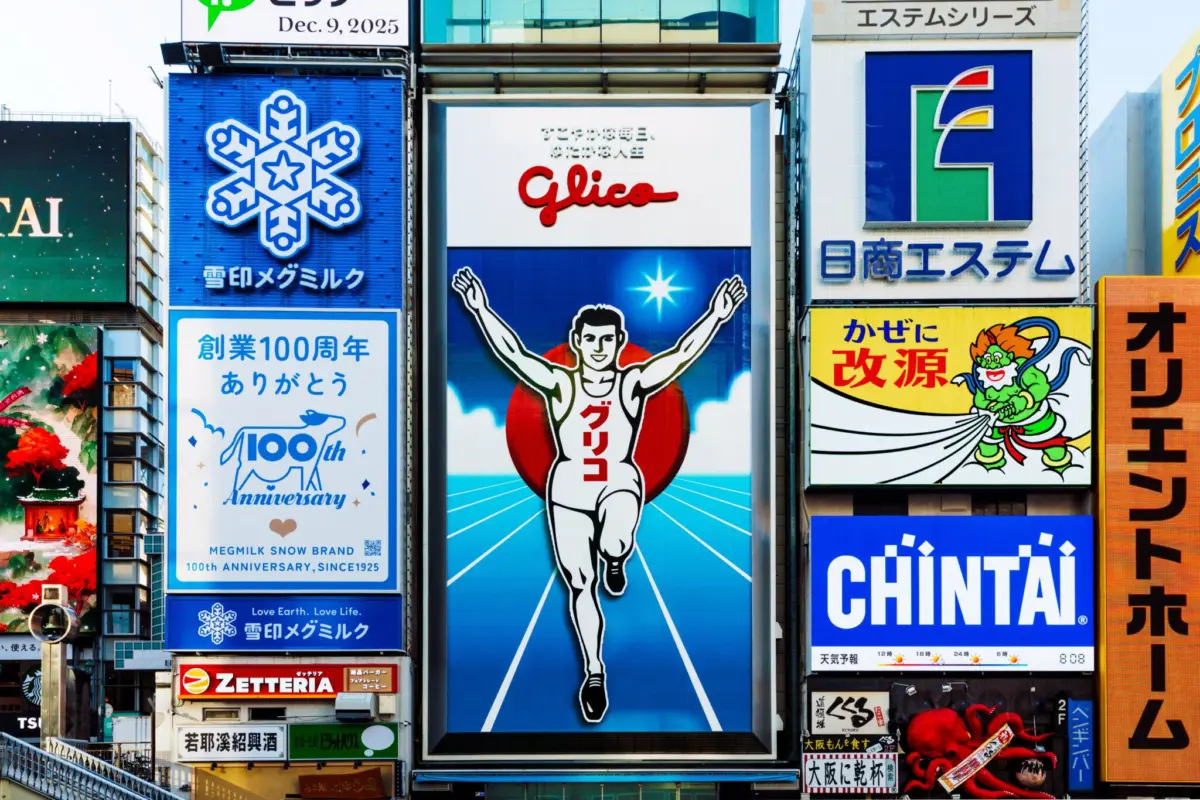
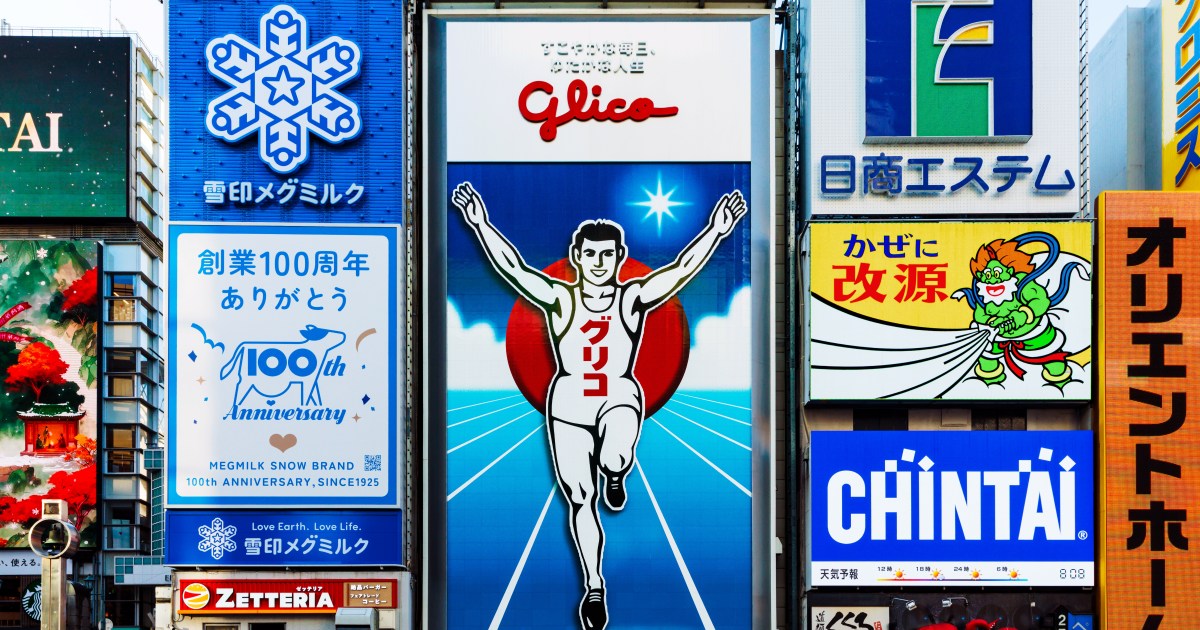
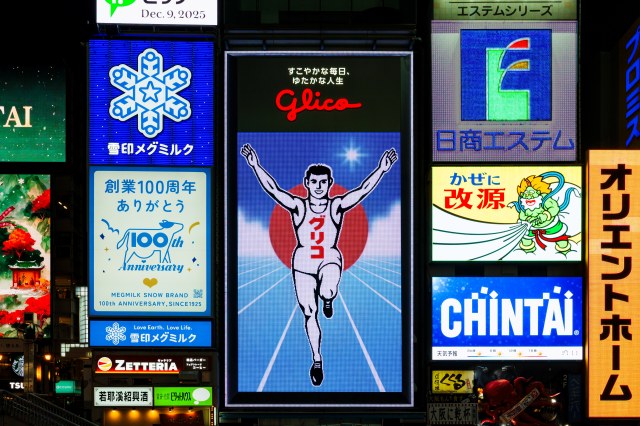
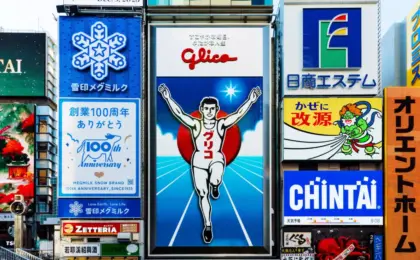
For nearly a century, the neon-drenched canal district of Dotonbori in Osaka, Japan, has been anchored by a singular, unmistakable visual motif: a joyful, arms-raised athlete sprinting across a glowing digital horizon. To millions of international tourists and domestic travelers alike, this colossal signboard is the definitive emblem of Osaka—a mandatory pilgrimage site where visitors strike the athlete’s signature pose for souvenir photographs.
However, travelers planning a winter excursion to Western Japan’s cultural capital will soon face a starkly altered skyline. In a major press conference held in Osaka on October 14, confectionery giant Ezaki Glico announced that the current iterations of its famed landmark—the sixth-generation "Running Man" sign, which has loomed over the Ebisubashi Bridge since 2014—is slated for permanent removal. Physical work to dismantle the structure will commence in December, clearing the way for a highly anticipated, yet fiercely guarded, seventh-generation replacement slated to debut in the spring.
The announcement has sent ripples through Japan’s tourism sector and triggered a wave of nostalgia across local communities. Drawing an estimated 70,000 to 80,000 visitors daily, the Dotonbori installation is more than a mere corporate advertisement; it is a vital pillar of Osaka’s cultural identity. As the current display prepares to go dark this winter, this comprehensive report examines the historical evolution of the landmark, analyzes the socio-economic metrics surrounding the site, reviews official statements from Ezaki Glico, and explores what the upcoming transition signifies for the future of urban tourism in Japan.
Detailed Chronology: A Century of Innovation and Imagery
The story of the Glico Running Man is inextricably linked to the modernization of Osaka and the resilience of Japanese commerce through times of profound geopolitical and economic upheaval. Ezaki Glico, founded in 1922 by Riichi Ezaki with the introduction of its nutrient-rich caramel candies containing glycogen extracted from oyster broth, has maintained a century-long, symbiotic relationship with the city.
The evolution of the landmark reflects the changing technologies, artistic trends, and architectural landscapes of Japan across nine decades.
The Pre-War Pioneers (1935–1943)
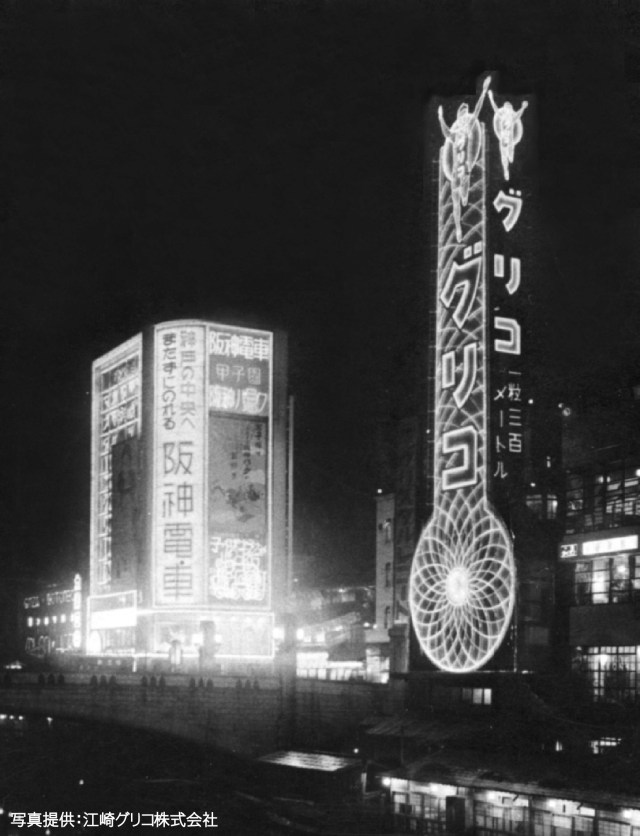
The visual legacy began in 1935 when the company erected its very first signboard beside the historic Ebisubashi Bridge. Towering at an impressive height of 33 meters (approximately 108 feet), the inaugural display utilized large, traditional neon lettering to captivate pedestrians navigating the bustling entertainment district. This early iteration established Dotonbori as the premier canvas for commercial outdoor advertising in Western Japan.
Unfortunately, this nascent era was cut short by global conflict. In 1943, as the Pacific War escalated and domestic metal and material shortages reached a critical juncture, the landmark was systematically dismantled to repurpose its structural components for the war effort.
Post-War Reconstruction and Whimsical Interludes (1955–1972)
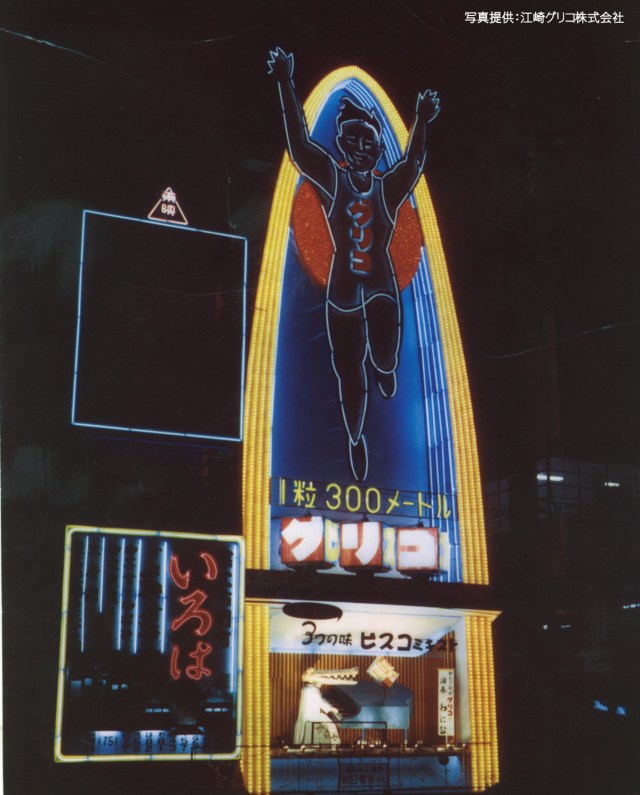
Following the devastation of World War II, Osaka emerged as a phoenix of industrial and commercial activity. In 1955, Ezaki Glico returned to its spiritual home above the Dotonbori canal with a second-generation signboard. This post-war version injected a dose of lighthearted whimsy into the recovering cityscape, positioning the running figure above a theatrical stage populated by a giant toy crocodile playing the piano.
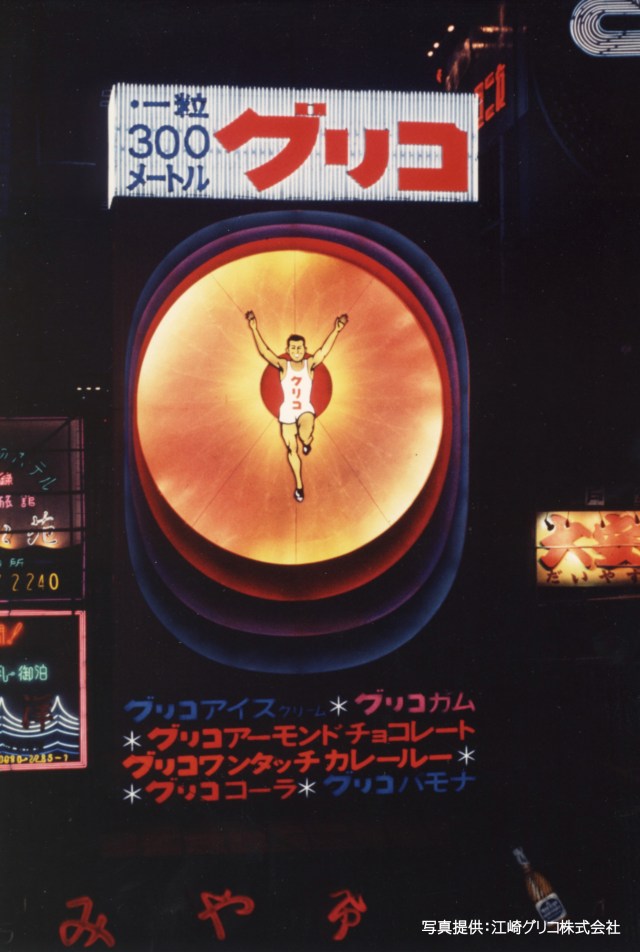
Ambition scaled upward in 1963 with the debut of the third-generation sign. Operating until 1972, this engineering marvel featured an elaborate, integrated water fountain system. Around 150 meticulously engineered nozzles sprayed an astonishing 12 tonnes of water in precise patterns surrounding the runner. Illuminated by hundreds of synchronized, multi-colored lights, the display created a dazzling optical spectacle that cemented Dotonbori’s reputation as a neon wonderland.
The Modern Era and the LED Revolution (1972–Present)
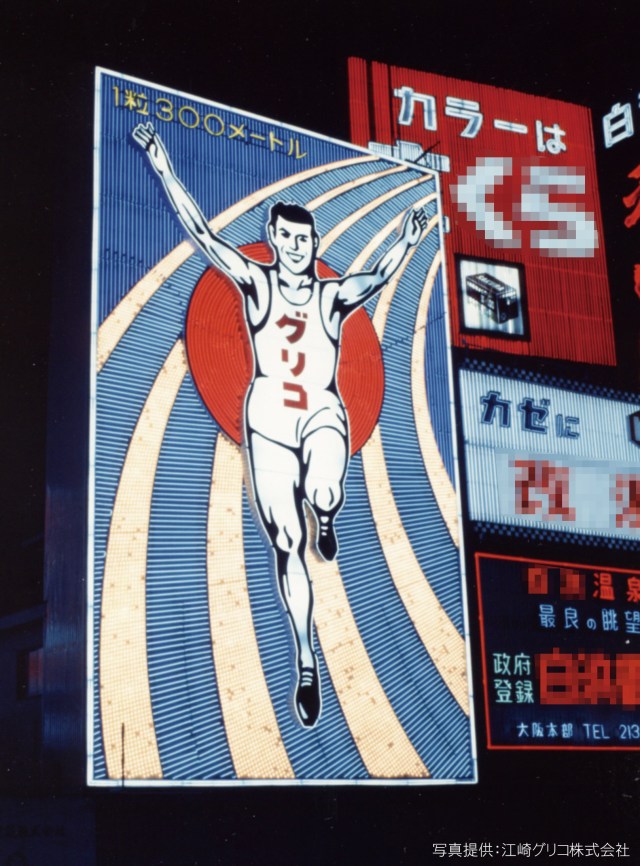
The fourth-generation sign, installed in 1972, introduced structural elements that began to mirror the modern aesthetic recognized by contemporary travelers, featuring a simplified running track motif. However, structural imperatives necessitated a brief hiatus; when neighbouring buildings underwent extensive urban renewal in the late 1990s, the sign was temporarily powered down and removed, leaving Osaka’s skyline conspicuously empty of its mascot for a full year.
The fifth-generation sign, operational from 1998 to 2014, revolutionized the visual narrative by introducing dynamic background lighting that simulated the passage of a full 24-hour cycle. Commuters and tourists watching the sign could witness the runner race through a backdrop that transitioned seamlessly from the crisp light of morning through the golden hues of dusk and into the starry depths of night.
The current sixth-generation sign, unveiled in autumn 2014, embraced cutting-edge illumination technology. Powered by approximately 140,000 high-efficiency LED lights, the installation expanded its digital canvas. The background graphics evolved dynamically to depict the runner not only traversing iconic landscapes across Japan but also embarking on a metaphorical sprint across global destinations, reinforcing Glico’s international brand footprint.
Supporting Context & Metrics: The Economic and Cultural Footprint
To fully understand the gravity of the upcoming removal, one must examine the staggering scale of human traffic and economic activity centered around the Ebisubashi Bridge.
Tourism and Foot Traffic Analysis
Industry analysts and municipal tourism boards estimate that the area immediately surrounding the Glico sign attracts between 70,000 and 80,000 visitors every single day. Over the course of a year, tens of millions of domestic and international travelers pass beneath the gaze of the running man.
This hyper-concentration of foot traffic has transformed the immediate vicinity into one of the most photographed coordinates on the planet. For inbound tourists from East Asia, North America, Europe, and beyond, capturing a photograph mimicking the runner’s outstretched arms and triumphant posture is considered a mandatory rite of passage when visiting Japan. This phenomenon aligns with broader trends in "instagrammable" tourism, where physical landmarks serve as nodes of social media validation and digital memory-making.
Brand Ideology and Corporate Purpose
Beyond its utility as an advertising medium, the Running Man serves as a deeply embedded corporate totem. During the October press conference, Glico representative Yoriko Miki articulated the core philosophy underpinning the imagery.
Miki emphasized that the runner is not merely a promotional device for confectioneries like Pocky, Pretz, or Glico caramels, but a physical embodiment of the company’s foundational ethos: "Healthy days, a fulfilling life." The dynamic posture—chest out, arms raised, and legs in mid-stride—symbolizes continuous forward momentum, vitality, and health. This enduring symbolism has allowed the brand to transcend commercialism, embedding itself so deeply into the public consciousness that citizens of Osaka view the sign as civic property rather than corporate collateral.
Official Statements and Transition Details
The announcement on October 14 was handled with a mix of solemn reverence for the outgoing structure and calculated mystery regarding its successor. Ezaki Glico executives acknowledged that undertaking a major structural overhaul of such a treasured landmark requires careful stakeholder management and transparent communication.
The Timeline to Winter Removal
- October 14: Ezaki Glico officially announces the retirement of the sixth-generation sign during a press conference in Osaka.
- December: Physical dismantling and construction work on the existing Ebisubashi Bridge site are scheduled to commence, plunging the canal into a temporary blackout regarding the signature display.
- Winter: A transitional phase during which the physical framework of the sign will be upgraded, modernized, and structurally reinforced.
- Spring (Target: March): The official unveiling of the seventh-generation Glico Running Man sign.
Guarding the Secret: What Lies Ahead?
Despite intense media scrutiny and probing questions from reporters representing major Japanese networks such as TBS and regional outlets via Yahoo! News Japan, corporate representatives remained tight-lipped regarding the precise visual design of the seventh-generation iteration.
However, company officials offered firm assurances that the runner will remain the central, unyielding focus of the display. While the aesthetic framework, digital resolution, and environmental interactivity of the sign are expected to receive significant technological upgrades to meet modern ecological and display standards, the core silhouette of the athlete will endure.
This cautious approach contrasts sharply with other recent high-profile public character transitions in Japan—such as the recent public debates surrounding the graduation and redesign of Tokyo’s beloved Suica Penguin mascot. Glico appears acutely aware that any radical departure from the established visual formula risks alienating a passionate public.
Future Outlook: Navigating the Winter Blackout
The impending removal of the sixth-generation sign creates an immediate dilemma for inbound travelers. With the physical structure scheduled to come down in December, tourists visiting Osaka over the winter months will encounter scaffolding and an unlit facade where the vibrant LED athlete once stood.
Local tourism agencies and hospitality providers in the Namba and Dotonbori districts are proactively adjusting expectations, framing the winter hiatus not as a loss, but as a period of anticipation leading to a historic rebirth. Visitors are being encouraged to make their pilgrimage before December to bid a personal farewell to number six, while local businesses are preparing commemorative merchandise and special events to honor the outgoing installation.
When the seventh-generation sign finally illuminates the Dotonbori canal in the spring, it will mark the beginning of a new chapter in Osaka’s vibrant urban narrative. Whether the new technology will incorporate augmented reality features, higher-definition environmental storytelling, or entirely new interactive elements remains to be seen. What is certain, however, is that the Glico Running Man will continue its metaphorical sprint, bridging a century of rich history with an unwritten, luminous future.

Belum ada komentar. Jadilah yang pertama berkomentar!