

Executive Overview
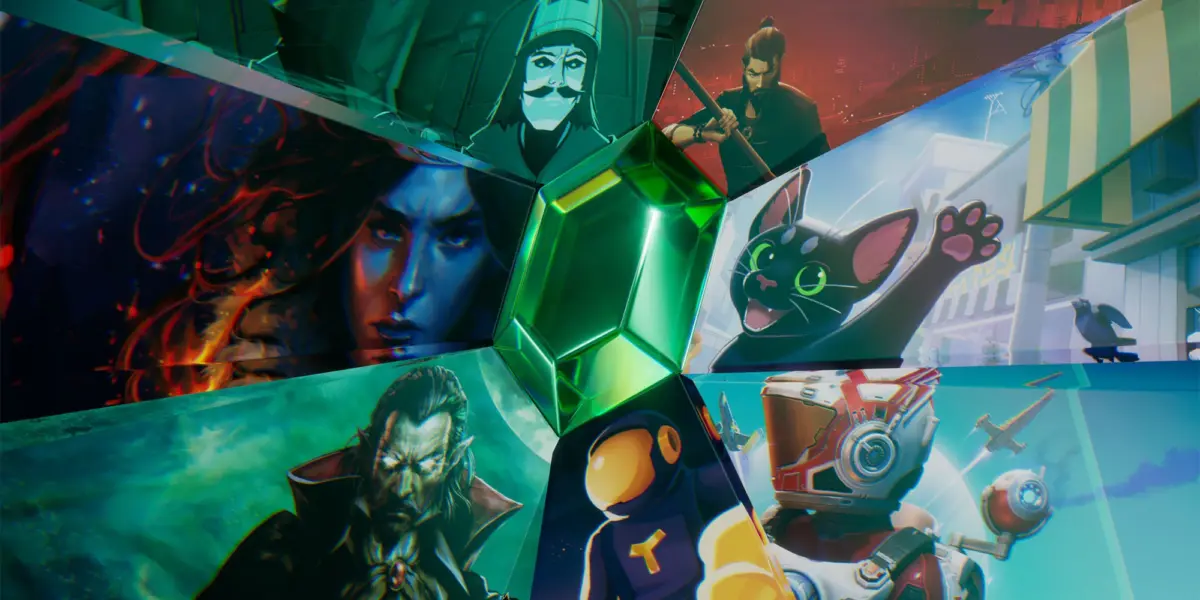
The digital storefronts that power modern mobile computing have long since evolved from simple utility repositories into massive, culturally influential entertainment ecosystems. Within this landscape, independent developers—often working in small teams or as solitary visionaries—occupy a vital space. They are the avant-garde of game design, frequently taking the creative risks that massive, risk-averse publisher conglomerates avoid. Recognizing this vital contribution, Apple has officially kicked off its annual “Indie Games Week” celebration on the App Store.
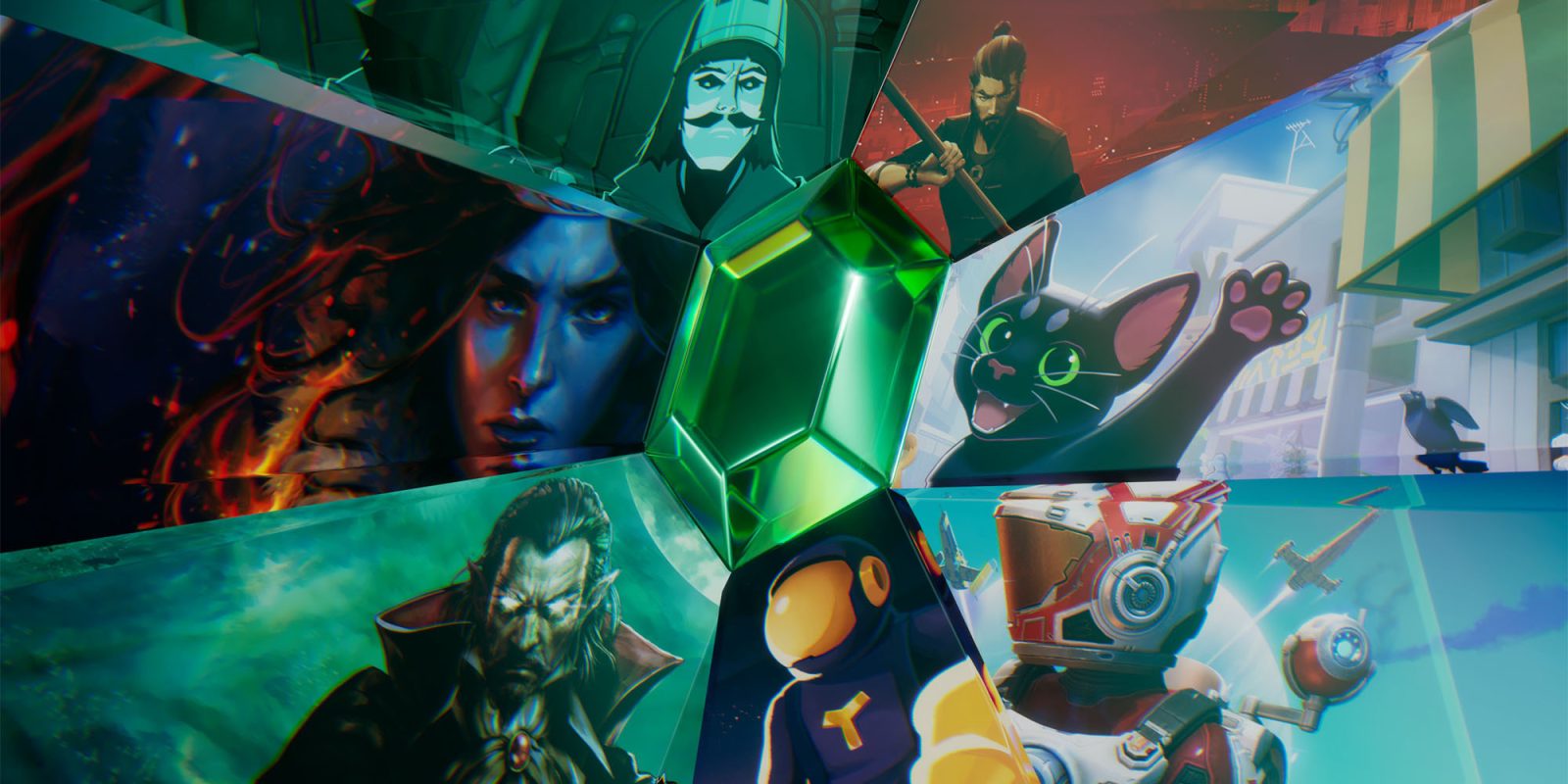
Announced via an official press release, the campaign highlights a curated selection of seven new and upcoming titles designed to demonstrate the sheer breadth of artistic expression, innovative mechanics, and deeply moving narrative design possible on iOS devices. Far beyond a simple marketing promotion, Indie Games Week serves as a strategic spotlight for the ingenuity driving the indie sector. It showcases how Apple’s ecosystem continues to serve as a launchpad for boutique studios seeking a global stage.
This year’s showcase emphasizes that mobile hardware is no longer just a platform for hyper-casual puzzle games or simplified ports; it is an elite gaming medium capable of delivering profound, console-quality experiences. By placing these independent projects front and center on the App Store’s highly coveted Today tab, Apple is reinforcing its commitment to fostering diverse creative talent, bridging the gap between underground developers and a billion-strong active user base.
Detailed Chronology: The Evolution of Indie Support on the App Store
To understand the weight of Apple’s current Indie Games Week celebration, it is necessary to examine the chronological evolution of how independent developers have been integrated into the iOS ecosystem over the past decade and a half.
The Wild West Era (2008–2014)
When the App Store first launched in 2008 alongside the iPhone 3G, it revolutionized software distribution. However, early discoverability for independent titles was notoriously difficult. Developers relied heavily on word-of-mouth, blogs, and external forums to gain traction. Despite these hurdles, foundational indie hits managed to break through, proving that touchscreens could support complex and compelling gameplay loops.
The Curated Renaissance (2015–2019)
Recognizing that the sheer volume of applications was beginning to overwhelm users and bury innovative titles, Apple executed a massive redesign of the App Store in 2017. This overhaul introduced human curation through the "Today" tab, editorial deep dives, and dedicated developer interviews. During this period, Apple began formalized spotlights for indie developers, realizing that unique artistic titles elevated the prestige of the entire platform. The introduction of subscription-based gaming services like Apple Arcade further transformed the landscape by providing indie studios with a reliable funding model free from aggressive monetization schemes.
The Modern Era of Hardware Convergence (2020–Present)
Today, mobile chipsets boast processing and graphical capabilities that rival traditional home consoles and desktop computers. Apple Silicon (found in modern iPhones and iPads) supports advanced rendering techniques such as hardware-accelerated ray tracing, MetalFX upscaling, and console-grade physics engines. This technological leap has empowered indie developers to bring ambitious, visually stunning, and mechanically intricate projects directly to mobile devices without compromising their artistic vision. Indie Games Week stands as the celebratory pinnacle of this modern era, proving that the iPhone is now a first-class citizen in the global gaming community.
Supporting Context & Metrics: The Economic and Cultural Impact of Indie Mobile Gaming
The economic realities of game development have shifted dramatically in recent years. While AAA titles often require hundreds of millions of dollars in production budgets and years of corporate oversight, independent games thrive on agility, personal passion, and distinct artistic voices.
The Democratization of Game Development
Modern game engines like Unity and Unreal Engine, combined with accessible asset stores and streamlined distribution pipelines, have lowered the barrier to entry for game creators globally. A developer working out of a small apartment in Tokyo, a studio of three friends in Reykjavik, or a solo creator in rural America now has instantaneous access to the exact same global storefront as multi-billion-dollar conglomerates.
Discoverability and the "App Store Effect"
Despite the democratization of tools, discoverability remains the single greatest challenge facing independent developers. With millions of apps available on the App Store, cutting through the digital noise is exceedingly difficult. According to developer advocacy groups, placement on curated editorial lists—such as Apple’s Indie Games Week features—can result in exponential spikes in downloads, daily active users, and revenue. For a small studio, a single week of prominent editorial placement can secure financial runway for years of future development, transforming a passion project into a sustainable, viable business.
Changing Consumer Demographics
Modern mobile gamers are increasingly sophisticated. While hyper-casual games still hold massive market share in terms of raw download volume, player engagement and revenue are rapidly shifting toward narrative-driven, visually artistic, and mechanically deep experiences. Players are looking for games that respect their time, offer complete experiences, and evoke genuine emotional resonance. Independent developers are uniquely positioned to meet this demand, crafting intimate experiences that large studios simply cannot replicate at scale.
Official Statements and Industry Insights
The philosophy driving Apple’s ongoing support for independent creators was encapsulated in remarks from Carson Oliver, Apple’s head of App Store Worldwide. In the official press release accompanying the launch of Indie Games Week, Oliver emphasized the cultural and creative value that independent studios bring to the iOS ecosystem:

"Indie games are constantly pushing the boundaries of creativity to deliver unique gameplay experiences to Apple users, and we wanted to take a moment to celebrate these games and the teams that take creative risks to push gaming forward. Whether from a solo developer or a growing studio, the App Store gives bold ideas a global stage — turning daring visions into worldwide hits. We’re thrilled with the incredible games launching on the App Store this week and amazed by their breathtaking artistry, brilliant design, and deeply moving stories."
Industry analysts have praised these sentiments, noting that Apple’s active cultivation of indie talent serves as a crucial differentiator in the highly competitive mobile marketplace. By aligning its brand with cutting-edge artistry and boundary-pushing design, Apple signals to both developers and consumers that the App Store is not merely a commercial marketplace, but a vibrant cultural gallery.
Future Outlook: Where Mobile Independent Gaming is Headed
As we look toward the future of mobile entertainment, several distinct trends are poised to shape the trajectory of independent game development on Apple platforms:
- Cross-Platform Play and Universal Progression: With the lines blurring between macOS, iPadOS, iOS, and tvOS, indie developers are increasingly building games that transition seamlessly across devices. A player might start a session on their iPhone during a morning commute, continue on an iPad during lunch, and finish on a Mac or Apple TV at home.
- Spatial Computing and Apple Vision Pro: The introduction of spatial computing opens up entirely new paradigms for independent game design. While traditional touch and controller inputs will remain dominant for mobile screens, indie developers are already beginning to experiment with augmented and mixed-reality environments, using spatial audio and 3D interfaces to craft immersive, groundbreaking experiences.
- Advanced AI Integration in Development: Smaller studios are increasingly leveraging procedural generation tools and lightweight machine learning models to expand game worlds, optimize assets, and create more dynamic, responsive non-player characters (NPCs) without drastically inflating production overhead.
- Subscription and Premium Models: Services like Apple Arcade continue to prove that consumers are willing to pay for curated, ad-free, microtransaction-free gaming experiences. This environment allows indie developers to focus entirely on creative execution rather than designing psychological hooks to extract ongoing revenue from players.
In conclusion, Apple’s Indie Games Week is much more than a temporary promotional banner on the App Store. It is a vital acknowledgment of the human element behind software engineering—celebrating the risk-takers, the dreamers, and the artists who continue to redefine what is possible in the palm of your hand. As mobile hardware grows ever more powerful and development tools become increasingly accessible, the future of gaming looks brighter, more diverse, and more independent than ever before.








Belum ada komentar. Jadilah yang pertama berkomentar!