

Executive Overview
Across the rural expanses and suburban peripheries of Japan, a quiet demographic transformation is reshaping the architectural and cultural landscape. Decades of a declining birthrate and a rapidly aging population have left thousands of public school facilities redundant. For generations, these institutions served as the social and communal epicenters of their towns—spaces where children gathered, community festivals were anchored, and civic identity was forged. Today, however, municipalities face a daunting fiscal and logistical challenge: what to do with hundreds of structurally sound, deeply sentimental, yet entirely vacant school campuses.
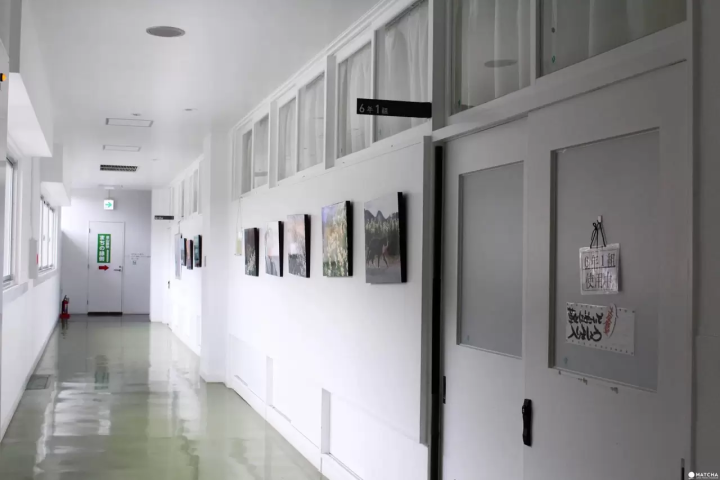
Enter Hotada Elementary School in Kyonan, Chiba Prefecture, located just a short journey from the bustling metropolis of Tokyo. Rather than succumbing to demolition or falling into disrepair, Hotada Elementary has undergone a remarkable metamorphosis. Through innovative regional revitalization strategies, the former campus has been reborn as a multifaceted tourist attraction, roadside station (michi-no-駅 or michi-no-eki), dining hub, retail marketplace, and overnight lodging facility.

By strategically repurposing old classrooms, administrative offices, and gymnasiums, local planners have preserved the historical and emotional resonance of the campus while injecting vibrant, modern economic utility. Visitors can now sleep beneath chalk-dusted blackboards, dine on gourmet meals served at student desks, purchase locally farmed produce in the gymnasium, and experience a living slice of Japanese television drama-style school life. This comprehensive journalistic investigation examines the structural rebirth of Hotada Elementary, exploring the mechanics of its adaptive reuse, its economic impact on Chiba Prefecture, and its role as a pioneering blueprint for rural revitalization in a graying nation.

Detailed Chronology and Adaptive Reuse
The life cycle of Hotada Elementary School mirrors a national narrative. Founded decades ago to serve the growing families of Kyonan-cho in Chiba’s Awa District, the school eventually fell victim to the sweeping currents of rural depopulation and shrinking youth demographics. As enrollment dwindled to unviable numbers, the local board of education made the difficult decision to shutter its doors, leaving behind empty corridors, silent gymnasiums, and a profound void in the community fabric.

However, the closure of Hotada Elementary marked not an end, but a radical pivot. Recognizing the deep sentimental value of the property and its strategic geographical positioning near Tokyo, local municipal leaders and regional developers embarked on an ambitious adaptive reuse project. The objective was clear: transform the physical infrastructure of a traditional Japanese primary school into an engaging public venue without erasing its distinct architectural character.

The transformation was executed with meticulous attention to detail. The campus was officially converted into a hybrid roadside station, uniquely blending commercial enterprise with educational nostalgia.

- The Administrative Core: The former staff office on the first floor was converted into the primary information center. Here, visitors are greeted by friendly personnel who function less like traditional clerks and more like welcoming educators, surrounded by comprehensive travel guides and local Chiba sightseeing documentation.
- The Commercial Corridors: Classrooms along the main hallway were systematically gutted of their standard academic layouts—though carefully retaining structural markers like sliding windows and chalkboards—and reimagined as specialty boutiques. Chief among these is the Kyonan Department Store Kai, an emporium featuring handcrafted works by local artisans, regional specialties, and charmingly nostalgic items such as authentic Japanese school cafeteria tray sets.
- The Culinary Transformation: Ground-floor classrooms were retrofitted into commercial kitchens and dining venues. Eschewing conventional restaurant designs, these spaces invite patrons to sit at scaled-down wooden student desks while reading menus scrawled across traditional blackboards. The culinary offerings range from semi-buffet Japanese meals and Chinese cuisine to Italian specialties and casual cafe fare.
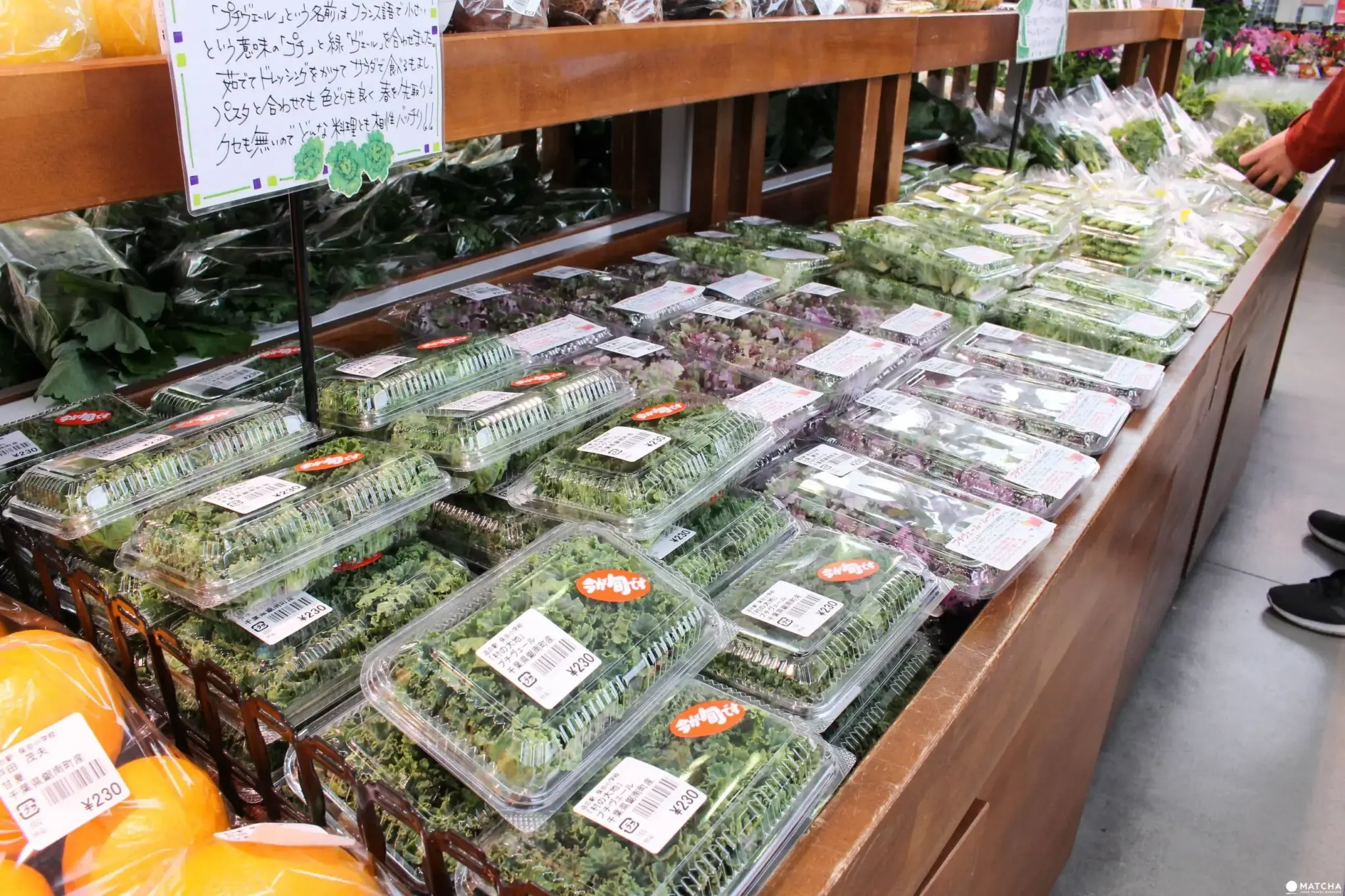
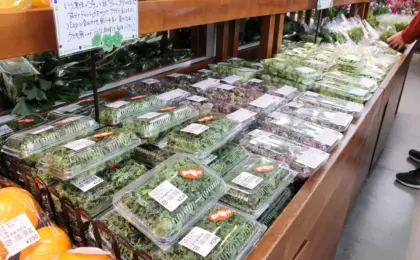
- The Gymnasium Market: On the opposing side of the main building, the cavernous school gymnasium—once the site of physical education classes, assemblies, and graduation ceremonies—was converted into Kyonan Rakuichi, a bustling community market. This vast open space now serves as a lively bazaar where local farmers, artisans, and merchants vend fresh regional produce, pre-packaged bento boxes, and exclusive merchandise.
Supporting Context & Metrics: Architecture, Commerce, and Community Impact
To fully appreciate the magnitude of Hotada Elementary’s success, one must examine the specific metrics and micro-economies that sustain its daily operations. The facility operates not merely as a novelty museum, but as a robust economic engine designed to bolster Kyonan’s agricultural and tourism sectors.

The Agricultural and Retail Economy
Chiba Prefecture is nationally renowned for its rich agricultural output, most notably its peanut harvests and distinctive regional produce. Kyonan Rakuichi leverages this agricultural prowess by serving as a direct-to-consumer distribution point. Local farmers supply the gymnasium stalls with fresh fruits and vegetables, offering superior freshness at price points significantly lower than standard metropolitan supermarkets.

Beyond fresh produce, the retail offerings reflect deep cultural curation. Exclusive Hotada Elementary merchandise—ranging from branded tote bags and hand towels to specialized handkerchiefs—cater to tourists seeking tangible mementos. Furthermore, regional pride is prominently displayed through products featuring CHI-BA+KUN, the official red dog mascot of Chiba Prefecture whose physical silhouette perfectly maps the geographic contours of the prefecture.

Culinary souvenirs pay homage to both regional flavors and school-day memories:

- P-Miso: A nationally televised regional delicacy combining crunchy local peanuts with a savory-sweet miso paste, designed to be paired with steamed rice.
- School Lunch Noodles: High-gluten flour noodles engineered to retain their firm texture over extended periods—a historical necessity in traditional Japanese school lunch distribution—are now packaged as take-home culinary kits.
- The Randoseru Baumkuchen: A clever nod to Japanese student culture, this full-sized baumkuchen cake is packaged inside a decorative box meticulously engineered to replicate a traditional Japanese school backpack (randoseru).
Overnight Accommodations and Pricing Structure
Perhaps the most ambitious aspect of Hotada Elementary’s reinvention is its overnight lodging program. Former second-floor classrooms have been refitted into functional guest rooms, allowing travelers to experience a night on campus. While individual rooms do not feature private en-suite plumbing, guests have access to clean, modern, gender-separated public bathhouse facilities on the premises.

The accommodation pricing model is intentionally structured to remain accessible to families, couples, and group travelers:

- Standard Room (2 to 4 guests):
- Adults: ¥4,000 per person
- Elementary Students: ¥3,200 per person
- Preschool/Children (Ages 3–preschool): ¥2,000 per person
- Children under 3: Free
- Group Room (5 to 15 guests):
- Adults: ¥3,500 per person
- Elementary Students: ¥2,700 per person
- Preschool/Children (Ages 3–preschool): ¥1,500 per person
- Children under 3: Free
- Optional Meal Add-ons (Reservation Required):
- Breakfast: Adults/Elementary: ¥850 | Ages 3–preschool: ¥350 (rice, soup, and side dishes only) | Under 3: Free
- Bento Dinner: Adults/Elementary: ¥1,000 or ¥1,500 tier options | Ages 3–preschool: ¥1,000 (kids bento) | Under 3: Not available
- Operational Caveat: Bookings require a minimum occupancy of two guests; single-occupancy rooms are not supported.
Official Perspectives and Regional Integration
Local governance and tourism boards have hailed the Hotada Elementary project as a masterclass in sustainable community development. By transforming a potential civic liability into a destination asset, Kyonan-cho has successfully mitigated the economic stagnation that frequently plagues depopulated rural municipalities.

Urban planners and regional development economists note that the project’s brilliance lies in its preservation of intangible cultural heritage. In Japan, the shared experience of primary school life—characterized by communal lunch distribution carts (kyushoku carts), wooden desks, green chalkboards, and morning assemblies—forms a collective cultural touchstone. By allowing adults to physically re-enter these spaces, dine at student desks, and sleep within classroom walls, Hotada Elementary taps into a powerful emotional current of nostalgia (natsukashii).

Furthermore, the facility acts as a regional anchor for broader tourism initiatives. Located in close proximity to the Hotada River—which boasts magnificent avenues of early-blooming Yoritomo cherry trees (sakura) peaking in early March—the school serves as an ideal base camp for seasonal explorers. Visitors exploring the Boso Peninsula can seamlessly transition from architectural heritage tourism to natural sightseeing along the riverbanks.

Future Outlook: A Blueprint for Nationwide Revival
As Japan’s demographic trajectory continues to press forward, the challenges facing rural infrastructure will only intensify. Thousands of shuttered schools remain scattered across the archipelago, representing both a fiscal burden for local governments and an untapped reservoir of architectural space.

Hotada Elementary School in Chiba offers a compelling, highly replicable blueprint for the future. Its success demonstrates that adaptive reuse requires neither complete demolition nor sterile modernization; rather, it thrives on the creative juxtaposition of historical preservation and contemporary commerce. By turning classrooms into boutiques, gymnasiums into farmers’ markets, and dormitories into retro guest rooms, Hotada has redefined what a roadside station can be.

For travelers seeking an authentic, deeply nostalgic encounter with Japanese culture—far removed from the hyper-modern neon of Tokyo’s urban cores—Hotada Elementary stands as an invitation. It proves that while school bells may fall silent, the stories, memories, and communal spirit embedded within these walls can find new life for generations to come.
Facility Directory & Location Information
- Facility Name: Road Station Hota Elementary School (道の駅 保田小学校)
- Address: 724 Hota, Kyonan-cho, Awa-gun, Chiba Prefecture, Japan (Postal Code: 299-1902)
- Geographic Coordinates: 35.1434821° N, 139.843607° E





Belum ada komentar. Jadilah yang pertama berkomentar!