

Executive Overview
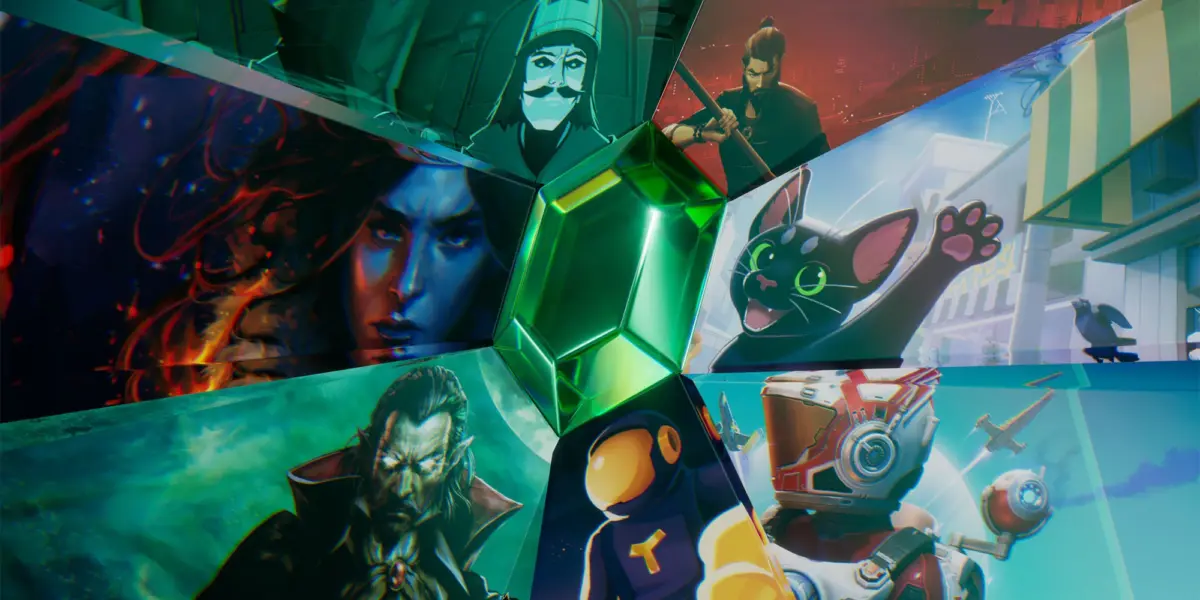
In the fast-paced, high-stakes ecosystem of mobile applications, where mega-corporations and massive development studios routinely dominate the top-grossing charts with multi-million-dollar marketing budgets, independent developers operate as the beating heart of genuine artistic innovation. Recognizing this dynamic, Apple has officially kicked off its highly anticipated "Indie Games Week" on the App Store.
This week-long celebration serves as a high-profile showcase dedicated entirely to smaller development teams, solo creators, and boutique studios that consistently take massive creative risks. By placing these projects front and center on the App Store’s primary editorial channels, Apple is putting a global spotlight on seven newly launched and soon-to-be-released titles. These games represent the pinnacle of what is possible when design, narrative depth, and mechanical originality take precedence over algorithmic safety and monetized bloat.
The initiative is more than just a temporary marketing banner; it is a vital lifeline for indie developers navigating an increasingly crowded digital marketplace. By leveraging the immense reach of the App Store, Apple aims to bridge the gap between visionary creators and millions of iPhone, iPad, and Mac users worldwide. As the line between mobile hardware capabilities and traditional console gaming continues to blur, Apple’s celebration underscores a broader corporate strategy: positioning the Apple ecosystem not merely as a utility platform, but as a premier, prestigious destination for the most boundary-pushing interactive art in the world.
Detailed Chronology: The Evolution of Indie Support on the App Store
To fully understand the significance of the 2026 Indie Games Week, one must examine the chronological evolution of how Apple has fostered—and at times struggled to support—independent game developers since the inception of the App Store nearly two decades ago.
The Pioneer Era (2008–2014)
When the App Store first opened its digital doors in 2008, it changed the software distribution model forever. For independent developers, it offered an unprecedented direct-to-consumer pipeline. Early indie hits like Canabalt and Flappy Bird (though later) demonstrated that a single developer working in a bedroom could capture the global consciousness. However, curation during this era was rudimentary. Discoverability was largely dictated by raw download velocity, making it difficult for nuanced, narrative-driven indie games to break through the noise of simpler novelty apps.
The Curation Revolution and Apple Arcade (2015–2020)
Realizing that the burgeoning gold rush was leading to marketplace saturation, Apple overhauled the App Store interface in 2017, introducing a magazine-style layout dedicated to human curation, deep-dive developer stories, and daily editorial spotlights. This shift was monumental for indie developers, as front-page editorial features could instantly turn obscure titles into financial successes.
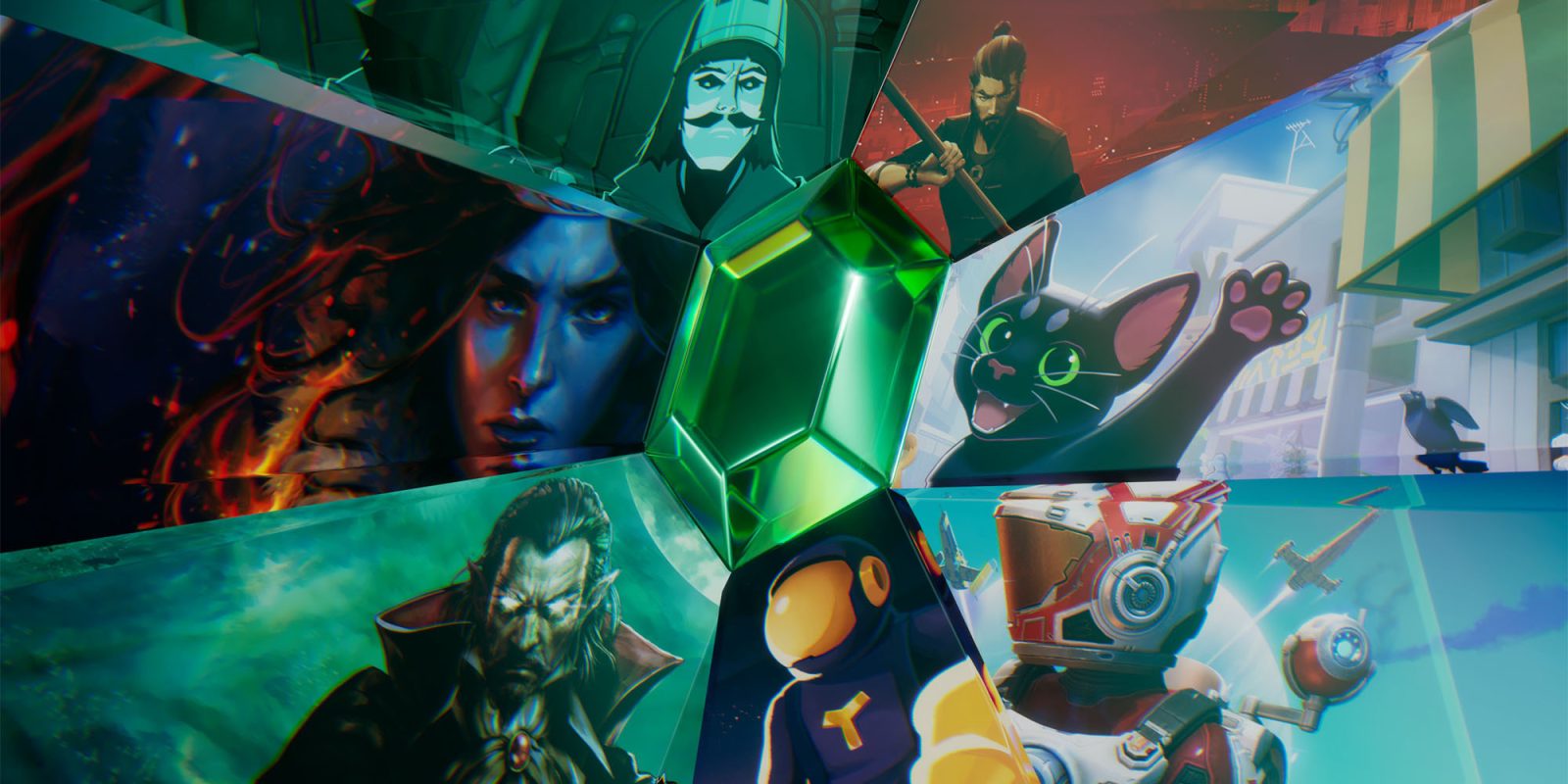
This commitment culminated in the September 2019 launch of Apple Arcade, a subscription service explicitly designed to champion independent and premium titles. By removing microtransactions and ad-driven mechanics from the equation, Apple Arcade gave independent studios the financial runway to build deeply artistic games—such as Sayonara Wild Hearts and Assemble with Care—without compromising their creative integrity.
The Modern Era: Hardware Empowerment and Global Stages (2021–Present)
Today, mobile hardware has evolved to a point where iPhones and iPads possess raw processing power capable of running console-grade titles featuring advanced ray tracing, complex physics engines, and expansive open worlds. Apple’s silicon—spanning the M-series and A-series chips—has transformed iOS devices into legitimate powerhouses for gaming.
This technological leap has emboldened indie studios to port and develop increasingly complex, visually stunning games for the platform. Indie Games Week sits at the intersection of this technological maturation and Apple’s ongoing editorial mission, serving as a dedicated festival to honor the studios maximizing these advanced hardware capabilities.
Supporting Context & Metrics: The State of Independent Mobile Gaming
The economics and cultural footprint of independent game development are undergoing a profound transformation. While AAA studios face skyrocketing development costs, ballooning team sizes, and increasingly risk-averse executive boards, independent developers thrive precisely because of their agility.
The Democratization of Game Development Tools
The barriers to entry for creating high-end games have lowered dramatically over the past decade. Engines like Unity, Unreal Engine, and Godot have democratized sophisticated development tools, allowing small teams of two or three people to build games that rival productions from decades past. On iOS specifically, Metal—Apple’s low-overhead, high-performance graphics API—gives indie developers direct access to the metal of Apple Silicon, ensuring that visually ambitious indie titles run with silky-smooth frame rates and exceptional power efficiency.
The Discoverability Paradox
Despite these technological advancements, discoverability remains the single greatest hurdle for independent creators. With millions of applications currently living on the App Store, organic discovery has become exceedingly difficult. Market data consistently shows that a vast majority of App Store revenue concentrates among the top one percent of free-to-play, heavily monetized titles.
Events like Apple’s Indie Games Week act as a vital counterweight to this algorithmic concentration. By injecting human curation back into the discovery pipeline, Apple provides an invaluable spotlight. Historical metrics from previous featured weeks show that indie developers highlighted by Apple often experience staggering spikes in downloads, community engagement, and wishlist additions—frequently transforming precarious indie projects into commercially viable enterprises that can fund future creative endeavors.
Official Statements: The Vision Behind the Curated Showcase
The philosophy driving this week’s festivities was articulated clearly in an official corporate statement released by Apple. Carson Oliver, Apple’s head of App Store Worldwide, emphasized the irreplaceable role that independent creators play in pushing the entire gaming medium forward:
"Indie games are constantly pushing the boundaries of creativity to deliver unique gameplay experiences to Apple users, and we wanted to take a moment to celebrate these games and the teams that take creative risks to push gaming forward. Whether from a solo developer or a growing studio, the App Store gives bold ideas a global stage — turning daring visions into worldwide hits. We’re thrilled with the incredible games launching on the App Store this week and amazed by their breathtaking artistry, brilliant design, and deeply moving stories."
Oliver’s remarks highlight a core corporate ethos: Apple recognizes that hardware specs alone do not sell platforms. Consumers buy and engage with ecosystems because of the emotional resonance, artistic expression, and sheer joy that software delivers. By elevating the human stories behind the code—the solo developers working late nights, the boutique studios taking financial gambles on unconventional mechanics—Apple humanizes the App Store experience.
Future Outlook: Where Independent Mobile Gaming Goes From Here
As we look toward the horizon of interactive entertainment, the symbiotic relationship between Apple and the independent development community is poised to deepen even further. Several macro-trends indicate that the coming years will be a golden age for indie gaming on iOS and iPadOS.
Spatial Computing and VisionOS
With the expansion of spatial computing and the Apple Vision Pro ecosystem, indie developers are uniquely positioned to pioneer entirely new interaction paradigms. While major studios hesitate to allocate massive budgets to unproven spatial computing platforms, independent developers—known for their experimental mindsets—are diving headfirst into mixed-reality gaming. Indie Games Week foreshadows a future where these same creative risk-takers will define what immersive, room-scale gaming looks like in three dimensions.

Cross-Platform Continuity and Cloud Integration
The increasing fluidity between iPhone, iPad, Mac, and Apple TV via iCloud synchronization and universal controller support means that an indie game purchased once can be enjoyed seamlessly across an entire hardware lineup. This continuity is a massive advantage for independent developers, who can reach consumers wherever they choose to play, without needing to engineer separate versions for entirely different walled gardens.
Conclusion
Apple’s Indie Games Week is ultimately a celebration of human imagination. In an era dominated by automation, generative AI discourse, and consolidated corporate gaming giants, the indie scene remains a bastion of raw human expression. By continuing to provide a global stage for these daring visions, Apple ensures that the App Store remains not just a commercial marketplace, but a vibrant digital museum and laboratory for the future of interactive art.
As these seven new titles roll out onto the App Store this week, players are encouraged to dive in, support independent creators, and experience firsthand how a handful of passionate developers can change the gaming landscape.








Belum ada komentar. Jadilah yang pertama berkomentar!