When the original Moonlighter debuted in 2018, it captured widespread critical acclaim by combining two seemingly disparate video game genres: the meticulous economic management of a shopkeeper simulator and the high-stakes exploration of an action-roguelike. Developed by Spanish studio Digital Sun, the game tracked the journey of Will, an ambitious shopkeeper in the village of Rynoka who ventured into dangerous dungeons by night to stock his store shelves by day.
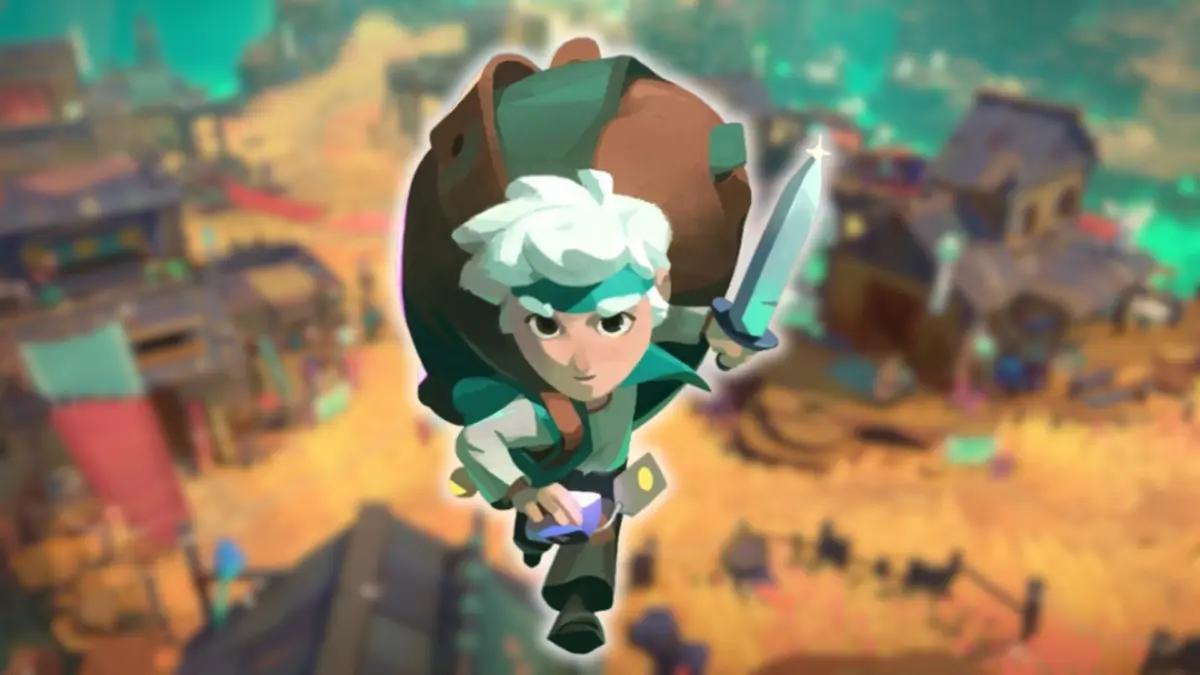
Following a successful Early Access period on PC, the franchise took its next major evolutionary step in September 2026 with the full release of Moonlighter 2: The Endless Vault on the Nintendo Switch 2. The sequel represents a fundamental shift in design philosophy, transitioning the series from 2D pixel art to a fully 3D isometric environment, while introducing enhanced action-roguelite systems heavily inspired by contemporary genre standards.
In an exclusive consultation regarding the game’s production and hardware translation, Victor Ribera, Design Co-Director at Digital Sun, provided detailed insights into the title’s development cycle. This report examines the technical, mechanical, and narrative choices that shaped Moonlighter 2, analyzing its leap to Nintendo’s latest hardware platform, its complete mechanical overhaul, and the developer’s strategic vision for sustaining the franchise.
Detailed Chronology: From Outsourcing Studio to Next-Gen Sequel
+-----------------------------------------------------------------------------------+
| CHRONOLOGICAL MILESTONES                                                         |
+-----------------------------------------------------------------------------------+
| 1. Pre-Moonlighter Era     | Studio operates as an outsourcing production house   |
| 2. May 2018                | Original 'Moonlighter' releases to critical acclaim  |
| 3. Mid-Development         | Transition to 3D engine; internal design debates      |
| 4. 2025                    | 'Moonlighter 2: The Endless Vault' enters Early Access|
| 5. September 2026          | Full release launches on Nintendo Switch 2            |
| 6. Present / Post-Launch   | Optimization patches & prospective DLC planning       |
+-----------------------------------------------------------------------------------+
Phase I: The Origin of Will and the Indie Breakout
Before establishing itself as an independent creative force, Digital Sun operated primarily as an outsourcing house, fulfilling technical contracts for third-party studios. This corporate reality directly mirrored the thematic foundation of their debut a humble worker harboring ambitions of grand adventure. Released in 2018, Moonlighter synthesized elements from classic titles such as The Legend of Zelda: The Minish Cap, Recettear: An Item Shop’s Tale, and Torneko’s Mystery Dungeon, establishing a lucrative gameplay loop that propelled the studio onto the global stage.
Phase II: The 3D Pivot and Early Access Iteration
Following the success of the original game and its subsequent expansions, Digital Sun initiated development on a direct sequel. Recognizing the evolving standards of the action-roguelite genre, the team made the pivotal decision to abandon their established pixel-art pipeline in favor of a customized 3D engine. The project entered Early Access in 2025, allowing the development team to aggregate player data, refine procedural generation, and balance new combat dynamics in a live-service environment prior to a full console rollout.
Phase III: Console Optimization and the September 2026 Switch 2 Debut
In September 2026, Moonlighter 2: The Endless Vault made its console debut on the Nintendo Switch 2. Adapting a complex 3D engine with dynamic lighting, larger mob density, and intricate physics to a hybrid console ecosystem presented distinct technical hurdles. Despite minor performance friction at launch, Digital Sun implemented targeted post-launch stabilization updates, bringing the game’s performance targets in line with modern handheld standards.
Supporting Context & Metrics: Structural and Mechanical Evolution
+--------------------------------------------------------------------------------------------------+
| FEATURE COMPARISON MATRIX                                                                        |
+----------------------------------+--------------------------------+------------------------------+
| Structural Dimension             | Moonlighter (2018)             | Moonlighter 2 (2026)         |
+----------------------------------+--------------------------------+------------------------------+
| Visual Perspective               | 2D Top-Down Pixel Art          | 3D Isometric Engine          |
| Hub Location                     | Village of Rynoka              | Settlement of Tresna         |
| Primary Ranged Weapon            | Standard Bow (Passive Range)   | Rechargeable Blob Gun        |
| Inventory Management             | Fixed Matrix Grid              | Expandable Slots via NPC     |
| Shop Customization               | Functional Display Upgrades    | Floor, Wall, & Aesthetic Sets|
| Primary Audio Composer           | David Fenn                     | Christopher Larkin           |
+----------------------------------+--------------------------------+------------------------------+
The Visual Transition: Abandoning Pixel Art for Isometric 3D
The shift from top-down 2D pixel art to a cozy, isometric 3D visual signature sparked considerable internal debate within Digital Sun. While pixel art was an integral component of the original game’s identity, the 2D plane limited directional combat, terrain height variation, and hit-box fidelity. Moving to 3D allowed the team to implement fluid camera angles, complex lighting models, and richer environmental detail, giving the new hub world of Tresna an expansive atmosphere while retaining the cozy aesthetics that characterized Rynoka.
Combat Dynamics and Risk-Reward Rebalancing
The transition to 3D enabled a complete redesign of combat mechanics. Taking cues from modern action-roguelites like Hades, Digital Sun enhanced character mobility and weapon responsiveness.
A major systemic rebalancing involved the complete removal of the traditional bow. In the original game, passive long-range combat compromised the core risk-reward dynamic by allowing players to defeat bosses from safe distances. In Moonlighter 2, the bow is replaced by the "blob gun"—a weapon requiring players to engage enemies at close range to recharge its firing capacity. This design forces active engagement, encouraging players to cycle continuously between melee and ranged strikes.
The dual-loop economy remains the central pillar of the gameplay experience. Players venture into the Endless Vault to gather rare materials, return to Tresna, and sell their findings in their shop. However, Moonlighter 2 significantly expands retail customization. While the original game limited cosmetic alterations to minor shop upgrades, the sequel introduces full aesthetic personalization, allowing players to modify floor tiles, wallpaper, and shop layouts.
Furthermore, player inventory mechanics underwent a key quality-of-life overhaul. The original title restricted players to a fixed inventory grid to create artificial tension during dungeon runs. Responding to long-standing community feedback, Moonlighter 2 introduces an expandable backpack system tied to NPC progression in Tresna, allowing players to purchase additional slots as their economic power grows.
Architectural Sound Design: The Sonic Shift
To complement the transition from the traditional fantasy atmosphere of Rynoka to the slightly sci-fi-infused realm of Tresna, Digital Sun adjusted its audio direction. While original composer David Fenn laid the acoustic groundwork for the series, Moonlighter 2 recruited Christopher Larkin (renowned for his work on Hollow Knight). Larkin’s score blends warm, organic instrumentation with atmospheric ambient layers, capturing the franchise’s traditional roots alongside its new futuristic tones.
Official Statements: In Conversation with Design Co-Director Victor Ribera
During our interview with Victor Ribera, Design Co-Director of Moonlighter 2: The Endless Vault, he provided direct context regarding the studio’s design philosophy, technical adaptation, and creative choices.
Creative Lineage and Narrative Continuity
Discussing the origins of the franchise’s signature genre blend, Ribera reflected on how the studio’s early days informed the game’s central narrative themes:
"It mostly comes from our own experience making games. Before Moonlighter, we worked as an outsourcing company, making games for other studios while dreaming of making our own, a lot like Will dreaming of being a hero while still taking care of his shop. From there, we mixed in influences from games we love, like Zelda: The Minish Cap, Recettear, and Torneko’s Mystery Dungeon, where little heroes and humble merchants take on big adventures."
Addressing how the team balanced welcoming newcomers while satisfying veteran players, Ribera emphasized that Moonlighter 2 was engineered as an accessible entry point:
"You can absolutely jump straight in. Moonlighter 2 carries on Will’s story, but it’s built so new players never feel lost. There’s even a handy introduction that covers everything you need to know before starting a new save… On the other hand, returning players will catch plenty of little nods to Rynoka."
Technical Performance and Switch 2 Integration
The hybrid nature of the Nintendo Switch 2 was central to the studio’s console strategy. Ribera addressed the technical porting process and the launch optimization phase:
"The first Moonlighter found a home on the original Switch, and we really wanted the sequel to feel great in handheld, especially with its bigger focus on roguelite elements and that ‘one more run’ feeling at the core of its identity. Even if launch wasn’t as smooth as we’d have liked, the game is in a much better place now, and we’re still planning patches to improve it further."
Combat Mechanics, Inventory Philosophy, and Aesthetic Redesign
When asked about the major visual leap and camera changes, Ribera explained the technical necessity behind abandoning the studio’s signature pixel art:
"We know the pixel art was a huge part of Moonlighter’s identity, and it sparked a big debate inside the team. Eventually, we all agreed that 3D offered new and exciting opportunities to grow the world, especially to give combat more depth and make environments richer. The isometric camera came with that, showing more of the space around Will and better suiting the faster, more fluid combat we were after."
Ribera also provided context regarding the mechanical shift away from traditional ranged weaponry toward the new ammo-recharge system:
"Truth be told, the bow was a bit unbalanced. It gave you a little too much range in certain fights, which threw off the risk-reward balance. The new blob gun only lets you fire a limited number of shots before you have to recharge it by hitting enemies up close, so it encourages direct combat while still triggering some nice synergies."
On the topic of expanding player customization and inventory capacity:
"In the original, the fixed backpack was part of the challenge… but many players asked for ways to expand it. For Moonlighter 2, we listened and added ways for that space to grow with you as you progress… The shop is the other half of the game, so we wanted players to feel it’s truly theirs. Making a space your own is just fun in so many games."
Finally, Ribera discussed the transition to composer Christopher Larkin:
"David’s soundtrack is a big part of why people remember Moonlighter so fondly, and we’re very grateful for his work. For the sequel, with a new world and a new look, we felt a fresh sound was the right move, and Christopher brought something that feels both familiar and new."
Future Outlook: Patch Maintenance and Expansion Horizons
Digital Sun’s immediate post-launch strategy focuses on technical stability and performance optimizations across all target platforms, particularly the Nintendo Switch 2. The studio is prioritizing frame-rate smoothing, loading-time reductions, and input latency refinements to ensure the title runs seamlessly in handheld mode.
Regarding long-term support and prospective expansions, Ribera confirmed that while the core team remains focused on foundational updates, additional content remains on the horizon:
"Right now, our focus is on making Moonlighter 2 the best it can be, with patches and improvements across all platforms. Once it’s in a good place, we’re of course open to expanding the world in new and exciting ways."
By expanding retail customization, elevating combat balance through 3D spatial design, and supporting next-gen handheld hardware, Digital Sun has established a solid baseline for Moonlighter 2: The Endless Vault. As optimization patches continue to roll out, the title stands as a strong continuation of Will’s journey, setting a high standard for contemporary indie shopkeeper roguelites.










Belum ada komentar. Jadilah yang pertama berkomentar!