

Executive Overview
For over half a year, organizers, legal teams, and promoters have worked tirelessly behind the scenes to orchestrate a milestone moment for Japanese pop culture in North America. The globally celebrated multimedia franchise Umamusume: Pretty Derby—a unique phenomenon blending historical horse racing with meticulously designed anime schoolgirl avatars—was set to host its marquee international concerts at Los Angeles’ prestigious Peacock Theater. Scheduled for October 22 and 23, the two-day performances were intended to be a crown jewel of the Umamusume 7th Event World Tour: The Stage, transporting 17 Japanese voice actresses and vocalists across the Pacific to perform before thousands of American fans.
However, despite launching preparations six months in advance, organizers announced a stunning development: the necessary U.S. work visas for the performers have still not been approved. With time running out, the entire production hangs in a precarious balance.
This unexpected roadblock highlights a growing systemic challenge for international entertainment acts attempting to navigate the notoriously labyrinthine and backlogged American immigration bureaucracy. For a franchise whose passionate U.S. fandom has grown exponentially through video games, anime adaptations, and viral cultural crossovers, a last-minute cancellation would trigger a logistical nightmare. From complex ticketing refunds and exclusive merchandise inventory crises to international broadcast considerations, the fallout extends far beyond a simple schedule change. As the final deadline ticks away, stakeholders and fans alike are left watching a high-stakes countdown, hoping for a miracle photo-finish.
Detailed Chronology of the Crisis
To fully understand the gravity of the current situation, it is essential to trace the timeline of the Umamusume 7th Event World Tour: The Stage and the unfolding administrative crisis that threatens to derail its North American debut.
June 2026: The Global Kickoff in Tokyo
The grand ambition for the Umamusume 7th Event World Tour began with immense fanfare in the Japanese capital. In early June, organizers launched the tour with a pair of high-energy, visually stunning concerts at the massive Ariake Arena in Tokyo. The opening performances set a high bar, showcasing elaborate stage choreography, live vocals, and the franchise’s trademark dedication to recreating the real-world legacies of legendary Japanese racehorses through its vibrant cast of characters. Following the Tokyo success, attention immediately turned overseas, with Los Angeles selected as the premier international destination for the tour’s next major leg.
April to October 2026: The Six-Month Visa Marathon
Recognizing the notorious complexities of international talent migration, production committees, promoters, and specialized legal counsel initiated the U.S. visa application process more than six months prior to the scheduled show dates. For a standard business trip, six months would typically suffice. However, securing performance and entertainment visas (such as P or O categories) for a large contingent of foreign nationals—including 17 featured performers, backing crews, and administrative staff—demands extensive documentation, petition filings, and USCIS (U.S. Citizenship and Immigration Services) processing.
Despite initiating this marathon process early, organizers hit an unyielding bureaucratic wall. Weeks melted into months without the final approvals needed to legally clear the performers for entry and professional engagement in the United States.

October 18, 2026: The Public Breaking Point
At 8:00 p.m. Los Angeles time, the situation reached a critical juncture. Recognizing that silence could no longer be maintained as travel dates approached, both the English and Japanese official Umamusume social media channels, alongside formal statements on the franchise’s web portal, issued a sobering update. Organizers publicly admitted that despite six months of concerted legal and promotional effort, the required entry visas remained unapproved.
October 19, 2026: The Final Deadline
With the concerts slated to begin on October 22, the operational window to mobilize 17 artists, equipment, and production crews has nearly closed. Organizers announced that a definitive, final decision regarding whether the Los Angeles shows will proceed or face outright cancellation will be made by 10:00 p.m. Los Angeles time on October 19, 2026. This tight deadline underscores the impossible logistics of international touring: even if visas were miraculously approved days after the show, the physical reality of international transit, rehearsals, and technical setup makes a last-minute rescue increasingly narrow.
Supporting Context & Metrics: The Scale of the Umamusume Phenomenon and Financial Stakes
The potential cancellation of the Los Angeles concerts is not merely a disappointment for a niche community; it represents a major disruption involving substantial financial investments, intricate merchandising streams, and a massive, highly engaged fanbase.
The Rise of the "Horse Girls" in America
Historically, an anime and video game franchise deeply rooted in the specific lore of Japanese horse racing would have been deemed too culturally idiosyncratic for mainstream Western appeal. Yet, Umamusume: Pretty Derby has shattered those expectations. The franchise takes real-world historical racehorses—such as Tokai Teio, Special Week, and Silence Suzuka—and reimagines them as competitive, high-spirited teenage girls attending a specialized academy.
Over recent years, the fanbase in the United States has expanded dramatically, moving beyond traditional anime circles into mainstream pop culture spaces. The community’s visibility was notably cemented earlier in the year when Umamusume cosplayers went viral across American sports media for their enthusiastic presence and integration into pro football fandom. This surging popularity made an official North American concert stop not just a creative ambition, but a commercial inevitability.
Financial Exposure and Ticketing Metrics
The financial architecture surrounding the Los Angeles engagement is extensive, involving thousands of domestic and international consumers:
- Ticket Tiers: Pre-sales for the Peacock Theater performances kicked off on July 23. Ticket pricing reflected the high production value of the tour, ranging from general access at US$80 to premium VIP passes priced at US$350, which included exclusive merchandise bundles and priority seating.
- Global Livestream Access: Recognizing that international fans unable to make the physical trip to California would still want to participate, organizers arranged comprehensive digital access. Livestream viewing tickets were priced at US$39 for a single day’s performance or US$74 for a two-day pass. Notably, these virtual tickets were heavily purchased not only by American fans but also by fans in Japan wishing to witness their favorite voice actresses break new ground on an international stage.
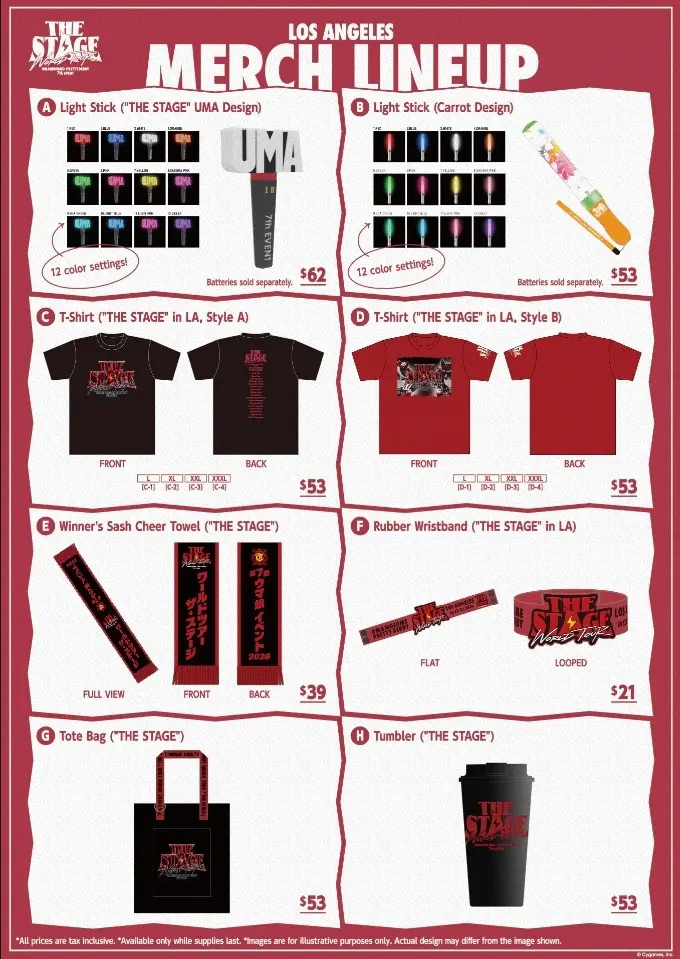
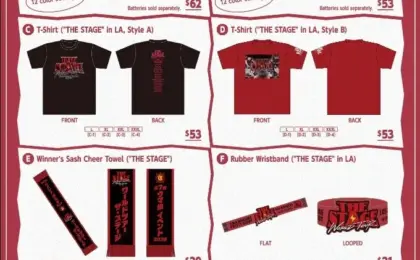
- Merchandise Logistics: The economic footprint extends directly to physical goods. Special event merchandise—including items custom-designed specifically for the Los Angeles performance—has been manufactured and prepped for venue sales. In the event of a cancellation, these region-specific items face a severely compromised secondary market, as their primary appeal is tied directly to the live event experience in the City of Angels.
Official Statements and Bureaucratic Realities
The core of the crisis stems from structural bottlenecks within international entertainment logistics and immigration processing.
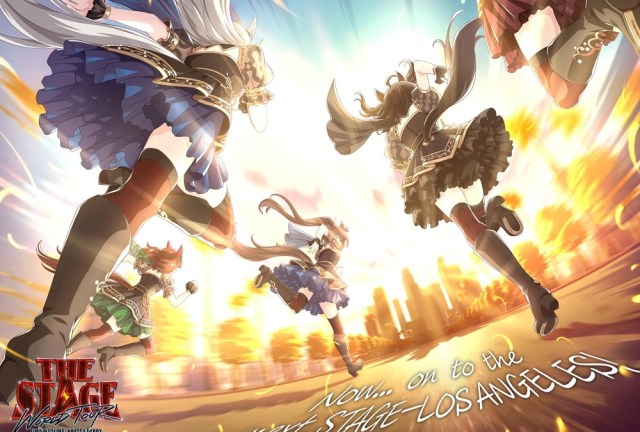
In their official joint statement released across web and social media channels, the organizing committee conveyed the gravity of their efforts:
"In preparation for the 7th Event: The Stage in Los Angeles concerts planned for Oct 22–23, 2026, we had been working with lawyers and promoters in the US to secure the visas necessary to enter the US since over six months ago, but as of now the visas have yet to be approved."
Industry analysts note that while six months is traditionally considered an adequate buffer for visa acquisition, the current climate of American bureaucratic processing is notoriously unpredictable. Administrative backlogs, increased scrutiny on foreign entertainment groups, and systemic processing delays have plagued event promoters across multiple industries. Furthermore, the complexity of this specific tour likely compounded the delay. Because the talent agencies are underwriting the high cost of flying 17 performers across the Pacific Ocean, it is widely suspected that plans included ancillary promotional activities, media appearances, and business engagements alongside the main concert dates. Each additional layer of activity expands the scope of the visa petition, inviting deeper bureaucratic scrutiny and extended processing times.
Future Outlook: Refunds, Fallouts, and Global Tour Implications
Should the October 19 deadline pass without the arrival of the required documentation, the cancellation will trigger an immediate and complex administrative cleanup.
The Immediate Aftermath: Refunds and Logistics
The most pressing consumer-facing issue will be the execution of a massive refund protocol. Returning funds to thousands of ticket holders who purchased seats ranging from $80 to $350, alongside digital purchasers of the $39/$74 livestreams, requires seamless coordination between ticket vendors, payment processors, and financial institutions. Additionally, decisions must be made regarding whether exclusive merchandise bundles will be transitioned to online storefronts to recoup manufacturing costs or if fans will be offered alternative purchasing avenues.
Ripple Effects on the Global Tour
Beyond the immediate blow to Los Angeles fans, the visa crisis casts a long shadow over the remainder of the Umamusume 7th Event World Tour: The Stage. The globetrotting itinerary includes upcoming stops in major international cultural hubs such as London and Seoul. If structural issues within the U.S. immigration framework have effectively paralyzed a tour prepared six months in advance, organizers will undoubtedly have to reassess their lead times, legal strategies, and risk management protocols for entering foreign jurisdictions.
For now, the global Umamusume community remains in suspense. Much like a high-stakes horse race decided by a microscopic margin at the wire, fans and organizers alike await a final ruling—hoping against the odds that a last-second administrative victory will clear the track before the clock runs out.




Belum ada komentar. Jadilah yang pertama berkomentar!