

Executive Overview
In the contemporary landscape of popular culture, few subgenres have achieved the quiet, enduring resonance of the food-centric drama. Moving far beyond the sensationalism of high-stakes culinary competitions or hyper-stylized gastronomy, these narratives use the preparation and sharing of simple meals as a universal language to explore human connection, grief, healing, and community. At the vanguard of this movement stands food stylist Nami Iijima, whose work has defined the visual and visceral texture of comfort food on screen for over twenty years.
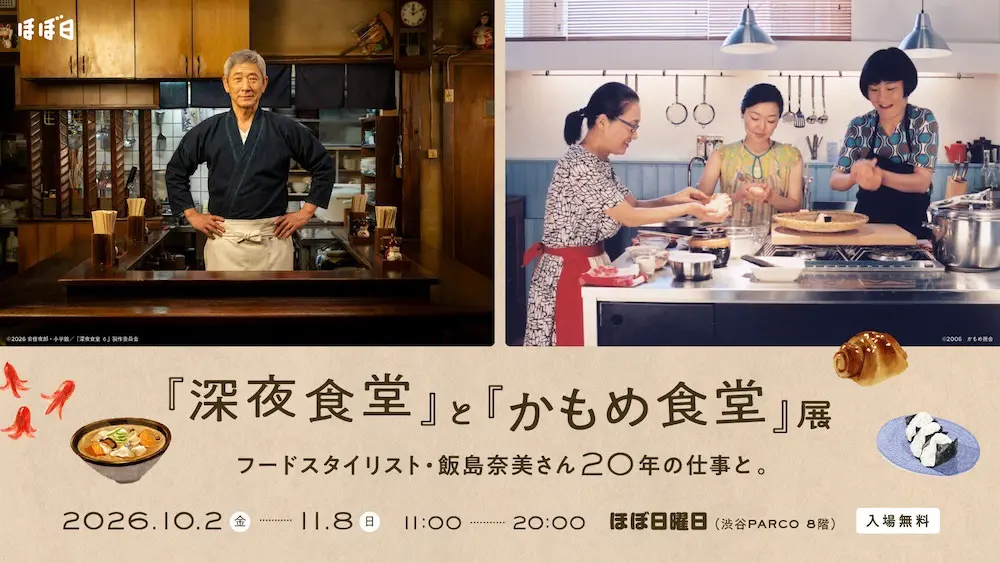
To honor this milestone, Shibuya PARCO has announced a landmark multi-week exhibition titled “Midnight Diner” and “Kamome Diner” Exhibition: Celebrating 20 Years of Nami Iijima’s Culinary Artistry. Scheduled to run from October 2 through October 12, 2026, on the 8th floor of the iconic Shibuya PARCO complex within the PARCO GALLERY space, this retrospective promises an immersive deep dive into the career of an artist who transformed screen cuisine from background set decoration into a vital storytelling character.
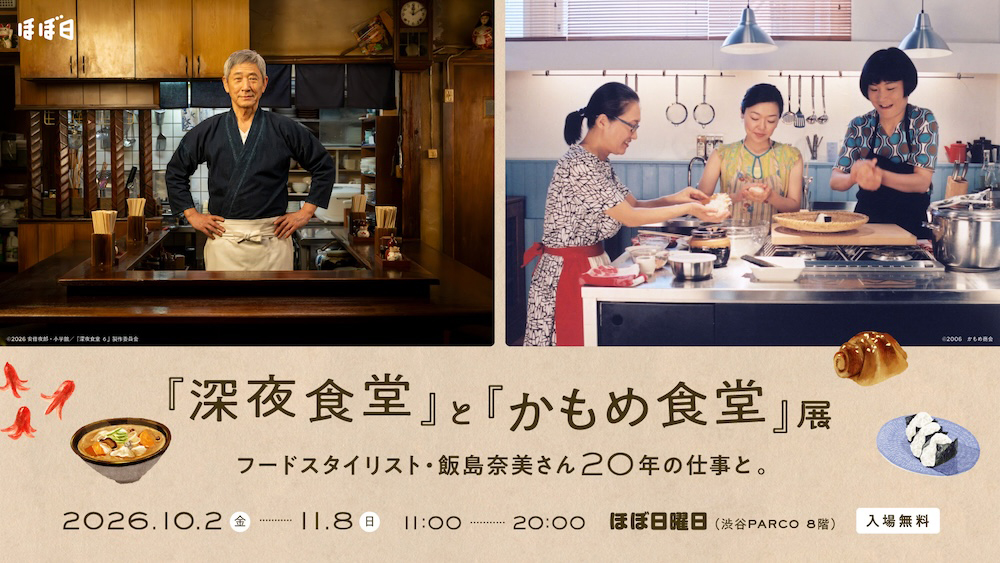
The exhibition bridges two towering pillars of modern Japanese comfort cinema and television: the seminal feature film Kamome Diner (2006) and the epoch-making television series Midnight Diner (Shinya Shokudo), whose latest iteration, Midnight Diner 6, is broadcast via MBS/TBS networks in 2026. By examining the intersection of food, memory, and media design, the exhibition invites both longtime fans and newcomers to reflect on how Nami Iijima’s meticulous styling has nourished audiences across generations.
Detailed Chronology: Two Decades of Cinematic Comfort
The trajectory of Nami Iijima’s career mirrors the evolution of the "healing drama" (iyashi kei) genre in Japanese media. The chronology of her work marks a continuous exploration of how physical nourishment translates into emotional rehabilitation.
2006: The Genesis at Kamome Diner
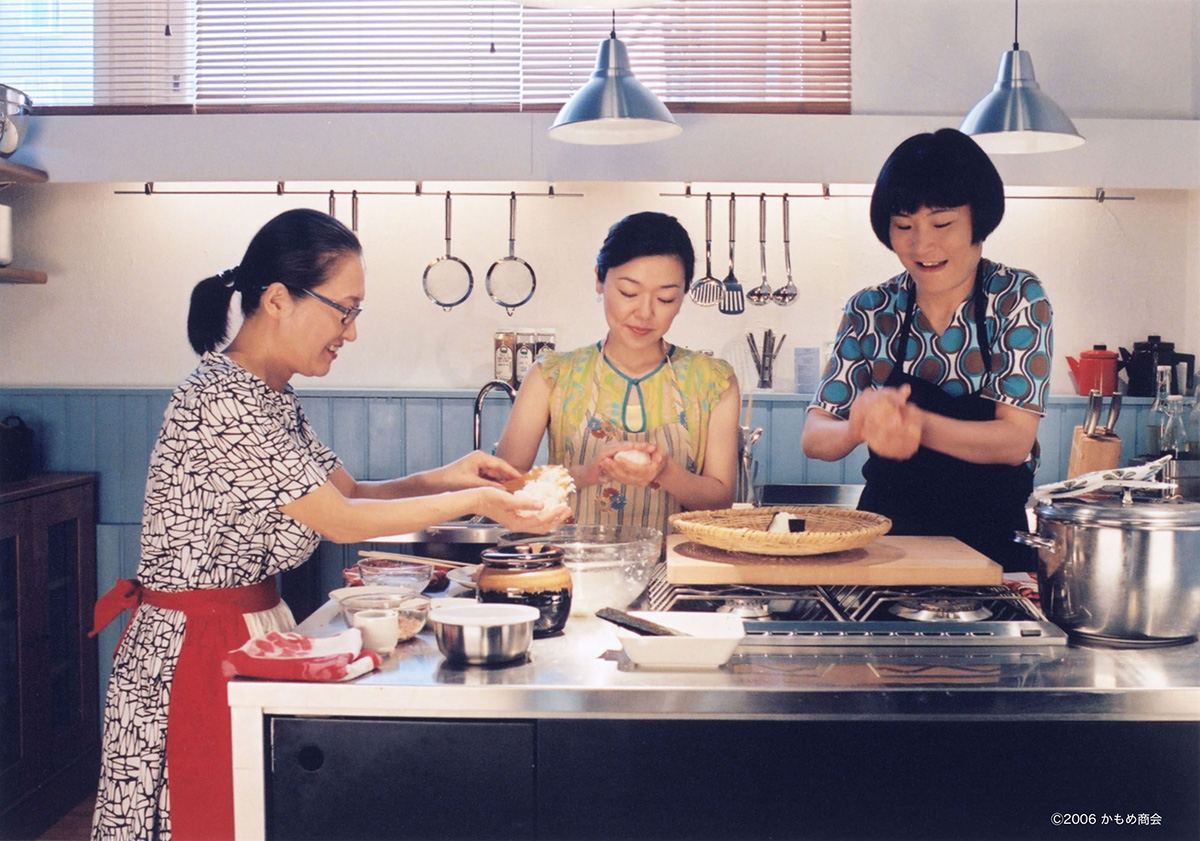
The story begins in 2006 with the release of Naoko Ogigami’s celebrated film Kamome Diner (Kamome Shokudo). Set in Helsinki, Finland, the film follows a Japanese woman who opens a modest eatery serving traditional comfort foods like onigiri (rice balls) to local residents. Iijima’s role as the food stylist was pivotal. Rather than relying on cinematic trickery, Iijima insisted on preparing real, aromatic, steaming dishes that engaged the actors genuinely. The sight of freshly fried cinnamon rolls emerging from the oven became an iconic cinematic image, drawing disparate characters together around a shared table. This film did not merely showcase food; it established a cinematic grammar where the kitchen acts as a secular sanctuary.
2009–2026: The Midnight Diner Phenomenon
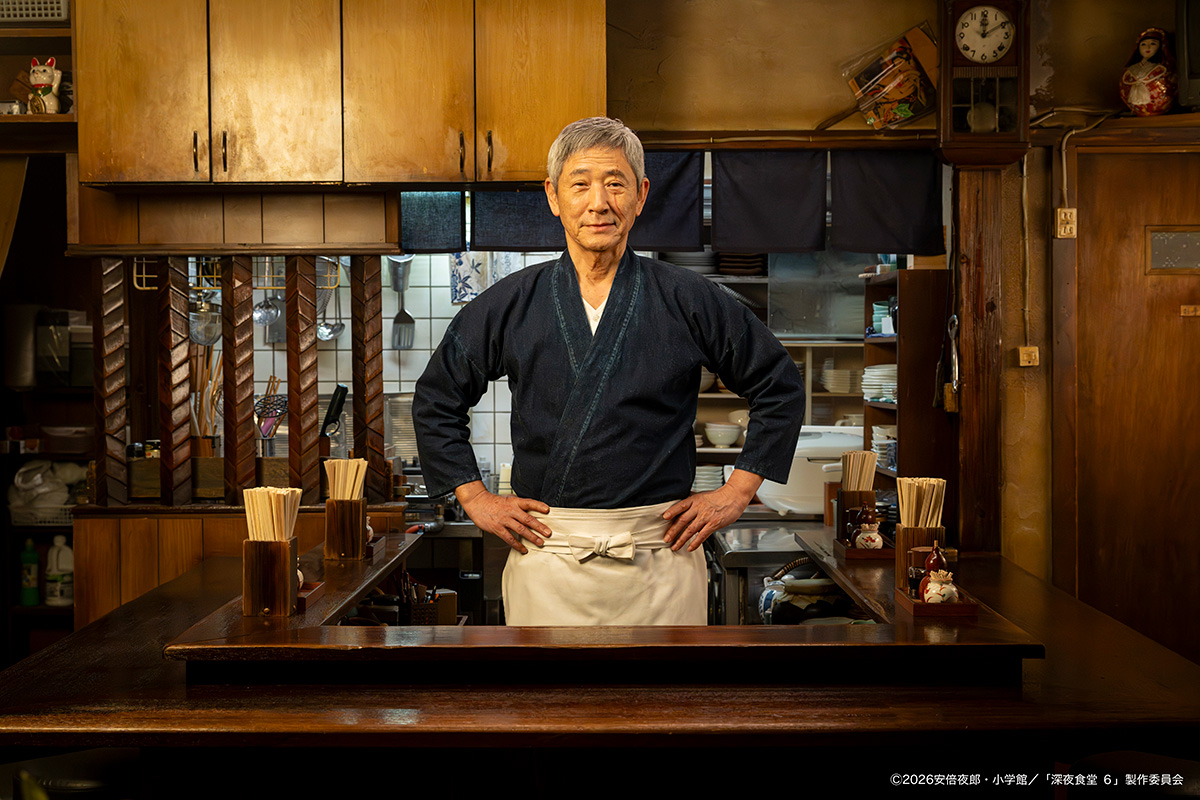
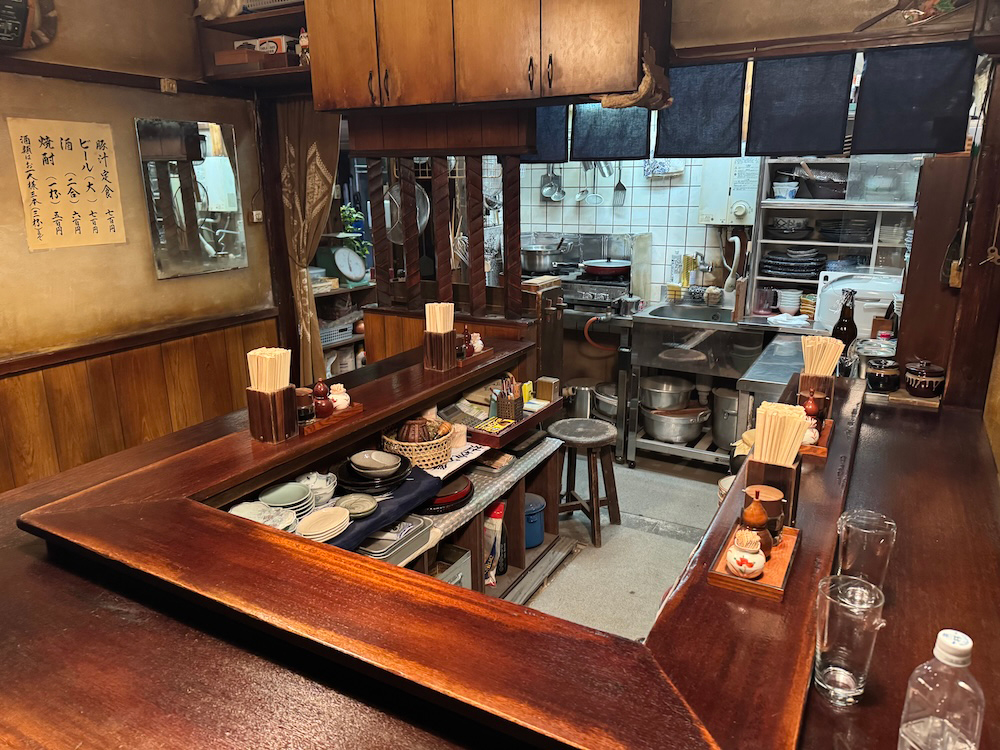
In 2009, Iijima expanded her mastery to the small screen with the premiere of Midnight Diner (Shinya Shokudo), based on Abe Yaro’s manga. Set in a tiny, nameless diner in Shinjuku’s Golden Gai district that opens only from midnight to seven in the morning, the series is anchored by the enigmatic "Master," who cooks whatever customers request as long as he has the ingredients.
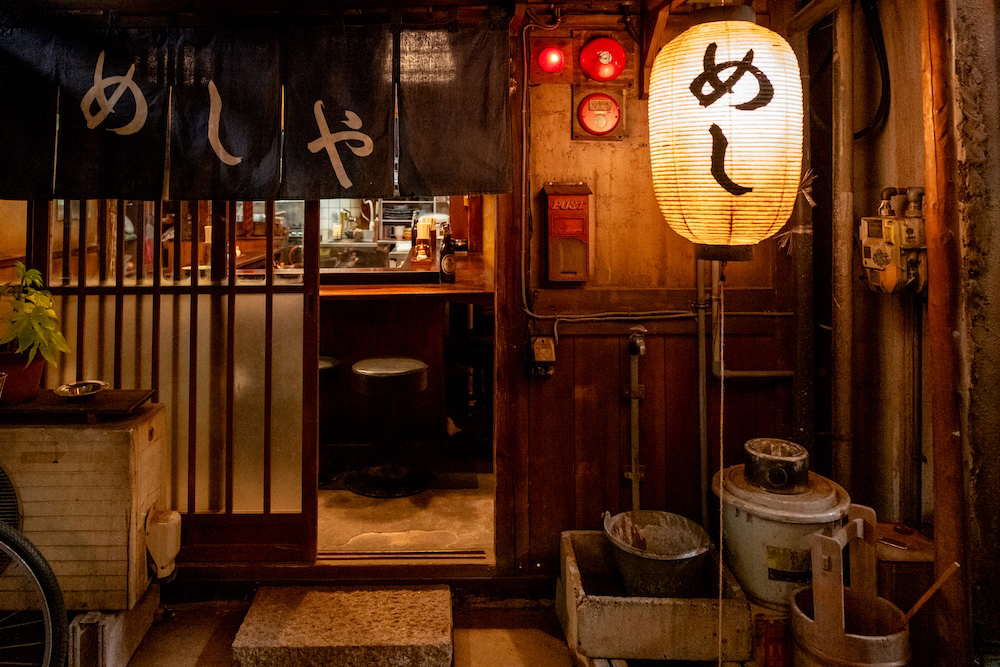
For over two decades, through multiple television seasons and theatrical films, Iijima has maintained the delicate balance between the gritty urban reality of late-night Tokyo and the warmth of home-cooked meals. Dishes like butter rice, tamagoyaki (rolled omelet), and cat rice (neko manma) became cultural touchstones. Iijima’s styling ensured that even the simplest late-night snack carried the weight of personal history, grief, and unspoken affection.
2026: The Shibuya PARCO Retrospective
Culminating these parallel milestones—the 20th anniversary of Kamome Diner and the ongoing legacy of Midnight Diner 6—the Shibuya PARCO exhibition synthesizes Iijima’s vast body of work. Visitors will bear witness to how her creative philosophy has evolved while remaining steadfastly dedicated to authenticity and human connection.
Supporting Context & Metrics: The Anatomy of Screen Cuisine
To fully appreciate the significance of Nami Iijima’s exhibition at Shibuya PARCO, one must examine the mechanics of food styling within film and television production, as well as the broader cultural economics of the iyashi kei movement.
The Mechanics of Authenticity
Unlike commercial food styling, which often prioritizes artificial perfection and visual gloss over edibility, Iijima’s approach is rooted in realism and psychological resonance.
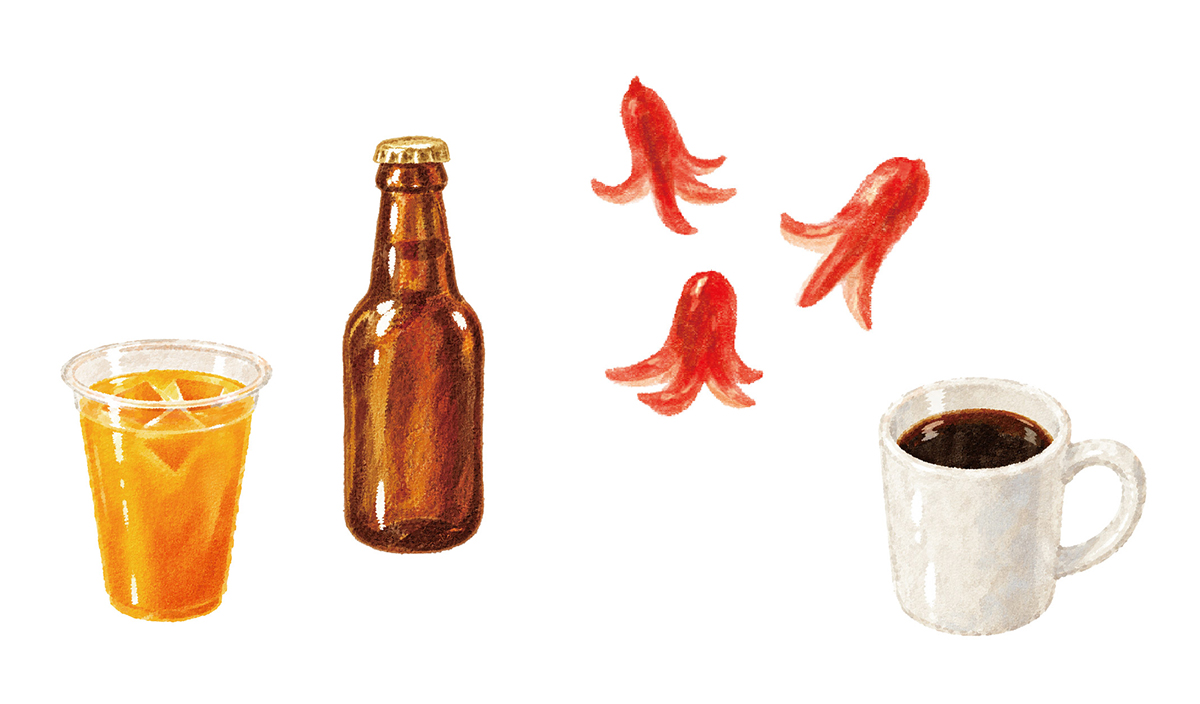
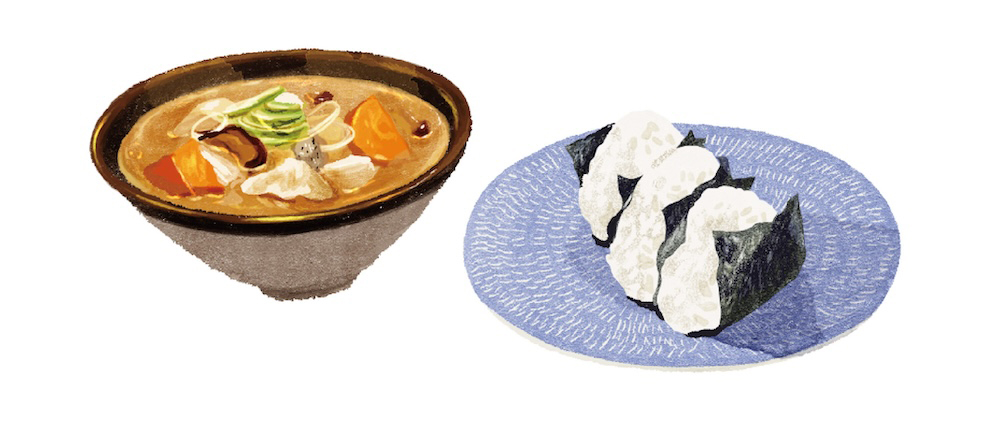
- Sensory Engagement: Actors in Midnight Diner and Kamome Diner do not merely pretend to eat; they consume freshly prepared, steaming food. The steam rising from a bowl of tonjirat (pork and vegetable miso soup) or the crisp sound of biting into a freshly fried piece of fried chicken (karaage) are captured synchronously, heightening the viewer’s ASMR and sensory immersion.
- Prop as Character: In Iijima’s philosophy, a dish reflects the psychological state of the character ordering it. A regular ordering simple butter rice speaks volumes about childhood nostalgia, isolation, and comfort. The props are curated to reflect lived-in spaces rather than sterile studio sets.
Cultural Metrics and Economic Footprint
The cultural weight of Iijima’s work is reflected in several key performance indicators within Japanese media:
- Longevity: Midnight Diner has spanned over 15 years across television formats, proving the viability of quiet, episodic storytelling in an era dominated by high-octane serials.
- Tourism and Culinary Tourism: Kamome Diner famously sparked a wave of Japanese tourism to Helsinki, Finland, demonstrating the power of cinematic food styling to drive international travel and cross-cultural appreciation.
- Cross-Media Synergy: The exhibition itself represents a sophisticated synergy between publishing houses (such as Shogakukan and Hobonichi), commercial galleries, and lifestyle brands, transforming a niche craft into a major public cultural event.
Official Statements and Curatorial Insights
The exhibition at PARCO GALLERY (Shibuya PARCO, 8th Floor) has been meticulously curated to offer a multi-sensory experience. According to promotional materials and statements released by the editorial teams and organizers:
"For twenty years, Nami Iijima has quietly nourished our screens and our souls. Her work reminds us that food is never just sustenance—it is a repository of memory, an invitation to dialogue, and a bridge across human loneliness. This exhibition is not a retrospective of props, but a celebration of empathy made tangible through the culinary arts."
The exhibition layout features:
- Reconstructed Sets: Full-scale physical recreations of the iconic diners from both Kamome Diner and Midnight Diner, allowing visitors to stand in the spaces where cinematic history was made.
- Archival Visuals: A comprehensive collection of behind-the-scenes photography, original storyboards, prop notes, and script annotations detailing Iijima’s creative process.
- Interactive Installations: Special video presentations highlighting the preparation of signature dishes, paired with audio commentary from directors, cast members, and Iijima herself.
Advance ticket sales and reservation details went live on September 24, 2026, at 17:00 JST, reflecting immense public demand. Given the limited run from October 3 to October 12, industry analysts anticipate packed galleries and extensive merchandise sales featuring commemorative books, kitchenware, and replicas of iconic props.
Future Outlook: The Enduring Legacy of Iijima’s Craft
As television and film production increasingly pivot toward digital effects and fast-paced narratives, the work of Nami Iijima stands as a vital anchor to the tangible, the tactile, and the human.
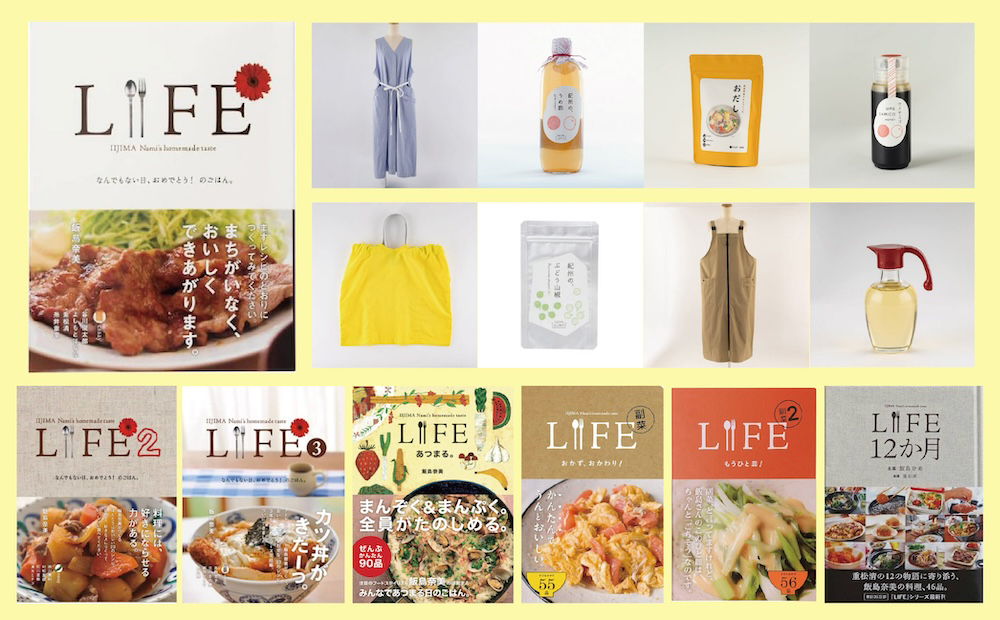
The Shibuya PARCO exhibition serves as both a celebration of past achievements and a manifesto for the future of culinary storytelling. By demonstrating that audiences continue to crave stories centered on quiet listening, shared meals, and mutual understanding, Iijima’s twenty-year legacy challenges creators across all media to prioritize depth over spectacle.
Looking ahead, the techniques pioneered by Iijima—treating food as emotional architecture—will undoubtedly influence the next generation of food stylists, set designers, and filmmakers. As Midnight Diner 6 continues to captivate contemporary viewers and Kamome Diner retains its status as a timeless classic, the Shibuya PARCO exhibition cements Nami Iijima’s rightful place not just as a master stylist, but as one of the defining cultural architects of modern Japanese comfort media.





Belum ada komentar. Jadilah yang pertama berkomentar!