The contemporary media and advertising landscape is currently undergoing a seismic transformation, driven by the explosive emergence and integration of artificial intelligence (AI) across every stage of the production pipeline. As algorithms increasingly co-author narratives, generate photorealistic visual sequences, and automate complex editing workflows, the traditional paradigms of creative direction are being fundamentally rewritten.
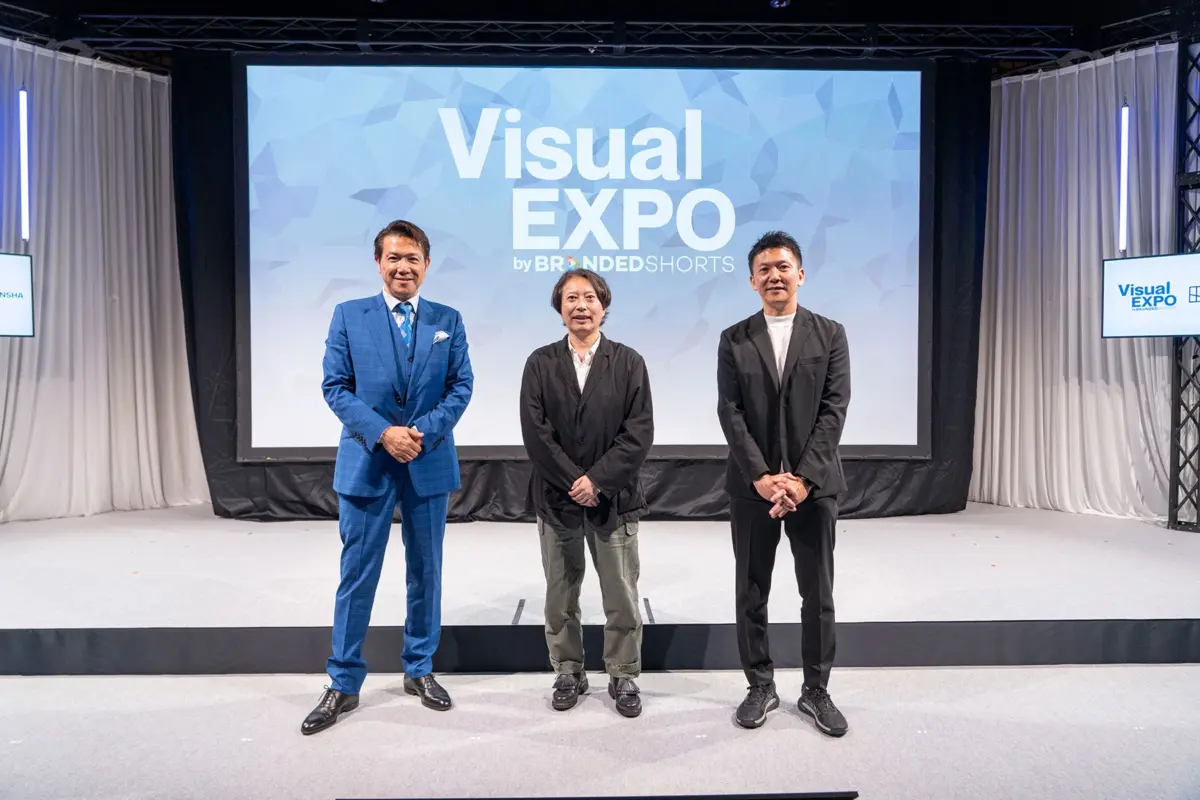
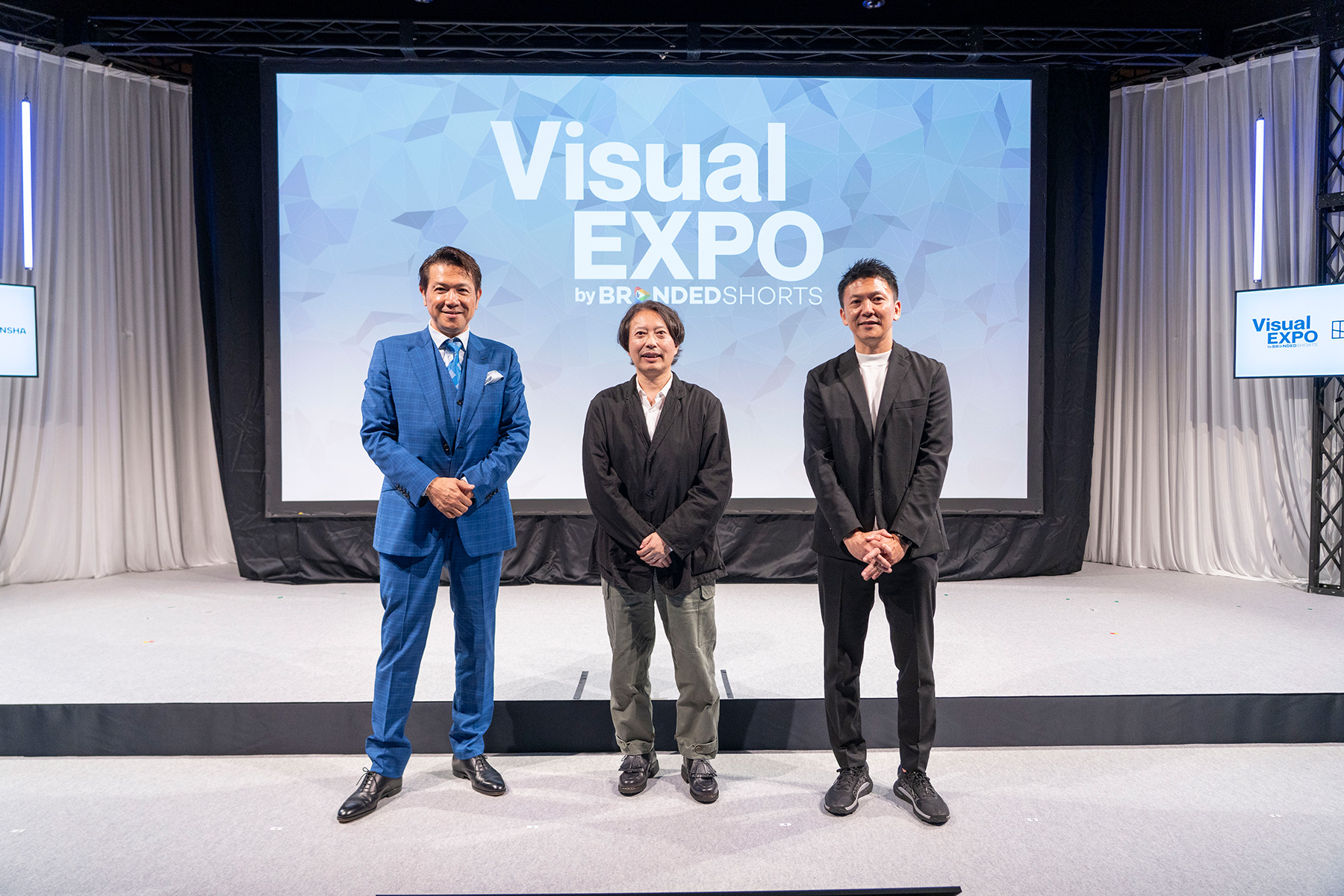
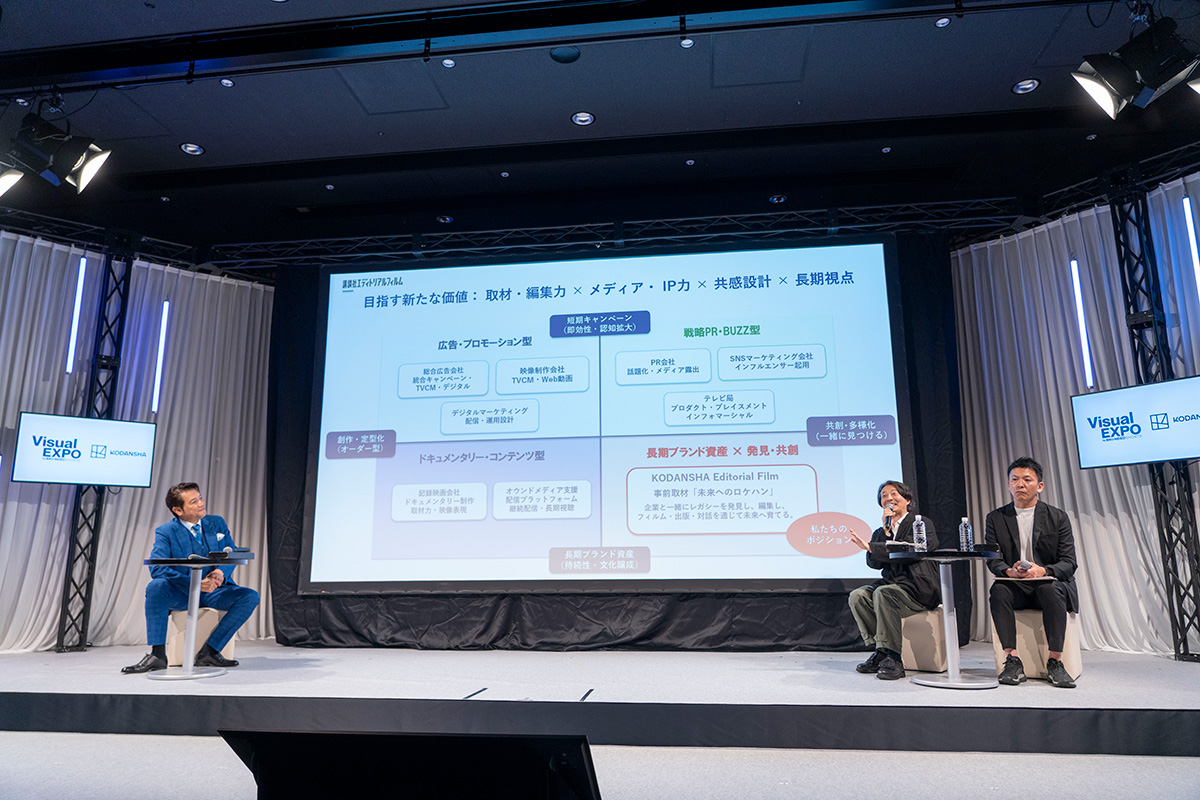
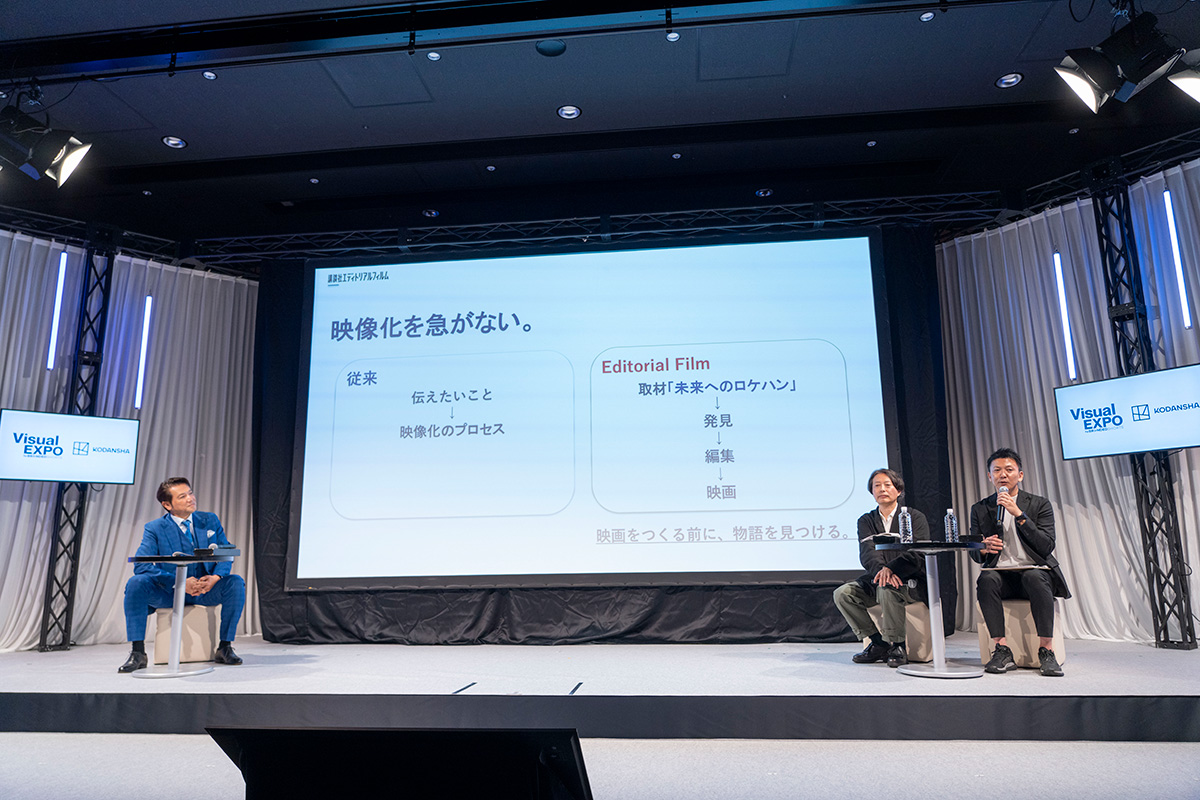
At the center of this dynamic evolution stands the Visual EXPO by BRANDED SHORTS 2026, a landmark industry symposium held on September 28 and 29. Designed to interrogate the collision between human ingenuity and machine-generated efficiency, the two-day event brought together visionary directors, technologists, ethicists, and advertising executives to grapple with a pressing, central question: In an era where algorithms can instantly draft scripts, render cinematic worlds, and optimize viewer retention, what is the irreplaceable value of human emotion?
This comprehensive report examines the core themes, tensions, and breakthrough revelations emerging from the 2026 Visual EXPO. By analyzing the friction between computational efficiency and artistic authorship, we explore how industry leaders are redefining the boundaries of commercial filmmaking, wrestling with intellectual property rights, and charting a sustainable path forward for the global creative economy.
Detailed Chronology: The Anatomy of the 2026 Visual EXPO
Day One: Setting the Stage for Computational Creativity
The inaugural day of the Visual EXPO opened to a packed auditorium of industry professionals, digital artists, and enterprise stakeholders. The atmosphere was charged with a mixture of excitement and cautious apprehension. As generative video models such as Sora, Runway Gen-3, and proprietary enterprise pipelines demonstrated the capacity to generate high-fidelity cinematic sequences from simple text prompts in mere seconds, the immediate reaction of the creative community was one of profound disruption.
The morning sessions immediately tackled the elephant in the room: copyright ownership in the age of machine learning. Panelists debated whether training foundational models on historical cinematic corpuses constitutes fair use or systemic infringement. Industry veterans noted that while AI tools dramatically lower the barrier to entry for independent creators, they simultaneously devalue foundational craft skills like storyboarding, lighting design, and physical cinematography.
By the afternoon, discussions shifted toward practical integration. Rather than framing AI as an existential threat, forward-thinking agencies presented case studies demonstrating how automated generation tools could be harnessed for rapid prototyping, pre-visualization, and localized asset generation. However, these presentations were consistently met with sharp pushback from union representatives and veteran directors, who argued that hyper-efficient workflows often sacrifice the cultural nuance and accidental brilliance that define true masterworks.
Day Two: Deep Dives, Ethical Frameworks, and Strategic Pivots
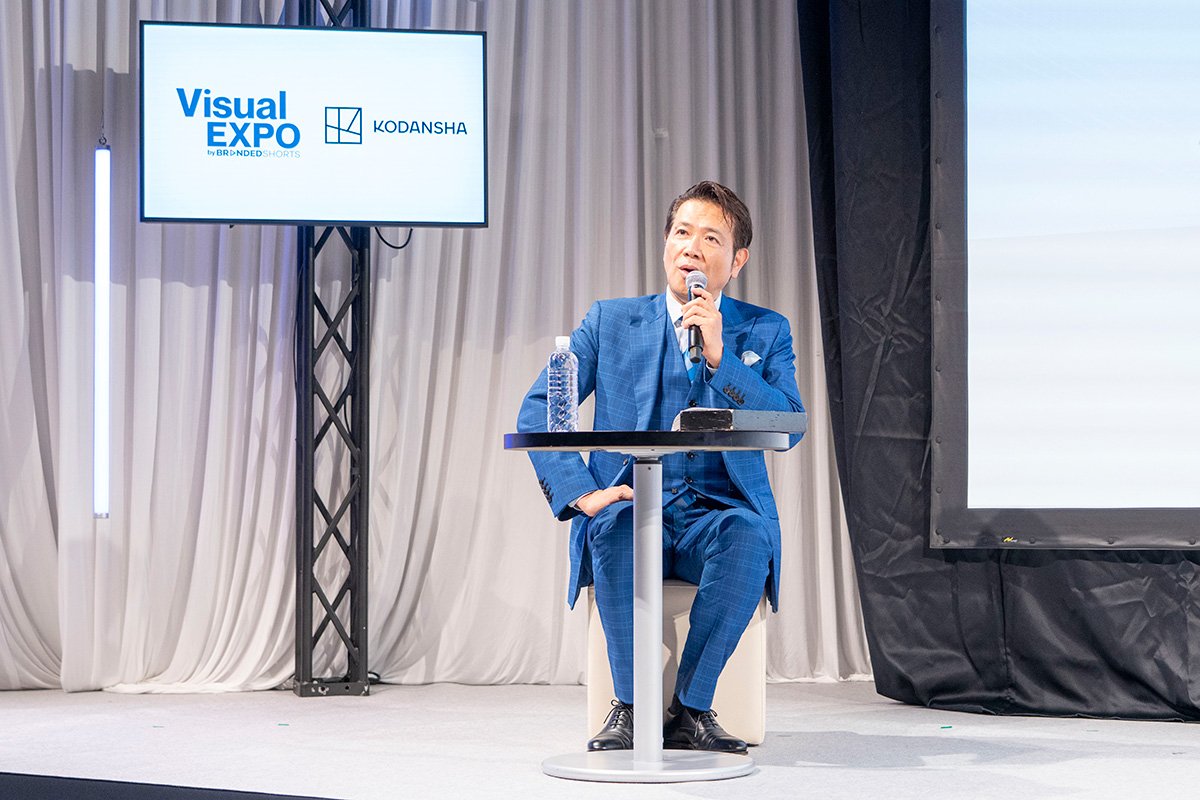
Day two intensified the debate, focusing heavily on ethical guidelines, talent retention, and the psychological impact of displacement on creative workers. A highlight of the second day was a keynote address examining the friction points between automated efficiency and artistic autonomy.
Speakers emphasized that while AI excels at pattern matching, synthesis, and iterative scaling, it fundamentally lacks lived experience—the very wellspring from which authentic storytelling emerges. Discussions underscored the necessity of establishing transparent disclosure standards across all media forms. Audiences, brands, and regulatory bodies are increasingly demanding to know the provenance of visual content, creating a market premium for certified "Human-Made" media.
The afternoon featured live demonstrations of hybrid workflows. Creators showcased projects where AI was utilized strictly as an advanced ideation partner—a sophisticated sounding board to stress-test narrative structures—while the actual execution, emotional pacing, and nuanced direction remained firmly in human hands. This collaborative model offered a glimpse of a balanced future, though questions regarding fair compensation for data providers and displaced technicians remained stubbornly unresolved.
Supporting Context & Metrics: The Shifting Media Ecosystem
To fully understand the gravity of the discussions at the 2026 Visual EXPO, one must examine the broader economic and technological metrics governing the global advertising and film production industries. Over the past three years, the volume of digital content consumption has surged exponentially, placing unprecedented demands on production houses to scale output without inflating budgets.
According to recent industry analyses:
Content Velocity: Brands are currently expected to produce up to ten times the volume of video assets compared to pre-2024 benchmarks, a demand that is physically impossible to meet through traditional live-action production alone.
Adoption Rates: Over 68% of major global marketing agencies have integrated generative AI tools into their pre-production or post-production pipelines as of 2026.
Economic Disparity: While overall production spend has plateaued, the allocation of funds has shifted dramatically toward software licenses, prompt engineering talent, and legal counsel specializing in intellectual property, often at the expense of traditional craft roles such as grips, production assistants, and junior editors.
Production Metric
Traditional Workflow (Pre-2024)
Modern Hybrid Workflow (2026)
Trajectory
Average Ideation Phase
3 – 6 Weeks
2 – 5 Days
Rapid Acceleration
Asset Generation Cost
High (Location, Crew, Equipment)
Variable (Compute & Licensing)
Significant Cost Reduction
Content Output Volume
Baseline Standard
5x to 10x Expansion
Exponential Growth
Ethical & Legal Oversight
Minimal / Standard Copyright
Rigorous Disclosure Frameworks
Rising Scrutiny
The data reveals a stark reality: efficiency gains are undeniable, but the psychological and economic toll on creative labor forces cannot be ignored. The symposium provided a vital platform to map these metrics against real-world human experiences, ensuring that technological progress does not outpace ethical governance.
Official Statements and Industry Perspectives
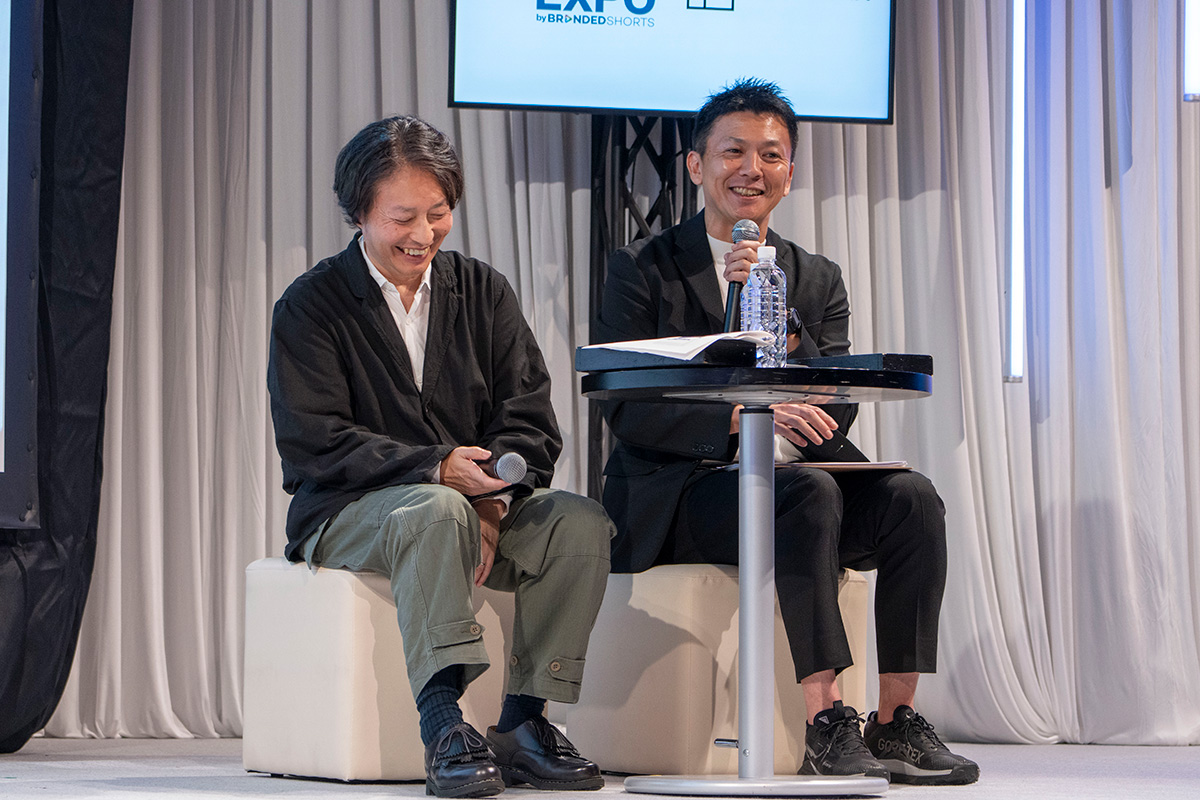
Throughout the Visual EXPO, key figures from across the advertising, film, and technology sectors shared their insights, reflecting a complex mosaic of optimism, caution, and resistance.
The Technologist’s View: Scaling Human Imagination
Tech advocates argued that AI represents the ultimate democratization of cinema. By removing the financial gatekeepers that have historically restricted filmmaking to heavily funded studios, generative tools allow anyone with a compelling vision to bring cinematic worlds to life.
"We are not replacing the artist; we are supercharging their intent," noted one leading AI researcher during a plenary session. "Just as the digital camera and non-linear editing software democratized filmmaking decades ago, generative AI is simply the next logical evolution in our eternal quest to visualize the human imagination."
The Creator’s View: Preserving Authenticity and Soul
Conversely, traditional directors and cinematographers voiced deep concerns over the erosion of craft. They argued that cinema derives its power from the friction of reality—the happy accidents, weather delays, and flawed human performances that create emotional resonance.
"An algorithm can synthesize a photorealistic sunset, but it cannot capture the exhaustion and triumph of a crew working through the night to capture it," warned an award-winning commercial director. "If we optimize away the human struggle, we optimize away the soul of the art form."
The Agency and Brand Perspective: Navigating the Balancing Act
Brand executives found themselves caught in the crossfire. While under immense pressure from shareholders to reduce production timelines and maximize ROI, marketing leaders also recognize that consumer backlash against overtly sterile, AI-generated advertising can severely damage brand equity. Consequently, many agencies are adopting a "trust-but-verify" approach, implementing internal compliance protocols to vet the ethical sourcing of training data used by their technology vendors.
Future Outlook: Navigating the Road Ahead
As the dust settles on the Visual EXPO by BRANDED SHORTS 2026, the trajectory for the media industry over the next 12 to 36 months is coming into sharper focus. The conference served not as a definitive resolution to the AI debate, but as a crucial waypoint in an ongoing negotiation between innovation and preservation.
Key Predictions for the Industry (2027–2030)
Mandatory Provenance Tracking: By 2027, consumer demand for authenticity will drive the widespread adoption of cryptographic watermarking and digital provenance standards (such as C2PA protocols). Brands that fail to transparently disclose their use of AI will face severe consumer alienation.
The Rise of the "AI Creative Director": The role of the traditional director is evolving into that of a master curator and prompt architect. Rather than operating cameras or adjusting lighting rigs physically, future creators will spend their time guiding, curating, and refining machine-generated outputs.
Regulatory Stabilization: Governments and international bodies are expected to introduce more robust legal frameworks governing the use of copyrighted works in AI training datasets, providing greater legal certainty for studios and agencies.
In conclusion, the Visual EXPO 2026 demonstrated that while the tools of filmmaking are undergoing an irreversible metamorphosis, the fundamental human desire for connection, empathy, and storytelling remains unchanged. The challenge for the industry moving forward lies not in resisting technological inevitability, but in mastering it—ensuring that artificial intelligence serves to elevate, rather than erase, the human spirit at the heart of cinematic art.












Belum ada komentar. Jadilah yang pertama berkomentar!