

Executive Overview
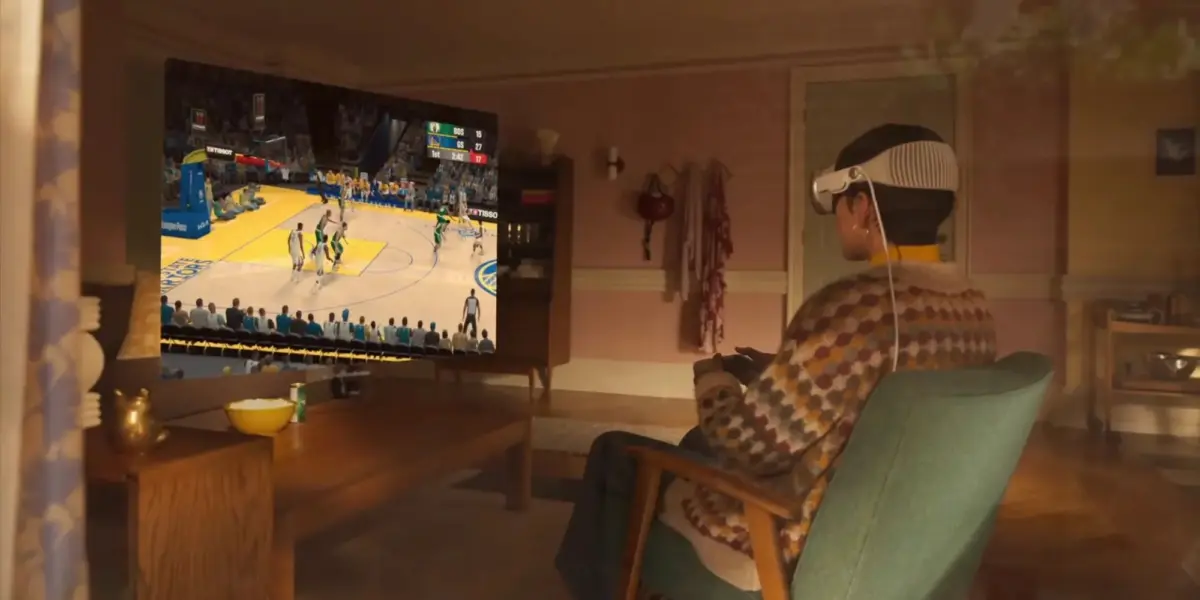
The spatial computing landscape is undergoing a significant paradigm shift. While Apple’s revolutionary mixed-reality headset, the Apple Vision Pro, has consistently garnered praise for its industry-leading media consumption capabilities—ranging from breathtaking Apple Immersive Video productions to high-end cinematic playback—its gaming ecosystem has historically been restricted by native platform limits. That barrier is officially beginning to crumble.
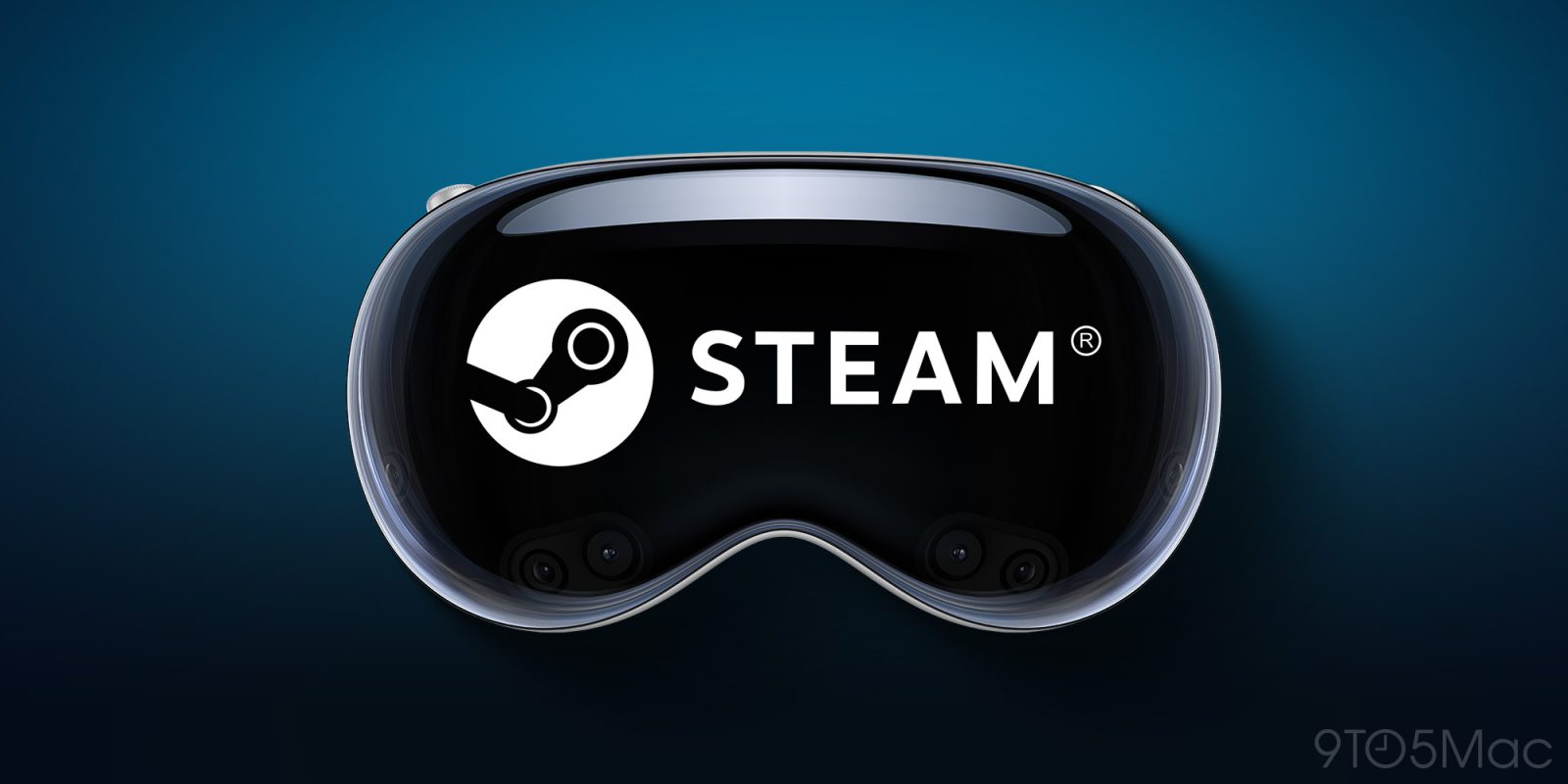
Valve has announced the rollout of a native Steam Link application designed specifically for visionOS. Currently available as an early public beta via Apple’s TestFlight platform, this new integration bridges the gap between traditional PC gaming and cutting-edge spatial environments. Users can now stream their entire Steam game libraries directly to their Apple Vision Pro.
Although the initial release is strictly tailored for 2D gaming rather than native virtual reality (VR) titles, the addition of a native Steam Link client marks a monumental stride for the device. It grants users the ability to play heavy-duty PC and Mac games on a massively scalable, crystal-clear virtual display anywhere they choose. As visionOS continues to mature—bolstered by recent software updates like visionOS 26.4—this development signals that Apple and third-party developers are dead-set on transforming the Vision Pro into an all-encompassing entertainment powerhouse.
Detailed Chronology: How Steam Link Landed on visionOS
The journey toward bringing Valve’s premier streaming technology to Apple’s spatial operating system has been marked by steady, incremental advancements in hardware, software, and developer adoption.
The Foundation of visionOS Gaming
When the Apple Vision Pro launched, its gaming portfolio leaned heavily on titles available through Apple Arcade, native iPad apps, and selective spatial experiences built specifically for the R1 and M2 chip architecture. While these titles showcased the precision of eye-tracking and hand-gesture controls, core gamers hungered for access to traditional desktop libraries.
Apple steadily laid the groundwork for enhanced controller support, Bluetooth peripheral integration, and advanced display rendering through successive visionOS updates. By the time visionOS 26.4 rolled out in early 2026, performance optimizations had substantially reduced latency and improved graphics rendering capabilities within virtual windows.
Valve’s Multi-Platform Expansion Strategy
Valve’s Steam Link application has long been a staple of the modern gamer’s toolkit, allowing users to stream games running on a host computer (PC or Mac) to various remote screens over a local network. Over the years, Valve expanded Steam Link from mobile platforms like iOS and Android to Apple TV, iPad, and macOS.
However, bringing the app to visionOS presented unique interface and performance challenges. Unlike traditional flat screens, a visionOS application must integrate seamlessly into a 3D environment, respecting system-level window management, pass-through boundaries, and dynamic lighting.
The TestFlight Beta Launch
In April 2026, Valve officially breached the barrier by dropping the first native visionOS Steam Link client into public testing. Distributed via Apple’s TestFlight service, the beta version opened the floodgates for early adopters and enthusiasts to test out PC streaming within their physical environments.
According to official release notes from Valve, this specialized client brings several critical performance upgrades right out of the gate:
- Enhanced Network Protocols: Optimized data packets to reduce latency over Wi-Fi networks.
- 4K Streaming Support: Capability to stream compatible games at ultra-high-definition resolutions.
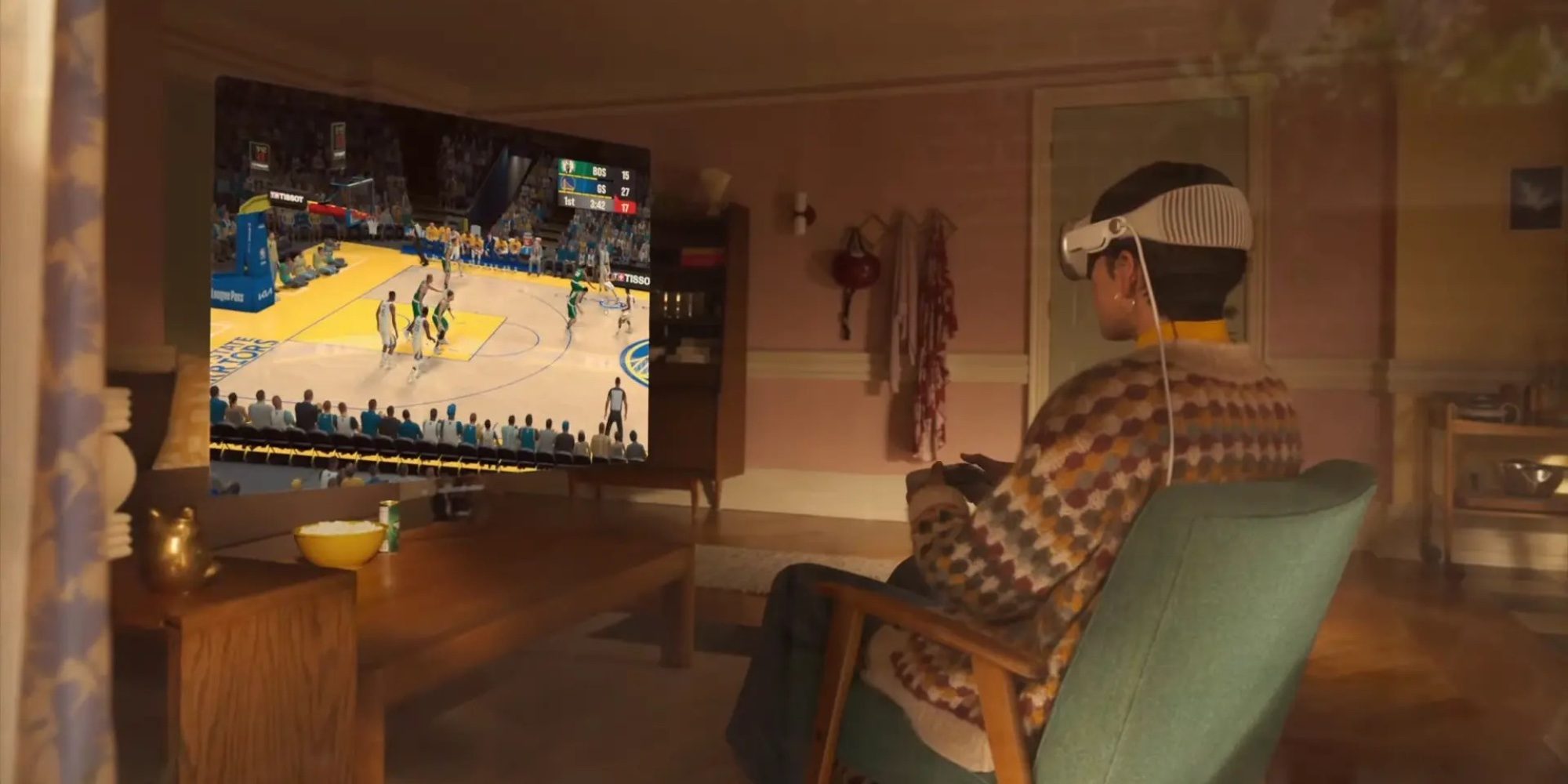
- Dynamic Curved Displays: Support for adjustable panoramic viewing modes that wrap the game window around the user’s field of view.
Supporting Context & Metrics: What This Means for Gamers
To fully understand the impact of the Steam Link beta on the Apple Vision Pro, one must examine the technical specifications, structural limitations, and the broader context of remote-play technology.
Understanding the 2D Limitation
The most crucial detail of Valve’s initial visionOS release is its explicit restriction: this client is for 2D streaming only and does not support VR content.
Many prospective buyers initially wonder if the Vision Pro can act as a direct replacement for PC VR headsets like the Meta Quest or Valve Index, running SteamVR titles natively inside the headset. As of now, the answer remains nuanced. While third-party workarounds and specialized developer tools have historically enabled varying degrees of PC VR streaming to Apple’s headset, the official Steam Link app is focused entirely on delivering flat-screen (2D) gaming experiences.
Despite this limitation, industry analysts point out that the value proposition remains immense. Playing a traditional AAA title or an indie masterpiece on a virtual screen that can be scaled up to the size of an IMAX theater—all while sitting comfortably on a couch without holding a physical device—redefines casual and intense desktop gaming alike.
Network Performance and Hardware Requirements
Streaming high-framerate, high-resolution games from a host PC to a headset requires robust network infrastructure. To maximize the 4K streaming capabilities introduced in the visionOS beta, users typically require:

- A robust host computer equipped with a dedicated graphics card (GPU) capable of rendering modern titles.
- A high-speed Wi-Fi 6 or Wi-Fi 6E router to minimize packet loss and keep latency well below human perception thresholds (ideally under 20-30 milliseconds).
- A compatible Bluetooth controller, such as an Xbox Wireless Controller, PlayStation DualSense, or similar gamepad paired directly to the Apple Vision Pro.
Official Statements & Community Response
The announcement sent ripples through both the Apple enthusiast community and the PC gaming scene, sparking discussions across Reddit, the official Steam Community forums, and tech blogs alike.
In Valve’s official community announcement thread, developers highlighted the technical milestones achieved in the new build:
"This update improves network performance, allows streaming up to 4K resolutions, and allows you to dynamically adjust the curve of the display in panoramic mode. This client is for 2D streaming only and does not support VR content."
Early testers on TestFlight have shared largely positive feedback regarding the visual fidelity. Because the Apple Vision Pro utilizes dual micro-OLED displays boasting staggering pixel densities, text remains razor-sharp, and colors pop with incredible vibrancy—giving traditional 2D games a visual clarity that often surpasses standard desktop monitors or television sets.
However, users have also emphasized the importance of network optimization. Those attempting to stream over congested 2.4GHz Wi-Fi networks reported micro-stutters and compression artifacts, reinforcing Valve’s recommendation for clean, high-bandwidth 5GHz or 6GHz wireless connections.

Future Outlook: The Road Ahead for Spatial Gaming
The arrival of Steam Link on visionOS is unlikely to be a passing novelty; rather, it represents a foundational stepping stone for the future of spatial entertainment.
Bridging the Ecosystem Divide
Apple has historically maintained a walled garden approach to its hardware ecosystems, prioritizing optimized, native applications developed specifically for iOS, iPadOS, macOS, and visionOS. By welcoming an open platform giant like Valve into the visionOS fold, Apple is signaling a pragmatic willingness to embrace established industry tools that enrich its device ecosystem.
What Lies Beyond 2D Streaming?
As developers continue to push the boundaries of visionOS, the community naturally looks toward the horizon:
- Native VR Integration: Will official SteamVR support ever come to the Apple Vision Pro natively via Steam Link? While technical hurdles—such as tracking compatibility, refresh rate alignment, and controller mapping—remain significant, continuous software iterations make nothing impossible in the long term.
- Expanded Peripheral Support: Future updates may bring even deeper integration with specialized gaming peripherals, mechanical keyboards, and high-precision mice within spatial environments.
- Mainstream Adoption: As the cost of spatial computing hardware scales and developer kits become more accessible, having a massive library of PC games available instantly inside a headset could serve as a primary catalyst for consumer adoption.
For now, the Steam Link beta for visionOS stands as a brilliant bridge between two worlds: the powerhouse computational capabilities of a gaming PC and the unmatched visual fidelity of Apple’s spatial computing hardware. Whether you are looking to dive into massive open-world RPGs, fast-paced strategy games, or indie gems on a floating cinematic display, your Steam library has never been closer—or looked quite this good.






Belum ada komentar. Jadilah yang pertama berkomentar!