

Executive Overview
The Japanese theatrical landscape is bracing for a significant creative milestone as acclaimed writer, director, and performer Mitsuhiro Uchida announces his upcoming theatrical work, Time moves on ~Midori to Kyosuke no Sei~. Slated for a major performance run across March and April 2027, the production promises to be a complex, emotionally resonant exploration of human relationships, time, and identity.
Known for his uncompromising artistic vision and multi-hyphenate involvement in his projects—handling everything from writing and directing to central performance roles—Uchida’s latest endeavor is already generating intense anticipation among contemporary theater critics and performance arts enthusiasts alike. This comprehensive report explores the genesis of the production, the artistic framework crafted by Uchida, the logistical rollout across the spring 2027 window, and the broader cultural implications of this highly anticipated stage venture.
Detailed Chronology of Production & Announcements
The Genesis of a Vision
The conceptualization of Time moves on ~Midori to Kyosuke no Sei~ represents a culmination of years of theatrical experimentation and narrative refinement by Mitsuhiro Uchida. While initial foundational ideas for the piece began taking shape roughly a decade ago, the project transitioned into active development in earnest during February and March of 2023.
During these early developmental workshops, Uchida focused heavily on stripping away conventional narrative scaffolding to lay bare the psychological underpinnings of the central characters, Midori and Kyosuke. Rather than rushing the production to the stage, the creative team opted for an elongated, deliberate incubation period. This allowed the thematic elements—specifically how memory degrades and transforms over extended chronological periods—to mature naturally alongside the characters themselves.
Milestones leading to the 2027 Premiere
- Early Conception (Approx. 10 Years Prior): Initial thematic germs regarding time’s passage and interpersonal friction take root in Uchida’s creative portfolio.
- Intensive Development Phase (February – March 2023): Groundwork sessions, script structuring, and preliminary character studies commence under Uchida’s direct supervision.
- Refinement & Workshop Cycle (2024–2025): Closed-door readings and experimental staging sessions test the structural integrity of the script, integrating minimalist stage design with avant-garde movement choreography.
- Official Announcement & Teaser Launch (October 2026): Public unveiling of the production title, key visual assets, and the broad theatrical window of March–April 2027.
- Upcoming Spring 2027 Run: The scheduled theatrical premieres and regional block performances across targeted Japanese venues.
Artistic Framework & Thematic Exploration
The Auteur Approach: Writing, Directing, and Performing
Mitsuhiro Uchida occupies a rare space in modern Japanese theater as a true auteur who refuses to compartmentalize the creative process. By simultaneously authoring the text, helming the direction, and anchoring the production as a primary performer, Uchida maintains absolute creative cohesion.
In Time moves on ~Midori to Kyosuke no Sei~, this multi-layered involvement ensures that the psychological weight embedded in the script is translated directly onto the physical stage without dilution. Performers working under Uchida’s direction often note his demanding yet deeply collaborative rehearsal style, which encourages actors to draw from personal vulnerability to build complex stage personas.
Deconstructing Time and Human Fragility
The title itself—Time moves on—serves as both a literal premise and a philosophical anchor for the narrative. The secondary clause, ~Midori to Kyosuke no Sei~ (translating roughly to ~Midori and Kyosuke’s Essence/Fault~), hints at a turbulent dynamic between the two titular figures.
Industry insiders close to the production have hinted that the play examines the friction between linear clock-time and subjective, emotional time. How do two individuals grow apart while occupying the same physical and temporal space? How do past grievances calcify into defining personality traits? Uchida’s script reportedly avoids easy resolutions, opting instead for a bittersweet, highly atmospheric deep-dive into regret, reconciliation, and the quiet tragedies of everyday existence.
+---------------------------------------------------------------+
|                  UCHIDA'S CREATIVE TRIFECTA                   |
+-----------------------+---------------------------------------+
| Writing               | Uncompromising, dialogue-driven scripts|
| Directing             | Minimalist staging, high psychological |
|                       | tension                               |
| Performance           | Grounded, emotionally exposed onstage |
|                       | presence                              |
+-----------------------+---------------------------------------+
Production Context, Design, and Creative Metrics
Minimalist Aesthetics and Avant-Garde Sensibility
True to Uchida’s signature style, Time moves on ~Midori to Kyosuke no Sei~ relies heavily on stark, evocative set designs rather than lavish, literalistic recreations of environments. Early promotional materials and teaser imagery released in October 2026 suggest a heavy emphasis on shadow work, architectural minimalism, and symbolic lighting cues designed to manipulate the audience’s perception of spatial depth.
The sound design is expected to play a critical character role within the production. Rather than utilizing traditional theatrical scoring to dictate emotional responses, the audio landscape incorporates ambient soundscapes, deliberate silences, and rhythmic acoustic motifs that mirror the relentless, unyielding ticking of an unseen clock.
Scale, Scope, and Resource Allocation
While full financial disclosures remain private, production metrics indicate a medium-to-large-scale independent theatrical undertaking backed by strategic cultural grants and private arts sponsorship. The rehearsal schedule is notably rigorous, far exceeding standard Japanese commercial theater rehearsal blocks. This extended prep time is necessitated by the intricate blocking and physical theater sequences that demand absolute synchronicity between the cast members.
Official Statements and Industry Reception
Reactions from the Theater Community
The announcement has sent ripples of excitement across Japan’s vibrant contemporary theater ecosystem. Critics who have followed Uchida’s trajectory note that Time moves on represents his most mature and ambitious work to date.
In a brief statement accompanying the initial October 2026 promotional rollout, the production committee emphasized the sheer emotional stamina required for the upcoming run:
"This is not merely a play about characters aging; it is an exploration of how time alters our fundamental definitions of truth and love. Mitsuhiro Uchida has pushed every boundary of his craft to bring Midori and Kyosuke’s world to life. We invite audiences to step into a space where time refuses to stand still."
Cast and Crew Synergy
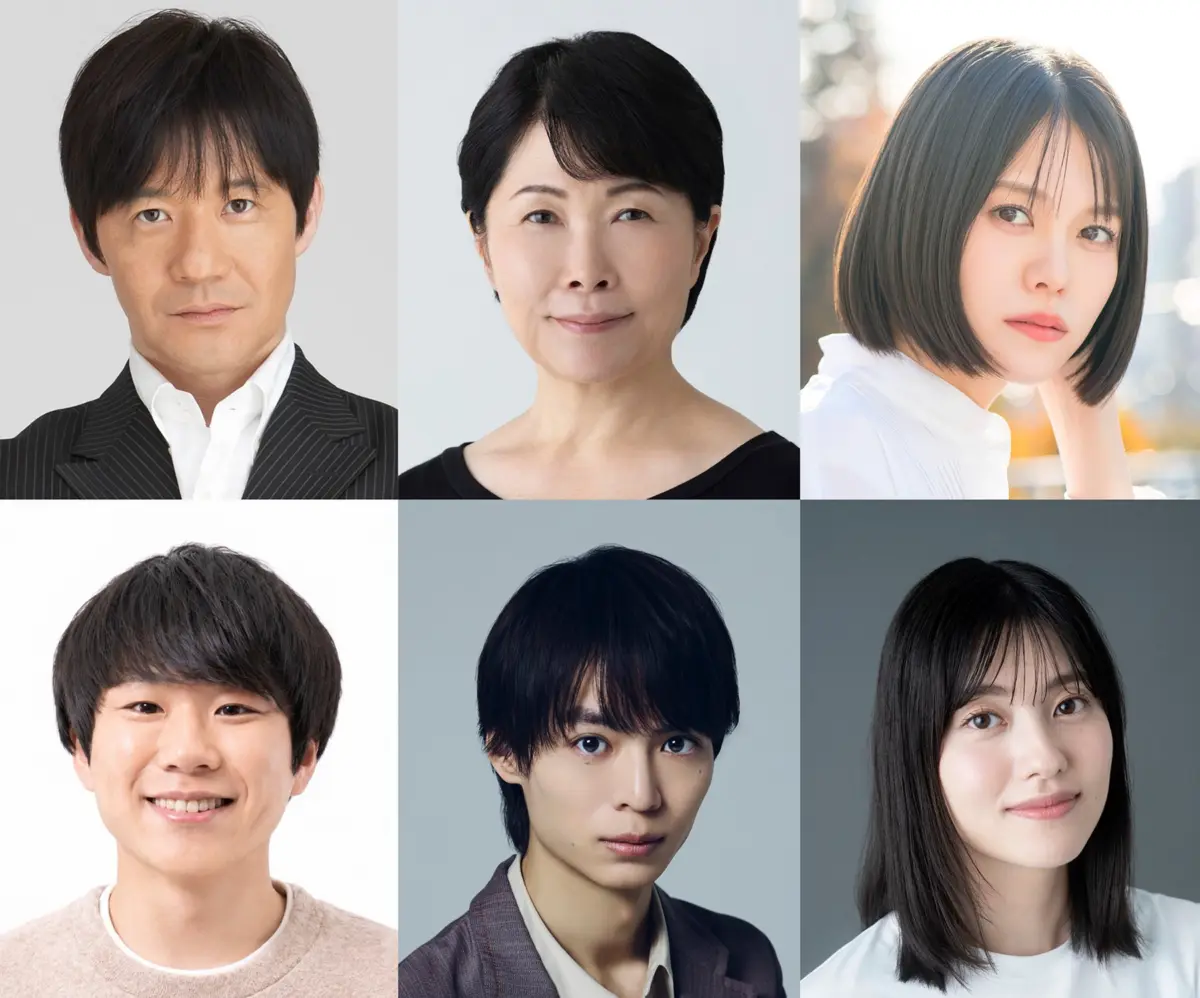
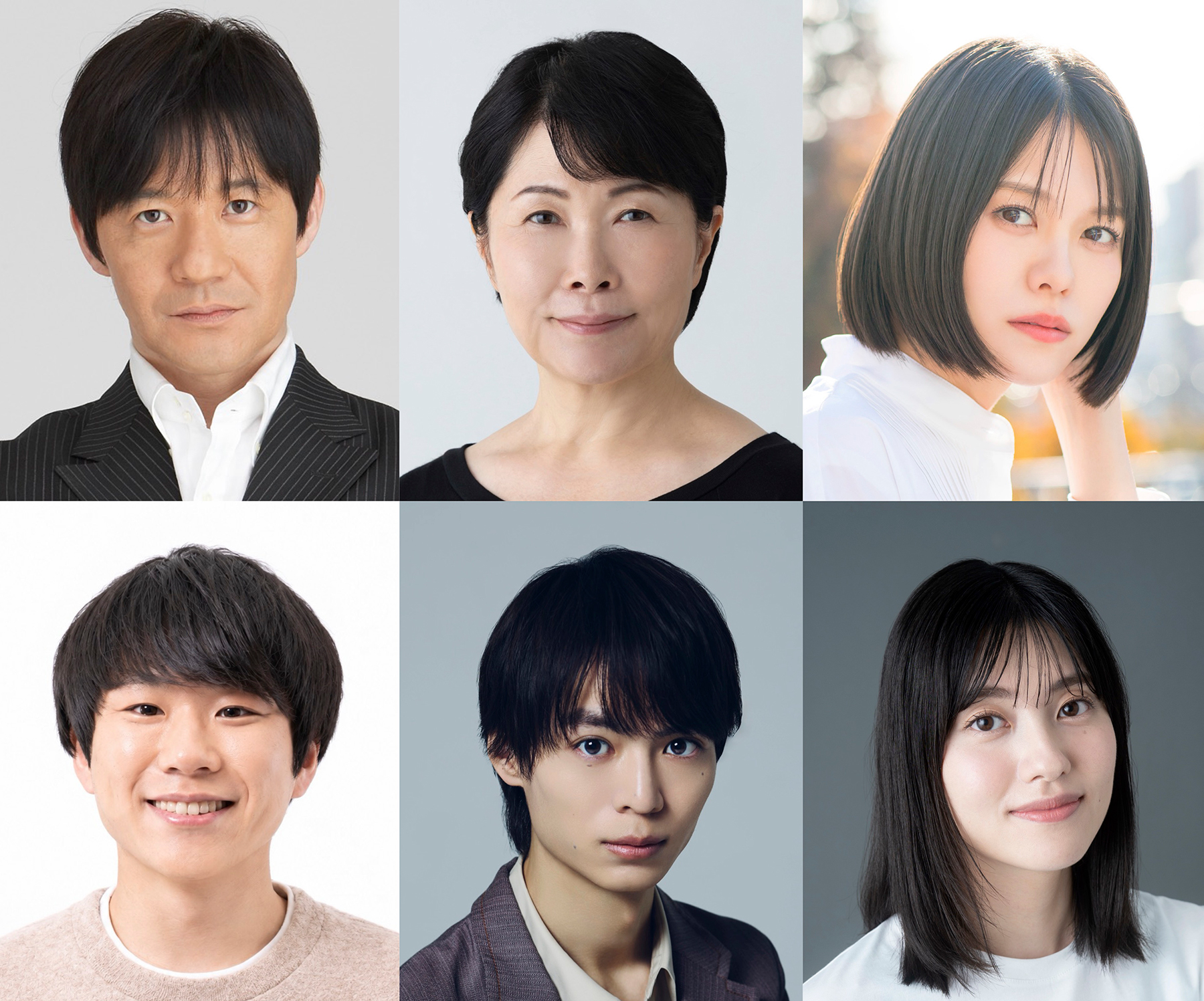
Though full casting details beyond Uchida’s direct involvement are being rolled out in phases, early announcements highlight a selective ensemble cast chosen specifically for their background in both physical theater and psychological drama. The synergy between Uchida’s directorial commands and the performers’ physical interpretations is expected to be the production’s defining artistic triumph.
Future Outlook and Ticket Information
What to Expect in Spring 2027
As the theatrical community counts down the months to the March and April 2027 premieres, public interest continues to surge. Advance ticketing information has officially gone live via the production’s dedicated web portal (kyusu2027.jp), with early ticket lotteries anticipated to see unprecedented demand given Uchida’s dedicated following.
Long-Term Legacy
Time moves on ~Midori to Kyosuke no Sei~ is positioned to be a landmark cultural event of the 2027 spring season. By challenging audiences to confront the inevitable passage of time and the lingering echoes of past choices, Mitsuhiro Uchida continues to cement his legacy as one of the most vital, daring voices in modern Japanese performing arts. Theatergoers are encouraged to secure their bookings early and prepare for an immersive, emotionally stirring theatrical journey.









Belum ada komentar. Jadilah yang pertama berkomentar!