

Executive Overview
The video game industry has officially crossed a precarious threshold. As Steam Next Fest opens its digital doors to a staggering 8,011 game demos—nearly double the volume featured just a few months prior and an eightfold explosion compared to June 2022—the platform is drowning in a tide of meritless, low-effort digital filler.
While proponents of artificial intelligence have long championed its capacity to "democratize" game development, the reality unfolding across storefronts and social media tells a darker story. Advanced iterations of large language models and code-generation tools—such as Anthropic’s Claude Opus 5.5 update—have drastically accelerated the velocity of software creation. Unfortunately, rather than empowering visionary artists, these efficiencies have emboldened a new wave of opportunistic copycats, scammers, and "vibe coders" who weaponize AI to decompile, clone, and monetize independent concepts within hours of their initial public reveal.
The consequences are immediate and chilling. Indie developers are now preemptively canceling public demos, slapping strict access walls around their playtests, and lodging frantic copyright notices with Valve. As AI-generated shovelware—or "slop"—threatens to suffocate genuine creativity, the traditional marketing lifecycle for independent games is fracturing, raising urgent questions about the sustainability of open digital marketplaces.
Detailed Chronology: The Anatomy of a Rapid Clone
The velocity at which original concepts are now copied, reverse-engineered, and republished online has shifted from a slow burn to an instantaneous race to the bottom. This phenomenon is best illustrated by a series of events that transpired across social media and digital storefronts in mid-October.
The Escape the Walls Phenomenon
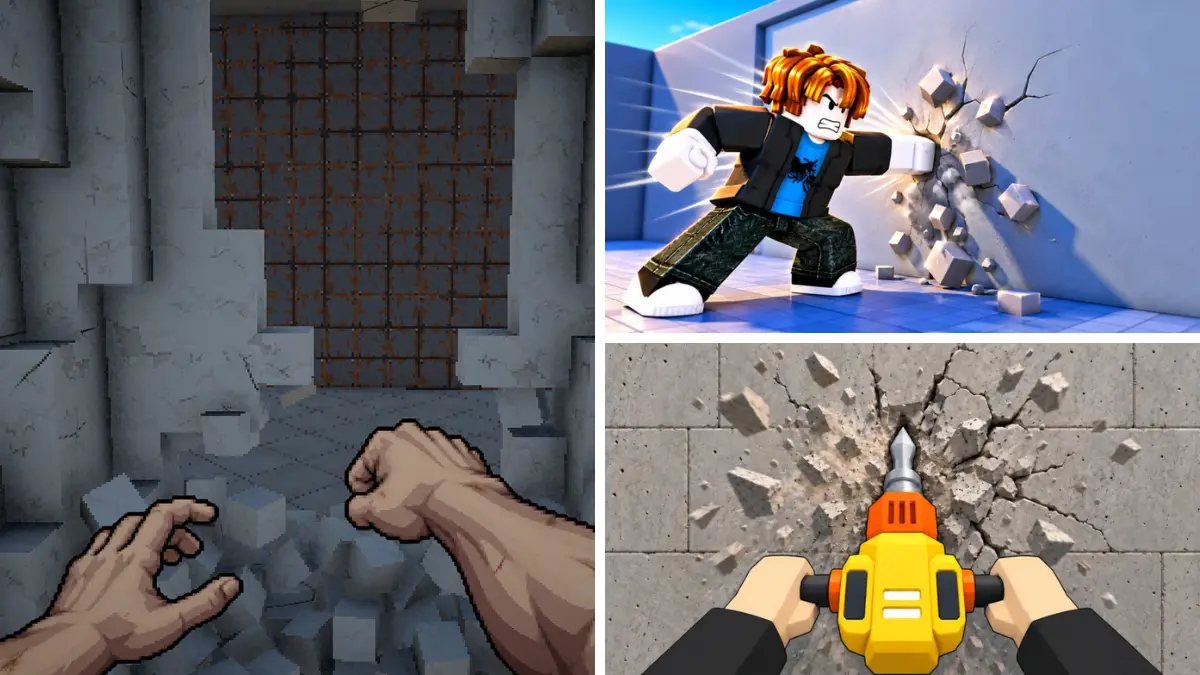
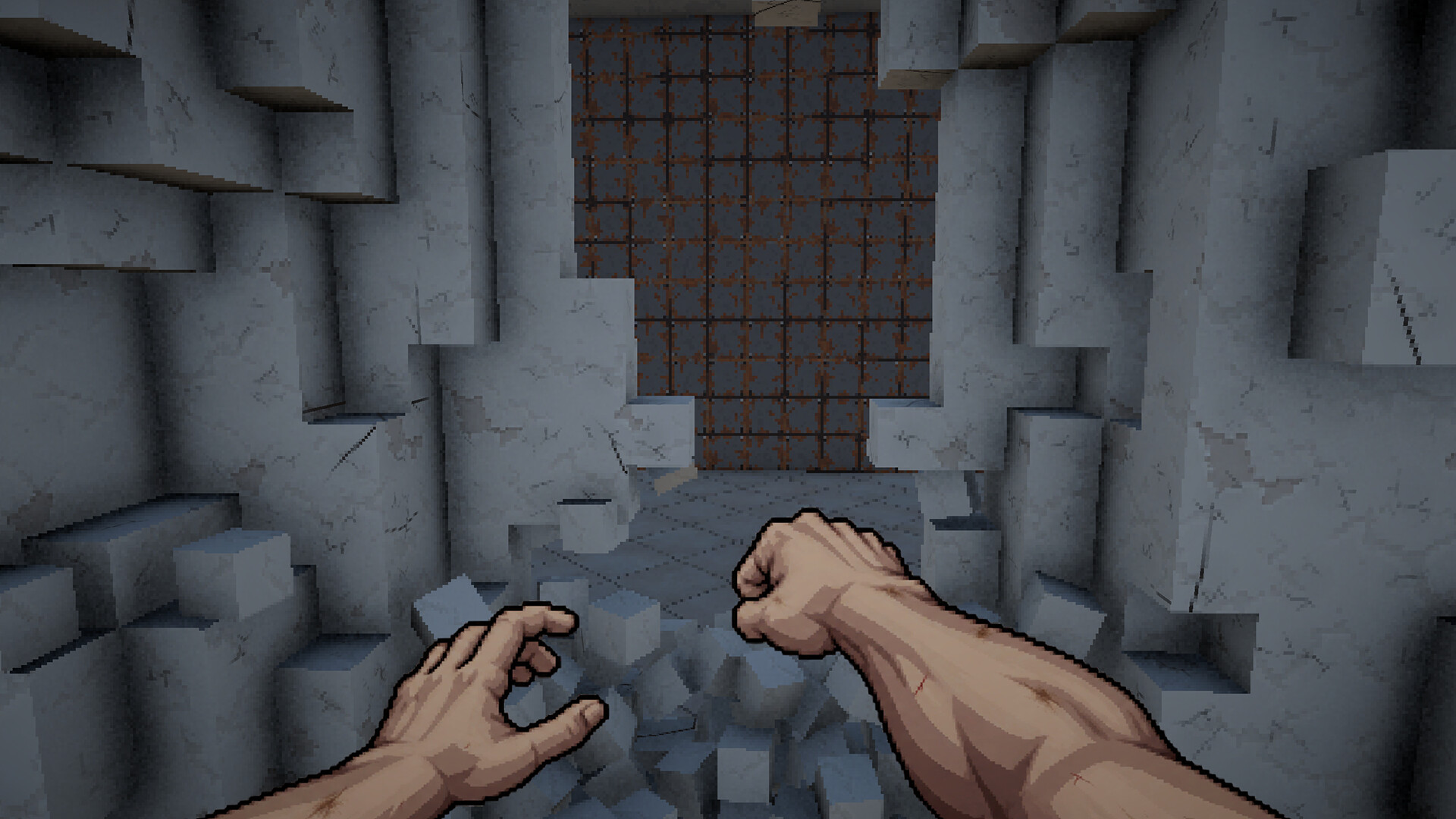
On October 10, the developer behind Escape the Walls—an incremental punching game that admittedly utilized AI tools to assist its own development velocity—shared in-progress footage of the title on X (formerly Twitter). The reaction from the community was swift and prophetic. One user commented directly on the post: "You have exactly 7 hours before someone makes this on Roblox and gets 20x your revenue."
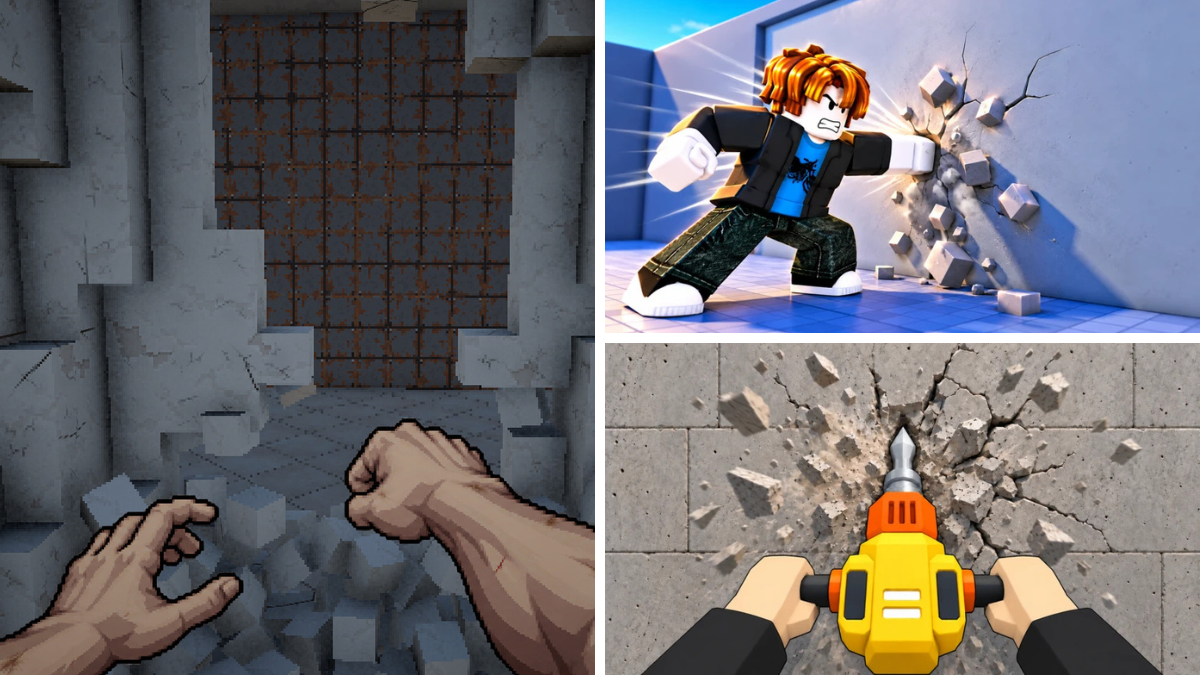
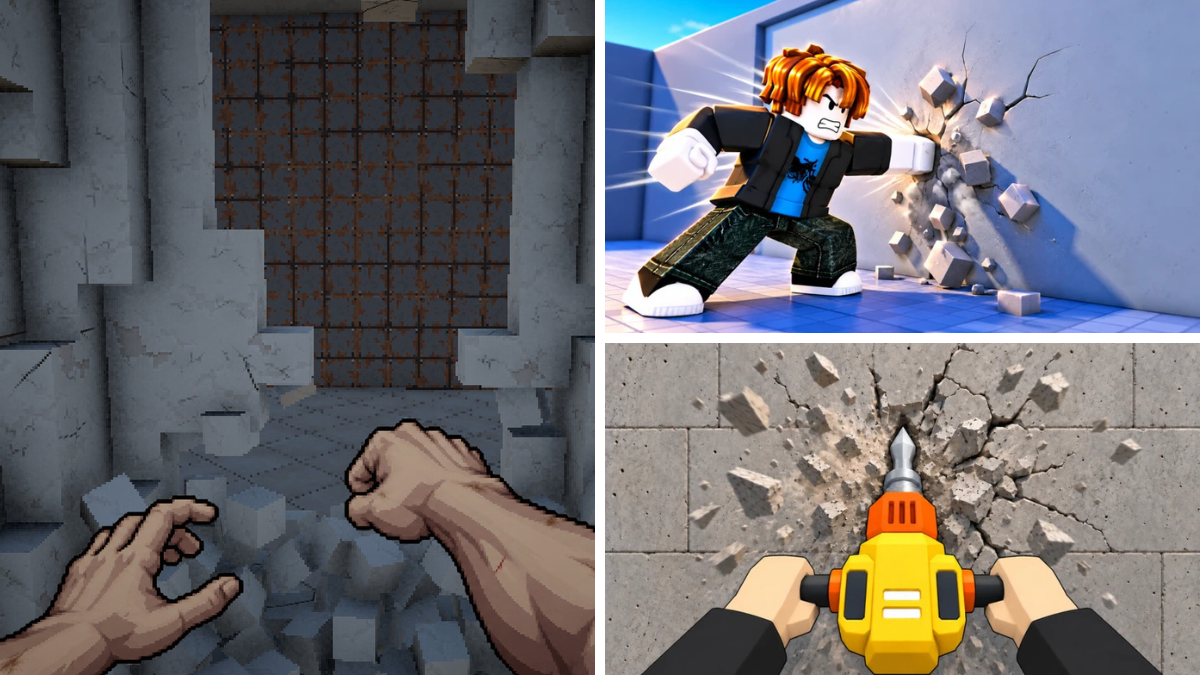
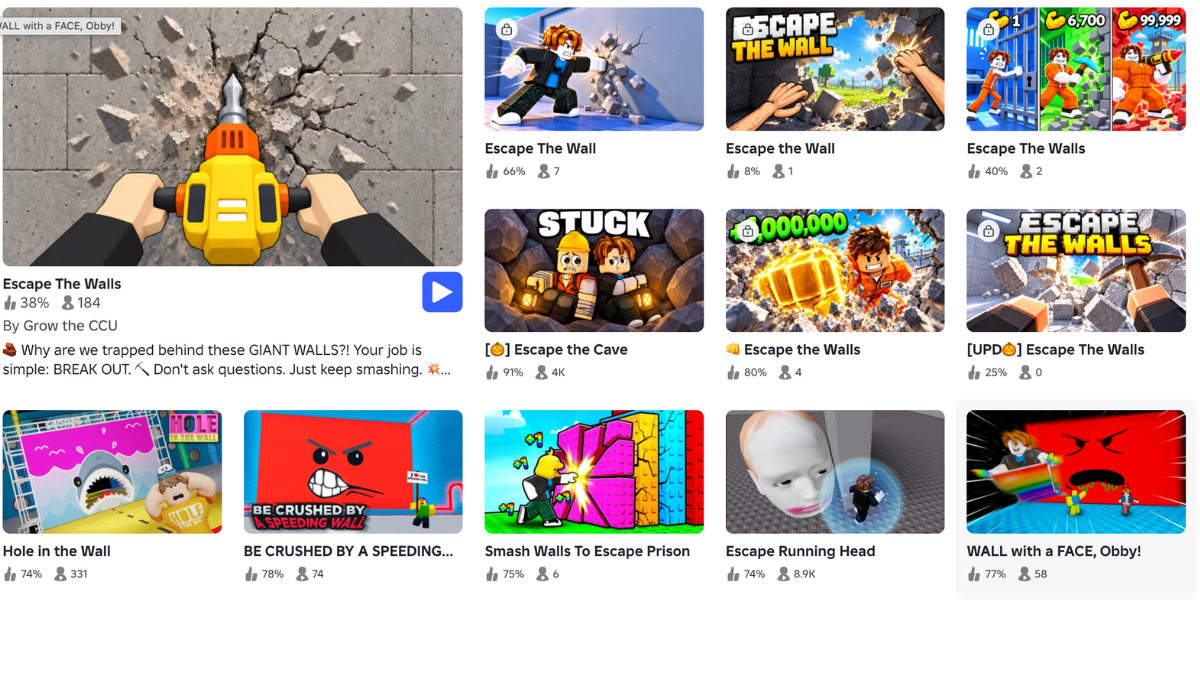
The prediction proved overly conservative. Within days, at least seven distinct clones of Escape the Walls materialized on Roblox. More brazenly, a competing independent studio tweeted its own Steam page for a direct clone, Punch Your Way Out, directly at the original creator with the casual remark: "Our Steam page is live too! Nothing wrong with friendly competition!"
The Haystack Code-Theft Controversy
The issue extends far beyond aesthetic imitation to direct, brazen code theft. NoGlyph, the creator of the viral indie title Needle In A Haystack, recently took to Steam announcements to accuse a rival studio—Little Field Studios—of lifting code straight from their project.
According to NoGlyph, the clone, titled A Game About Needle In A Haystack, contained direct structural DNA from their game.
"When we looked through their game’s files, we found 13 of our classes inside it with the exact same names," NoGlyph wrote. "More than half of the functions in that part match ours exactly. Some of our own error messages are still in there word for word, including one that points to a shader from our project that doesn’t exist in their game."
NoGlyph has since filed a formal copyright infringement notice with Valve, highlighting how easy it has become for unscrupulous actors to strip out proprietary mechanics and pass them off as original works under the cover of AI-assisted refactoring.
The Defensive Retreat: Canceling Demos
Faced with the terrifying prospect of having their entire game concept cloned and beaten to market before their actual release date, developers are beginning to pull back from public view.
Alliance Arts Inc., the studio behind the upcoming horror-survival game Drunken Goddess Reflux, made the dramatic announcement that it was completely canceling its planned public demo for Steam Next Fest.
"We are concerned that, based on the content of the demo, works imitating or replicating this game’s presentation and gameplay could be quickly produced using AI or other tools and released ahead of the game’s launch," a studio spokesperson explained.
Instead of an open public demo, the developers announced they will restrict playtests to closed, highly controlled environments requiring participants to agree to stringent legal and participation requirements.
Supporting Context & Metrics: The Steam Landscape
To understand the scale of the current crisis, one must examine the raw data driving platforms like Steam. The influx of low-effort projects is not merely a qualitative annoyance; it represents a quantitative tsunami that threatens to overwhelm algorithmic discoverability systems.
Steam Next Fest Growth Trajectory
- June 2022: ~1,000 demos featured.
- June 2026: ~4,000 demos featured.
- October 2026 (Current): 8,011 demos featured on the press preview landing page.
This exponential growth curve vastly outpaces the natural expansion of the game development workforce. The vast majority of these 8,000+ entries represent low-effort clones, asset flips, and vibe-coded experiments designed to game visibility algorithms or cash in on fleeting internet trends.
Steam Weekly Revenue Charts (October 6 – 13)
A look at the top revenue-generating titles on Steam during this period illustrates a relatively quiet week for major triple-A blockbusters, leaving room for a mix of established live-service giants and mid-tier releases:
| Rank | Game / Hardware |
|---|---|
| 1 | Dota 2 |
| 2 | Aion 2 |
| 3 | Counter-Strike 2 |
| 4 | Star Wars: Galactic Racer |
| 5 | FC 27 |
| 6 | Steam Deck |
| 7 | Gears of War: E-Day |
| 8 | Risk of Rain 2 |
| 9 | Arc Raiders |
| 10 | Risk of Rain 2: Hallowed Concepts |
While high-profile launches like Star Wars: Galactic Racer secured strong initial footing at number four, and Gears of War: E-Day maintained momentum in the top ten following its debut week, the broader market narrative remains overshadowed by the churning sea of minor releases occupying the lower rungs and festival landing pages.
Official Statements and Industry Perspectives
The debate over generative AI in creative industries has long polarized developers, tech evangelists, and consumers. However, the ground reality within indie development circles has rapidly shifted from cautious optimism to outright hostility regarding how these tools are abused.
The Fallacy of "Democratization"
Tech advocates frequently argue that generative AI tools act as great equalizers, "democratizing" specialized arts such as coding, music composition, 3D modeling, and creative writing. Yet, within the specialized ecosystem of interactive entertainment, this promise has proven hollow.
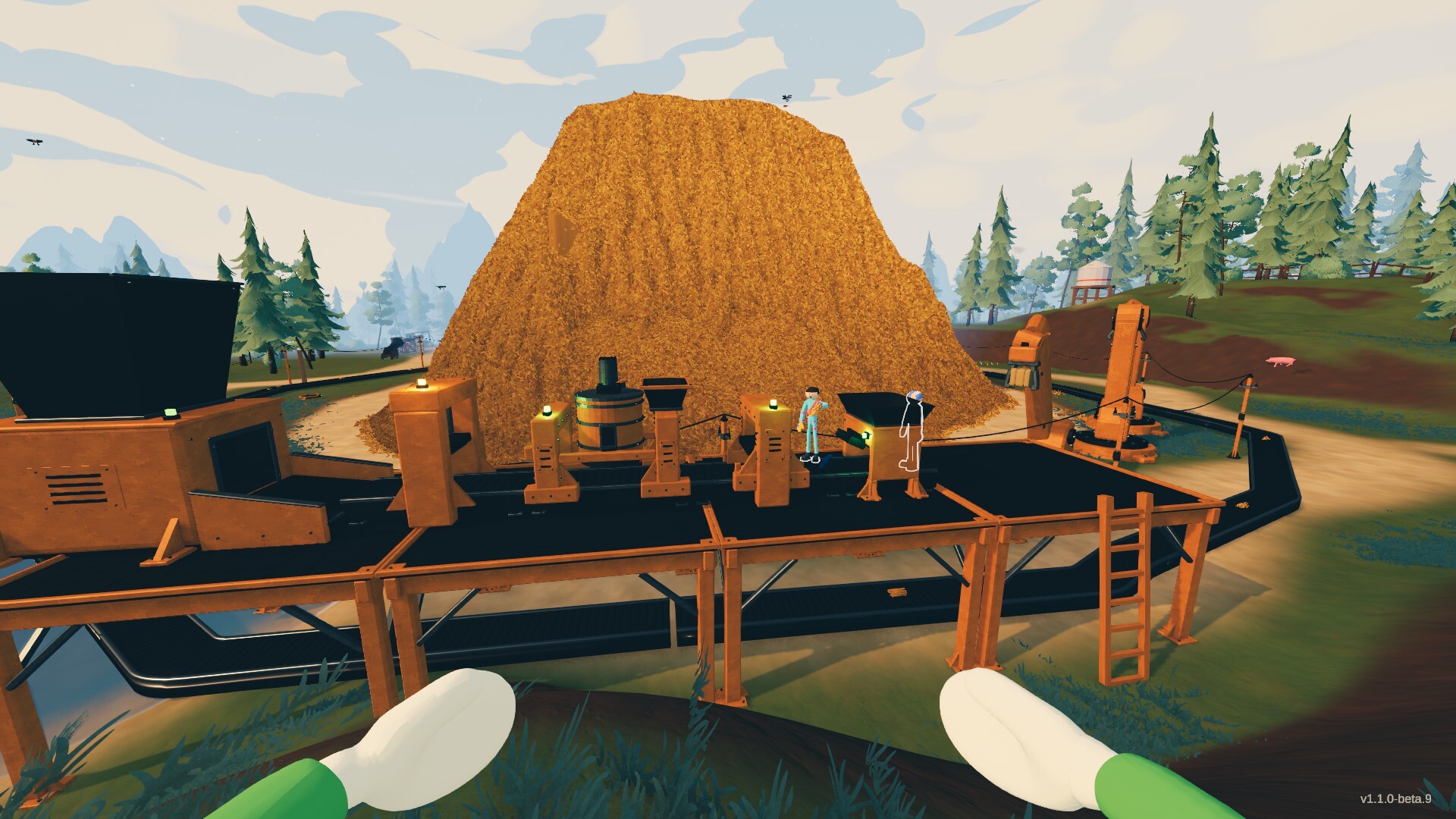
Rather than lowering barriers for visionary creators with fresh ideas, AI has primarily served to empower shortcuts for cynical opportunists. Vibe-coding a 20-minute tech demo that mimics a blockbuster franchise or cloning a viral indie game mechanic does not make an individual a game developer. True creative work requires years of iterative thought, technical mastery, and conceptual refinement—qualities that cannot be synthesized by simply prompting a large language model.
As industry analysts point out, spending years wrestling with the nuances of game design is what births original ideas. Without that foundational struggle, individuals wielding AI tools are simply operating the most expensive toy ever built—producing superficial replicas devoid of artistic intent or soul.
Developer Testimonies
The frustration among genuine developers is palpable. As legal frameworks struggle to keep pace with rapid decompilation and AI-assisted cloning, studios find themselves forced to adopt defensive postures.
The decision by Alliance Arts Inc. to shutter their public demo for Drunken Goddess Reflux serves as a watershed moment. When marketing tools like public demos—historically the lifeblood of indie game discovery—become active liabilities that invite immediate intellectual property theft, the entire promotional pipeline for independent developers breaks down.
Future Outlook: Protecting the Soul of Independent Gaming
As we look toward the horizon, the video game industry faces an uncomfortable crossroads. If platforms like Steam and Roblox fail to implement robust safeguards against automated cloning, code extraction, and low-effort slop inundation, the consequences could fundamentally alter the indie landscape.
- The Death of Open Demos: More studios will likely follow the path of Alliance Arts, abandoning open public playtests in favor of vetted, closed-door beta communities. This will disproportionately hurt small developers who rely on viral public reach to build momentum.
- Algorithmic Fatigue: Steam’s discovery algorithms face an unprecedented stress test. Filtering through more than 8,000 festival entries—many of them synthetically generated clones—risks burying genuinely innovative indie gems under mountains of algorithmic noise.
- Legal and Platform Reckoning: Valve and other digital storefront moderators will face mounting pressure to deploy aggressive anti-plagiarism detection systems, harsher penalties for asset-flip studios, and stricter oversight regarding code provenance.
Ultimately, while technology will continue to evolve, the core truth of game development remains unchanged: tools can accelerate execution, but they cannot manufacture imagination. Unless the industry erects stronger barriers against parasitic cloning, the very tools heralded as the future of creation risk destroying the vibrant independent ecosystem that made modern PC gaming great.





Belum ada komentar. Jadilah yang pertama berkomentar!