

Date: May 28, 2026
Category: Pop Culture & Consumer Markets / Industry Analysis
Executive Overview
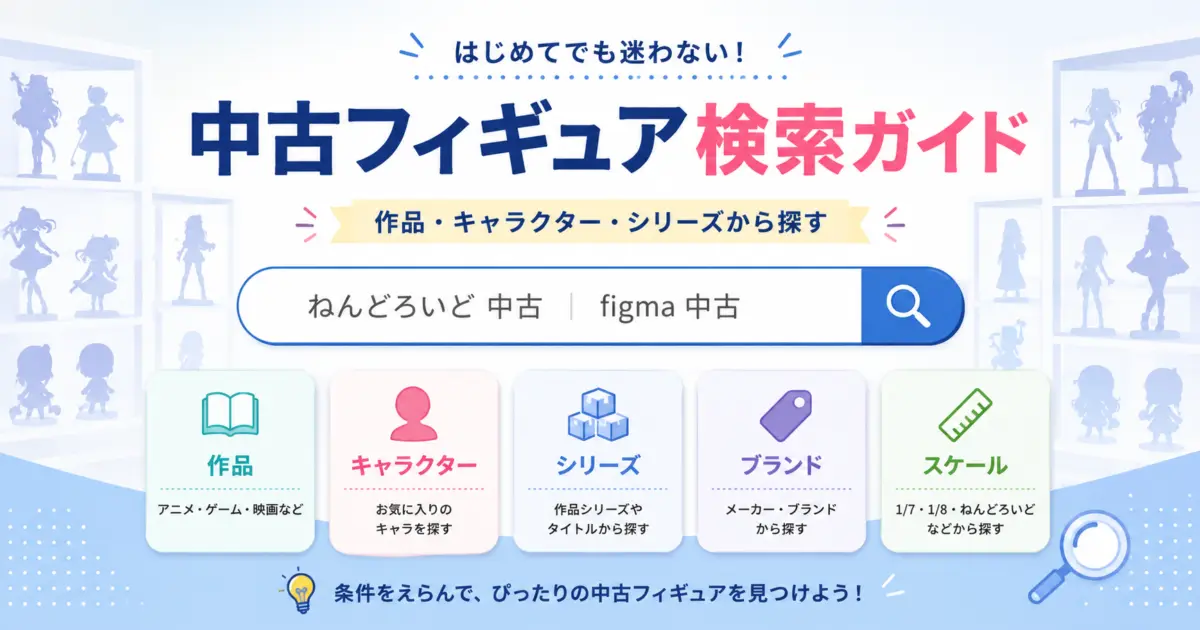
The secondary figure market is currently experiencing an unprecedented economic boom, driven by a massive wave of collector interest in pre-owned anime figures, character goods, and limited-edition merchandise. What was once viewed primarily as a niche hobby for dedicated otaku has evolved into a multi-billion-dollar global resale ecosystem.
Driven by shifting consumer behaviors, rising retail prices for brand-new items, and the mainstream adoption of digital secondhand platforms, the market for pre-owned collectibles is rewriting the rules of pop-culture retail. Major industry trackers, including dedicated metrics from Yahoo! Auctions and specialized secondhand marketplaces, report that transaction volumes, average sale prices, and platform engagement have skyrocketed over the past several quarters. This comprehensive report examines the underlying drivers of this phenomenon, analyzes shifting consumer trends, and looks at what the future holds for collectors and investors alike.
Detailed Chronology of the Secondary Market Surge
To understand how the pre-owned figure market reached its current heights, it is essential to trace the pivotal milestones that shaped the industry over the last decade:
- The Shift to Digital Platforms (Early 2010s): The transition from physical specialty hobby shops to online auction sites and peer-to-peer marketplaces laid the groundwork for liquid secondary trading. International shipping integrations made cross-border acquisition seamless.
- The Post-Pandemic Collectibles Boom (2020–2023): Lockdowns and a global surge in indoor entertainment sparked a massive wave of discretionary spending on pop-culture merchandise. As manufacturing supply chains bottlenecked, collectors turned eagerly to the secondary market to secure rare, sold-out items.
- The Price Inflation Turning Point (2024–2025): Escalating raw material costs, higher shipping tariffs, and inflation drove the retail price of newly released scale figures to historic highs. Consequently, budget-conscious consumers and veteran collectors alike began pivoting toward high-quality pre-owned alternatives.
- Mainstream Integration and AI-Driven Valuation (2026): Today, advanced machine learning tools, automated authentication algorithms, and real-time price-tracking dashboards have removed much of the traditional risk associated with buying used goods, propelling the market into its most transparent and lucrative era yet.
Supporting Context, Metrics, and Market Dynamics
The current ecosystem is characterized by unprecedented liquidity. Where buyers once hesitated to purchase pre-owned goods due to concerns over authenticity, condition grading, and lack of warranties, modern platforms have engineered robust trust frameworks.
Key Growth Drivers
- Escalating Retail Prices: With standard 1/7 and 1/8 scale figures frequently clearing high price thresholds at retail, the secondary market provides a vital entry point for collectors who missed initial pre-order windows.
- Standardized Condition Grading: Leading resale platforms have adopted rigorous grading systems (such as Rank A through C or strict visual descriptors for box wear and paint blemishes), giving buyers high confidence in their purchases.
- The Rise of Eco-Friendly Consumption: Younger demographics increasingly view buying pre-owned merchandise as a sustainable way to enjoy their hobbies without contributing to the lifecycle footprint of fast-produced consumer goods.
Furthermore, top-tier manufacturers like Good Smile Company, Alter, and Kotobukiya maintain active secondary markets simply by virtue of their limited production runs. Once a popular PVC figure goes out of print, its value on platforms like Yahoo! Auctions or specialized hobby marketplaces often appreciates significantly, transforming select collectibles into legitimate alternative assets.
Official Statements and Industry Insights
Industry analysts, platform executives, and leading hobby shop proprietors have weighed in on the structural shifts currently transforming the landscape.
According to market research briefs released by major pop-culture data trackers, the demographic profile of the average secondary market buyer has broadened significantly. No longer dominated solely by hardcore, domestic collectors, the modern buyer pool includes international fans leveraging proxy buying services, institutional resellers, and casual enthusiasts looking to curate curated display shelves on a tighter budget.
"We are witnessing a structural realignment in how pop-culture goods circulate," notes a leading market analyst specializing in otaku economy trends. "The stigma once attached to ‘used’ items has entirely evaporated. Today’s collector values condition transparency, speed of delivery, and liquidity just as much as they value the artistic integrity of the figure itself. The secondary market is no longer an afterthought—it is the primary engine driving consumer engagement."
Additionally, platform operators emphasize that anti-counterfeit measures have become a top priority. With bootlegs historically plaguing the secondary space, marketplaces have heavily invested in expert verification teams and AI-assisted image recognition to weed out fraudulent listings before they reach consumers.
Future Outlook: What Lies Ahead for Figure Collectors?
As we look toward the remainder of 2026 and beyond, the trajectory of the secondary figure market points firmly toward continued expansion and technological integration.
Several key trends are expected to define the coming years:
- Blockchain and Digital Provenance: Emerging trials aim to track rare, high-end scale figures using secure digital certificates of authenticity, making it easier to verify a figure’s complete ownership history.
- Expanded Global Infrastructure: Cross-border logistics will continue to streamline, reducing transit times and customs friction for collectors purchasing pre-owned items from major hubs like Tokyo, Akihabara, and regional fulfillment centers.
- Data-Driven Collecting: Real-time pricing analytics apps will give everyday hobbyists institutional-grade visibility into market values, helping them make informed decisions on when to buy, hold, or divest from their collections.
In conclusion, the secondary figure market has matured from a fragmented network of hobbyist forums and regional swap meets into a sophisticated, highly valued global marketplace. For collectors, investors, and casual fans alike, understanding these dynamics will be crucial to navigating the exciting—and increasingly valuable—world of character goods.






Belum ada komentar. Jadilah yang pertama berkomentar!