

Executive Overview
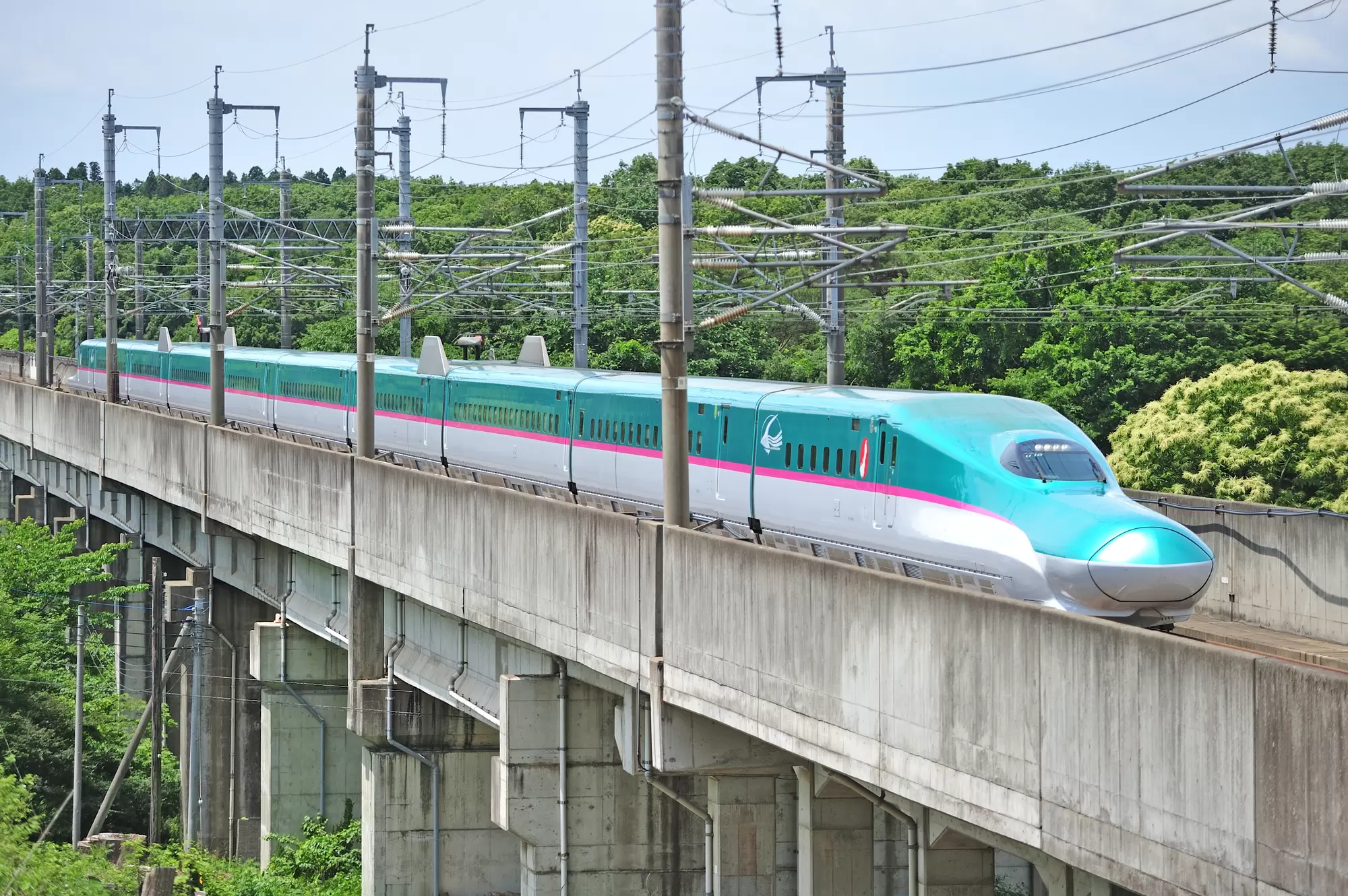
Stretching proudly across the northern expanse of Japan’s primary island of Honshu, the Tohoku region represents a profound synthesis of dramatic seasonal landscapes, deeply rooted cultural traditions, and globally celebrated gastronomy. Long considered a frontier of pristine wilderness and preserved historical aesthetics, Tohoku has historically felt distant to the hurried international traveler. However, the operational mastery of the high-speed Tohoku Shinkansen has entirely revolutionized access to this magnificent territory.

Seamlessly bridging the hyper-modern architecture of Tokyo Station with the coastal and mountainous gateways of northern prefectures, the bullet train network allows visitors to trade neon-lit urban canyons for mist-shrouded volcanic calderas and snow-laden hot spring hamlets in a matter of hours. Whether mapping out an itinerary defined by the ethereal pinks of spring cherry blossoms or the stark, otherworldly beauty of winter frost-covered evergreens, navigating this 674-kilometer transit corridor requires precision, strategic ticketing, and an intimate understanding of regional geography. This authoritative guide provides a comprehensive framework for mastering the Tohoku Shinkansen, analyzing transit logistics, pass economies, regional train classifications, and ten premier destinations that define the soul of northern Japan.
Detailed Chronology & Structural Evolution of the Tohoku Shinkansen
The operational genesis of the Tohoku Shinkansen traces back to an era of ambitious national infrastructure expansion, officially opening its initial passenger services in 1982. Conceived as a vital arterial route to stimulate economic development, decentralize population pressures from the Tokyo metropolitan area, and integrate the agricultural and industrial heartlands of northern Honshu, the line has undergone continuous engineering and scheduling evolutions over the past four decades.
Engineering Milestones and Route Expansion
- 1982 (Inauguration): Initial segments opened between Omiya and Morioka, establishing the baseline transit spine for northern connectivity.
- 1985 (Tokyo Integration): Services were extended southward into Ueno Station, vastly improving commuter and traveler access.
- 1991 (Central Tokyo Terminal): The line finally integrated directly into Tokyo Station, solidifying its status as a unified trans-Japan transit corridor.
- 2002 (Extension to Hachinohe): Pushing further north into Aomori Prefecture, the Shinkansen unlocked deeper economic and tourism markets in southern Aomori.
- 2010 (Shin-Aomori Completion): The final link to Shin-Aomori Station was completed, creating a continuous high-speed rail path from Tokyo all the way to the northern tip of Honshu, where it eventually interfaces with the Hokkaido Shinkansen network via the Seikan Tunnel.
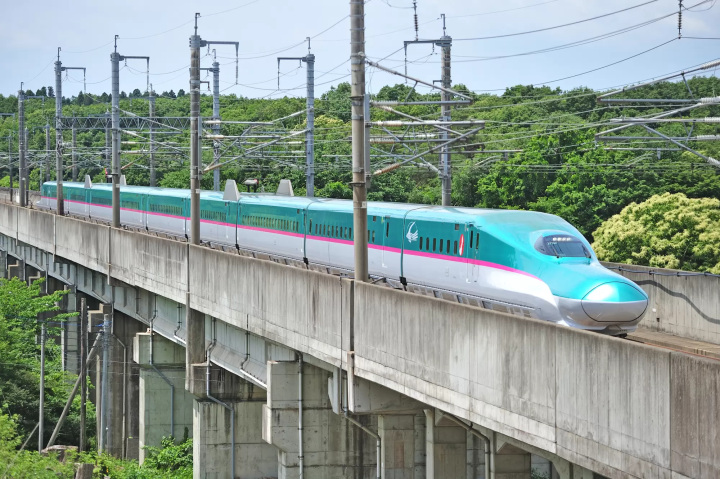
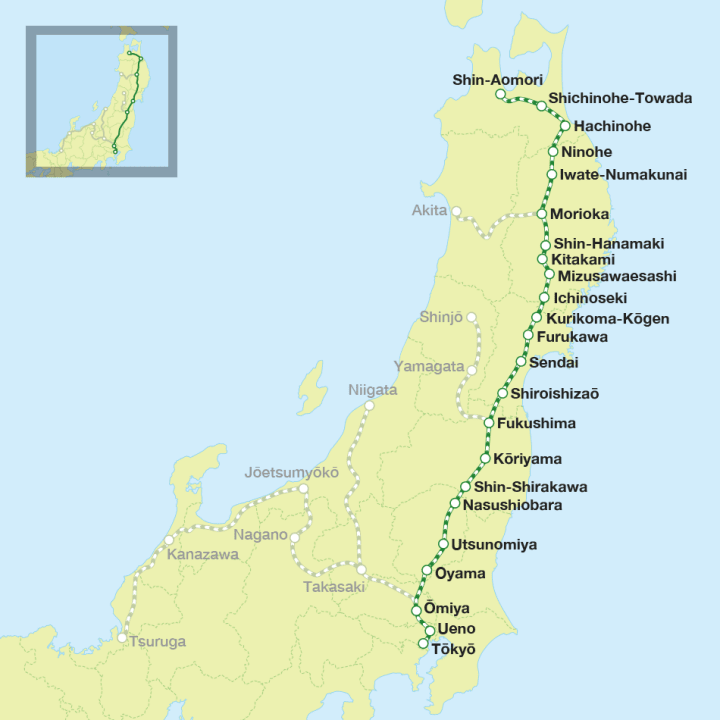
Today, the trunk line spans approximately 674 kilometers. Spearheaded by the flagship Hayabusa service, which achieves commercial operating speeds of up to 320 km/h on designated segments, travel times have been compressed to roughly 3 hours flat between Tokyo and Shin-Aomori. This velocity transforms what was once a grueling multi-day transit journey into an effortless, high-speed morning commute into scenic antiquity.
Transit Architecture: Key Stations and Specialized Train Classifications
Navigating the Tohoku Shinkansen network requires a working knowledge of its principal stations and the distinct service tiers operated by East Japan Railway Company (JR East).
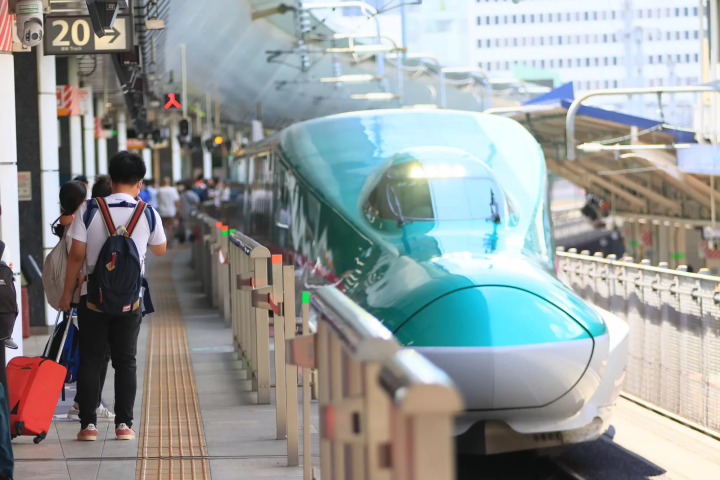
Major Stations Along the Corridor
- Tokyo Station: The sprawling historic transport hub featuring iconic red-brick architecture, serving as the southern terminus for the line.
- Ueno Station: Situated directly adjacent to Ueno Park, cultural institutions, and the Tokyo National Museum, acting as an essential secondary boarding point.
- Omiya Station: A primary transport nexus in Saitama Prefecture and home to the comprehensive Railway Museum.
- Utsunomiya Station: Celebrated universally as Japan’s gyoza capital and serving as the primary rail gateway to the UNESCO World Heritage shrines of Nikko.
- Koriyama Station: The vibrant commercial core of Fukushima Prefecture and the indispensable transfer nexus for the Aizu-Wakamatsu rail lines.
- Fukushima Station: The prefectural capital, where passengers execute transfers onto the branching Yamagata Shinkansen line.
- Sendai Station: The undisputed metropolis of the Tohoku region, renowned for its bustling urban economy and culinary signature—grilled beef tongue (gyutan).
- Morioka Station: The largest transit station in Iwate Prefecture, famous for cold Morioka reimen noodles and functioning as the boarding point for the Akita Shinkansen.
- Hachinohe Station: A coastal maritime port city in southern Aomori Prefecture boasting dynamic seafood markets.
- Shin-Aomori Station: The northern terminus of the direct Tohoku line, acting as the gateway to Aomori City and the legendary summer Aomori Nebuta Festival.
Train Service Classifications
- Hayabusa (E5 and E6 Series): The premier, high-velocity service operating at peak speeds of 320 km/h. It connects Tokyo to Shin-Aomori in approximately three hours. Crucially, all seats on the Hayabusa require advance reservations.
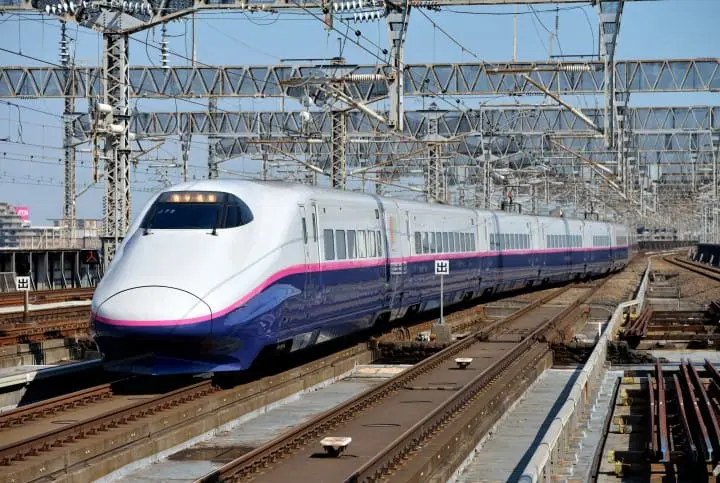
- Yamabiko (E2, E5, and E6 Series): A workhorse service making more frequent stops along the trunk route. It frequently operates coupled with the Tsubasa train and offers dedicated unreserved seating cars, ensuring travel flexibility.
- Komachi (E6 Series): Dedicated to the Akita Shinkansen route, running coupled with the Hayabusa between Tokyo and Morioka before splitting off toward Akita. All seats are reserved. This is the primary transit vector for visitors targeting the Nyuto Onsen hot springs or Akita’s culinary staples.
- Tsubasa (E8 Series): Branches off from the Yamabiko service at Fukushima Station to penetrate the mountainous terrain of Yamagata Prefecture. All seats require advance reservations, serving travelers bound for Ginzan Onsen.
- Nasuno (E2 and E5 Series): A regional, all-stopping commuter and short-distance service operating between Tokyo and Koriyama in Fukushima. While slower, it features unreserved seating cars, ideal for localized southern Tohoku itineraries.
- Hayate (E5 Series): Once a primary long-distance service, the Hayate now runs restricted morning and evening schedules on a fully reserved-seat basis.
Economic Framework & Ticketing Logistics: The JR East Pass
For international travelers exploring northern Honshu, economic optimization is best achieved through the utilization of the JR EAST PASS (Tohoku area).

Pass Pricing and Parameter Structures
- 5-Consecutive-Day Pass: Priced at 30,000 yen for adults and 15,000 yen for children (ages 6 to 11). This pass provides unlimited rail journeys across all JR East lines, Sendai Airport Transit, Tokyo Monorail, designated regional JR buses, and the Tohoku, Akita, Yamagata, Joetsu, and Hokuriku Shinkansen networks.
- 10-Consecutive-Day Pass: Introduced to accommodate deeper regional exploration, priced at 48,000 yen for adults and 24,000 yen for children.
Acquisition Channels
Travelers can secure their rail passes through three primary methods:
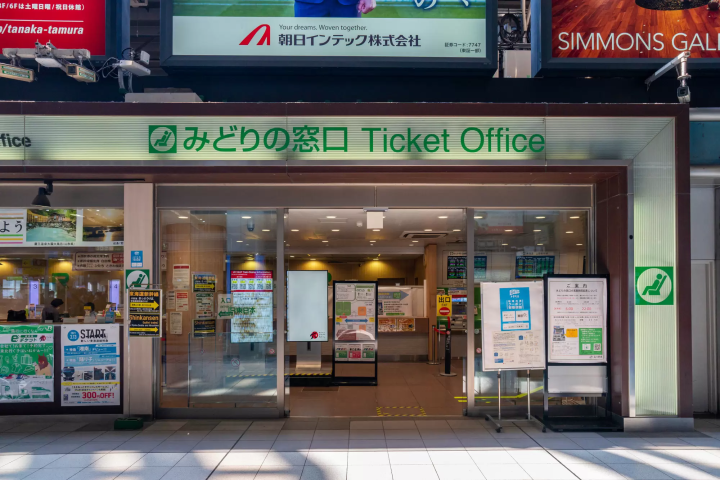
- Physical Ticket Offices: Major international and domestic JR ticket counters (Midori-no-Madoguchi) located within key Japanese stations.
- Official Digital Portal: The official JR East reservation website.
- Authorized Online Travel Agencies (OTAs): Platforms such as KKday and Klook. Note: Vouchers purchased online must be physically exchanged for the actual rail pass at a designated station counter prior to boarding.
Mandatory Compliance Rules
- Non-Transferable Identity: The pass is strictly bound to the individual whose name appears on the ticket. Lending or transferring the pass to third parties is a violation of rail terms.
- Passport Portability: Passholders must carry their original passport at all times; station attendants and conductors reserve the right to audit identification.
- Reserved vs. Unreserved Seats: While holding the pass grants immediate boarding access to unreserved cars, passengers wishing to sit in reserved cars must acquire a seat ticket prior to boarding. Given that premier services like the Hayabusa and Komachi are fully reserved-seat trains, failing to secure a seat ticket beforehand will restrict boarding access.
Seat Reservation Protocols
Securing a reserved seat with a rail pass or individual ticket can be executed via three distinct modalities:
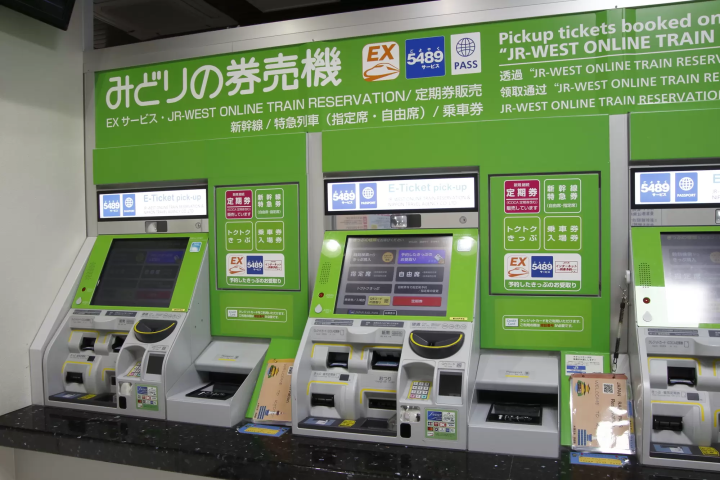
1. Station Ticket Offices (Midori-no-Madoguchi)
Travelers can interact directly with station agents. To streamline communication—especially for non-Japanese speakers—presenting a smartphone screenshot detailing the desired departure station, destination, train name, and departure time eliminates linguistic friction.
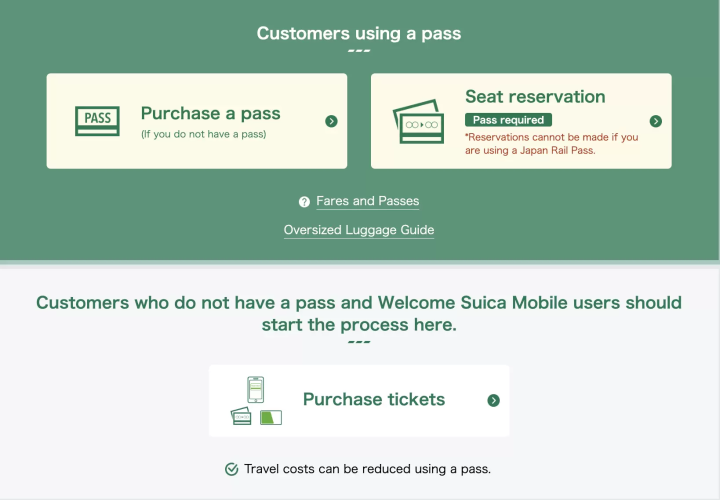
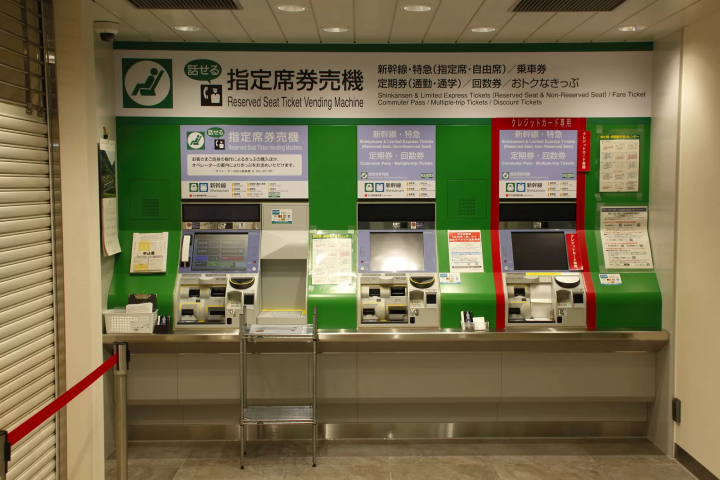
2. Multi-Language Ticket Vending Machines
Modern automated machines feature comprehensive multi-language support. Users select "Reserved Seat," choose the discount/coupon pass option, input passenger volume, date, time, and destination parameters to instantly print reserved seat vouchers.
3. The JR East Train Reservation System
Online reservations open precisely 30 days prior to the intended travel date via the Eki-net platform. Passholders select "Reserve Seat (Pass Holders)," log into their registered account, designate their parameters, and select exact seat maps on screen. Confirmation numbers are subsequently used to physicalize tickets at station kiosks.
Top 10 Destinations Along the Tohoku Shinkansen Corridor
The following ten destinations represent the cultural, historical, and ecological crown jewels accessible directly via the rail network:

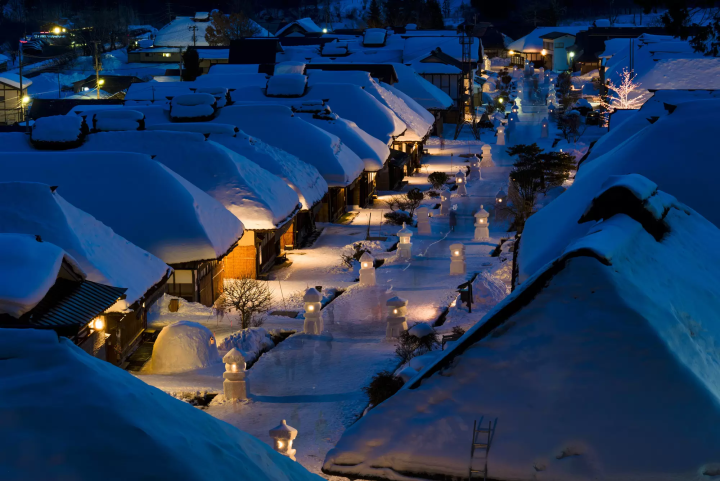
1. Fukushima Station: Ouchi-juku
A remarkably preserved Edo-period (1603–1867) post town characterized by thatched-roof structures that retain the architectural integrity of historical highway stations. Visitors stroll the historic main street to sample local specialties such as negi soba (buckwheat noodles consumed using a whole green onion as an edible utensil). In winter, heavy snowfall blankets the town in a surreal, cinematic atmosphere.

2. Utsunomiya Station: Nikko Toshogu Shrine
Technically situated in Tochigi Prefecture, this grand sanctuary dedicated to Tokugawa Ieyasu—the founder of the Tokugawa Shogunate—stands as an architectural masterpiece. Adorned with intricate wood carvings and gold-leaf ornamentation, it represents the pinnacle of Edo craftsmanship.

3. Sendai Station: Sendai Castle Ruins (Aoba Castle)
Perched strategically on high ground overlooking modern Sendai, this historic fortification was established by the legendary 17th-century feudal lord Date Masamune. The hilltop location provides sweeping urban panoramas and doubles as a premier regional cherry blossom viewing destination in spring.

4. Sendai Station: Matsushima Bay
Formally recognized as one of Japan’s Three Most Scenic Views (Nihon Sankei), Matsushima Bay is studded with over 260 pine-clad islets. Visitors can board maritime excursion vessels to navigate the labyrinthine waterways or sample freshly harvested Pacific oysters at local shoreline establishments.

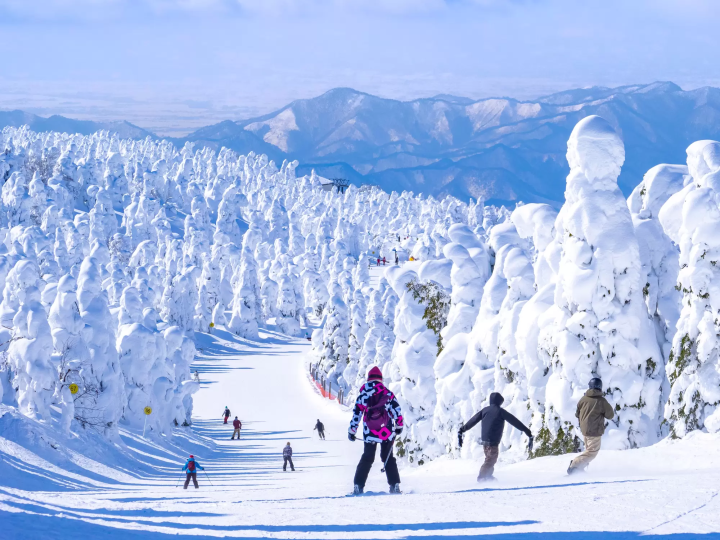
5. Yamagata Station: Zao Onsen and the "Monster Trees"
Boasting a 1,900-year thermal history, Zao Onsen is famous for its highly acidic, therapeutic sulfur springs. During the dead of winter, freezing Siberian winds interact with local conifers on the surrounding peaks to encase them in thick, wind-packed ice and snow, creating the world-famous juhyo ("snow monsters") accessible via ropeway.

6. Ichinoseki Station: Chuson-ji Temple
Located in the historic town of Hiraizumi, this UNESCO World Heritage Buddhist temple complex houses the awe-inspiring Konjikido (Golden Hall), a structure completely enveloped in gold leaf that encapsulates the artistic opulence of the late Heian period (794–1185).

7. Tazawako Station: Lake Tazawa
Reaching a staggering depth of 423 meters, Lake Tazawa is Japan’s deepest body of water. Famed for its cobalt-blue clarity and surrounding mountain vistas, the lake offers tranquil year-round recreation via cycling paths, lakeside promenades, and scenic boat tours.

8. Kakunodate Station: Kakunodate Samurai District
Often romanticized as the "Little Kyoto of Tohoku," this historic district in Akita Prefecture preserves authentic samurai residential compounds framed by classic black wooden paneling. In spring, weeping cherry trees (shidarezakura) drape over the streetscapes, generating a striking visual contrast.

9. Shin-Aomori Station: Hirosaki Park and Hirosaki Castle
Spanning nearly half a million square meters, Hirosaki Park in Aomori Prefecture is heralded as one of the country’s premier cherry blossom venues, featuring thousands of blooming trees framing a magnificent three-story feudal keep originally constructed in 1611.

10. Shin-Aomori Station: Oirase Mountain Stream
Stretching 14 kilometers from Lake Towada to Nenokuchi, the Oirase Gorge is a pristine riverine ecosystem flanked by dense native woodlands, cascading waterfalls, and picturesque pedestrian footpaths that explode into vibrant crimson and gold hues during the autumn foliage season.

Recommended Travel Seasons for Tohoku
Tohoku’s climate is defined by distinct, vivid four-season cycles. To maximize aesthetic yields, travelers should align their itineraries with these peak windows:

- Spring (March to May): Optimal for viewing floral blooms at Nikko Toshogu Shrine, Sendai Castle Ruins, Kakunodate Samurai District, and Hirosaki Castle.
- Summer (June to August): Ideal for maritime excursions at Matsushima Bay and alpine explorations around Lake Tazawa, alongside high-energy regional festivals like the Aomori Nebuta Festival.
- Autumn (September to November): The definitive window for foliage viewing (koyo) at Chuson-ji Temple, Lake Tazawa, Kakunodate, Oirase Gorge, and Hirosaki Park.
- Winter (December to February): Essential for winter sports enthusiasts and photographers targeting the snow monsters of Zao Onsen and the snow-draped thatched roofs of Ouchi-juku.
Future Outlook
As Japan continues to refine its domestic transit infrastructure and welcome record volumes of international visitors, the Tohoku Shinkansen remains an indispensable engine for regional revitalization. Future upgrades focusing on automated ticketing systems, expanded multilingual digital integration, and progressive rolling stock updates promise to make northern Honshu even more accessible.
By leveraging the speed of the bullet train network and the economic flexibility of regional rail passes, travelers are empowered to look beyond Japan’s densely populated urban core. They can venture into a timeless landscape where ancient traditions, untouched wilderness, and impeccable hospitality converge along the tracks of the Tohoku Shinkansen.








Belum ada komentar. Jadilah yang pertama berkomentar!