The global architecture of modern subcultures is undergoing a radical, ontological shift—one spearheaded by the digital and physical reinvention of Japan’s most exportable aesthetic: KAWAII. At the epicenter of this metamorphosis is a high-stakes convergence of veteran countercultural visionaries, spatial designers, and AI-driven curation platforms.
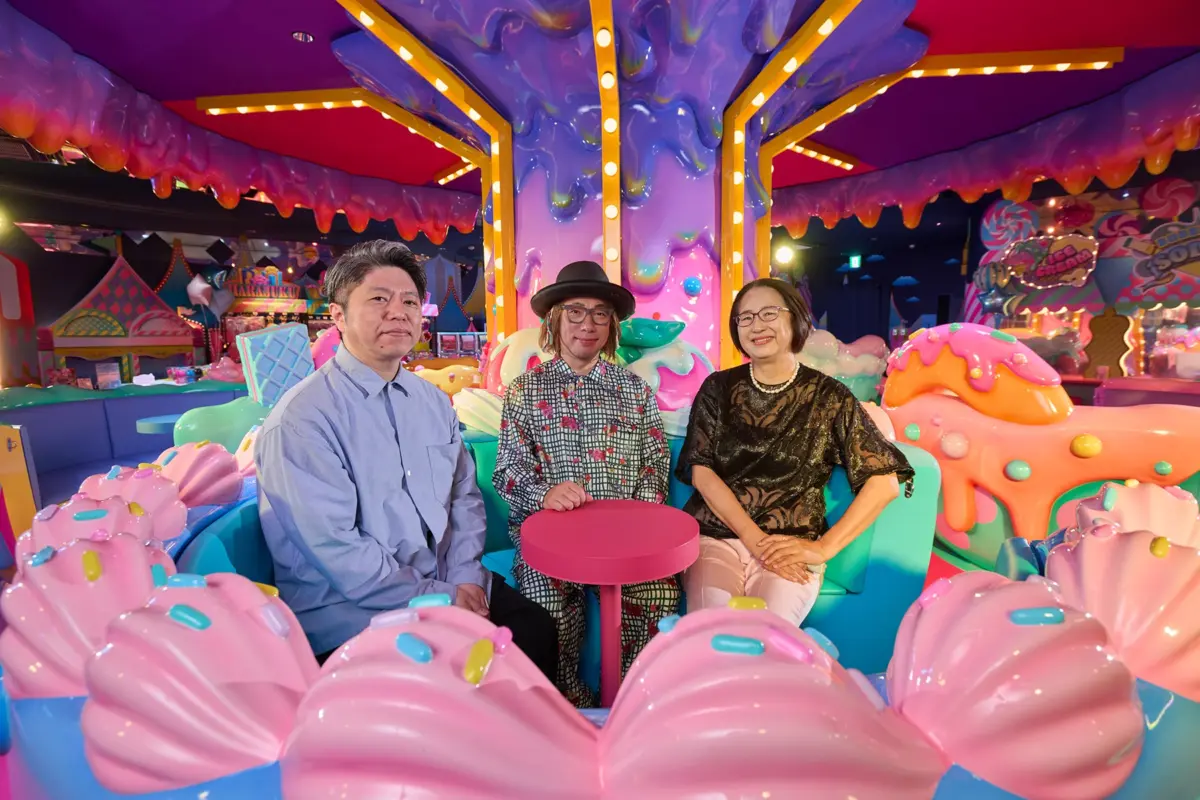
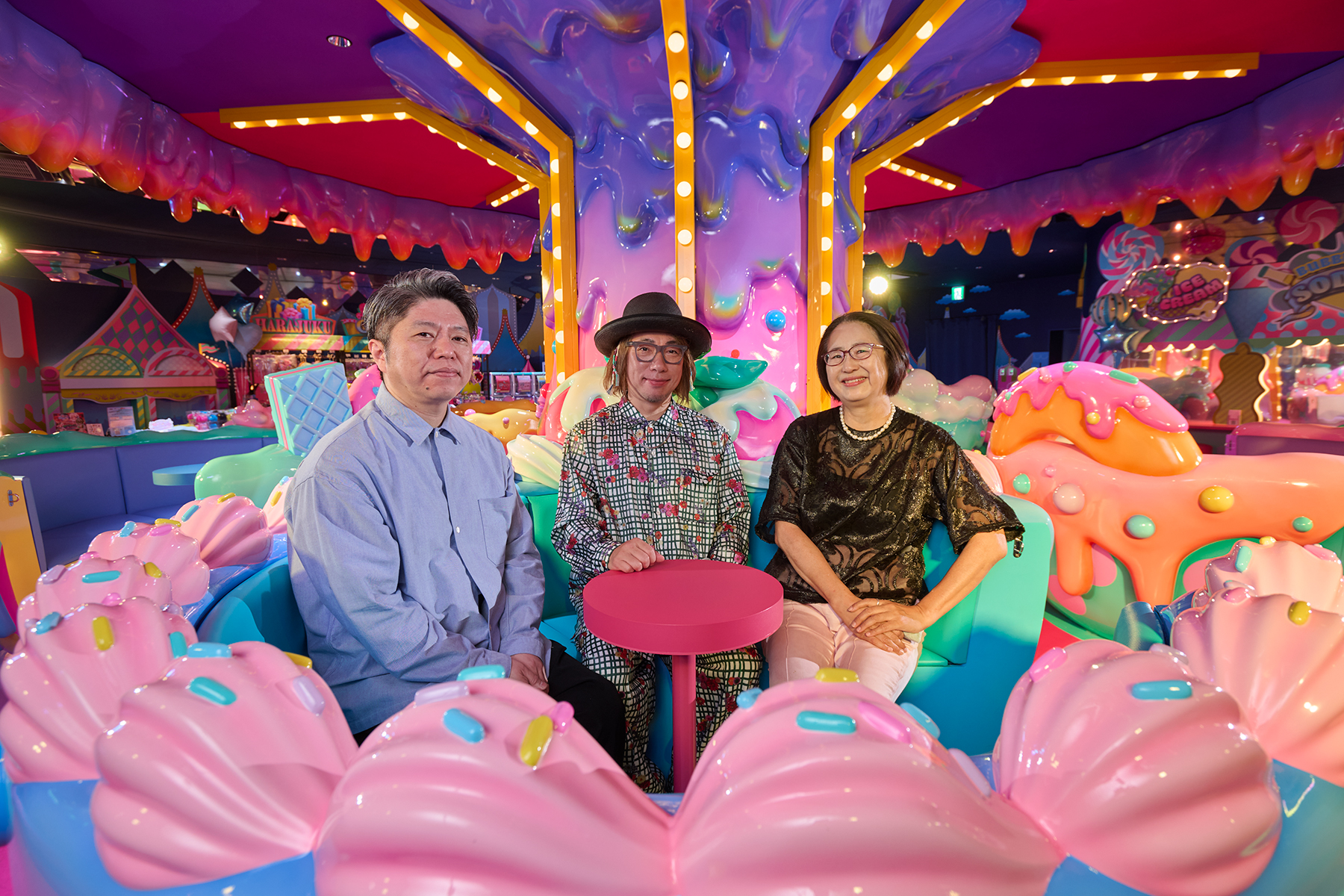
For decades, the concept of "Kawaii" was largely reductively translated by mainstream global audiences as mere "cute" or "childish." However, the subculture’s foundational architects—most notably Sebastian Masuda, founder of the legendary Harajuku concept space 6%DOKIDOKI, and the multi-hyphenate creative collective ENSAPIA—are dismantling these historical misconceptions. Through immersive installations such as KAWAII MONSTER LAND -HARAJUKU- and innovative digital manifestos like KAWAIITOPIA -GO TO HEAVEN (HELL)-, the movement is redefining itself not as a commercial novelty, but as a complex socio-political refuge and an advanced digital ecosystem.
This comprehensive investigative report explores the intersection of 1980s–90s underground Harajuku heritage, the digital ontos of contemporary design, and the integration of artificial intelligence into physical spatial experiences. Backed by exclusive commentary, archival metrics, and critical analysis from industry tastemakers, we examine how the new era of KAWAII is securing its legacy for generations to come.
Detailed Chronology: From 6%DOKIDOKI to the Digital Metgala of 2026
To understand the current state of the KAWAII movement, one must trace its lineage back to the mid-1990s. Founded in 1995 by Sebastian Masuda amidst a shifting sociopolitical climate in post-bubble Japan, 6%DOKIDOKI emerged not as a retail storefront, but as a sensory sanctuary for non-conformists. Masuda’s vision was to challenge the rigid aesthetic conformity of corporate Japan by championing an explosion of neon, vintage toys, hyper-saturated colors, and eclectic, chaotic textures.
[1995: Foundation]
  └── Sebastian Masuda launches 6%DOKIDOKI in Harajuku as a sanctuary for non-conformity.

[2010s: Global Export]
  └── The rise of "Harajuku Kawaii" culture via iconic music videos (e.g., Kyary Pamyu Pamyu's PONPONPON) and the trailblazing KAWAII MONSTER CAFE.

[2020s: The Pandemic Pivot & Digital Convergence]
  └── Physical storefronts face closures; subcultural architects pivot to spatial computing, virtual curation, and AI-integrated UX design.

[2026: KAWAIITOPIA & Digital Ontos]
  └── The launch of "KAWAIITOPIA -GO TO HEAVEN (HELL)-", merging physical installations with AI-driven spatial computing and Web3 preservation models.
The movement gained unprecedented international momentum throughout the 2010s, propelled by pop cultural milestones such as Kyary Pamyu Pamyu’s seminal 2011 music video PONPONPON—directed by Jun Tamukai with art direction by Masuda—and the 2015 opening of the short-lived yet profoundly influential KAWAII MONSTER CAFE. These entities transformed Harajuku from a localized geographic hub into a global pilgrimage site for radical self-expression.
However, the COVID-19 pandemic and subsequent global shifts forced a period of intense introspection. Physical spaces closed, but the digital infrastructure of KAWAII expanded exponentially. By 2026, the movement has synthesized its underground history with next-generation technology, culminating in landmark exhibitions and digital archives that preserve the ephemeral nature of street fashion while pushing boundaries into the metaverse.
Supporting Context & Metrics: Decoding the Harajuku Phenotype
The resilience of the KAWAII movement lies in its ability to continuously subvert expectations. While mainstream media often portrays cute aesthetics as superficial, cultural anthropologists view Harajuku fashion as a profound form of armor and psychological escapism.
Quantitative Breakdown of the Movement (2026 Metrics)
Active Global Adherents: Estimated at over 300 million digital and physical participants across North America, East Asia, and Europe.
Economic Footprint: The global market for Harajuku-inspired independent fashion, digital assets, and immersive experiences surpassed $4.8 billion USD in late 2025.
Demographic Shift: While historically dominated by youth aged 15–24, contemporary engagement data indicates a massive surge among individuals aged 25–40 who are reclaiming their subcultural roots through high-end collectible toys, archival exhibitions, and digital avatars.
According to prominent fashion historians, the juxtaposition of extreme cuteness with unsettling, surreal undertones—often referred to as "Grotesque Kawaii" or Guro-Kawa—allows wearers to process complex societal anxieties. By weaponizing innocence, individuals reclaim agency over their bodies and public identities.
Official Statements & Creative Visions
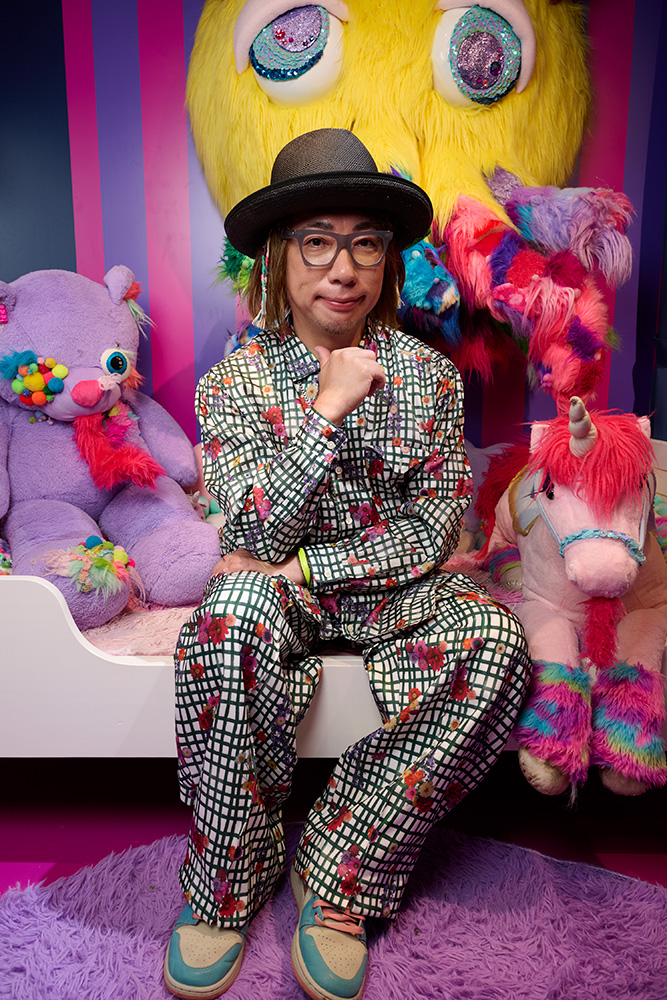
In recent interviews, the primary architects behind the 2026 renaissance have articulated a clear vision for the future. Sebastian Masuda emphasizes that the movement was never about adhering to a single definition of beauty.
"When I opened 6%DOKIDOKI in the 90s, the goal was to create a safe space for people who felt like they didn’t belong in mainstream Japanese society," Masuda explains. "Today, the world is facing unprecedented digital isolation and mental health crises. KAWAII has evolved from a local fashion statement into a universal language of emotional survival."
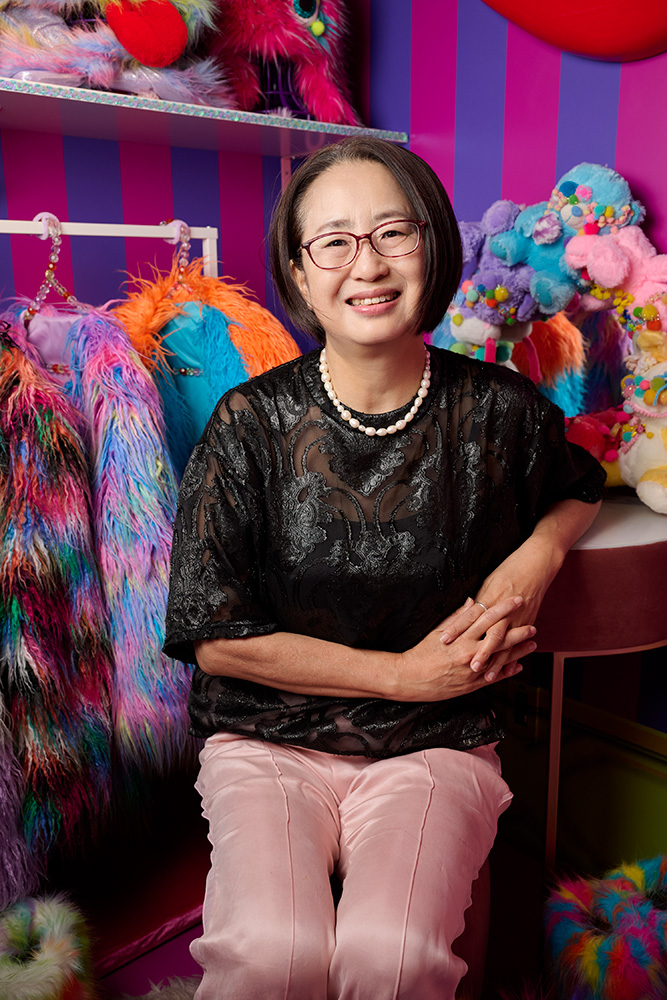
This sentiment is echoed by editorial visionaries and collaborative partners who note that the integration of artificial intelligence and spatial computing has not diluted the subculture’s authenticity—rather, it has amplified its reach.
"We are no longer just dressing up for the streets of Harajuku," notes a lead curator at ENSAPIA. "Our avatars, our digital spaces, and our physical realities are merging. KAWAII is a technology of the soul."
Future Outlook: "KAWAIITOPIA" and the Digital Ontos
Looking ahead, the horizon of Harajuku subculture is anchored by the concept of Digital Ontos—a philosophical framework exploring the digital being and essence of creative artifacts. Spearheaded by collaborative efforts between ENSAPIA and visionary spatial designers, projects like KAWAIITOPIA -GO TO HEAVEN (HELL)- are setting new benchmarks for immersive art.
Key Pillars of the KAWAIITOPIA Initiative:
AI-Driven Curation: Utilizing machine learning algorithms to analyze historical street fashion archives from the past 30 years, generating real-time predictive trend forecasts for subcultural apparel.
Immersive Spatial Computing: Blending physical gallery spaces with augmented reality (AR) interfaces, allowing visitors to interact with digital monsters and ephemeral garments that exist simultaneously in physical and virtual realms.
Decentralized Archiving: Employing blockchain-backed provenance tracking to ensure that independent designers, underground stylists, and creators retain intellectual property rights and financial equity in the digital age.
As we move deeper into 2026, the boundary between the physical and the virtual continues to dissolve. The reimagined universe of KAWAII proves that cuteness and subversion are not mutually exclusive, but rather essential tools for navigating the complexities of the modern world.
Appendix: Key Figures & Collaborative Credits
Sebastian Masuda: Founder of 6%DOKIDOKI, artist, and global ambassador of Harajuku Kawaii culture.
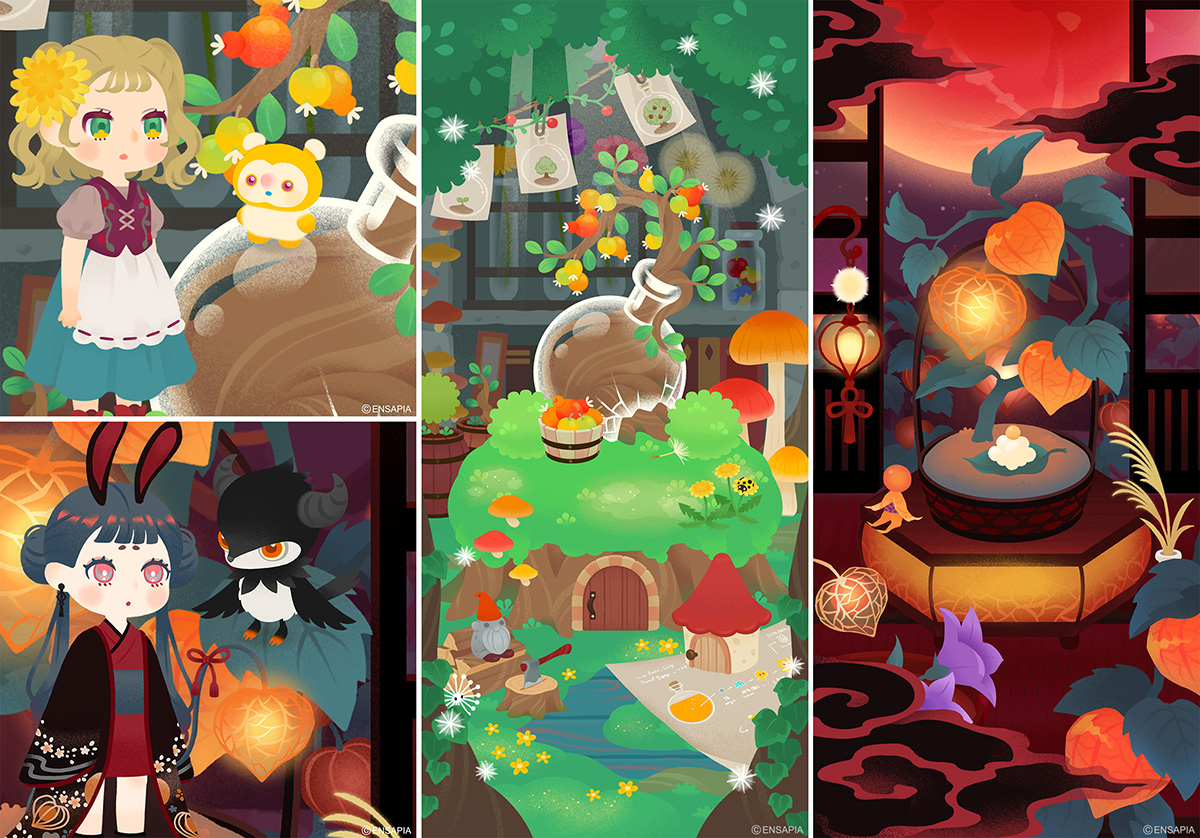
ENSAPIA: Creative collective specializing in spatial computing, AI integration, and cross-media subcultural curation.
Jun Tamukai: Director and visual artist renowned for groundbreaking music video direction and editorial campaigns for ViVi, GQ JAPAN, and Numero TOKYO.
For further updates on the ongoing KAWAIITOPIA exhibition series and digital archives, visit official platform partners or check local listings for upcoming pop-up installations in Tokyo, London, and New York.






Belum ada komentar. Jadilah yang pertama berkomentar!