KBS 2TV’s weekend romance drama, “A Love Other Than Yours,” continues to captivate audiences by tearing away the polished facades of its central characters to expose the raw, unfiltered emotional undercurrents governing their lives. Moving far beyond the predictable tropes of a standard television romance, the series has positioned itself as an intimate psychological study of human attachment, trauma, and the arduous process of healing. At its core, the narrative explores the turbulent evolution of a relationship that has spanned a decade, testing whether long-standing familiarity can withstand the seismic shifts of unspoken resentments, deep-seated psychological wounds, and the magnetic pull of unexpected new connections.
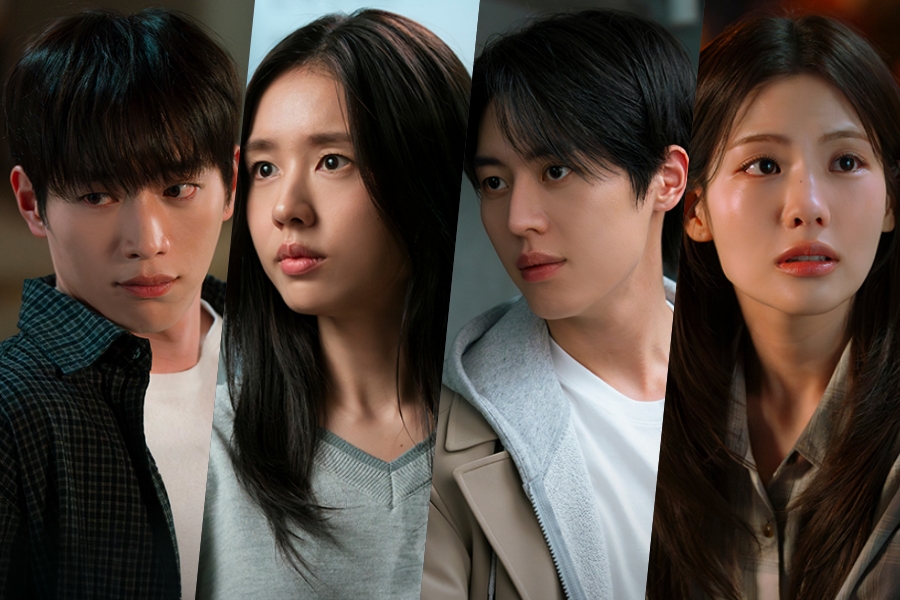
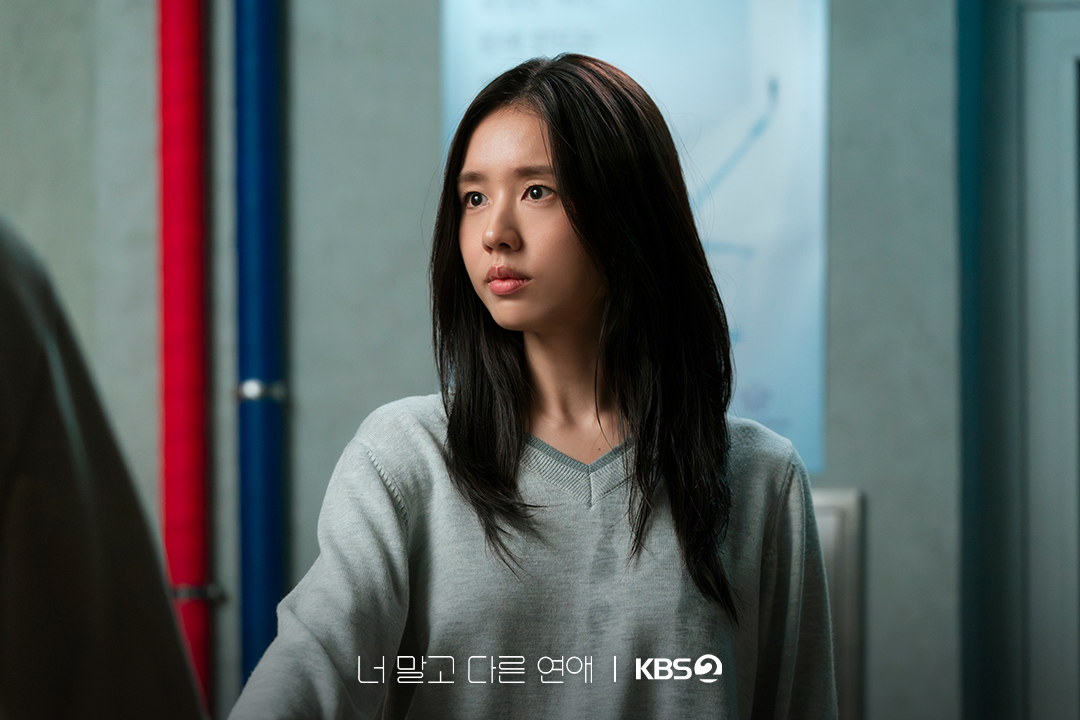
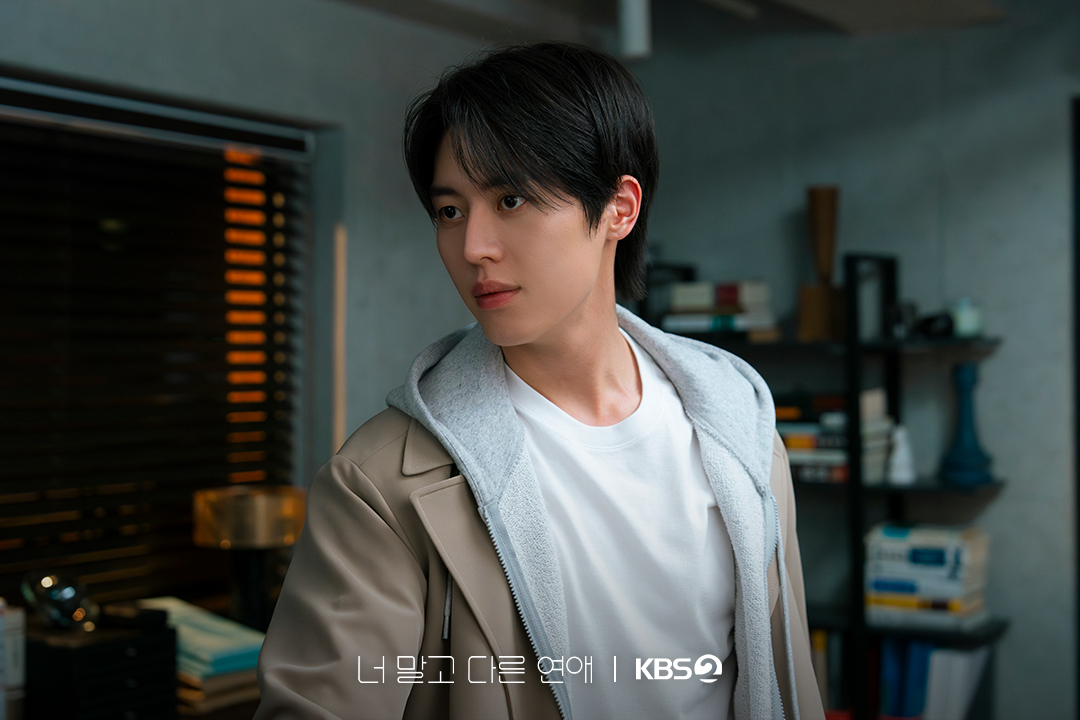
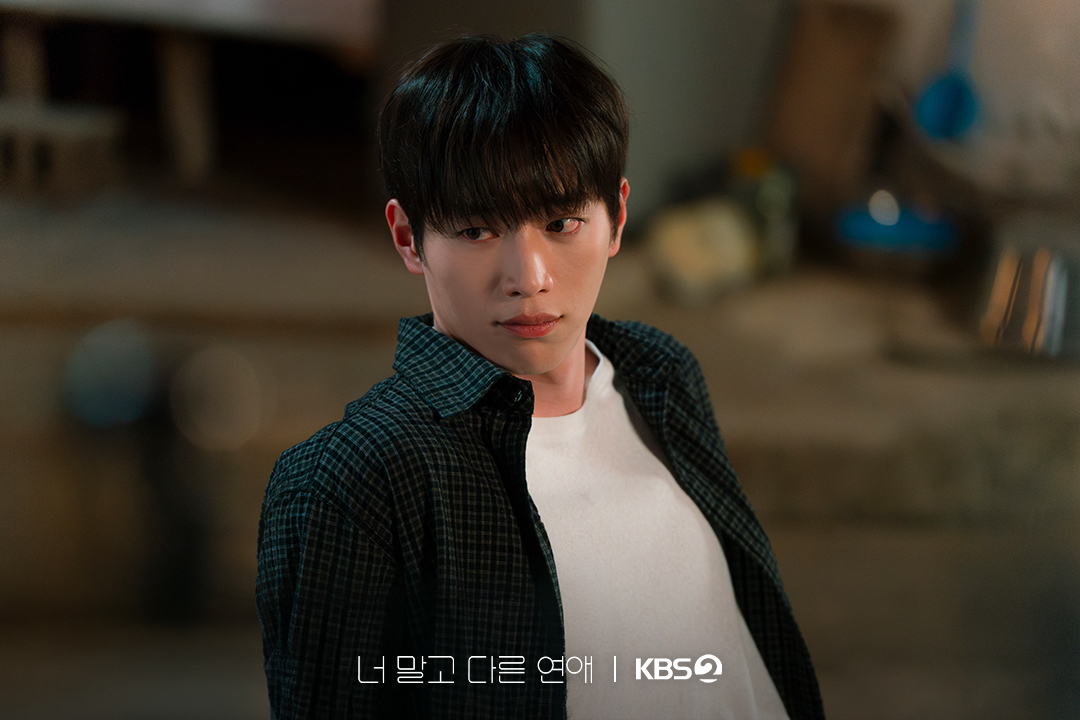
As the plot thickens, the four principal characters—Namgoong Ho (portrayed by Seo Kang Jun), Lee Mi Do (portrayed by Ahn Eun Jin), Han Tae Seung (portrayed by Lee Joo Ahn), and Park Soo Ah (portrayed by Jo Aram)—find themselves standing at critical emotional crossroads. Far from being mere vessels for melodrama, each character is burdened by distinct historical traumas: abandonment, professional failure, systemic abuse, and public disgrace. Recent episodes have peeled back these layers, revealing how past scars actively dictate present choices. The shifting dynamics between Namgoong Ho and Lee Mi Do, juxtaposed against their emergent entanglements with Park Soo Ah and Han Tae Seung respectively, have transformed the series into a complex narrative maze where love is no longer a safe haven, but a catalyst for profound personal reckoning.
This comprehensive review explores the psychological mechanics driving the narrative of “A Love Other Than Yours,” breaking down the structural arcs of its protagonists, analyzing the thematic weight of their confrontations, and evaluating what these dramatic shifts mean for the remainder of the series’ weekend run.
Detailed Chronology: Unearthing the Past and Rewriting the Present
The trajectory of “A Love Other Than Yours” hinges on a series of pivotal revelations that dismantle the characters’ carefully constructed realities. To understand where the narrative currently stands, one must trace the chronological escalation of emotional transparency and crisis among the core ensemble.
The Fracturing of a Decade-Long Bond: Namgoong Ho and Lee Mi Do
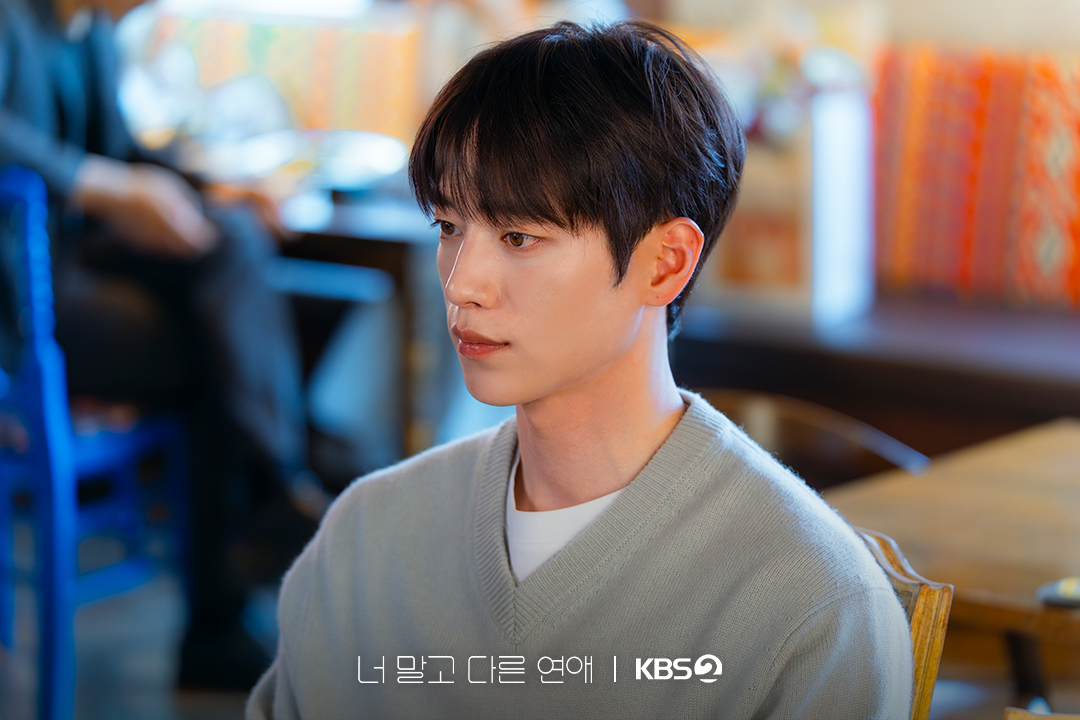
For ten years, the relationship between Namgoong Ho and Lee Mi Do was defined by steadfast endurance and comforting predictability. However, recent developments have exposed the structural rot beneath this long-standing foundation. Namgoong Ho, whose life has been secretly dominated by the trauma of being abandoned and exploited by his biological mother, maintained a stoic facade of thoughtfulness to shield Lee Mi Do from his inner turmoil. He believed that bearing his agony in silence was the ultimate proof of devotion.
The breaking point arrived in a setting far removed from the urban sophistication of their daily lives: during a raw, emotionally charged mud fight on the open tidal flats. Stripped of their social defenses, the physical degradation of the environment mirrored the breakdown of their emotional barriers. Here, Namgoong Ho confessed the chilling anxiety lurking behind his gentle demeanor, admitting that a fraction of his psyche—roughly 10 percent—harbored an impure, retaliatory desire to inflict pain upon the woman who loved him, simply because he himself was hurting. This shocking vulnerability shattered the illusion of their untarnished romance, opening a chasm that neither partner could easily bridge.
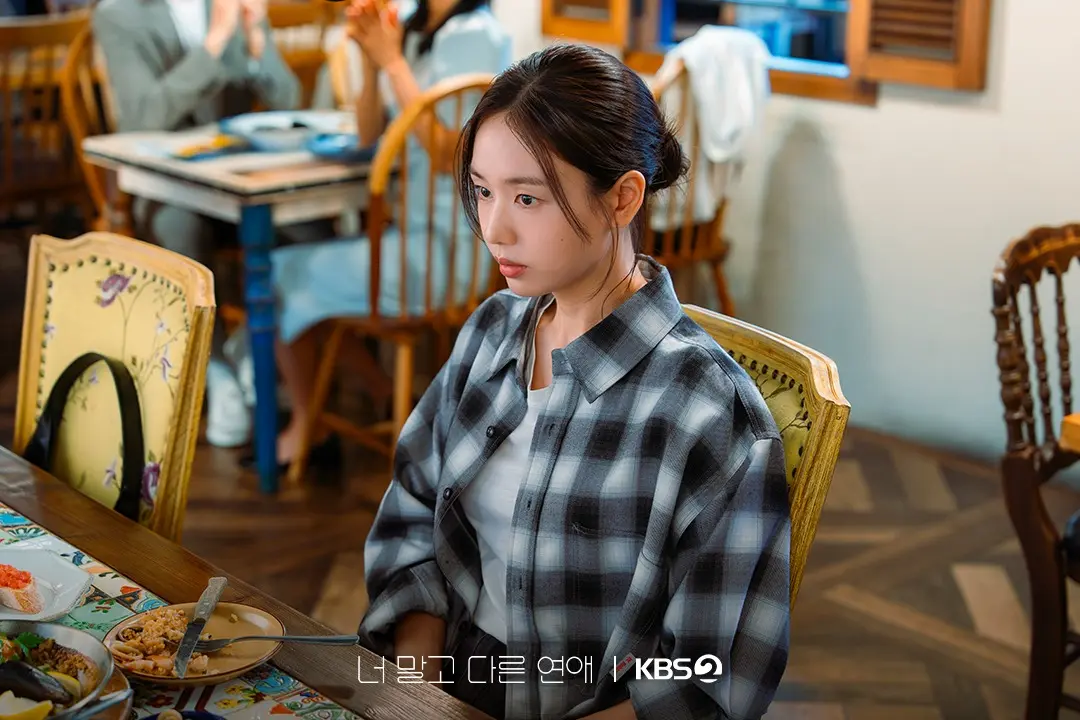
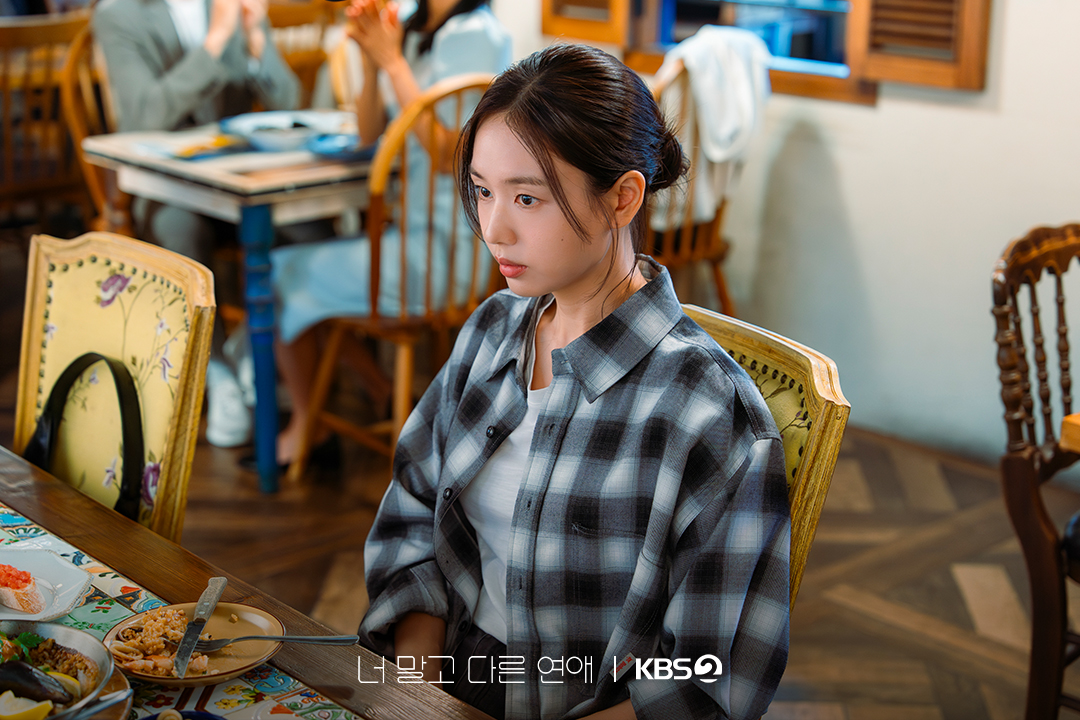
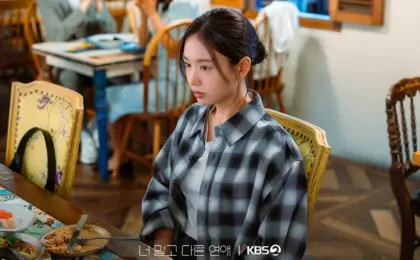
Concurrently, Lee Mi Do has been fighting her own silent battles. Grappling with a profound loss of professional confidence and lingering trauma stemming from repeated failures in film production, she found an unexpected mirror in Han Tae Seung. Tae Seung possessed an uncanny ability to perceive the fragile inner self that Mi Do desperately attempted to conceal from the world. While this triggered an unfamiliar, electrifying current of excitement within her, it also plunged her into a paralyzing spiral of guilt regarding Namgoong Ho, the person she cherishes most.
The Liberation and Isolation of Han Tae Seung
Han Tae Seung’s narrative arc serves as one of the series’ darkest explorations of systemic abuse and low self-worth. Harboring a past defined by ruthless physical violence within an orphanage, Tae Seung’s psychological breaking point had previously manifested in acts of desperation, including arson committed out of a blind, consuming desire for revenge.
This historical vulnerability made him a prime instrument for exploitation, forcing him to live under the thumb and direct orders of Seo Jae Hyuk (portrayed by Kwak Si Yang), who weaponized Tae Seung’s criminal past against him. Bound by chains of his own making, Tae Seung frequently internalized his abuse, famously describing himself with devastating candor as "a dog that never knows when it will be abandoned."
In an effort to reclaim his autonomy, Tae Seung executed a bold escape by leaving Jaegang Law Firm to establish his own independent practice. Yet, the road to self-reliance has proven brutally punishing. A cascading series of canceled client engagements has left his fledgling firm struggling to survive, compounding his lifelong fear of destitution and worthlessness. His connection with Lee Mi Do offers a fleeting glimpse of genuine validation, yet his internal instability threatens to sabotage any genuine happiness he attempts to grasp.
Park Soo Ah and the Awakening of New Curiosities
Park Soo Ah carries an equally burdensome cross, defined by the sudden, catastrophic collapse of her life’s trajectory. Once harboring bright aspirations of becoming a journalist, her dreams—alongside her relationship with her closest friend, Ji Soo Yeon (portrayed by Kim Seung Hee)—were systematically obliterated in the wake of a massive public scandal involving her father, a former national team athlete.
Soo Ah’s paths first crossed with Namgoong Ho during a formative encounter on Haemado Island, where he unknowingly assisted her in navigating the initial waves of her emotional devastation. Years later, their professional reunion as workplace colleagues revealed a startling symmetry: both carried deep, unhealed wounds inflicted by their biological mothers.
Despite projecting an aura of impenetrable strength to the outside world, Soo Ah had deliberately walled herself off from confronting the ghosts of her past. That defensive wall began to crumble not through grand gestures, but through Namgoong Ho’s quiet, persistent inquiry: "Can I be curious about you?" This simple question signaled a profound pivot in the narrative, encouraging Soo Ah to step out of the shadows of her trauma and tentatively entertain the prospect of a mutual, unburdened future with a man who truly understands the language of abandonment.
Supporting Context & Metrics: Production Scale and Character Dynamics
To fully appreciate the narrative weight of “A Love Other Than Yours,” one must examine the production framework and the meticulous casting choices that bring these heavy psychological themes to life. Airing in the coveted Saturday and Sunday 9:20 p.m. KST time slot on KBS 2TV, the drama occupies a strategic broadcast window traditionally reserved for high-stakes, emotionally resonant storytelling that appeals to a broad demographic of mature television viewers.
The production relies heavily on the nuanced performances of its lead actors to translate complex psychological trauma into palpable screen tension.
Seo Kang Jun brings a subdued, magnetic intensity to Namgoong Ho, effectively balancing the character’s external gentleness with underlying currents of resentment and existential anxiety.
Ahn Eun Jin captures the exhausting weight of professional burnout and romantic guilt, portraying Lee Mi Do not as a passive victim, but as a complex woman actively struggling against her own feelings of inadequacy.
Lee Joo Ahn infuses Han Tae Seung with a volatile, wounded energy that keeps viewers on edge, perfectly capturing the dichotomy of a man desperately seeking freedom while convinced he deserves captivity.
Jo Aram rounds out the central quartet as Park Soo Ah, portraying a resilient survivor whose armor is slowly, realistically melted by genuine empathy rather than forced romantic progression.
Furthermore, the drama’s strategic streaming distribution via platforms like Viki has allowed international audiences to engage deeply with the series’ psychological complexities, generating significant social media discourse surrounding its bold deconstruction of the standard Korean drama romance template. The inclusion of cross-promotional tie-ins with previous works by the lead cast—such as Seo Kang Jun’s “Undercover High School” and Ahn Eun Jin’s “The One and Only”—underscores the network’s confidence in its star power and the dedicated fandoms supporting these performers.
Official Statements and Creative Vision
While direct interview transcripts regarding the immediate plot twists remain closely guarded by KBS production teams to preserve upcoming narrative surprises, promotional statements released by the network and the creative leads shed light on the core philosophy driving “A Love Other Than Yours.”
According to production insiders, the central objective of the series is to challenge the audience’s definition of romantic loyalty. Rather than treating love as an immutable force that effortlessly conquers all obstacles, the creators set out to explore how love itself can become a pressure cooker under the weight of unaddressed personal trauma.
A representative from the production team noted during early promotional cycles:
"‘A Love Other Than Yours’ is not designed to offer easy comfort or neat resolutions. We wanted to ask a difficult question: What happens when the person you have trusted for a decade becomes the mirror that reflects your deepest insecurities? The characters in this drama do not fall in love to save one another; they collide because they are broken, and through those collisions, they are forced to find the courage to face themselves."
This thematic focus explains the deliberate pacing of the narrative and the refusal to offer immediate redemption arcs for characters like Han Tae Seung and Namgoong Ho. The creative team has consistently emphasized that true emotional maturity requires the painful dismantling of old coping mechanisms—a philosophy vividly illustrated by the raw confrontations on the tidal flats and the quiet, hesitant steps toward new companionship seen in recent episodes.
Future Outlook: Navigating the Uncharted Waters Ahead
As “A Love Other Than Yours” charges past its midway point, the narrative landscape is fraught with profound uncertainty and high emotional stakes. The established paradigms have been entirely upended: the ten-year romance between Namgoong Ho and Lee Mi Do is fractured, Han Tae Seung is fighting an uphill battle for professional and personal survival, and Park Soo Ah stands on the precipice of a vulnerable new beginning.
For the remainder of the broadcast run, several critical narrative threads demand resolution. Viewers are left to ponder whether Namgoong Ho and Lee Mi Do can successfully process their individual traumas and find their way back to one another, or if their decade-long history is destined to remain a casualty of emotional growth. Furthermore, the burgeoning dynamic between Namgoong Ho and Park Soo Ah introduces a compelling gray area—one built not on deceit, but on the rare, mutual recognition of shared scars.
Concurrently, Han Tae Seung’s struggle to maintain his independence away from the suffocating influence of Seo Jae Hyuk will likely serve as a major crucible. If Tae Seung cannot conquer his internalized belief that he is fundamentally unlovable, his burgeoning connection with Lee Mi Do may collapse under the weight of his own self-sabotage.
Ultimately, “A Love Other Than Yours” has established itself as a standout entry in contemporary Korean television drama. By prioritizing psychological realism over romantic idealization, the series dares its audience to look past the comforting illusions of long-term companionship and confront the messy, beautiful reality of human healing. As the weekend broadcasts continue to unfold at 9:20 p.m. KST, viewers remain glued to the screen, waiting to see whether these fractured souls can piece their lives together—either in the arms of new partners, or through the arduous rediscovery of themselves.



Belum ada komentar. Jadilah yang pertama berkomentar!