

Executive Overview
The global phenomenon of Japanese pop culture has reached unprecedented milestones over the past decade, yet even the most passionate fandoms remain vulnerable to the complex machinery of international diplomacy and immigration bureaucracy. The multimedia mega-franchise Umamusume: Pretty Derby—a unique sports anime and video game hybrid that reimagines legendary Japanese racehorses as reincarnated, high-spirited schoolgirls—is currently facing its most formidable hurdle yet. Despite commanding a deeply dedicated and steadily growing consumer base across the United States, organizers announced that a pair of high-profile live concerts scheduled for Los Angeles are in immediate jeopardy of cancellation due to unresolved U.S. visa approvals.
With just hours remaining before a self-imposed organizational deadline, management revealed that after six months of meticulous preparation, legal consultations, and active coordination with American promoters, the necessary performance visas for 17 Japanese voice actresses and vocalists have still not cleared U.S. government processing. The potential cancellation of the Umamusume 7th Event World Tour: The Stage at the Peacock Theater threatens not only a historic cultural milestone for the franchise’s American expansion but also creates an intricate logistical nightmare involving thousands of ticket holders, international streaming logistics, and exclusive merchandise lines. As stakeholders await a definitive final verdict, the situation highlights the persistent friction between the booming demand for overseas entertainment content and the rigid, often unpredictable realities of modern immigration administration.
Detailed Chronology: The Road to the Brink
To understand the gravity of the current administrative crisis, one must trace the timeline of the Umamusume 7th Event World Tour: The Stage. The ambitious global initiative commenced grandly in June, launching with a triumphant two-day opening spectacle at the massive Ariake Arena in Tokyo. Drawing tens of thousands of domestic fans and setting an enthusiastic tone for the international legs of the tour, the Tokyo performances established high expectations for the subsequent overseas stops in North America, Europe, and Asia.
The Los Angeles engagement was slated as the premier jewel of the international tour. Promoters scheduled the two-night run for October 22 and 23 at downtown Los Angeles’ prestigious Peacock Theater. A contingent of 17 prominent voice actresses and vocalists—the vital creative heartbeat of the franchise—was prepared to travel across the Pacific to deliver live musical numbers, interact with American fans, and solidify the franchise’s footprint in the North American market.
However, behind the scenes, a quiet bureaucratic struggle had been unfolding. According to official disclosures released simultaneously via the franchise’s Japanese and English social media channels at 8:00 p.m. Los Angeles time on October 18, organizers had initiated the formal visa acquisition process alongside U.S.-based legal counsel and promoters more than six months prior. In standard entertainment logistics, a six-month lead time is typically considered more than adequate to secure standard P-1 or O-1 temporary entertainment visas for performing artists.
Despite this substantial runway, the applications stalled. As the calendar advanced into mid-October without official approval stamps from U.S. immigration authorities, the window for international travel arrangements, rehearsals, and technical load-ins rapidly evaporated. Confronted with the stark reality of administrative inertia, the production committee issued a formal public warning, establishing a hard deadline: a final, definitive decision regarding whether the concerts would proceed or be outright cancelled would be handed down by 10:00 p.m. Los Angeles time on October 19.

Supporting Context & Metrics: The Anatomy of a Cross-Border Production
The crisis surrounding the Los Angeles concerts is not merely a scheduling inconvenience; it represents a massive financial and organizational disruption involving high-stakes investments from both corporate entities and individual consumers.
Financial Scope and Ticket Structures
Ticket sales for the Los Angeles engagement commenced months prior, kicking off with early pre-sales on July 23. Demand among the domestic U.S. fanbase—fueled by years of digital engagement with the mobile game and international streaming of the anime adaptations—was swift. Pricing reflected the premium nature of the live event, with standard and tier-based entry ranging from US$80 to US$350. The top-tier tickets included exclusive VIP passes and curated merchandise bundles designed specifically for the North American audience.
Recognizing that international travel is cost-prohibitive for a significant portion of the global fanbase, organizers also structured a hybrid digital distribution model. Livestream viewing tickets were made available globally, priced at US$39 for a single day’s performance or bundled at US$74 for the full two-day experience. These virtual passes were purchased by thousands of fans, including domestic Japanese supporters eager to witness how their favorite voice actresses would command an overseas stage.
Merchandise and Logistical Liabilities
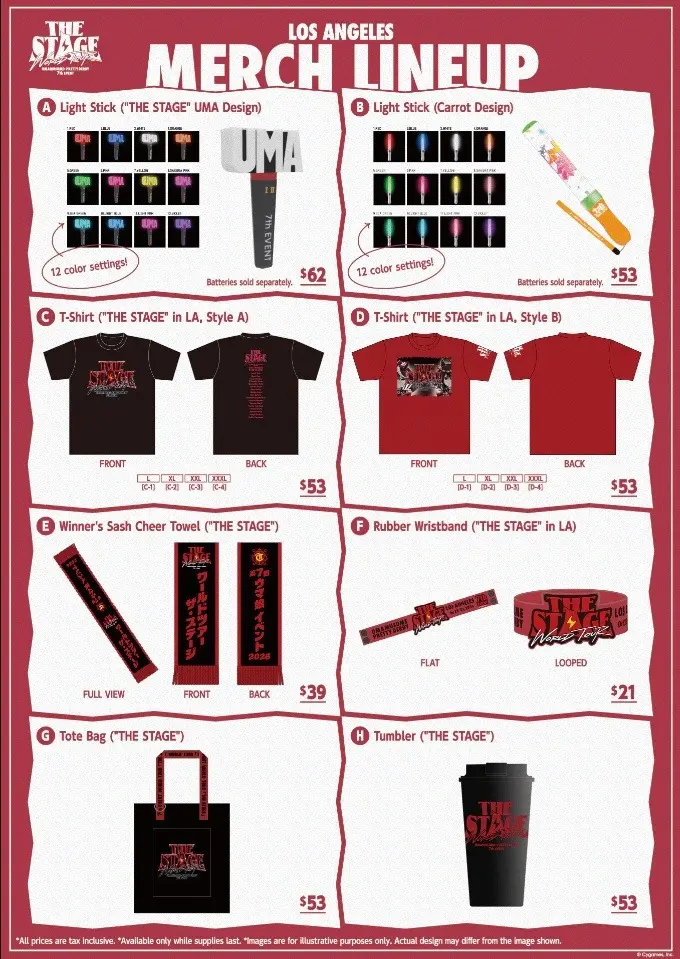
Beyond ticket refunds, the logistical footprint of a live concert involves extensive physical inventory. Special event merchandise—featuring bespoke artwork, Los Angeles-specific branding, and limited-edition memorabilia—had already been manufactured, shipped, and warehoused near the venue. In the event of a cancellation, this localized inventory risks becoming an immediate financial write-off, as venue-specific items hold little to no resale value for audiences in other regions or subsequent tour stops.
Furthermore, the operational complexity of flying a troupe of 17 performers, backed by necessary management staff, audio technicians, and creative directors, involves considerable non-refundable expenditures. Industry analysts note that talent agencies frequently utilize such international excursions to anchor secondary promotional obligations, media appearances, or business development meetings. While unconfirmed, the inclusion of these broader professional itineraries within the primary visa applications may have inadvertently introduced additional layers of administrative scrutiny, complicating what might otherwise have been a more straightforward artistic visa review.
Official Statements and Industry Analysis
The public disclosures from Cygames and the Umamusume production committee reflect a tone of profound frustration tempered by regulatory reality. The official statement released on October 18 laid bare the exhaustive efforts undertaken by the production team:

"In preparation for the 7th Event: The Stage in Los Angeles concerts planned for Oct 22–23, 2026, we had been working with lawyers and promoters in the US to secure the visas necessary to enter the US since over six months ago, but as of now the visas have yet to be approved."
Immigration attorneys and cultural exchange experts point out that the United States visa adjudication system has experienced chronic processing backlogs, staffing shortages, and heightened administrative friction over recent years. For foreign performance groups, securing temporary work visas requires navigating a labyrinth of petitions, background checks, labor union consultations (such as with the American Federation of Musicians or SAG-AFTRA where applicable), and consular interviews. Even minor discrepancies or shifting federal guidelines can trigger extended administrative processing phases that defy standard timelines.
The situation underscores a broader systemic challenge facing the exportation of Japanese pop culture. As anime, manga, and gaming conglomerates increasingly pivot toward direct-to-fan global expansion—moving beyond digital streaming into physical live-event ecosystems—they find themselves abruptly colliding with the archaic and inflexible border controls of destination markets. While fans often direct their disappointment at organizers or government bodies alike, the reality remains that transnational entertainment production is exceptionally vulnerable to geopolitical and bureaucratic variables entirely outside the control of the creative talent.
Future Outlook: Implications for the Global Tour and Beyond
The immediate fallout of the Los Angeles visa crisis extends far beyond a single weekend at the Peacock Theater. If the concerts are formally cancelled, organizers will face an unprecedented administrative clean-up operation, managing international refund channels across multiple ticketing platforms, mitigating vendor losses, and coordinating communications with disappointed fans who traveled from across the Americas to attend the historic debut.
More critically, the shadow of the Los Angeles debacle now looms over the subsequent international destinations on the Umamusume 7th Event World Tour: The Stage, which includes planned stops in major cultural hubs such as London and Seoul. Tour promoters will undoubtedly need to re-evaluate their lead times, legal strategies, and government relations protocols for European and Asian jurisdictions to ensure that future performances do not fall victim to similar bureaucratic impasses.
For the American Umamusume community, the crisis serves as a bittersweet testament to the franchise’s arrival on the global stage. The sheer fact that a niche, horse-racing-themed multimedia property has achieved the commercial viability required to book a major Los Angeles venue demonstrates the profound maturation of the Western anime market. Yet, as fans anxiously awaited the final 10:00 p.m. verdict on October 19, the episode served as a sobering reminder that bringing fantasy into reality requires navigating the stubborn, unglamorous paperwork of the physical world.






Belum ada komentar. Jadilah yang pertama berkomentar!