

Executive Overview
As Japan experiences an unprecedented, multi-year tourism boom, the landscape of urban exploration in metropolises like Tokyo is undergoing a profound digital transformation. Viral social media algorithms, algorithmic recommendations, and localized digital word-of-mouth are reshaping foot traffic patterns across the capital. For local residents who remain detached from the hyper-targeted streams of inbound-tourist travel itineraries, long, serpentine queues forming outside seemingly anonymous neighborhood establishments can be an intriguing mystery.
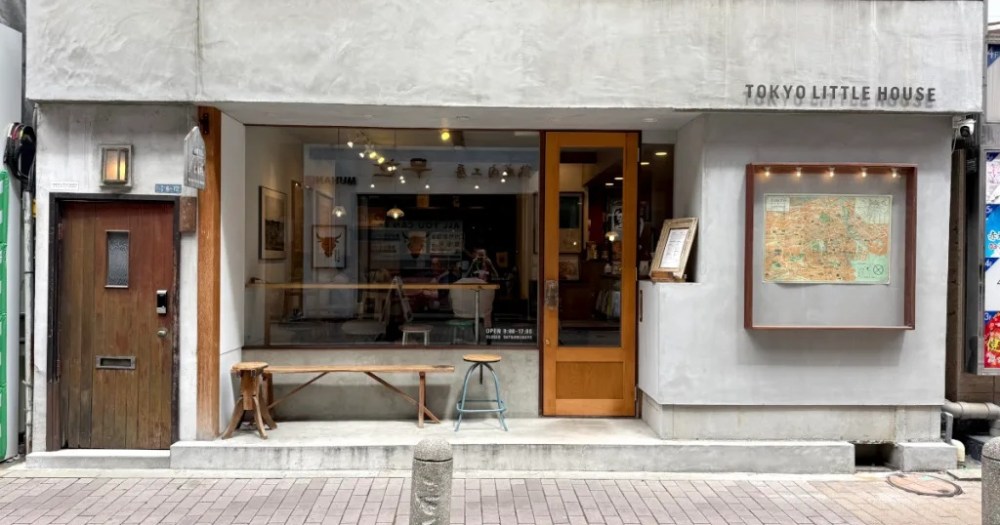
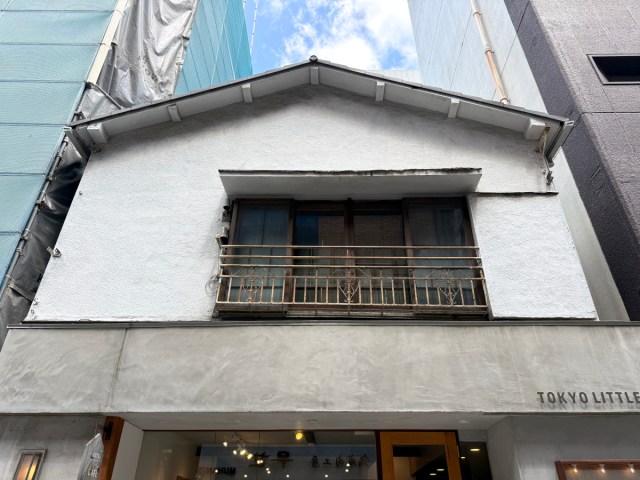
This phenomenon recently captured the attention of veteran journalist P.K. Sanjun, who stumbled upon an unusual morning line of international travelers gathered outside an unassuming storefront in the bustling upscale district of Akasaka. Upon closer investigation, the queue revealed itself to be bound for Tokyo Little House, a masterfully retrofitted 70-year-old traditional Japanese building that functions simultaneously as an intimate cafe, a cultural community gallery celebrating the deep-rooted history of Tokyo, and an exclusive boutique lodging destination.
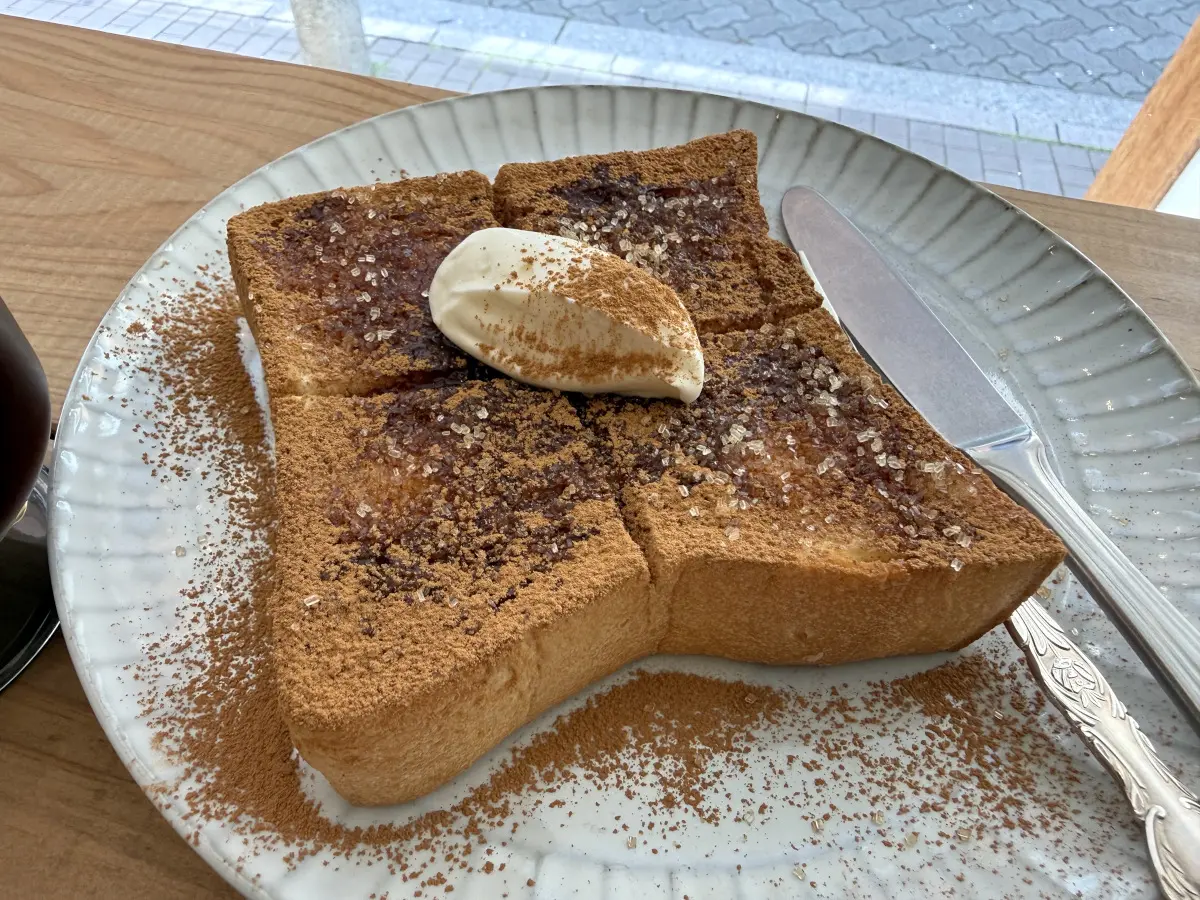
Far from being a synthetic tourist trap engineered purely for the digital age, Tokyo Little House represents a harmonious bridge between historical preservation and contemporary global hospitality. Its runaway success is anchored by a deceptively simple signature item—a masterfully prepared, exquisitely subtle cinnamon toast priced at an accessible 600 yen (approximately $4 USD)—paired with a tranquil ambiance that attracts savvy international travelers. This investigative feature explores how a modest, century-spanning architectural relic leveraged digital connectivity, community ethos, and culinary craft to capture the imagination of the global traveling class, offering local residents a fresh perspective on the hidden gems flourishing right in their backyards.
Detailed Chronology: The Discovery of Tokyo Little House
The Mystery of the Akasaka Queue
The sequence of events leading to the rediscovery of Tokyo Little House began during an ordinary weekday morning commute through Akasaka, one of Tokyo’s most historically rich yet heavily commercialized commercial and residential wards. P.K. Sanjun, navigating the familiar concrete canyons of the district, noticed an unmistakable anomaly: a remarkably long, orderly line of foreign tourists spilling out from the threshold of a low-rise building that blended architectural elements of early post-war Japan with modern urban infill.
In a city where queues for Michelin-starred ramen joints or seasonal pastry pop-ups are commonplace, lines forming outside what appeared to be a standard neighborhood cafe at peak morning hours sparked immediate journalistic curiosity. However, because the morning schedule precluded a prolonged wait, Sanjun opted to defer his investigation, returning later in the evening during a less congested post-work window.
Evening Reconnaissance and Interior Assessment
Upon returning to the site after standard operational hours, Sanjun found that the external queues had dissipated entirely, replaced by the calm serenity of an evening winding down. Peering through the glass and stepping across the threshold, he observed a warm, wood-accented interior that felt entirely detached from the frantic energy of the surrounding business district.
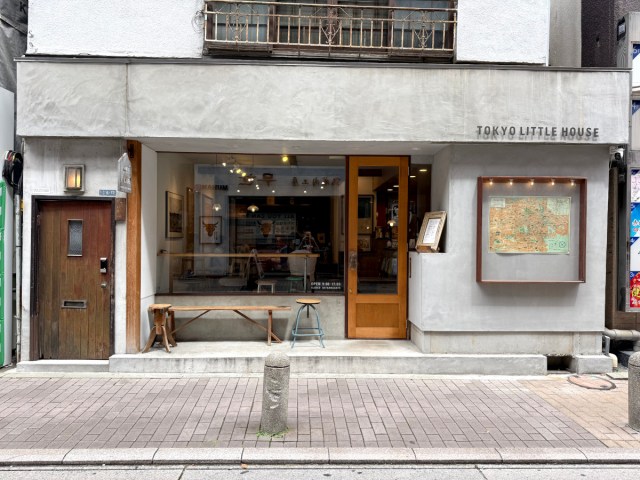
Even at this quieter hour, international visitors comprised roughly half of the seated clientele, interacting quietly with staff and absorbing the rustic tactile qualities of the space. It became immediately clear that this was not merely a fleeting viral flash-in-the-pan, but a destination deeply integrated into a specific, highly intentional global travel subculture.
Architectural Archaeology: From Residence to Cultural Hub
Intrigued by the building’s distinct architectural divergence from the towering glass-and-steel monoliths dominating Akasaka, Sanjun initiated a digital inquiry into the property’s provenance. The search revealed that the structure is a meticulously preserved 70-year-old traditional Japanese house (minka-style or classic post-war urban wooden residence) that has been thoughtfully repurposed.
The establishment, aptly and affectionately christened Tokyo Little House, operates on a multi-tier spatial model:
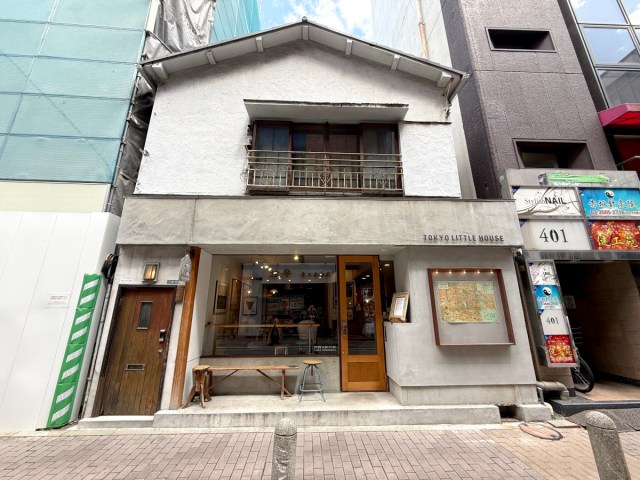
- The Ground-Floor Cafe & Gallery: Serving as the social heartbeat of the property, the ground floor welcomes casual diners while housing rotating art and photography exhibits dedicated entirely to exploring the "roots of Tokyo."
- The Second-Floor Accommodation: The upper level has been converted into a private, highly sought-after lodging space capable of hosting a single party of guests at a time, offering an immersive residential experience in the heart of the capital.
Supporting Context & Metrics: The Mechanics of Modern Urban Tourism
The Inbound-Tourist Algorithm and Local Disconnect
The phenomenon observed at Tokyo Little House highlights a broader trend within Japan’s contemporary tourism economy. As annual visitor arrivals shatter historic records, travel patterns are decentralizing. International visitors are moving beyond conventional mega-attractions—such as the Shibuya Crossing, Senso-ji Temple, or Akihabara’s electric town—to seek authentic, neighborhood-level experiences mediated by TikTok, Instagram Reels, and niche travel blogs.
For long-term residents, this creates a fascinating disconnect. While algorithmic curation directs thousands of global travelers to hyper-specific micro-locations, locals walking the same streets may remain entirely oblivious to these spots until forced to notice them by external queues. As Sanjun noted, this dynamic frequently invites skepticism from locals who fear the degradation of neighborhood authenticity. Yet, establishments like Tokyo Little House demonstrate that viral popularity does not inherently compromise a venue’s integrity.
Culinary Craftsmanship: Decoding the 600-Yen Cinnamon Toast Phenomenon
When Sanjun engaged the establishment’s staff to understand the primary driver behind its immense digital footprint and physical queues, the answer was delightfully straightforward: the cinnamon toast.
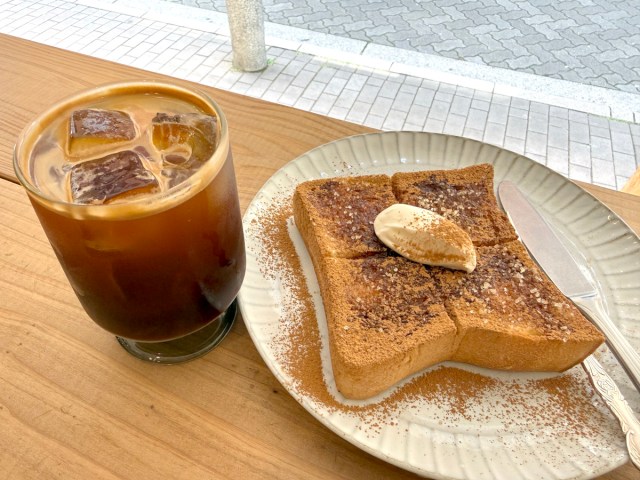
Priced at a modest 600 yen ($4 USD), the dish defies the hyper-inflated pricing models often associated with viral dessert concepts. Upon ordering the toast alongside a hand-drip coffee, Sanjun evaluated the culinary merits of the item:
- Texture and Toasting: The bread achieves an optimal balance, delivering a pronounced external crunch while maintaining a soft, pliable interior crumb.
- Flavor Profile: Eschewing the cloying sweetness typical of Western-style heavily sugared pastries, the cinnamon topping exhibits a refined, subtle aromatic profile.
- Synergy: The understated sweetness of the toast pairs harmoniously with the robust, clean bitterness of the house coffee, reinforcing the unhurried, contemplative rhythm of the cafe.
Official Statements & Staff Insights
Conversations with the operational staff at Tokyo Little House shed light on the philosophy guiding the enterprise and its operational reality amidst relentless social media attention.
According to management, overseas visitors consistently represent a substantial majority of the customer base throughout peak operational hours. The recurring formation of morning queues has transformed from an occasional surprise into a predictable daily operational rhythm. Rather than altering their product offerings to cater strictly to fleeting viral trends, the team has doubled down on maintaining a tranquil, welcoming environment.
Staff emphasized that the dual mission of Tokyo Little House is to preserve architectural heritage while fostering genuine cross-cultural dialogue. By pairing accessible, comforting menu items like their signature cinnamon toast with rotating historical exhibitions, the venue actively encourages visitors to look past the surface-level aesthetics of "retro Japan" and engage meaningfully with the social and architectural history of Tokyo.
Future Outlook: Redefining the "Tourist Trap" Paradigm
The success of Tokyo Little House in Akasaka offers a compelling lens through which to view the future of urban hospitality in post-pandemic Japan. Far from being dismissed as a detrimental "tourist trap," establishments that successfully navigate the delicate intersection of digital visibility and authentic local charm serve as vital cultural conduits.
For seasoned reporters like P.K. Sanjun, the experience yielded a broader journalistic and personal realization: following crowds of international tourists into uncharted territory is no longer a risk to be avoided, but a legitimate pathway to discovering overlooked local treasures. As global travel continues to evolve, the ability of small, independent spaces like Tokyo Little House to maintain their soul while opening their doors to the world will serve as a benchmark for sustainable, community-integrated tourism across Japan.
Restaurant Information
- Establishment Name: Tokyo Little House (東京リトルハウス)
- Address: Tokyo-to, Minato-ku, Akasaka 3-6-12 (東京都港区赤坂3-6-12)
- Operating Hours: 9:00 AM – 5:00 PM
- Regular Closures: Saturdays and Public Holidays
- Official Website: littlehouse.tokyo






Belum ada komentar. Jadilah yang pertama berkomentar!