

Executive Overview
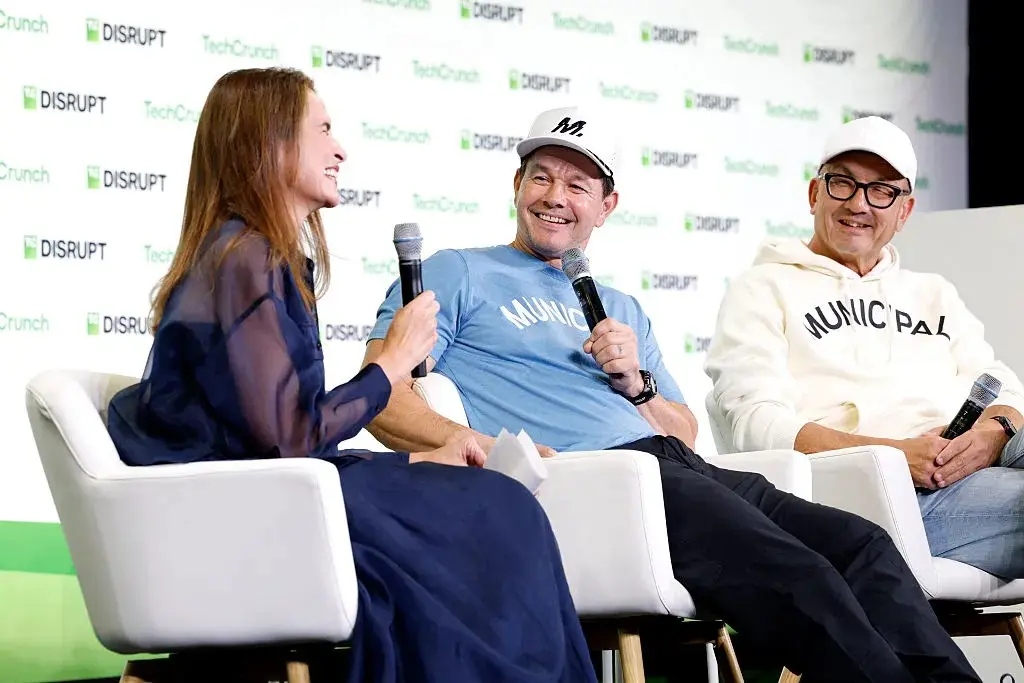
For decades, the intersection of celebrity endorsement and commercial fitness has relied on a predictable, albeit superficial, playbook. Famous actors and athletes front athletic wear, promote generalized protein powders, or lend their names to boutique studio franchises for quick payouts. Mark Wahlberg, however, is charting a radically different course. At TechCrunch Disrupt in San Francisco, the actor, entrepreneur, and cultural fixture revealed what he considers the most thrilling venture of his entire career: the impending December launch of the first Municipal Gym.
Spanning an expansive 32,000 square feet just outside Las Vegas, this flagship facility is not merely a place to lift weights. Instead, it represents a direct challenge to the burgeoning, ultra-expensive longevity market. While elite wellness hubs spearheaded by venture-backed startups and high-profile entrepreneurs charge anywhere from $20,000 to over $35,000 annually for blood diagnostics, epigenetic testing, and specialized medical protocols, Wahlberg’s Municipal Gym aims to deliver similar clinical insights and recovery infrastructure at a fraction of the cost.
This ambitious project is the culmination of a seven-year strategy that began with a casual sportswear line launched during the depths of the COVID-19 pandemic. By combining high-end diagnostic wellness, physical rehabilitation technology, apparel retail, and community-building, Wahlberg is attempting to construct an all-encompassing health and wellness ecosystem. This move tests whether a celebrity-backed brand can successfully democratize preventative medicine without sacrificing profitability or operational integrity.
Detailed Chronology: From Pandemic Apparel to the Big-Box Wellness Revolution
The Genesis: Launching Municipal During Global Uncertainty
The conceptual framework for Municipal dates back nearly a decade, rooted in Wahlberg’s exhaustion with traditional celebrity brand-ambassador deals. Having collaborated with numerous fitness brands over the years, he frequently encountered companies with a singular, narrow ambition: selling basic T-shirts and sneakers.
Wahlberg envisioned a broader impact. He wanted to influence consumer habits holistically—addressing nutrition, supplementation, training regimens, and recovery protocols. Consequently, the team decided to establish a beachhead in the apparel space before expanding outward.
However, timing proved precarious. The athleisure and streetwear brand Municipal officially launched during the COVID-19 pandemic in 2020—a notoriously catastrophic period for the retail sector. Major legacy brands, from J.Crew to Brooks Brothers, filed for Chapter 11 bankruptcy as global commerce ground to a halt. Reflecting on the launch at TechCrunch Disrupt, Wahlberg candidly admitted that entering the clothing market in 2020 “was not a good idea.”
Despite the brutal realities of the textile and apparel industry—where supply chain bottlenecks, margin pressures, and quality-control mishaps routinely plague even established players like Lululemon—Wahlberg persevered. The clothing line served a strategic purpose: it established brand equity and created a tangible foundation for a larger physical retail strategy.
The Evolution: Integrating Retail, Fitness, and Diagnostics
The transition from a direct-to-consumer apparel brand to a massive brick-and-mortar health club was always part of the master plan. Wahlberg recognized that physical fitness centers could serve as ideal experiential flagships. A multi-thousand-square-foot gym allows consumers to physically touch, test, and experience Municipal apparel in person before making a purchase.
More importantly, it anchors the brand in a daily routine. Exercise, recovery, and longevity are central pillars of modern consumer lifestyle spending. By integrating high-performance training spaces with clinical-grade diagnostics, the Municipal Gym bridges the gap between casual fitness wear and immersive medical wellness.
The first facility, opening in Las Vegas this December, is designed to keep members engaged for hours rather than rushing them through a rapid 45-minute circuit. This design philosophy directly reflects lessons Wahlberg learned from his past high-profile fitness investments.
The Shadow of F45 and Hard-Won Lessons
Wahlberg’s journey in the fitness industry has not been without turbulence. Die-hard fans of his business career may recall his deep involvement with the Australian-born functional training franchise F45 Training, a journey chronicled in his HBO docuseries Wahl Street.
In 2019, Wahlberg’s investment vehicle bought into F45 at a steep $450 million valuation. The company subsequently went public on the New York Stock Exchange in July 2021, only to suffer a catastrophic stock collapse that ultimately led to its delisting from the NYSE in 2023.
When reminded of this tumultuous period at Disrupt, Wahlberg responded with trademark humor, joking, “How did you know about the pandemic?” Yet, beneath the self-deprecating wit lies a profound corporate post-mortem. The F45 experience taught the entrepreneur invaluable lessons about corporate governance, market alignment, and business models.
His primary takeaway? The absolute necessity of partnering with stakeholders who share his long-term vision and operational approach. Furthermore, Wahlberg realized that the boutique, time-constrained studio model—while appealing to busy urbanites—lacks the community-nurturing capacity of a comprehensive, big-box facility. Where boutique classes encourage members to arrive, sweat, and immediately depart, Wahlberg’s vision for Municipal relies on a space where individuals congregate, work remotely, utilize recovery technology, and build lasting social bonds.
Supporting Context & Metrics: Navigating the Luxury Longevity Boom
To understand the economic significance of Municipal’s gym launch, one must examine the broader venture capital landscape surrounding high-end longevity and wellness. Over the past several years, venture capital and private equity firms have poured hundreds of millions of dollars into diagnostics-heavy health clubs designed to optimize human lifespan and healthspan.
The High-End Competitor Landscape
The upper echelon of the preventative health market is currently dominated by ultra-exclusive clubs catering to the hyper-wealthy:
- Fountain Life: Co-founded by prominent entrepreneur and futurist Tony Robbins, Fountain Life raised $18 million in late 2024 to expand its network of advanced diagnostic centers. Comprehensive annual memberships at these facilities regularly command approximately $21,500.
- The Estate: Another venture involving Tony Robbins, alongside hospitality executive Sam Nazarian, this luxury wellness initiative maps out residential and club memberships priced at a staggering $35,000 per year.
- Equinox Optimize: Traditional luxury fitness giant Equinox has aggressively entered the longevity sector, instituting substantial waitlists for its specialized “Optimize” program. This medical and wellness add-on costs members roughly $36,000 annually, layered on top of standard club dues.
The Municipal Value Proposition
Wahlberg’s strategy disrupts this exclusive pricing model by offering parallel diagnostic services at a revolutionary price point. While he acknowledges that Municipal operates within a premium tier, the cost structure is engineered to appeal to the aspirational middle and upper-middle classes rather than exclusively to ultra-high-net-worth individuals.
For example, Wahlberg highlights a projected baseline package costing roughly $99, which provides members with multiple rounds of comprehensive blood work and dedicated one-on-one consultations with medical professionals to identify genetic predispositions and health risks. Furthermore, advanced physiological recovery tools—such as compression therapy gear, epigenetic testing, cold plunges, and targeted hormone therapy consultations—are integrated directly into the club experience.
Rather than running a traditional gym reliant on the cynical “ghost member” business model—where facilities intentionally over-sell memberships banking on the fact that the majority of subscribers will rarely show up—Wahlberg advocates for active engagement. He expresses bewilderment at gyms that profit from absenteeism, preferring an active ecosystem where members utilize the facility continuously throughout the day.
Official Statements & Industry Insights
Speaking candidly backstage at TechCrunch Disrupt, Wahlberg articulated the personal and philosophical motivations driving his current business empire. Far from hunting blindly for his next commercial conquest, he approaches enterprise building as an extension of his personal evolution.
On Corporate Strategy and Real Estate Support
The commercial real estate market has responded enthusiastically to the Municipal Gym concept. According to Wahlberg, landlords and major urban developers who toured the flagship Las Vegas construction site have proactively offered AAA locations on highly favorable financial terms. Crucially, these developers are providing substantial Tenant-Improvement (TI) allowances to help finance the complex architectural build-out required for diagnostic labs, recovery zones, and specialized HVAC systems.
When questioned about potential cross-pollination with his other commercial interests—such as his performance-focused supplement brand, P.I. Nutrition—Wahlberg confirmed that the gyms will serve as physical touchpoints for his broader portfolio. "It’s a health and wellness ecosystem," he noted, emphasizing an end-to-end consumer journey spanning apparel, nutrition, diagnostics, training, and recovery.
On Upbringing, Resilience, and Community Philanthropy
The name Municipal is deeply personal. Growing up in Dorchester, Boston, as one of nine children in a working-class household, Wahlberg spent his youth on public basketball courts and municipal golf courses. Those formative years on the blacktop taught him vital life lessons:
"You learn a lot on the blacktop. You learn to win, to lose, to compete, and hopefully to get back up and do it again."
Wahlberg has never shied away from discussing his troubled adolescence, which included an incarceration sentence as a teenager. He credits pivotal figures in his life—particularly Father Jim Flavin, a Boston parish priest who has remained a guiding presence since Wahlberg was 13 years old—with helping him redirect his trajectory.
He intends for the Municipal Gyms to mirror that spirit of redemption, mentorship, and community support. The clubs are designed not merely as workout facilities, but as inclusive spaces where members can collaborate, support one another, and challenge themselves.
"I’ve come from next to nothing to being in an amazing position," Wahlberg reflected. "I try to constantly remind myself that I can inspire other people growing up in similar situations, especially inner-city kids and at-risk youth, that there is a way to overcome your circumstances if you’re willing to go out there and do the work."
Future Outlook: Balancing a Multifaceted Empire
At age 55, Wahlberg’s personal priorities have undergone a distinct metamorphosis. While his younger years were defined by aesthetic pursuits and action-hero physiques, his current wellness goals are profoundly pragmatic:
"I just want to feel good when I wake up in the morning. I want to be able to conquer all the things that I have planned for the day."
Executing that vision requires immense bandwidth. Currently, Wahlberg is managing an exceptionally packed professional and personal schedule. Beyond overseeing the aggressive multi-city expansion of Municipal Gyms, he is preparing for a major film role portraying baseball legend Pete Rose, while simultaneously supporting his daughter’s competitive equestrian career.
When asked if he is actively hunting for new venture capital investments, Wahlberg offers a pragmatic shrug. He is not scouring the market for his next acquisition; however, true to his entrepreneurial instincts, he leaves the door open for exceptional opportunities: "If something amazing were to come along, obviously I wouldn’t turn it down."
As the December opening of the Las Vegas flagship approaches, the broader fitness and wellness industry will be watching closely. If Wahlberg can successfully operationalize clinical diagnostics, advanced recovery, and high-end retail within a reasonably priced, community-driven fitness club, Municipal may very well redefine the economics of human longevity for the modern consumer.









Belum ada komentar. Jadilah yang pertama berkomentar!