

Executive Overview
In the fast-paced ecosystem of digital media platforms, few operational changes carry as much emotional and professional weight for content creators as platform verification. For millions of YouTubers, the simple checkmark beside a channel name has long served as a digital hallmark of authenticity, a shield against impersonation, and a badge of professional achievement.
However, in September 2019, YouTube’s announcement of a sweeping, unilateral overhaul of its channel verification program ignited a firestorm of protest across the creator community. The platform initially sought to address persistent issues surrounding user confusion and rampant impersonation—challenges that generated tens of thousands of complaints annually. Yet, the execution proved disastrously flawed. By attempting to strip verification badges from a vast number of established creators under the banner of new, more restrictive eligibility criteria, YouTube inadvertently communicated a message of devaluation to the very backbone of its platform.
The ensuing public relations crisis forced an extraordinary and rapid about-face. Within 24 hours of the initial announcement, YouTube leadership recognized that their well-intentioned updates had "completely missed the mark." This report provides a detailed, investigative examination of the verification crisis of September 2019. It traces the chronology of events, explores the underlying platform metrics that prompted the original redesign, analyzes the fierce creator backlash, documents the official policy reversals, and evaluates the long-term implications of these adjustments on the creator economy.
Detailed Chronology: From Rollout to Rapid Reversal
The timeline of the YouTube verification controversy is a masterclass in swift corporate crisis management and the immense influence wielded by digital content creators.
Phase 1: The Initial Announcement (September 18, 2019)
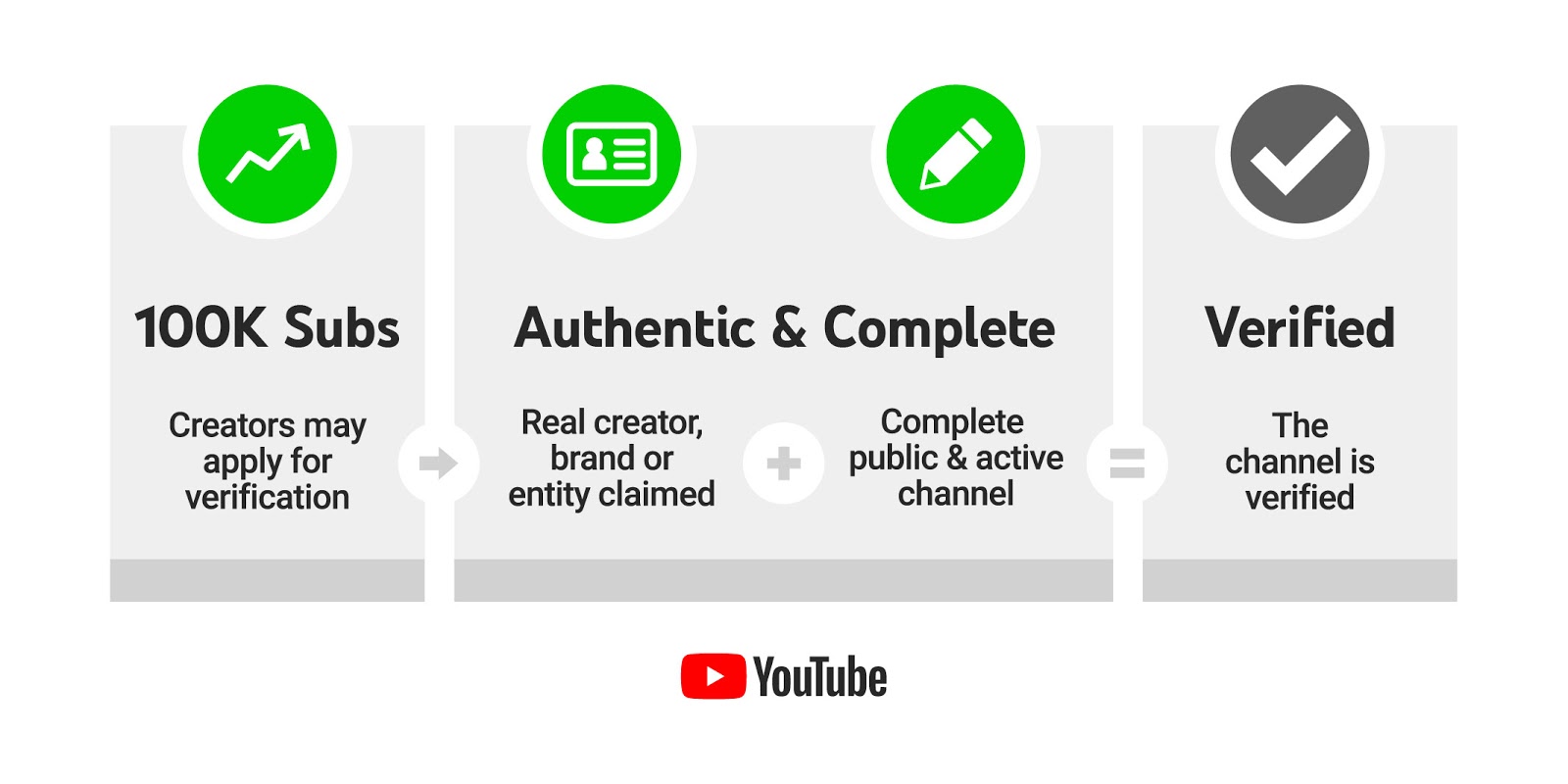
YouTube formally published a blog post detailing comprehensive changes to its verification program. The platform argued that its existing standard—which automatically granted verification to any channel surpassing 100,000 subscribers—was outdated. To combat impersonation and clear up widespread viewer confusion regarding what the verification badge actually meant, YouTube introduced a two-pronged strategy:
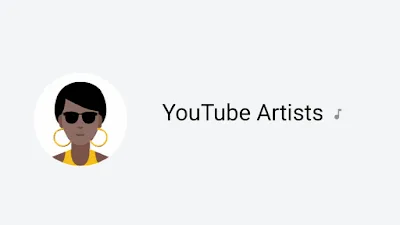
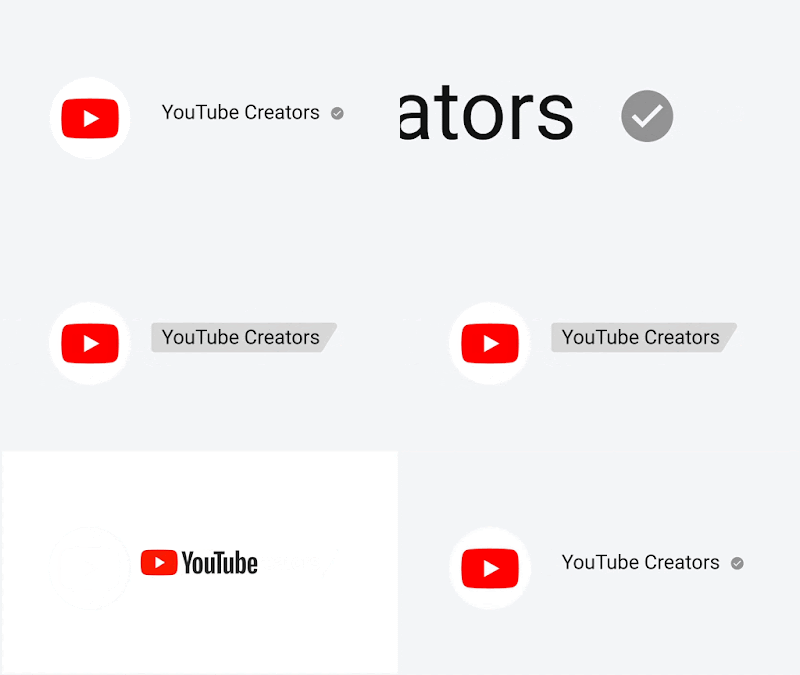
- A New Visual Aesthetic: Replacing the traditional checkmark with a design intended to look more consistent across different surfaces (search, watch pages, comments) and harder for bad actors to replicate. For Official Artist Channels, this new design was slated to replace the existing music note icon.
- Stricter Eligibility Requirements: Shifting away from the pure subscriber milestone model toward a system that prioritized prominent channels with a "clear need for proof of authenticity," evaluated through subjective internal metrics rather than raw numbers.
Phase 2: The Backlash and Community Outcry (September 18–19, 2019)
The reaction from the creator community was immediate, unified, and overwhelmingly negative. Creators with millions of subscribers who had proudly displayed their verification badges for years suddenly learned they were slated to lose them under the new guidelines. Prominent voices across the platform criticized YouTube for failing to consult creators before making a change that directly impacted their brand identity and audience trust.
Critics pointed out that stripping verification from active, mid-tier, and even large channels would actually increase the risk of impersonation—the exact opposite of YouTube’s stated goal. The hashtag #SaveTheCreators and related discussions trended heavily on Twitter and YouTube itself, putting intense pressure on platform executives.
Phase 3: The Apology and Policy Pivot (September 20, 2019)
Recognizing the severity of the miscalculation, YouTube issued a formal update at 3:00 p.m. on September 20, 2019. Written with an unusual degree of candor, the update acknowledged the misstep:
"While rolling out improvements to this program, we completely missed the mark. We’re sorry for the frustration that this caused and we have a few updates to share."
YouTube announced several critical concessions:
- Grandfathering Existing Channels: Channels that already possessed the verification badge would keep it permanently, eliminating the need for creators to appeal or reapply.
- Preserving the 100k Subscriber Threshold: Reaffirming that channels with over 100,000 subscribers would remain eligible to apply through a reopened application process slated for late October.
- Delaying the Visual Redesign: Because of the sweeping operational adjustments announced in the wake of the backlash, the rollout of the new visual badge design was postponed to the following year.
Supporting Context & Metrics: Why YouTube Tried to Change
To understand why YouTube risked such a volatile policy shift, it is necessary to examine the underlying data and operational pressures driving the platform’s trust and safety teams.
The Scale of Impersonation
At the time of the update, YouTube was grappling with an unprecedented volume of impersonation reports. The platform reported receiving tens of thousands of complaints every year from creators whose identities were being hijacked by malicious actors. These bad actors often created replica channels—using identical profile pictures, banners, and channel names—to scam viewers in comment sections, host fake live streams promising cryptocurrency giveaways, or siphon away ad revenue and subscriber loyalty.
Viewer Misunderstanding: Identity vs. Endorsement
Perhaps the most compelling metric driving YouTube’s decision was internal user research revealing a fundamental disconnect between how the platform viewed the verification badge and how viewers interpreted it.
- YouTube designed the badge strictly as an indicator of identity (confirming that a channel belonged to the specific public figure, artist, or company it claimed to represent).
- However, nearly one-third of surveyed YouTube users misunderstood the badge as an endorsement of content. Viewers frequently assumed that a verified checkmark meant YouTube was vouching for the quality, safety, or factual accuracy of the videos produced by that channel.
This misunderstanding created massive liability and moderation hurdles for the platform. When a verified creator engaged in controversial behavior, uploaded misleading information, or violated community guidelines, viewers frequently blamed YouTube for "endorsing" the content via the checkmark.
The Evolution of the Ecosystem
When YouTube originally instituted the 100,000-subscriber threshold for verification, the platform was significantly smaller and far less complex. Reaching 100,000 subscribers was a formidable milestone achieved by a relatively elite group of creators.
However, as the platform matured and global internet penetration deepened, hundreds of thousands of channels crossed the 100,000-subscriber mark. Maintaining a purely quantitative threshold became unsustainable. YouTube needed a qualitative framework to separate genuine public figures, established brands, and major creators from gaming-the-system channels that crossed subscriber thresholds through view-bots, sub-to-sub networks, or compilation content.
Official Statements and Accountability
The rapid turnaround by YouTube in September 2019 offers a fascinating case study in corporate communication during a digital PR crisis. By addressing the community directly, admitting fault without corporate deflection, and adjusting policy in real-time, YouTube managed to de-escalate a rapidly expanding mutiny.
Analyzing the Apology
In its updated release, YouTube leadership made several key commitments that restored trust with the creator base:
- Listening to Feedback: The admission that "we heard loud and clear how much the badge means to you" signaled to creators that their collective voice held tangible sway over product development.
- Protecting Existing Creators: By waiving the appeal process for currently verified channels, YouTube removed the immediate existential threat to creators’ brand identities.
- Refining the Application Process: Rather than automatically stripping badges and forcing creators into an opaque review queue, YouTube committed to reopening applications for channels above the 100,000-subscriber threshold while focusing identity reviews specifically on catching bad actors and impersonators.
Future Outlook: The Legacy of the Verification Crisis
The events of September 2019 permanently altered the relationship between YouTube platform management and its creator ecosystem. Several long-term effects stem directly from this controversy:
1. Increased Transparency and Consultation
Following the verification debacle, major tech platforms—including YouTube—have become noticeably more cautious about unilateral policy rollouts. While platforms still retain final decision-making authority, the crisis demonstrated the high cost of failing to preview major trust-and-safety adjustments with creator advisory boards or beta-testing groups.
2. Balancing Security with Community Sentiment
The core dilemma that triggered the crisis—how to distinguish true identity from content endorsement while preventing mass impersonation—remains an ongoing challenge for all major social media platforms. YouTube’s eventual compromise proved that security measures cannot be implemented in a vacuum; they must account for the emotional and professional value that digital markers hold for users who have spent years building their brands.
3. The Ongoing Fight Against Impersonation
Despite the rollback of the badge-stripping initiative, YouTube continued its technological arms race against impersonators. The platform refined its automated detection systems to catch copycat channels before they could deceive viewers, reducing reliance on manual badge revocation. Furthermore, the commitment to rolling out consistent visual indicators across all surfaces (search, watch pages, and comment sections) eventually gave users clearer tools to verify official presences without alienating legitimate creators.
Conclusion
YouTube’s September 2019 verification crisis stands as a watershed moment in the history of online video. It exposed the friction points that inevitably arise as a platform transitions from a niche community into a global media infrastructure.
By listening to the outcry of its creator base, acknowledging its operational missteps, and swiftly reversing course on its most punitive measures, YouTube averted a permanent fracture in community trust. The episode serves as an enduring reminder that in the creator economy, symbols like the verification badge are much more than mere UI elements—they are the hard-earned digital identities of the people who built the platform.




Belum ada komentar. Jadilah yang pertama berkomentar!