

Executive Overview
For years, the Action Role-Playing Game (ARPG) genre has hummed along a well-trodden path. Heavily influenced by industry titans like Blizzard’s Diablo franchise, the landscape has largely become saturated with interchangeable themes: descending into dreary, subterranean dungeons, slaying endless hordes of generic skeletons and ghastly ghouls, and navigating grim, Western-European-inspired dark fantasy realms. While this formula has reliably provided millions of players with decades of satisfying click-and-slash gameplay, genre fatigue has quietly set in among veteran enthusiasts.
Enter Tarae: The Unbound, a striking new ARPG developed by studio Boundary and published by industry heavyweight Krafton. Revealed unexpectedly via a teaser trailer during the Gamescom 2026 Opening Night Live montage, Tarae instantly captured the attention of cynical genre veterans. By pivoting away from tired Western gothic tropes and instead immersing players in a rich, visceral tapestry of Eastern mythology, folklore, and traditional aesthetics, the title promises to be the much-needed aesthetic palette cleanser the ARPG space has desperately craved.
Fusing high-octane isometric combat with haunting traditional monster designs, atmospheric settings like ornate Buddhist temples, and deeply spiritual mechanical systems rooted in the Five Elements and karmic reincarnation, Tarae: The Unbound signals a bold evolutionary step for the genre. Though it currently lacks a definitive release date, its sudden emergence has repositioned the title as one of the most anticipated upcoming projects in the PC gaming ecosystem.
Detailed Chronology: The Surprise Reveal at Gamescom 2026
The journey of Tarae: The Unbound into the public consciousness began abruptly on the grand stage of Gamescom 2026. Opening Night Live—traditionally a hotbed for massive world premieres, cinematic trailers, and surprise announcements—delivered precisely the kind of jolt the gaming community didn’t know it needed.
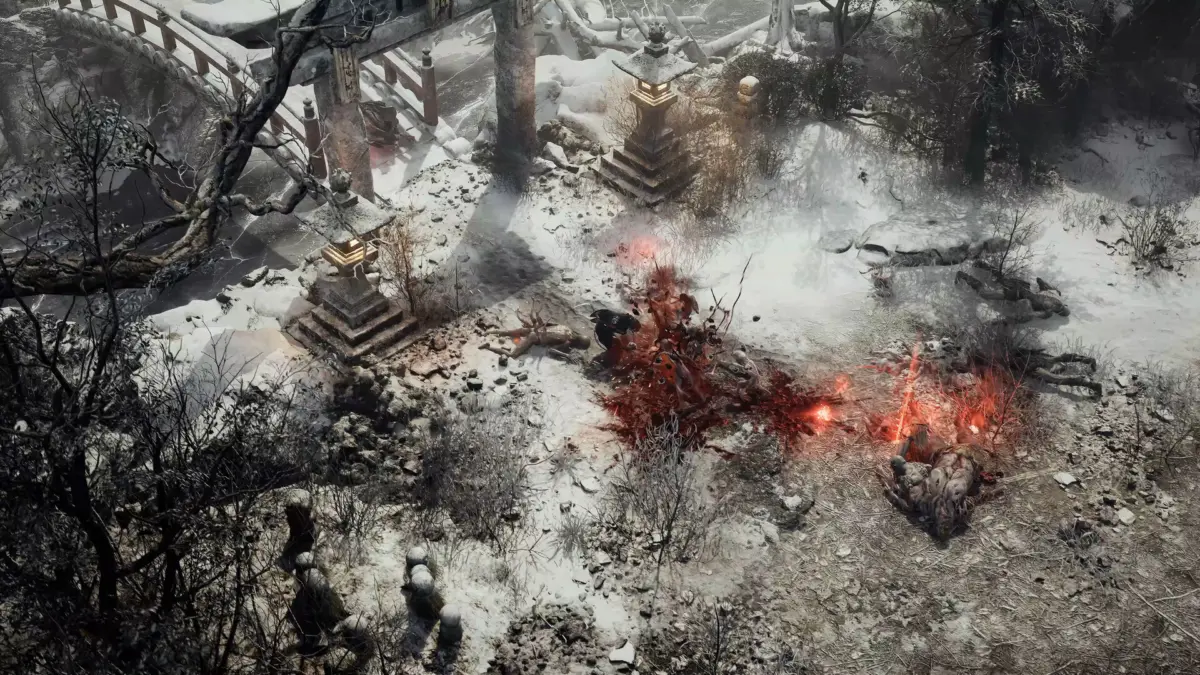
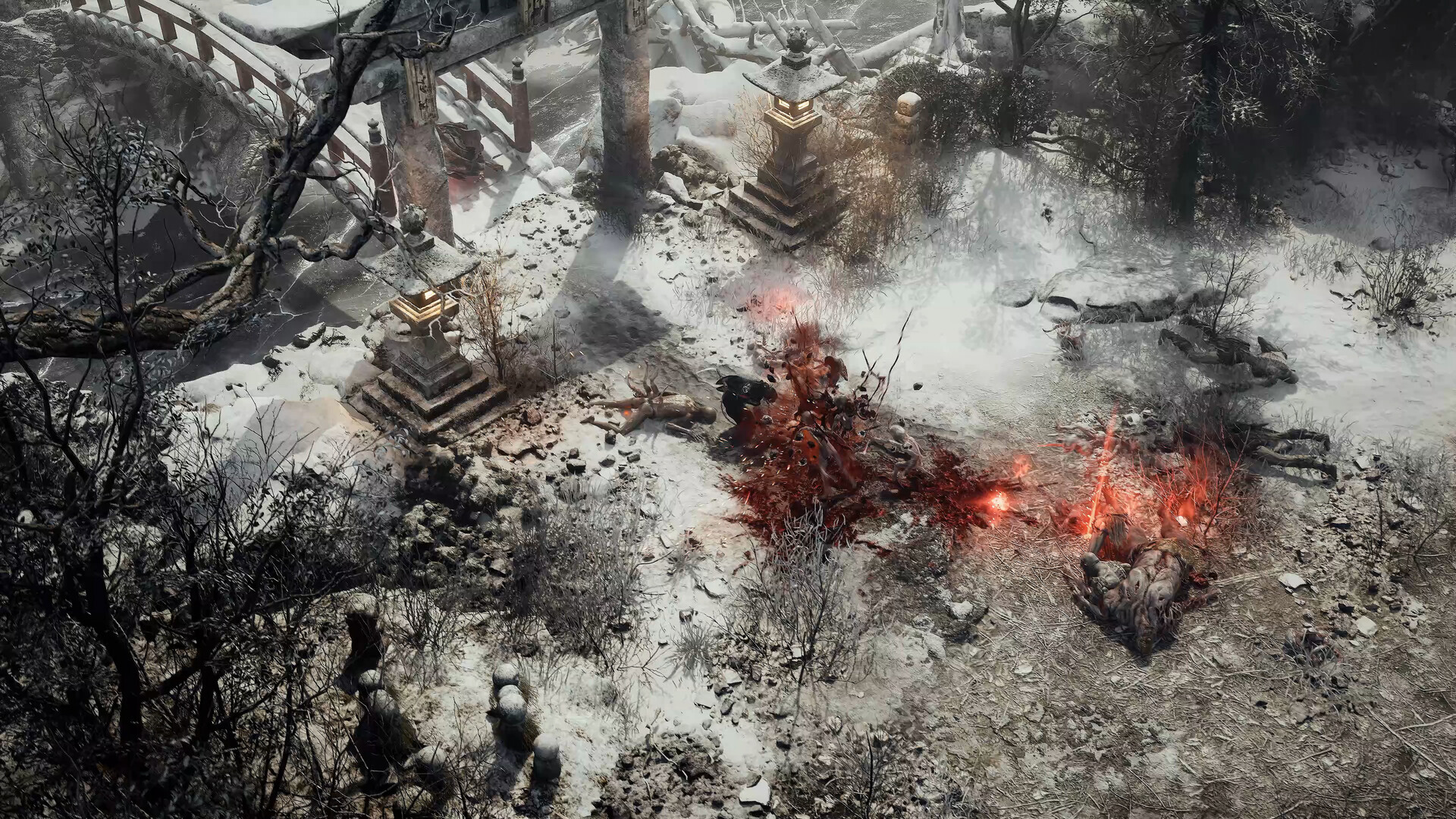
Nestled within a rapid-fire montage reel showcasing upcoming releases, the initial teaser footage for Tarae flashed across screens worldwide. Even within a matter of seconds, the distinct visual identity of the project cut through the noise of the broadcast. Gone were the familiar muddy browns and slate grays typical of contemporary isometric dungeon crawlers; in their place were vibrant, yet hauntingly atmospheric environments drenched in traditional East Asian iconography.
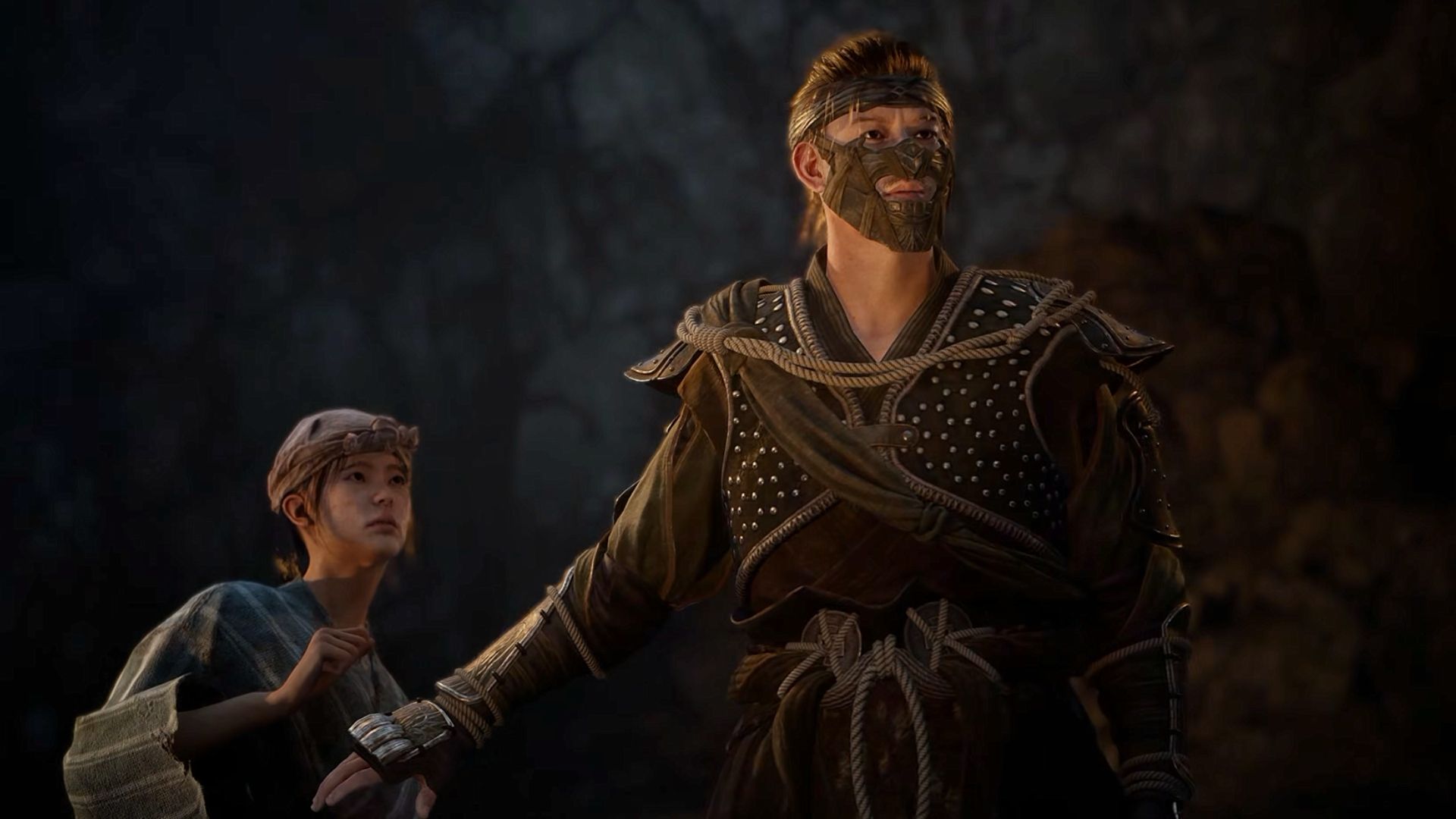
Immediately following the broadcast, developer Boundary and publisher Krafton threw open the digital storefront doors, launching the official Steam page for Tarae: The Unbound. This sudden drop provided eager fans with their first comprehensive look at the game’s core pillars, offering a mixture of high-resolution screenshots, short gameplay clips, and early conceptual descriptions detailing the world-building, class archetypes, and combat mechanics.
While the industry at large remains hyper-focused on established giants—such as the looming December 11 full release of Path of Exile 2—the stealth-drop announcement of Tarae effectively carved out its own distinct narrative arc, shifting the conversation toward fresh geographic and cultural inspirations for the genre.
Supporting Context & Metrics: Breaking the Mold of Traditional ARPG Design
To understand why Tarae: The Unbound has generated such immediate, palpable excitement, one must examine the current state of the ARPG market. For well over two decades, the formula popularized by Diablo has served as the undisputed blueprint for the genre. Titles downstream of this design philosophy frequently default to a standard checklist:
- Thematic Tropes: Dark cults, medieval castles, necromancers, and armies of the undead.
- Color Palettes: Desaturated grays, deep blacks, and blood reds intended to evoke a pervasive sense of gothic despair.
- Loot Grinds: Familiar iterative loops centered on finding weapons with incrementally higher damage numbers wrapped in standard fantasy classifications (swords, axes, staves).
While developers have experimented with mechanics—ranging from complex passive skill trees to dynamic endgame mapping systems—the aesthetic foundation has largely stagnated.
Tarae: The Unbound attacks this stagnation directly. Developed by Boundary and backed by Krafton’s publishing muscle, the game leverages Eastern myth, folklore, and traditional artistic sensibilities to completely redefine what an isometric ARPG can look and feel like. Early promotional materials showcase player characters executing brutal, fluid combos inside intricately detailed Buddhist temples, clashing against colossal centipede creatures and bosses bearing haunting, distended facial features pulled straight from historical East Asian monster lore.
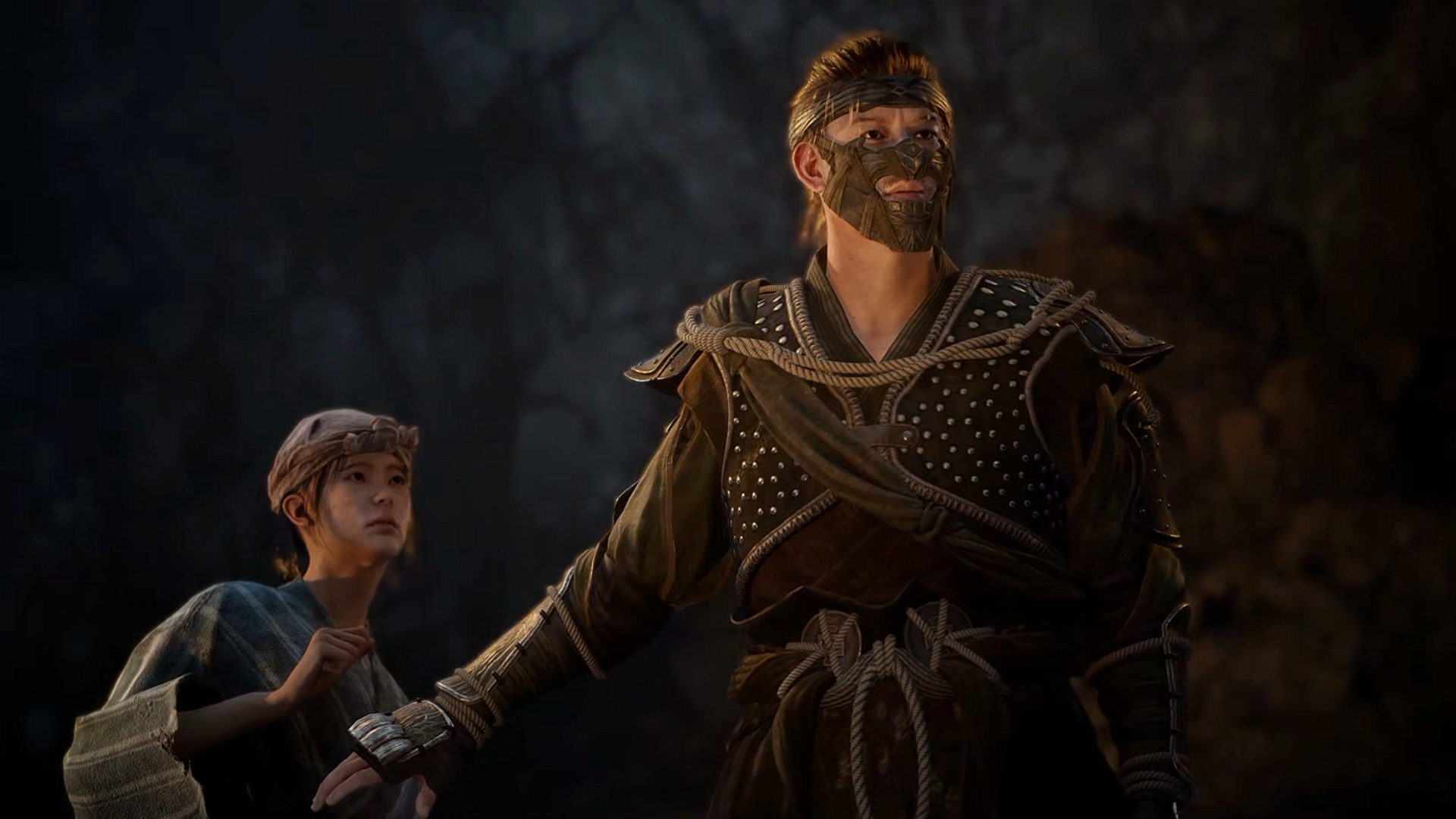
Furthermore, the game’s approach to class design leans heavily into creative anachronism and cultural flavor. One standout example highlighted in early media is an older character archetype wielding a historical matchlock firearm—though this particular matchlock seemingly defies real-world physics, allowing the grizzled veteran to chain together rapid-fire gouts of explosive firebombs. This blend of historical touchstones and fantastical exaggeration promises a distinct combat flavor that diverges sharply from the standard sword-and-board warrior or spell-slinging sorcerer.
Official Statements and Gameplay Systems: The Architecture of Tarae
While cinematic trailers can often present a hyper-stylized version of a game that fails to reflect actual play, the documentation provided by Boundary on the official Steam page outlines a remarkably robust mechanical foundation. The studio is placing a heavy emphasis on deep, personalized buildcrafting that directly ties into the game’s spiritual and philosophical motifs.
According to official developer briefings, Tarae‘s progression and combat systems are governed by metaphysical principles deeply embedded in the game’s lore:
"The balance and conflict of the Five Elements, the harmony of Yin and Yang, karma and the cycle of reincarnation all shape your leveling, equipment, and combat style. Even within a single class, different choices lead to entirely different builds."
This system suggests that character development will extend far beyond simply stacking raw DPS (Damage Per Second) or primary stat modifiers. By integrating elements of elemental opposition, karmic alignment, and cyclical reincarnation into the gear and leveling loops, Boundary is attempting to create a synergistic loop where the narrative lore directly dictates mechanical potency.
For instance, managing the elemental interplay of Wood, Fire, Earth, Metal, and Water could introduce complex tactical layers to isometric skirmishes, requiring players to dynamically adapt their rotations based on enemy resistances tied to the cosmic balance of Yin and Yang. This level of systemic depth ensures that replayability—the lifeblood of any successful ARPG—will remain high, encouraging experimentation across multiple playthroughs.
Future Outlook: The Road Ahead for ‘K-Diablo’
As the industry looks toward the horizon, the launch window for Tarae: The Unbound remains officially unconfirmed. Unlike major competitors—such as Grinding Gear Games’ Path of Exile 2, which is firmly locked in for its comprehensive December release—Boundary and Krafton are wisely taking their time to refine the intricate systems and breathtaking art direction that define the project.
This measured approach is vital. Merging complex systemic depth—such as the Five Elements and karmic progression loops—with high-speed, responsive isometric combat is an immense engineering challenge. If Boundary can successfully bridge the gap between profound cultural aesthetics and the compulsive, highly polished gameplay loop required of top-tier ARPGs, Tarae could easily transcend its initial label as a fascinating alternative and establish itself as a genre-defining powerhouse.
For fans who have grown weary of endlessly churning through Western-gothic dungeons and fighting the same legion of skeletons, Tarae: The Unbound offers a brilliant light at the end of the tunnel. It represents a bold step into unchartered territory—a metaphorical "K-Diablo" future that proves the isometric ARPG format still has plenty of innovative life left to give. While players must exercise patience as development continues, the title is unequivocally worthy of a top spot on every enthusiast’s Steam wishlist.





Belum ada komentar. Jadilah yang pertama berkomentar!