

Executive Overview
The A Plague Tale franchise has long occupied a distinct niche in the contemporary action-adventure landscape. Developed by Asobo Studio and published by Frogwares, the original titles—A Plague Tale: Innocence and its sequel, A Plague Tale: Requiem—captured imaginations through their grim, atmospheric depictions of historical fiction. Set during a dark-fantasy rendering of the Hundred Years’ War in France, these games merged puzzle-solving and stealth mechanics with cinematic storytelling. Players guided young protagonists through harrowing environments, utilizing light sources to ward off massive, flesh-eating swarms of rats while desperately avoiding hostile soldiers.
Yet, for all their atmospheric brilliance and emotional weight, the core gameplay loops of the mainline entries occasionally stumbled. Fussy stealth segments, rigid progression parameters, and frustrating checkpoint architectures sometimes threatened to undermine the narrative momentum.
Enter Resonance: A Plague Tale Legacy, a bold narrative prequel that steps away from the series’ traditional mechanics. Dropping the plague mechanics, alchemy sets, and signature slingshots, Resonance reinterprets the franchise through a fresh lens: a third-person, sword-focused action-adventure set against a Mediterranean backdrop.
Centering on the pirate-adjacent smuggler Sophia—a fan-favorite character introduced in Requiem—this prequel swaps stealth-driven tension for swashbuckling exploration and melee combat. Drawing immediate comparisons to modern cinematic adventure franchises, the game positions itself neatly within the legacy of narrative-driven blockbusters. On the critical spectrum of the Tomb Raider reboot era, Resonance lands precisely in the middle: a tighter, more polished experience than Shadow of the Tomb Raider, though it falls just short of the heights reached by Rise of the Tomb Raider.
Detailed Chronology & Gameplay Mechanics
The Transition to Close-Quarters Combat
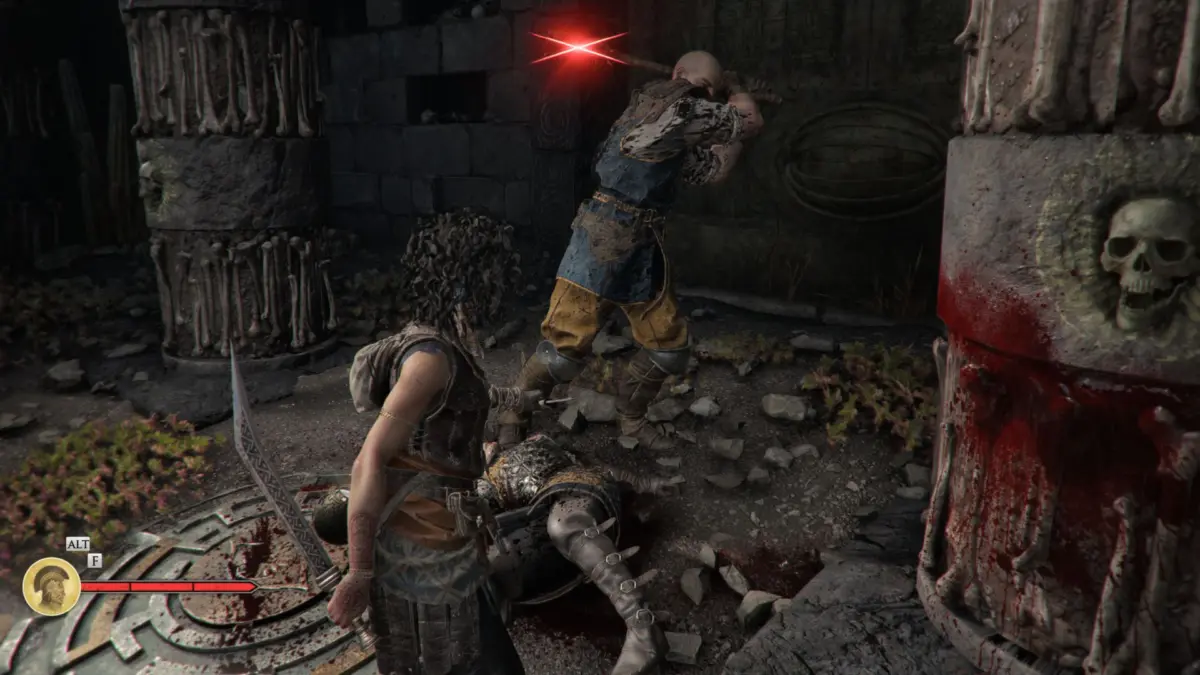
For players fatigued by the rigid stealth demands and punishing rat puzzles of its predecessors, Resonance offers a revitalized approach to player agency. While the back half of the campaign reintroduces stealth elements, the primary pillar of moment-to-moment gameplay is a robust, physics-driven sword combat system.
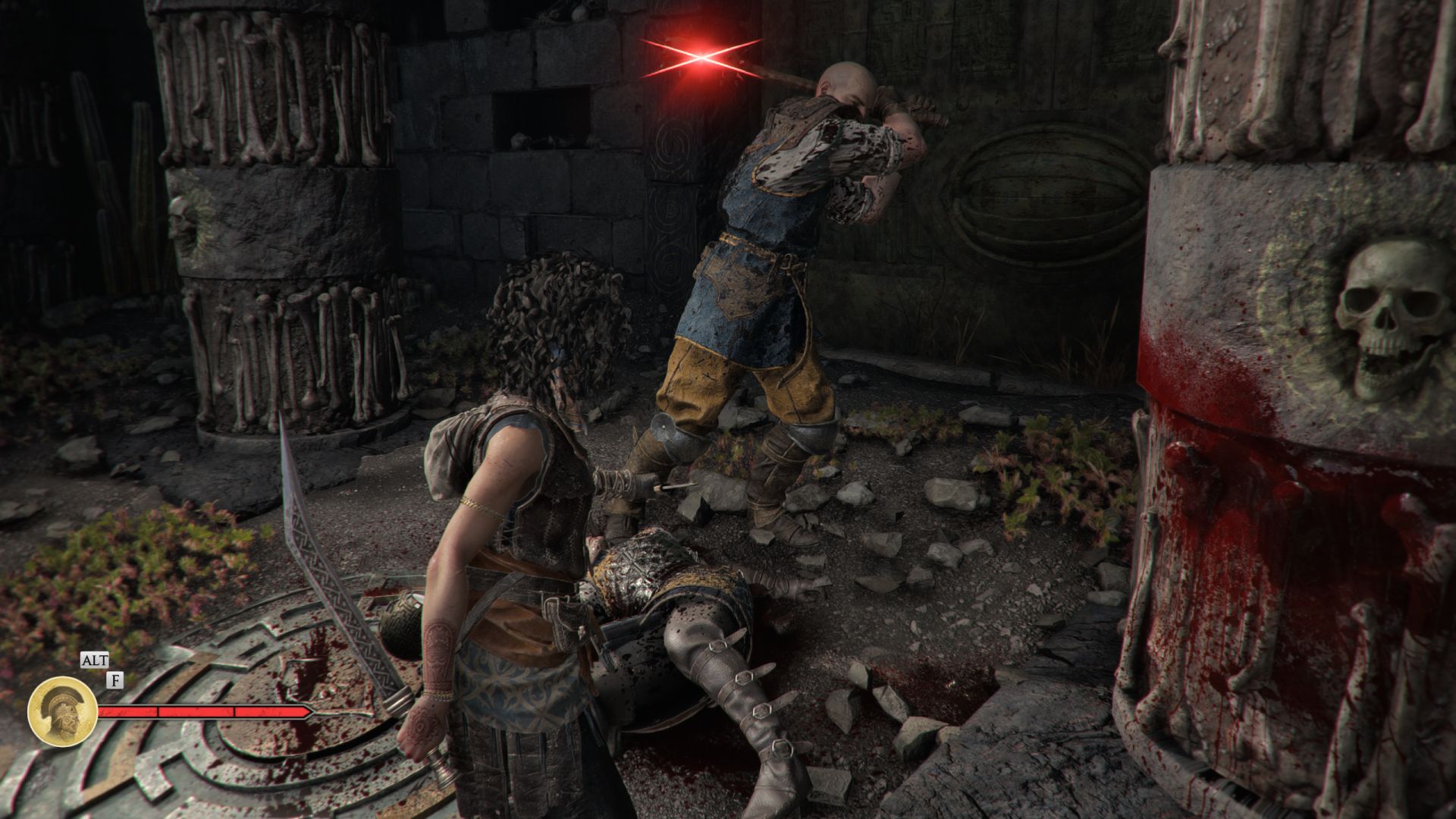
Stepping away from conventional, hyper-technical parry mechanics, Asobo has engineered an aggressive combat flow built around a dynamic stagger bar. Enemies accumulate stagger not merely through precision parries, but through environmental interaction. Players can snatch up nearby improvised weaponry—such as shattering glass bottles across a soldier’s helmet—to rapidly break enemy postures.
Furthermore, Sophia commands a visceral, weighty kick. This mechanic serves a dual purpose: it interrupts heavily guarded shield formations and staggers charging foes, or, when positioned near structural edges, violently dispatches enemies into fatal drops. This improvisational approach encourages players to experiment rather than rely strictly on defensive timing windows.
Progression, Puzzles, and Exploration
Progression is tied directly to "resonance points," earned by clearing enemy encounters or discovering hidden collectibles like seashells scattered throughout the environment. These points allow players to upgrade combat proficiencies, such as enhancing the striking power of Sophia’s kick.
Exploration yields tangible rewards. While the campaign remains fundamentally linear, venturing off the beaten path into optional side passages reveals secret chambers, alternative blades, and jewelry upgrades. These accessories actively modify combat metrics—such as increasing critical hit chances or widening parry windows—and visually accumulate on Sophia’s arms as the journey progresses.
The environmental puzzles within the Minoan ruins lean into traditional adventure tropes. Players manipulate architectural lenses to redirect beams of light across darkened chambers or activate floor symbols in precise sequences. While most puzzles are intuitive, a few obscure leaps in logic occasionally disrupt the pacing—with the infamously opaque Black Temple door puzzle standing out as a notable friction point.
Supporting Context & Metrics
Technical Specifications & Performance
Resonance: A Plague Tale Legacy arrives with high production values, testing hardware capability across modern Windows systems.
- What is it: A prequel to A Plague Tale, shifting the franchise focus to a third-person, melee-driven action-adventure.
- Expected Price Point: £44 / $50 USD.
- Developer: Asobo Studio.
- Publisher: Frogwares / Focus Entertainment.
- Reviewed Hardware Configuration: Windows 11, Intel Core i9, 32GB RAM, Nvidia RTX 4060.
- Multiplayer: None (Strictly single-player narrative experience).
- Platform Compatibility: Fully verified as Playable on Steam Deck.
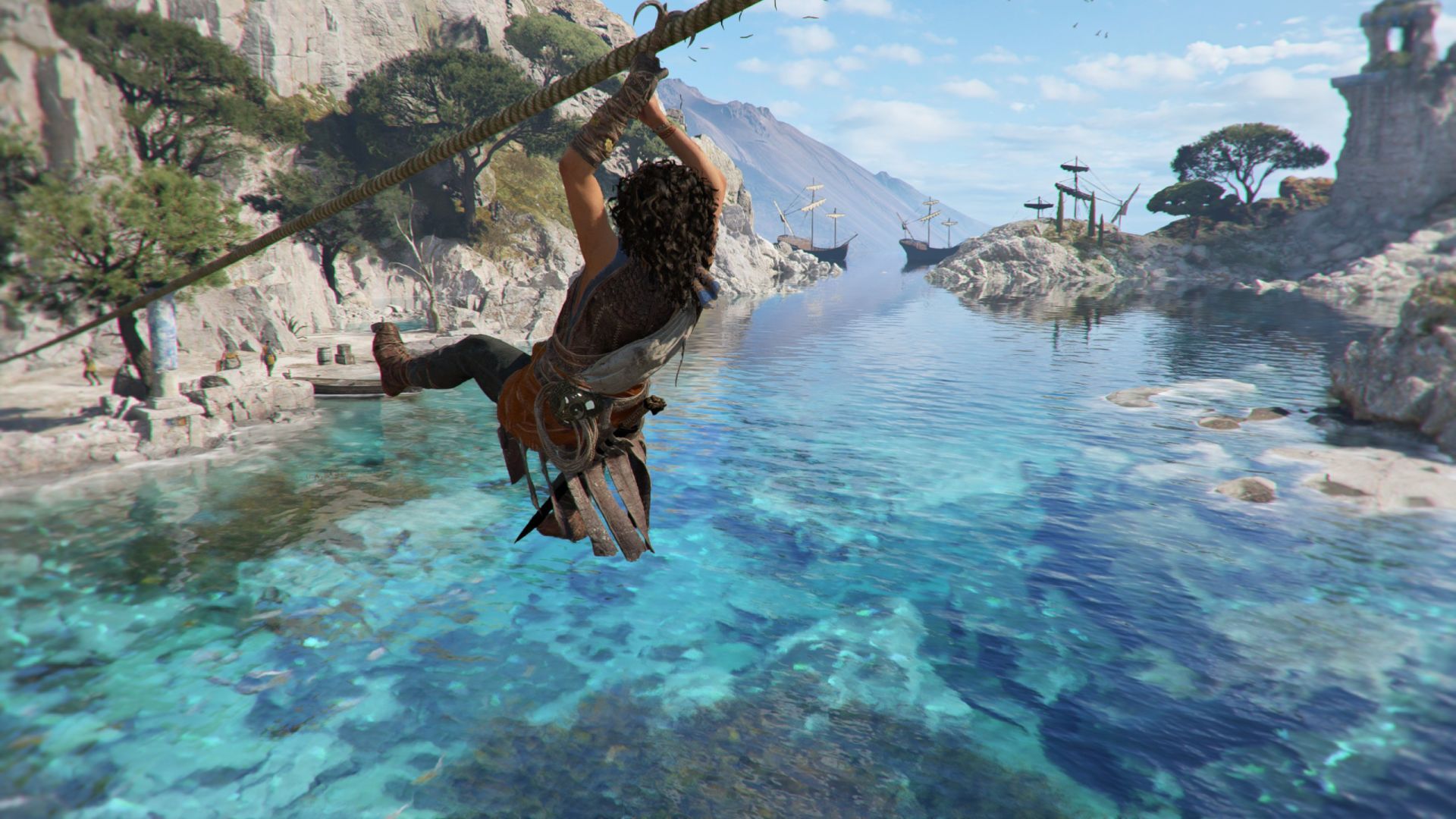
Visually, the title represents a significant technical achievement. Character models boast expressive facial animations and glistening eyes that sell emotional beats effectively. Art direction relies heavily on striking visual contrasts: sun-drenched, sapphire-blue Mediterranean coastal vistas juxtaposed against claustrophobic, bone-littered subterranean tunnels illuminated by bioluminescent spores.
Musically, composer Olivier Deriviere returns to the franchise, trading the eerie, dissonant strings of medieval France for sweeping Greek-Cypriot chorals that elevate the atmospheric shift of the Mediterranean setting. Checkpoint placement has also been vastly improved, virtually eliminating the punishing trial-and-error loops that plagued earlier entries.
Official Statements & Industry Context
The pivot from a stealth-survival framework to an action-heavy, narrative-driven treasure hunt has sparked industry discussions regarding franchise evolution. In statements surrounding the game’s release, development leads noted a desire to explore Sophia’s backstory without being tethered strictly to the plague-and-survival motifs that defined Amicia and Hugo’s narrative arcs.
However, the game’s structural predictability has drawn analytical critiques from reviewers. The narrative rhythm often falls into a formulaic loop: Sophia arrives at a new, exotic archaeological site equipped with a specialized artifact sphere and a book of clues, only to discover that rival mercenary forces have already breached the perimeter. This setup consistently forces linear encounters, as players must navigate through heavily scaffolded environments designed to collapse behind them, ensuring backward backtracking remains impossible.

While this design guarantees cinematic pacing and hides asset-loading transitions behind narrow squeezes and dramatic vistas—effectively channeling the structural DNA of mid-budget Uncharted titles—it occasionally stifles the sense of genuine, unscripted archaeological discovery.
Future Outlook
Resonance: A Plague Tale Legacy demonstrates that Asobo Studio is willing to experiment with established intellectual property rather than merely iterating on past formulas. By trading rat swarms for swordplay and pivoting toward a swashbuckling Mediterranean treasure hunt, the studio has successfully broadened the stylistic boundaries of the franchise.
Yet, even as it transitions toward a more accessible, popcorn-blockbuster action format, the game preserves the distinctive thematic DNA of the Plague Tale name. As the narrative progresses toward its conclusion, the experience steadily sheds its lighthearted adventure veneer, descending into darker, psychologically heavy territory reminiscent of mythic horror.
For longtime fans, this refusal to dilute the series’ trademark grim ambiguity ensures that Resonance remains a worthy piece of the puzzle. While questions surrounding the true nature of its universe linger long after the credits roll, Sophia’s origin story proves that the franchise has a viable, dynamic future far beyond the borders of medieval France.








Belum ada komentar. Jadilah yang pertama berkomentar!