The landscape of indie role-playing games is witnessing a fascinating evolution as developers pivot away from safe formulas to embrace deep mechanical complexity, low-fi aesthetics, and uncompromising tactical depth. Following the critical and commercial success of Dread Delusion—a first-person RPG that served as a brilliant homage to classics like King’s Field and The Elder Scrolls—developer Lovely Hellplace and publisher DreadXP have returned with an entirely different beast: Entropy.
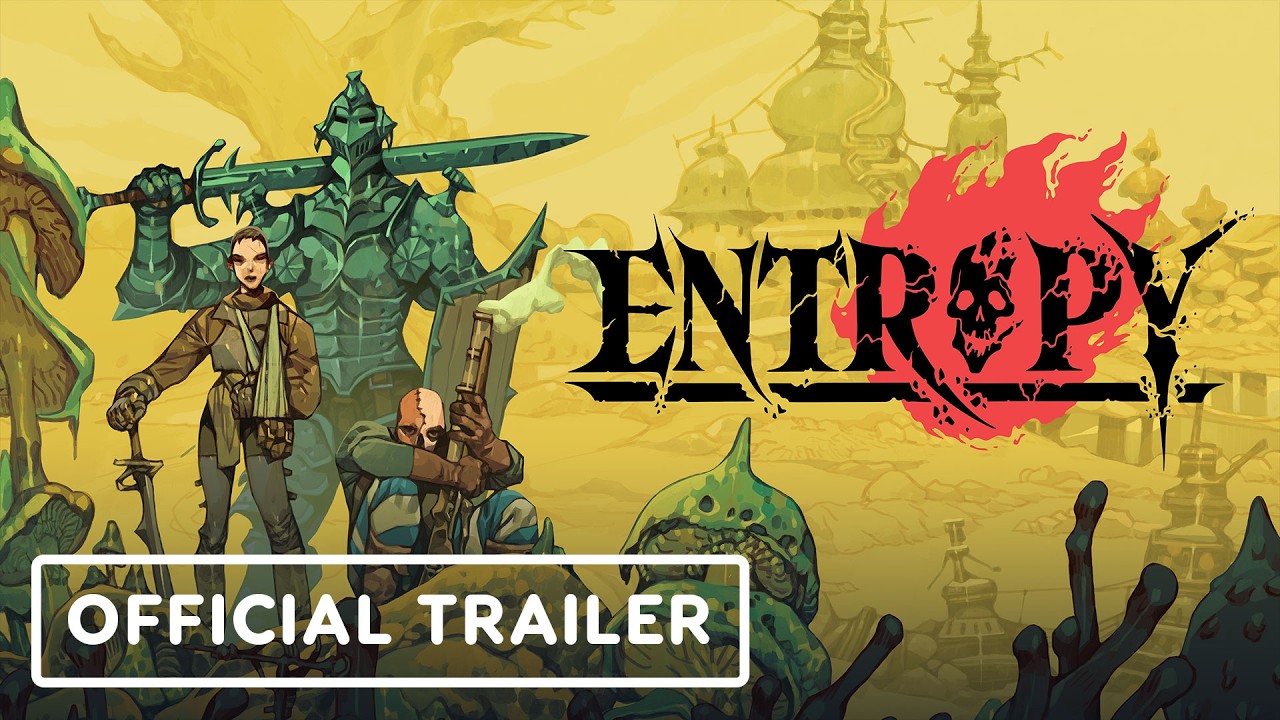
Currently available in early access on Steam alongside a substantial free demo, Entropy is a striking blend of JRPG sensibilities, classic PC computer role-playing game (CRPG) reactivity, and tabletop-inspired strategic combat. While superficial glances might categorize the game alongside traditional Japanese role-playing adventures reminiscent of Final Fantasy X or Lost Odyssey, a deeper inspection reveals a far grittier, systems-driven experience. Featuring large party sizes, permadeath, fine-grained locational damage, and a bleak, uncompromising post-apocalyptic narrative, Entropy draws heavily from the DNA of foundational western RPGs like the original Fallout.
In a recent interview, lead developer James Wragg pulled back the curtain on the design philosophy driving Entropy. By embracing tabletop wargaming roots—specifically drawing inspiration from Games Workshop’s 1999 cult classic Mordheim—the development team bypassed the suffocating constraints of modern high-fidelity graphics development. Instead, they channeled their creative energies into sprawling side quests, extensive tactical freedom, and an intricate sandbox of unique weapons and status effects. This comprehensive feature explores the origins, mechanical philosophy, and industry significance of Entropy, examining how a return to tabletop fundamentals is reshaping the modern indie RPG renaissance.
Detailed Chronology: From Dread Delusion to the Depths of Entropy
To understand the ambitious scope of Entropy, one must first examine the trajectory of its creator. James Wragg carved out a distinct niche in the indie gaming sphere with Dread Delusion, a game that captured the idiosyncratic charm and uncanny atmosphere of retro first-person dungeon crawlers. Built on a foundation of exploration, world-building, and old-school design principles, Dread Delusion proved that modern players retained a voracious appetite for unpolished, imaginative worlds that prioritized conceptual depth over photorealism.
However, rather than resting on their laurels and developing a direct sequel or spiritual successor in the same vein, the team at Lovely Hellplace elected to pivot entirely. The conception of Entropy began as an exercise in exploring new mechanical paradigms. Wragg and his collaborators wanted to tackle a different kind of role-playing experience—one rooted in tactical combat encounters, party management, and the unforgiving reality of a desolate wasteland.
The Evolution of the Concept
During the early hobby-level development phases of what would eventually become Dread Delusion, Wragg began intensely studying tabletop history and its profound influence on digital video games. He found himself interrogating the fundamental grammar of the genre: Why do RPGs do the things they do?
This philosophical inquiry led him straight back to the source. Wragg realized that nearly every core system embedded within modern AAA and indie RPGs—from stat calculations to turn-based mechanics—originates from Dungeons & Dragons and its various wargaming spin-offs. This foundational understanding laid the groundwork for Entropy.
When development on Entropy officially commenced, the project absorbed these tabletop learnings and applied them to a digital landscape. Moving away from the open-world, first-person traversal of Dread Delusion, the team constructed a turn-based tactical framework. They integrated a large party size to maximize tactical permutations, implemented a permanent death system to raise the emotional stakes of every encounter, and designed a bleak, striking post-apocalyptic setting that immediately evokes comparisons to the foundational eras of PC gaming.
The early access launch on Steam marks the culmination of this rigorous developmental pivot, offering players a chance to experience a game that is simultaneously a loving nod to turn-based traditions and a thoroughly modern indie achievement.
Entropy defies simple genre categorization. While its aesthetic and pacing may suggest a kinship with classic console JRPGs, its mechanical underpinnings place it firmly in the lineage of uncompromising PC strategy and role-playing games.
The Fallout Connection and Locational Damage
When describing the ethos of Entropy, James Wragg explicitly points to black-interplay-era PC classics.
"In many ways, if Dread Delusion was my take on The Elder Scrolls, then this is my take on Fallout," Wragg explains. "The original Fallout, Fallout 1, is one of my favorite games, and we’re riffing on that quite a lot with Entropy."
This lineage is most evident in the game’s combat mechanics, specifically its locational damage system. Much like the "called shots" of the original Fallout—a mechanic that eventually evolved into VATS in Bethesda’s 3D iterations—Entropy allows players to deliberately target specific limbs or weak points on enemy combatants.
This system introduces a constant risk-and-reward calculus:
Accuracy Penalties: Attempting to strike a precise zone requires accepting a lower chance-to-hit.
Tactical Benefits: Successful strikes yield magnified damage or inflict debilitating status effects.
Advanced Encounters: As Wragg notes, players can utilize these targeted attacks to disarm formidable foes wielding dangerous weaponry, or to meticulously shred the bulbous, Resident Evil-esque weak points of mutated monstrosities.
The Mordheim Influence and Tabletop Freedom
Another massive pillar of Entropy’s design philosophy is Mordheim, the cult-classic 1999 tabletop skirmish game from Games Workshop. Wragg’s affinity for tabletop gaming extends far beyond casual appreciation; he actively runs homebrew rules for tabletop campaigns, feeding directly into his digital design sensibilities.
"What I love about tabletop is, it’s just pen and paper," Wragg says. "You can house rule stuff as much as you want… It really encourages creativity because you make your little guys and you customize them based on how you load out your character."
This philosophy directly influenced how Lovely Hellplace handled Entropy‘s asset pipeline and mechanical breadth. In modern high-fidelity video game development, introducing a new weapon type or status effect requires immense resources: modeling, texturing, rigging, and animating. Because Entropy embraces a distinct low-fi visual presentation, the developers bypassed these bottlenecks.
Consequently, the team was able to inject an astonishing variety of unique weapons and status modifiers into the game without sacrificing developmental momentum. Had the studio pursued photorealistic graphics, Wragg admits they would have been forced to severely rein in their mechanical ambitions.
Narrative Expansion and Side Quest Proliferation
Beyond mechanics, Entropy is expanding rapidly in narrative scope. As highlighted in previous coverage surrounding the title, the game’s word count has ballooned far beyond initial projections. Wragg candidly admits that the team simply loves crafting side stories too much to keep the game lean. For Lovely Hellplace, side quests are not mere filler; they are the primary driving force behind their passion for video game development, ensuring that the desolate world of Entropy is packed with rich, memorable narrative vignettes for players to unearth.
Official Statements & Developer Insights
To fully grasp the vision behind Entropy, it is valuable to examine James Wragg’s overarching philosophy regarding game design, historical influences, and indie development realities.
On Returning to Tabletop Roots
Wragg’s immersion in tabletop history was not merely an academic exercise; it was a necessary step in understanding the grammar of interactive storytelling.
"It just comes from the core of wanting to understand how games tick," Wragg explains, reflecting on his deep dive into tabletop systems during the early days of Dread Delusion. "It just feels natural to go back to the roots of tabletop role playing games if you want to work on a role playing game, because they really haven’t deviated all that much from them, even at this point."
On Character Customization and Fidelity
Discussing the unique advantages of leaning into retro aesthetics for deep RPG systems, Wragg emphasizes how tabletop freedom translates to digital spaces:
"Something like Mordheim has so much character customization—almost beyond most video games—because it’s tabletop. The developers never actually had to code in the graphics of swinging all these different weapons, and I think that freedom I found really inspiring."
This inspiration directly insulated Entropy from the homogenization that plagues many modern RPGs, allowing Lovely Hellplace to prioritize mechanical depth, emergent tactical scenarios, and player expression over superficial graphical fidelity.
Future Outlook: What Lies Ahead for Entropy
As Entropy settles into its early access lifecycle on Steam, the road ahead is defined by community feedback, content expansion, and iterative refinement.
The Early Access Strategy
Launching in early access allows Lovely Hellplace to test complex tactical systems—such as party balancing, permadeath repercussions, and locational damage hit-rates—in front of a dedicated audience of CRPG and JRPG enthusiasts. The availability of a substantial free demo has also lowered the barrier to entry, enabling curious players to sample the unique atmosphere and tactical loop before committing to the early access build.
Balancing Scope and Narrative Ambition
With word counts continuing to swell due to the team’s passion for sprawling side quests, the primary challenge for Lovely Hellplace moving forward will be managing feature creep while maintaining steady updates. However, given their proven track record with Dread Delusion—a project that successfully navigated early access to become a beloved indie darling—fans have every reason to be optimistic.
Industry Implications
Entropy serves as an important case study for the modern indie games industry. It demonstrates that developers do not need gargantuan budgets or photorealistic graphics to deliver rich, systems-driven role-playing experiences. By looking backward to the foundational pillars of tabletop wargaming and classic PC CRPGs, Lovely Hellplace has carved out a distinct identity that challenges contemporary design trends.
As Entropy continues to evolve throughout its early access journey, it stands as a testament to the power of uncompromised creative vision, proving that the post-apocalypse can still hold plenty of tactical surprises for players willing to look beneath the surface.










Belum ada komentar. Jadilah yang pertama berkomentar!