

By the Gaming Industry Desk
Published: October 2024
Executive Overview
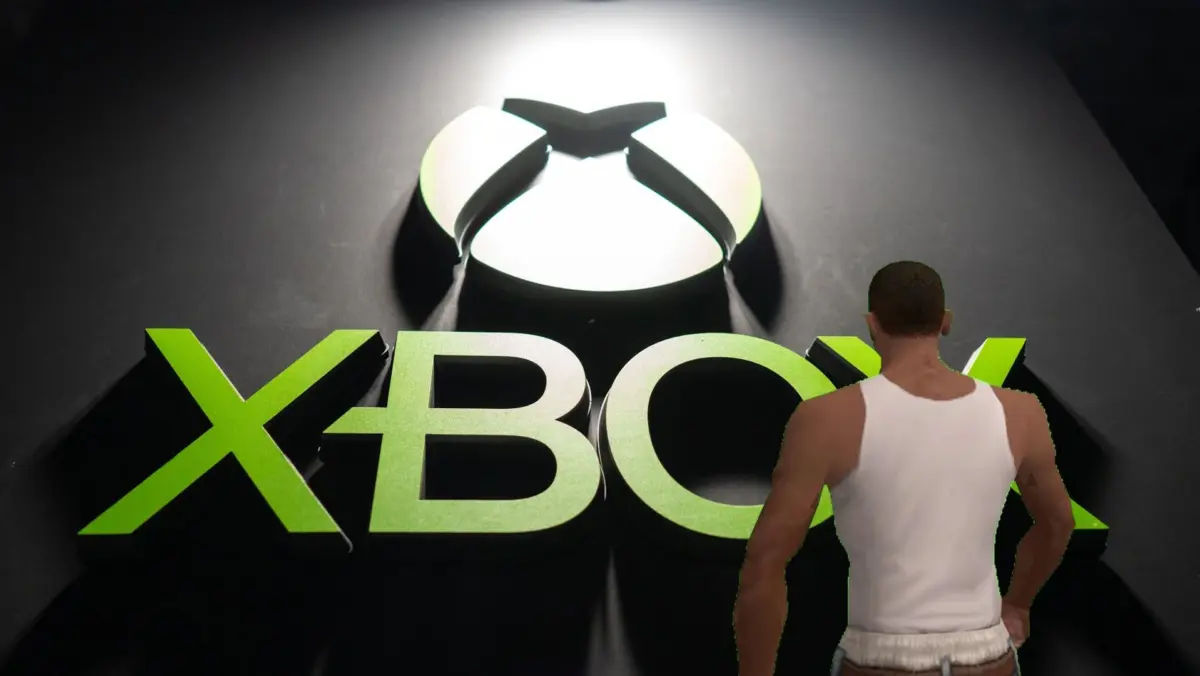
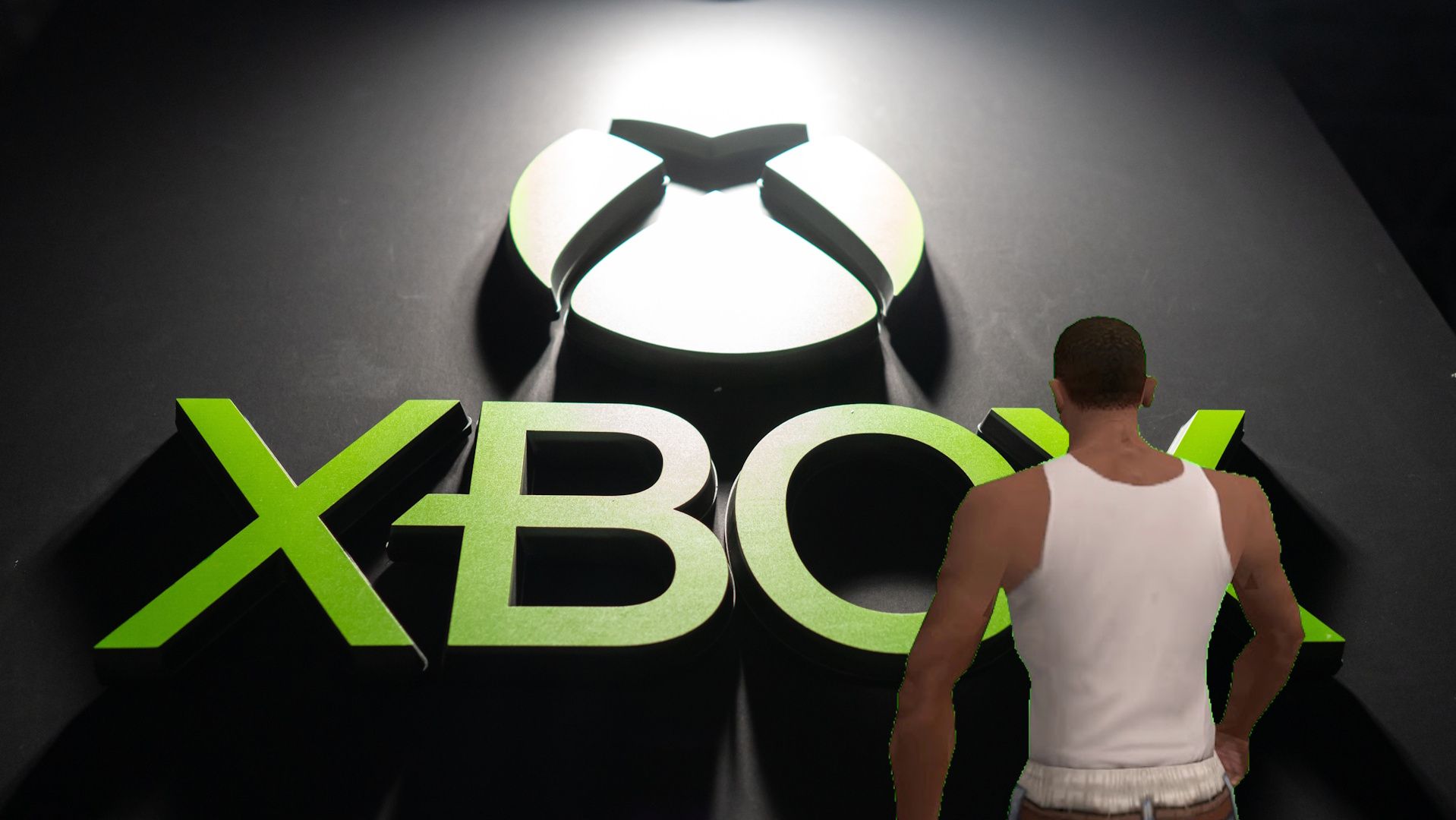
In a stunning development that has once again cast a spotlight on the volatile executive suite at Microsoft Gaming, Xbox Chief Operating Officer Helen Chiang has officially left the company. Her departure comes after a remarkably brief three-month tenure in the newly minted COO role—a position that was established specifically to steer the division through a controversial, sweeping brand and operational "reset."
Chiang’s exit marks the sudden departure of a 21-year Microsoft veteran, dealing a blow to institutional knowledge within the gaming giant at a time when stability is desperately needed. While internal memos from Xbox leadership have framed the transition as a routine redistribution of duties, external reports and anonymous leaks suggest a far more turbulent reality behind closed doors. Coupled with recent rounds of widespread layoffs, strategic pivots toward multi-platform publishing, and ongoing restructuring under CEO Asha Sharma, Chiang’s abrupt exit underscores the deep-seated uncertainty currently plaguing one of the industry’s most influential pillars.
Detailed Chronology: The Rise and Swift Fall of the Xbox COO Role
To understand the weight of Helen Chiang’s departure, one must look at the unprecedented structural changes enacted by Xbox leadership over the past year. Historically, the Xbox organizational hierarchy did not feature a Chief Operating Officer. Instead, traditional management was divided across product lines, studio heads, and marketing executives reporting upward to overarching Microsoft leadership.
However, as part of a aggressive corporate overhaul spearheaded by CEO Asha Sharma, the COO position was conjured into existence to centralize authority and enforce strict financial accountability. When the role was first unveiled, it was billed as the linchpin of Sharma’s grand redesign—a position granted end-to-end profit and loss (P&L) responsibility spanning content creation, hardware development, platform infrastructure, and subscription services like Xbox Game Pass.
Enter Helen Chiang. A respected Microsoft veteran with more than two decades of tenure under her belt, Chiang was widely viewed as a steady hand who understood the inner workings of the corporate machine. Her appointment to the COO post was announced with high expectations, as leadership believed her extensive background uniquely positioned her to bridge the gap between creative studios and bottom-line fiscal metrics.
Yet, the marriage of corporate restructuring and traditional Xbox culture proved fragile. On October 23, in an internal memo distributed to staff, Asha Sharma abruptly announced Chiang’s departure. The announcement offered zero explanation for the sudden exit, leaving employees, industry analysts, and stakeholders blindsided. Sharma noted in the memo that Chiang’s heavy portfolio of immediate responsibilities would be carved up and temporarily handed off to other members of the Xbox leadership team, with future announcements regarding permanent COO leadership promised only "as plans are finalized."
Supporting Context & Metrics: The Cost-Cutting Mandate and Restructuring
Chiang’s departure cannot be viewed in a vacuum; it is the latest tremor in a prolonged earthquake shaking the foundations of Microsoft’s gaming division. Over the past twenty-four months, the gaming industry at large has experienced a brutal correction following the hyper-inflationary boom years of the COVID-19 pandemic. For Xbox, this correction has been especially aggressive, marked by studio closures, cancelled projects, and sweeping workforce reductions.
Under Sharma’s leadership, Xbox has leaned heavily into a philosophy of "streamlining." This corporate euphemism has translated into a rigorous push for margin expansion, cost optimization, and a strategic shift away from hardware exclusivity. Microsoft’s broader corporate leadership has openly praised these aggressive streamlining initiatives, pointing to improved fiscal performance and tighter operational loops.
However, this relentless focus on the P&L statement has exacted a heavy toll on internal morale. The creation of the COO role was ostensibly designed to manage this very friction—balancing the high costs of AAA game development and hardware manufacturing with the revenue demands of Wall Street. With Chiang—the person tasked with wielding that exact operational oversight—suddenly gone after just 90 days, questions naturally arise about the viability and internal friction of Sharma’s restructuring roadmap. Was the portfolio too heavy? Did ideological clashes occur over the aggressive pivot toward cost-cutting? Or did the realities of managing a sprawling, multi-billion-dollar gaming ecosystem under a compressed timeline prove untenable?
Official Statements and Conflicting Narratives
As is standard corporate procedure when dealing with high-level executive exits, the official narrative provided by Microsoft is meticulously scrubbed of controversy. In a boilerplate statement issued to gaming outlets such as Eurogamer, a company representative stated:
"We don’t discuss individual personnel matters. We’re grateful for Helen’s years of service and wish her well."
This sanitized corporate response stands in stark contrast to the intelligence gathered by industry journalists. According to reports from The Verge and subsequent corroborations by Eurogamer, sources embedded within Microsoft have painted a far more complex picture. An anonymous insider directly contradicted the "voluntary departure" or "mutual parting of ways" implications of the official statement, leaking to reporters that Chiang was, in fact, terminated due to alleged "policy violations."
While the specifics of these purported policy violations remain shrouded in NDA-protected secrecy and have not been independently verified, the mere circulation of such rumors introduces a destabilizing element to Xbox’s executive floor. Whether administrative, compliance-related, or cultural, a termination for cause at the COO level just three months into a historic corporate reset is a glaring red flag for external investors and internal teams alike.
Future Outlook: What Next for Xbox?
The departure of Helen Chiang raises critical questions about the trajectory of Xbox as it navigates one of the most transformative periods in its history.
1. Leadership Vacuum and Execution Risk
With Chiang’s vast responsibilities currently being absorbed by an already stretched executive team, the risk of operational bottlenecks is high. The COO role was created precisely because the division’s sprawling empire—covering everything from Call of Duty servers to physical console manufacturing and Game Pass curation—was too large for fragmented oversight. Splitting these duties back out among existing leaders threatens to stall decision-making processes.
2. Diminished Internal Confidence
Employee morale at Xbox has already been bruised by successive waves of layoffs and studio shutdowns (such as the closure of Tango Gameworks and Arkane Austin). Seeing a 21-year company veteran and newly appointed COO exit under a cloud of opaque circumstances and rumored policy violations does little to inspire faith in executive stability.
3. The Long-Term Vision Under Asha Sharma
Ultimately, Chiang’s exit tests the resilience of Asha Sharma’s vision for Xbox. If the brand’s streamlining process is truly functioning as intended, leadership must quickly stabilize the upper echelons of management without missing a beat. However, if executive churn continues at this blistering pace, it may signal deeper, systemic friction between Microsoft’s corporate financial mandates and the unique cultural demands of running a creative video game enterprise.
As Xbox prepares for the critical holiday shopping season and looks toward its next generation of hardware and software announcements, all eyes will be on Sharma to see who is ultimately tapped to fill the COO seat—and whether the next executive can weather the storm where Chiang could not.








Belum ada komentar. Jadilah yang pertama berkomentar!