

Executive Overview
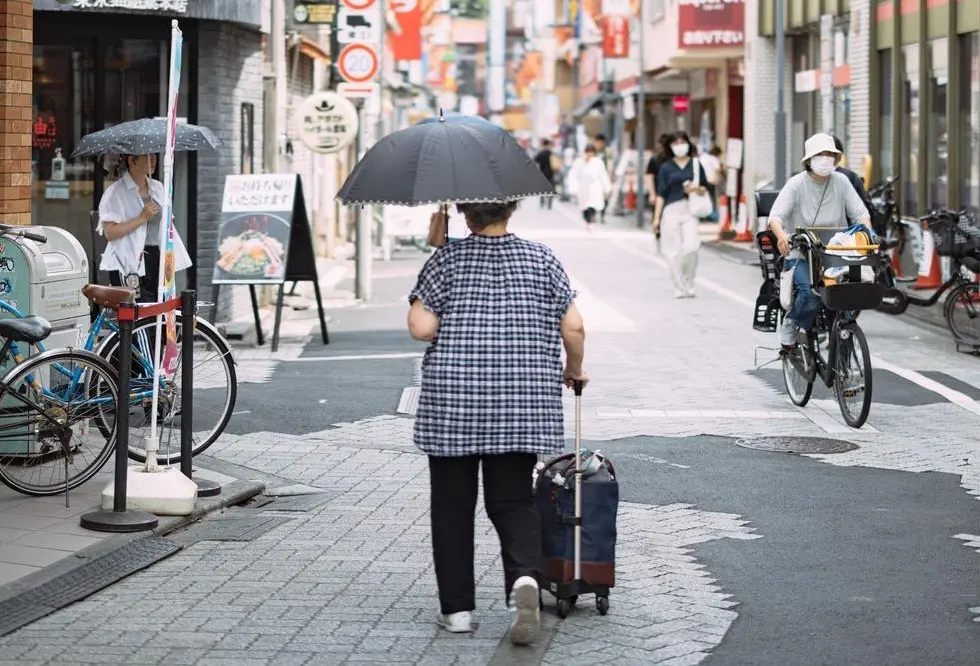
Amid a nationwide surge in sophisticated cyberattacks, data breaches, and financial fraud across Japan, senior citizens are frequently targeted by predatory criminal syndicates. However, a recent incident in the quiet town of Aisho, Shiga Prefecture, serves as a masterclass in vigilance and quick thinking. On October 21, a 93-year-old resident became the target of an elaborate "special fraud" (tokushu sagi) operation orchestrated by scammers posing as law enforcement officials.
Rather than succumbing to the high-pressure tactics typically used to exploit elderly populations, the nonagenarian recognized the red flags immediately. While the fraudsters believed they were successfully executing a classic ATM-card pickup scheme, the intended victim was quietly collaborating with the real authorities. The operation culminated on October 22 when a 47-year-old male suspect arrived at her residence to collect her bank card, only to be swarmed and arrested by a waiting tactical unit of genuine Shiga Prefectural Police officers.
This case not only highlights the resilience and cognitive acuity of older demographics against predatory criminal enterprises, but it also underscores the growing necessity for proactive community policing and public awareness campaigns to combat evolving financial crimes in Japan.
Detailed Chronology of the Incident
The sequence of events leading to the dramatic arrest unfolded over a tense 48-hour period in late October, showcasing a chillingly calculated approach by the perpetrators and a brilliant counter-strategy by the victim.
The Initial Contact: October 21
The scheme began with an unsolicited phone call to the 93-year-old woman’s residence in Aisho. The caller, speaking with an authoritative and urgent tone, claimed to be a police officer. He informed the woman that her personal banking information had been compromised amidst a wave of recent cyberattacks and that an unauthorized withdrawal had already been executed against her account.
Sensing the psychological vulnerability of his target, the scammer expertly balanced manufactured panic with immediate reassurance. He informed her that because the suspicious activity had been detected early, the situation could be swiftly remedied—provided she cooperated fully with the "investigation."
The instructions given to the victim were meticulously designed to remove her agency and secure her financial assets:
- Account Freeze: She was instructed to initiate a temporary freeze on her bank account to stem any further unauthorized transactions.
- Evidence Collection: The fraudulent officer claimed that the authorities needed to physically examine her ATM card to verify its security credentials and trace the cyberattack.
- In-Home Pickup: To minimize inconvenience for the elderly woman—a tactic meant to lower her guard and prevent her from visiting a bank or police box in person—the caller offered to dispatch an "investigator" directly to her home to collect the card.
Following initial discussions on October 21, the fraudsters maintained contact with the victim the following morning to finalize the logistics of the exchange.
The Trap Springs: October 22
While a naive or panicked individual might have unquestioningly surrendered their card, the 93-year-old woman possessed a sharp instinct and deep situational awareness. Recognizing that genuine law enforcement agencies do not conduct house calls to collect sensitive financial instruments like ATM cards, she immediately severed contact with the callers—in spirit, if not in practice—and dialed the real authorities.
She contacted the Higashiomi Precinct of the Shiga Prefectural Police, reporting the suspicious phone calls in detail. Recognizing an opportunity to apprehend the perpetrators red-handed, law enforcement devised a sting operation.
The woman played along with the scammers, pretending to fall entirely for their ruse and agreeing to a midday pickup time on October 22. When the 47-year-old male suspect arrived at her doorstep expecting an easy mark, he was instead greeted by a heavily prepared contingent of real police officers lying in wait. The suspect was taken into custody on the spot, completely neutralizing the operation before a single yen could be stolen.
Supporting Context & Metrics: The Threat of Special Fraud in Japan
To fully appreciate the significance of this 93-year-old woman’s triumph, one must examine the broader socio-economic and criminal landscape in Japan, where financial crimes targeting seniors have reached epidemic proportions.
The Rise of "Tokushu Sagi"
In Japan, crimes targeting the elderly—often grouped under the umbrella term tokushu sagi (special fraud)—are a persistent and evolving challenge for law enforcement agencies. These schemes frequently take various forms, including:
- The "It’s Me, It’s Me" Scam (Ore-ore sagi): Where perpetrators impersonate a distressed family member, usually a son or grandson, demanding immediate financial bailouts.
- Refund Scams: Posing as tax officials, utility workers, or health insurance representatives claiming the victim is owed a refund that requires ATM manipulation.
- Authority Impersonation: As seen in the Aisho incident, criminals pose as police officers, prosecutors, or bankers to exploit citizens’ inherent respect for authority and institutional trust.
A Spike in Cyber Vulnerabilities
In recent weeks leading up to the incident, Japan experienced a measurable spike in high-profile data leaks, corporate cyberattacks, and database breaches. Criminal syndicates have weaponized these news cycles, using real-world public anxieties about compromised data to lend false credibility to their phone scams. By telling citizens that their specific accounts have been flagged in recent systemic breaches, fraudsters create an immediate, high-stress environment that short-circuits critical thinking.
The Demographics of Vulnerability and Resilience
Japan boasts one of the oldest populations in the world, with a rapidly growing demographic of citizens aged 65 and older. While seniors are frequently framed by cyber-criminals as technologically illiterate and easily manipulated, cases like the one in Aisho shatter those lazy stereotypes. Across the country, community groups, local police precincts, and media outlets have heavily promoted anti-fraud awareness initiatives, turning senior citizens into an active, formidable line of defense against organized crime.
Official Statements and Legal Implications
Following the successful sting operation, the Shiga Prefectural Police released details regarding the arrest, emphasizing both the severity of the crime and the commendability of the victim’s actions.
Legal Status of the Suspect
The 47-year-old male suspect, whose identity has been withheld pending ongoing investigations, was booked immediately following the October 22 confrontation. Because the judicial process is still in its early stages and no formal trial or plea has been finalized, the official charge leveled against him is suspicion of attempted fraud.
Legal experts note that the suspect’s defense faces insurmountable hurdles. Standing on the doorstep of an elderly stranger, demanding her ATM card under the guise of a fictitious police investigation, leaves virtually no room for plausible deniability. From a prosecutorial standpoint, the physical evidence and the circumstances of the arrest present an airtight case of attempted larceny and fraud.
Broader Criminal Investigations
While the man who appeared at the door is currently behind bars, investigators at the Higashiomi Precinct are operating under the firm assumption that he was merely a low-level operative—commonly referred to in criminal networks as a "collector" or uke-ko—within a much larger, highly organized syndicate.
Police are actively working to trace the communications that led to the victim’s home, investigating whether the man who made the initial phone calls is part of an overseas call center or a domestic cell. Authorities have expressed hope that interrogating the arrested suspect will yield critical digital evidence leading to the dismantling of the wider network.
Future Outlook: Protecting Vulnerable Populations
The Aisho incident provides a powerful blueprint for how communities and law enforcement can successfully counter predatory financial crimes. However, security analysts emphasize that vigilance cannot rest solely on the shoulders of alert citizens.
The Need for Multi-Layered Defense Strategies
- Financial Institution Protocols: Japanese banks are continually upgrading their monitoring systems to detect unusual withdrawal patterns, sudden account freezing requests, and suspicious ATM usage among elderly patrons. Bank tellers remain a vital human firewall against ongoing scams.
- Technological Interventions: Telecommunication companies are under increasing pressure to deploy advanced call-filtering technologies, warning systems, and robocall-blocking mechanisms designed to intercept fraudulent numbers before they reach residential landlines—which remain heavily utilized by elderly demographics.
- Community Education: Law enforcement agencies stress that public outreach must be continuous. Programs that educate seniors on how to verify the identity of callers—such as hanging up and dialing official police station numbers directly—save millions of yen annually.
A Warning to Cyber-Criminals
Ultimately, the failed operation in Shiga Prefecture sends a chilling message to criminal syndicates operating across Japan: the nation’s senior citizens are not easy targets. Behind quiet suburban doors lie sharp minds, immense resilience, and a direct line to law enforcement agencies fully prepared to turn the tables on fraudsters.
As investigations continue into the broader network behind the Aisho incident, one thing remains certain: this 93-year-old woman has secured her status as a local legend, proving that wisdom and bravery only sharpen with age.





Belum ada komentar. Jadilah yang pertama berkomentar!