

Executive Overview
Tokyo’s cafe culture is a dynamic, fast-evolving ecosystem, continually shifting to accommodate international trends while honoring its own deep-seated traditions. Alongside the ubiquitous specialty roasters, themed novelty locations, and time-honored kissaten coffeehouses, the capital has long felt the heavy footprint of massive foreign beverage chains. From Western giants like Starbucks to the expanding empires of South Korea’s budget-friendly Fave Coffee and China’s ubiquitous Mixue—the world’s largest food and beverage chain—foreign entrants continually vie for the caffeine and sugar cravings of Japanese consumers.
Yet, amid this saturated landscape, a novel contender has quietly entered the ring. B-Fresh, a specialized juice and beverage brand proudly billing itself as originating from the Middle East, made its official Japanese market debut on October 1. Landing squarely in the hyper-competitive youth fashion district of Tokyo’s Harajuku neighborhood, the brand introduced its fresh-fruit smoothies, acai bowls, and decadent dessert drinks to a district famously known for its fickle tastes and relentless foot traffic.

To investigate how this fresh international import was faring against Harajuku’s entrenched snack culture—such as the perpetually packed Marion Crepes—veteran SoraNews24 reporter Mr. Sato journeyed to Takeshita Street roughly three weeks after the store’s grand opening. Expecting to encounter snaking queues and swarms of trendy teenagers, Mr. Sato instead discovered a surprisingly serene storefront tucked away behind ongoing building renovations. Utilizing cashless ordering terminals and sampling the decadent B-Pink Brûlée, this introductory excursion sheds light on B-Fresh’s operational reality, menu architecture, and the unique hurdles facing foreign startups attempting to capture the notoriously transient Harajuku demographic before the wider public catches on.
Detailed Chronology: The Journey to Takeshita Street
Entering the Fray: The Harajuku Landscape
Approximately three weeks after B-Fresh unlocked its doors for the very first time on October 1, Mr. Sato descended upon Harajuku to evaluate the brand’s early traction. Even on an ordinary weekday, the atmosphere along Takeshita Street was as vibrant and relentless as ever. Tourists, students, and Harajuku fashion enthusiasts crowded the narrow thoroughfare, gravitating toward regional staples that have commanded foot traffic for decades. A prime example is Marion Crepes, a perennial favorite that demonstrates absolute immunity to temporal dips, maintaining its endless queues regardless of the hour or day of the week.
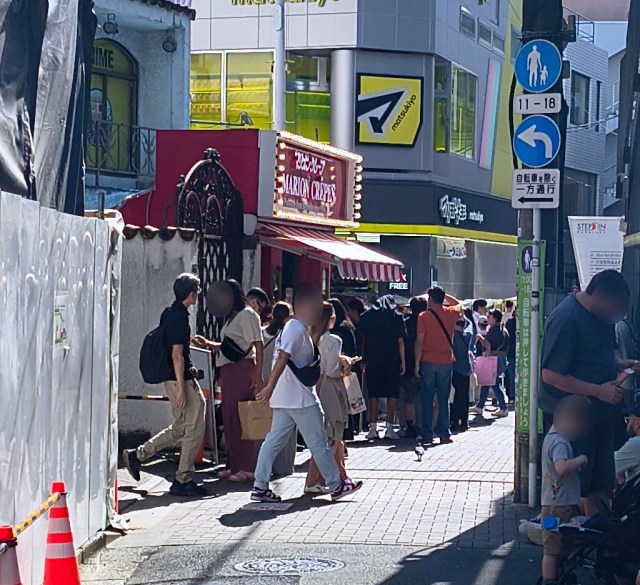
Given this context of ceaseless culinary consumption, any new storefront opening in the immediate vicinity is generally expected to generate immediate, highly visible ripples. Anticipating a barrier of enthusiastic youth or at least a modest queue indicating localized hype, Mr. Sato scanned the side streets carefully. To his absolute surprise, no line whatsoever materialized outside B-Fresh.
Scaffolding, Signage, and Silence
The absence of a queue presented an undeniable convenience for an on-the-field reporter looking for prompt service, but it cast an unmistakable aura of desolation over the brand-new establishment. Having debuted mere weeks prior, the shop lacked the crucial momentum of word-of-mouth buzz that typically propels Harajuku novelties into viral stardom.
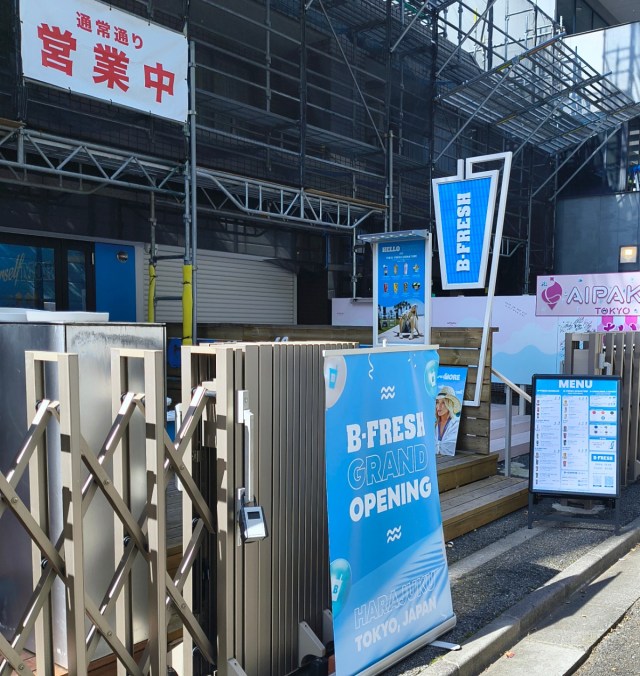
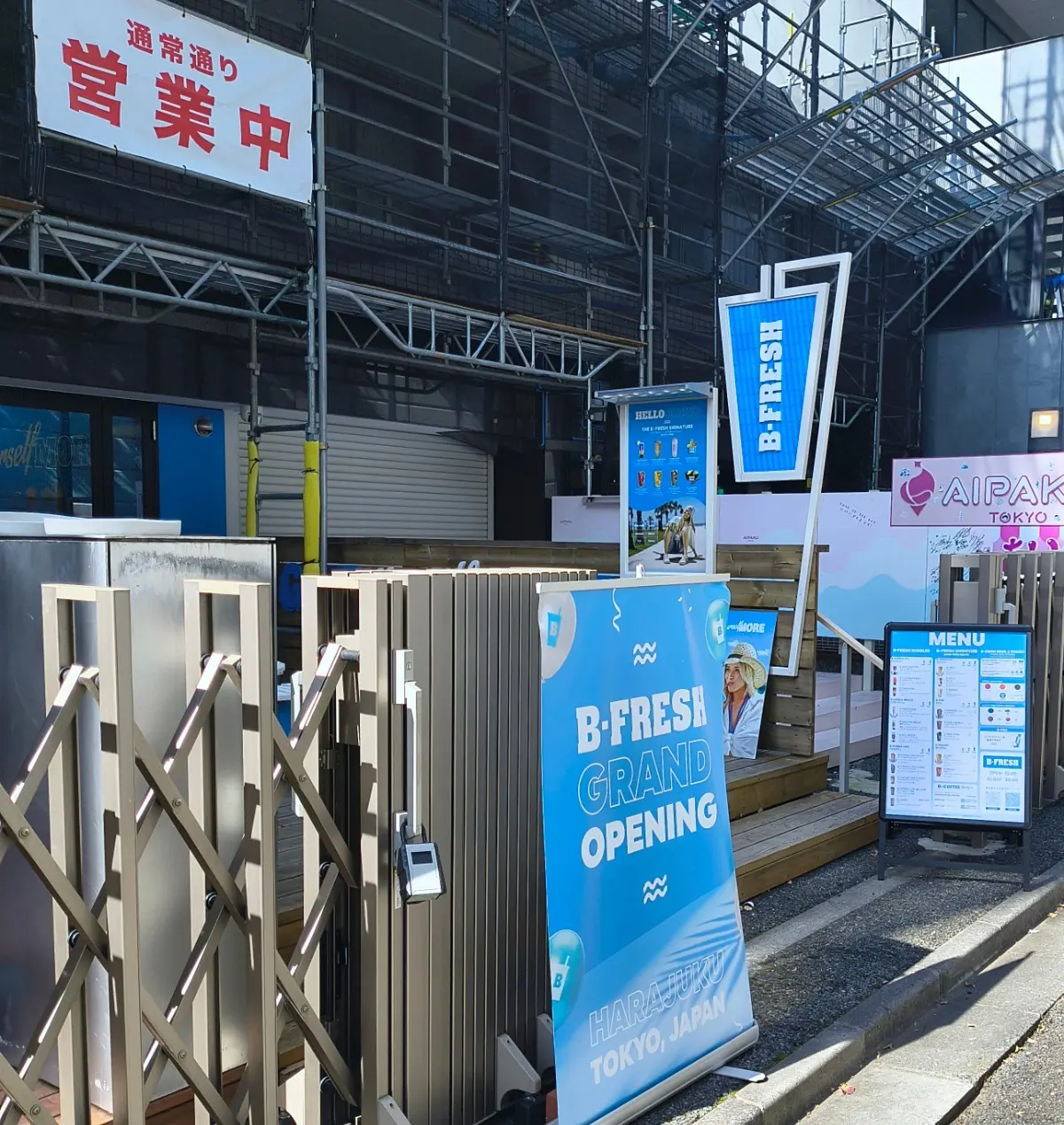
Compounding this quiet atmosphere was the state of the host building itself. The structure housing B-Fresh was undergoing extensive exterior wall construction. Scaffolding and safety netting wrapped around the facade, visually masking the storefront and creating an impression that the business might be closed, dormant, or under total renovation. Fortunately for curious pedestrians, a modest, highly visible sign explicitly notified passersby that the store was open as usual (tsujodori eigyochu). Without this vital disclaimer, an uninformed visitor meandering past the construction barriers would likely have walked right past, assuming the juice bar had not yet launched.
Supporting Context & Metrics: Decoding the Menu and Operations
A Tapestry of Global Flavors and Textures
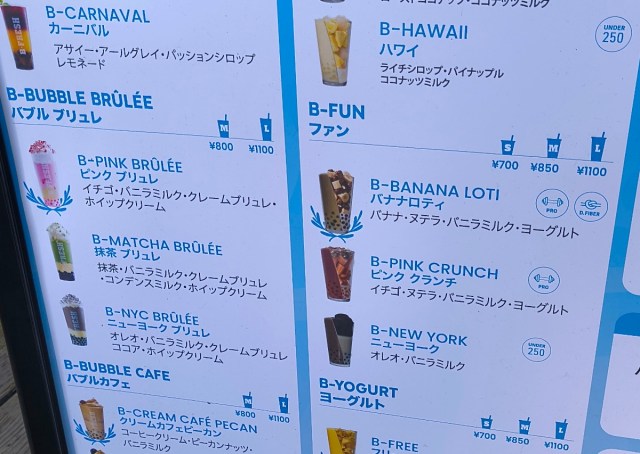
Stepping inside the minimalist interior, Mr. Sato found himself face-to-face with a sprawling, vibrant menu that heavily diverges from traditional Japanese tearooms or standard Western espresso bars. B-Fresh positions itself fundamentally as a fresh-fruit juice bar, yet its product catalog extends far beyond simple blended produce. The menu encompasses three primary pillars:
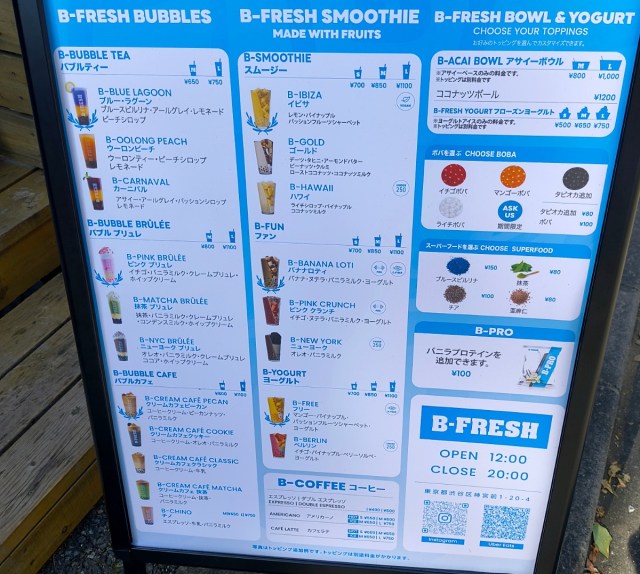
- Bubble Drinks: Anchored by classic bubble teas featuring customizable elements, including visually striking fruit juice-filled popping pearls.
- Smoothies: Creative, high-calorie blends incorporating ingredients like Nutella and Oreos alongside fresh fruits, with functional superfood add-ins—such as chia seeds and flaxseeds—available for health-conscious consumers.
- Acai Bowls and Frozen Yoghurt: Trendy, nutrient-dense breakfast and dessert bowls tailored to the contemporary wellness demographic.
The Cashless-Only Experience
Reflecting modern global retail trends, B-Fresh operates entirely on a cashless payment model. Customers navigate the diverse, unfamiliar array of products via a self-service ticket vending machine situated just inside the entrance. For first-time visitors like Mr. Sato, the sheer breadth of options—ranging from clean superfood smoothies to hyper-indulgent dessert concoctions—presents a mild paradox of choice, forcing patrons to rely heavily on visual appeal when selecting their orders.
Tasting the B-Pink Brûlée
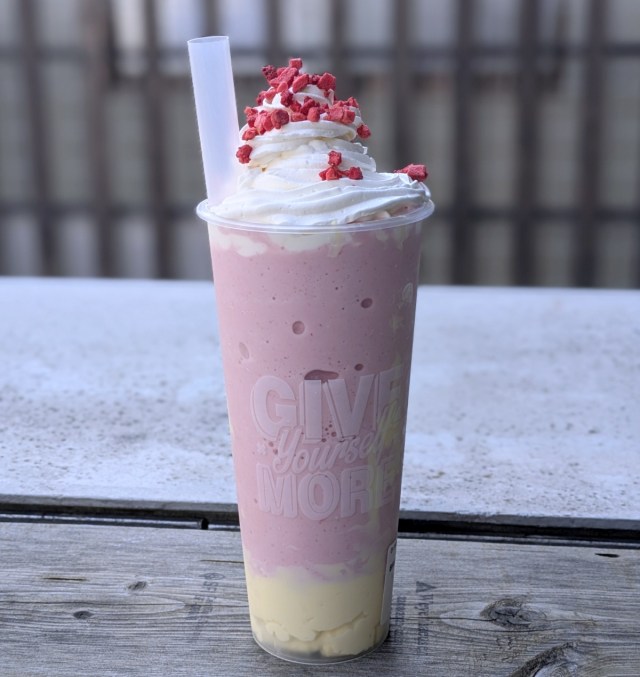
Opting for a visual favorite, Mr. Sato selected the B-Pink Brûlée in a large size, priced at 1,100 yen (approximately $7 USD).
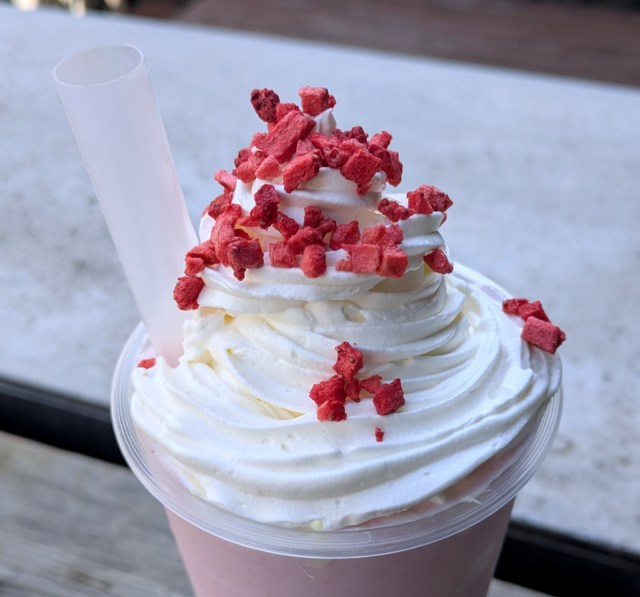
Upon delivery, the drink justified its price tag through its striking presentation. Crowned with a generous mantle of whipped cream and a crunchy blanket of strawberry bits, the beverage instantly caught the eye. The core liquid component consisted of a harmonious blend of fresh strawberries, rich vanilla milk, and a distinct custard-like element designated as "creme brûlée"—which Mr. Sato deduced was represented by a velvety, rich custard cream incorporated into the base.
While promotional menu photographs illustrated the inclusion of specialized strawberry pearls, these required an additional 100-yen topping fee, which Mr. Sato ultimately bypassed. Even without the extra pearls, the beverage delivered a robust, satisfying sweetness. Coinciding with unseasonably high autumn temperatures and arriving on the heels of a strenuous morning pole-dancing practice, the cool, fruity sweetness provided an exceptionally refreshing pick-me-up.
Official Statements & Store Logistics
For those wishing to visit the location before the wider crowds uncover its existence, B-Fresh maintains specific operational guidelines and logistical parameters.
Official Store Information
- Store Name: B-Fresh
- Address: Tenpo Kukaku Chuo, 1-chome 20-4 Jingumae, Shibuya-ku, Tokyo-to
(Japanese: 東京都渋谷区神宮前1丁目20-4 店舗区画中央) - Operating Hours: 12:00 PM – 8:00 PM
- Payment Method: Cashless only
- Official Digital Channels: Official Website | PR Times Release
Future Outlook: Can a Middle Eastern Brand Win Over Tokyo Youth?
The launch of B-Fresh in Harajuku marks an intriguing cross-cultural experiment. While Tokyo’s street food market is fiercely hospitable to international trends—evidenced by the massive footprints carved out by East Asian and Western chains alike—introducing a beverage brand rooted in Middle Eastern flavor profiles requires strategic navigation of consumer habits.
Harajuku remains a district defined by extreme visual culture, viral social media trends, and rapid turnover. B-Fresh’s current anonymity, exacerbated by exterior building construction, presents both a challenge and a unique window of opportunity. For savvy consumers and food journalists like Mr. Sato, the absence of long queues offers a rare chance to sample high-end artisanal smoothies, acai bowls, and decadent dessert drinks without enduring hours of waiting.
Whether B-Fresh can transition from a hidden construction-masked curiosity into a permanent staple of Takeshita Street depends heavily on targeted digital marketing, word-of-mouth propagation, and the lifting of its exterior scaffolding. Until the masses inevitably discover its doors, the brand remains a sweet, refreshing, and remarkably accessible oasis in the heart of Tokyo’s most bustling youth quarter.









Belum ada komentar. Jadilah yang pertama berkomentar!