

Every October, the video game landscape floods with predictable jumpscares, cheap haunted houses, and recycled tropes tailored for the Halloween season. Yet, every once in a while, an indie title emerges from the frost, utterly defying categorization and leaving an indelible impression. Enter Penguin Colony, developed by Origame Digital and published by Fellow Traveller. Set for release on October 16, 2026, at an accessible price point of $15 / £13, this indie marvel presents a radical, deeply unexpected recontextualization of H.P. Lovecraft’s classic cosmic horror novella, At the Mountains of Madness.
The twist? You experience the horrors from the perspective of an Antarctic penguin.
Penguin Colony blends clunky, deliberate platforming, profound atmospheric dread, and a blistering critique of its source material’s historical baggage. Featuring stellar voice acting by Lenval Brown—known for his iconic narration in Disco Elysium—and a narrative structure that splits its focus between a neurotic American academic, a Nazi archaeological expedition, and a resilient party of Māori warriors, the game is a masterclass in layered storytelling. While its movement mechanics can occasionally frustrate, the resulting experience is too weird, wonderful, and surprising to miss.

Detailed Chronology and Gameplay Mechanics: A Foddian Waddle Through Madness
At its core, Penguin Colony casts the player not as a singular, heroic bird, but as a wandering consciousness capable of possessing any penguin encountered throughout the Antarctic wastes. Each species offers nuanced advantages: baby penguins can squeeze through narrow, claustrophobic gaps in the ice, while the Rockhopper penguin acts as the definitive "main" for many players due to its impressive vertical hop, which proves vital in navigating treacherous verticality. Your core arsenal is delightfully absurd yet mechanically functional: you can honk, slide, swim, and hop.
The game’s platforming defies modern conventions of fluid motion. Waddling around is inherently sluggish, clumsy, and difficult to master—a design choice that feels deliberately antagonistic as levels shift from pristine ice sheets to ancient, alien architecture. This evokes a distinctly "Foddian" quality, drawing spiritual comparisons to titles like Getting Over It with Bennett Foddy or Baby Steps. The controls force you to lean heavily into the tension, amplifying the suffocating, claustrophobic atmosphere of deep-ice caves.
However, the game is not without technical friction. Inconsistent mantling features can lead to confusing traversal blocks, sometimes treating minor ledges as impassable barriers. Furthermore, the minimalist user interface is disrupted by a massive, neon-colored stamina meter reminiscent of Shadow of the Colossus, which triggers unpredictably and adds unnecessary visual clutter during high-stakes moments.

Yet, these rough edges ultimately serve the game’s broader thematic goals. The awkward penguin parkour reinforces a profound sense of insignificance. Humanity often views itself as the apex observer, but to the animal kingdom, we might as well be unknowable elder gods. Penguin Colony brilliantly weaponizes this dynamic, creating a dual-layer cosmic horror experience where you are merely a small, helpless spectator skirting the edges of a grand, terrifying drama.
Supporting Context, Themes, and Narrative Architecture
The Voice of Doom: Lenval Brown as Howard Blakely
Replacing the original novella’s William Dyer is a new protagonist voiced by Lenval Brown: Howard Blakely. Brown’s neurotic, hyper-articulate delivery mirrors his iconic work in Disco Elysium, imbuing the narrative with a heavy, familiar gravity even as the plot spirals into surreal madness. Blakely serves as a quintessential Lovecraftian archetype—a cowardly, self-indulgent academic whose worldview makes him far too comfortable collaborating with a Third Reich expedition searching for esoteric artifacts.
The Māori Interludes: Counter-Narratives of Resistance
Breaking up the primary perspective are brief, powerful interludes placing players in control of a party of Māori warriors. Bound by an ancestral tradition of containing the dark entities buried at the bottom of the world, these warriors offer a stark contrast to Blakely’s navel-gazing cowardice and the Nazis’ brutal nationalism. Their laconic, action-oriented camaraderie and selfless drive to protect others create the lingering sensation of receiving dispatches from a superior, parallel game occurring just out of sight.

Deciphering the Cosmic Glyph
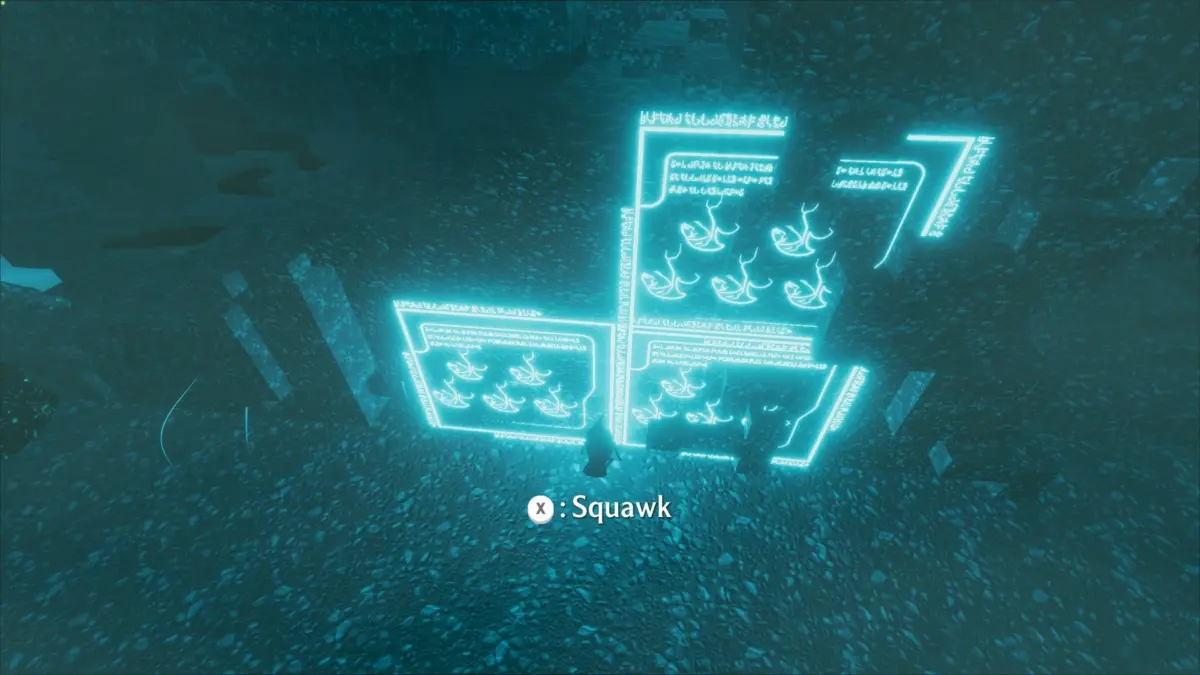
For players willing to invest time and external tools, the game rewards deep exploration. The world is saturated with cursive hieroglyphs that function as a replacement cipher for the alphabet. Keeping a notebook and pen nearby to crack these codes unlocks deeper layers of the overarching plot, transforming passive players into active investigators of ancient lore.
Architectural Dread
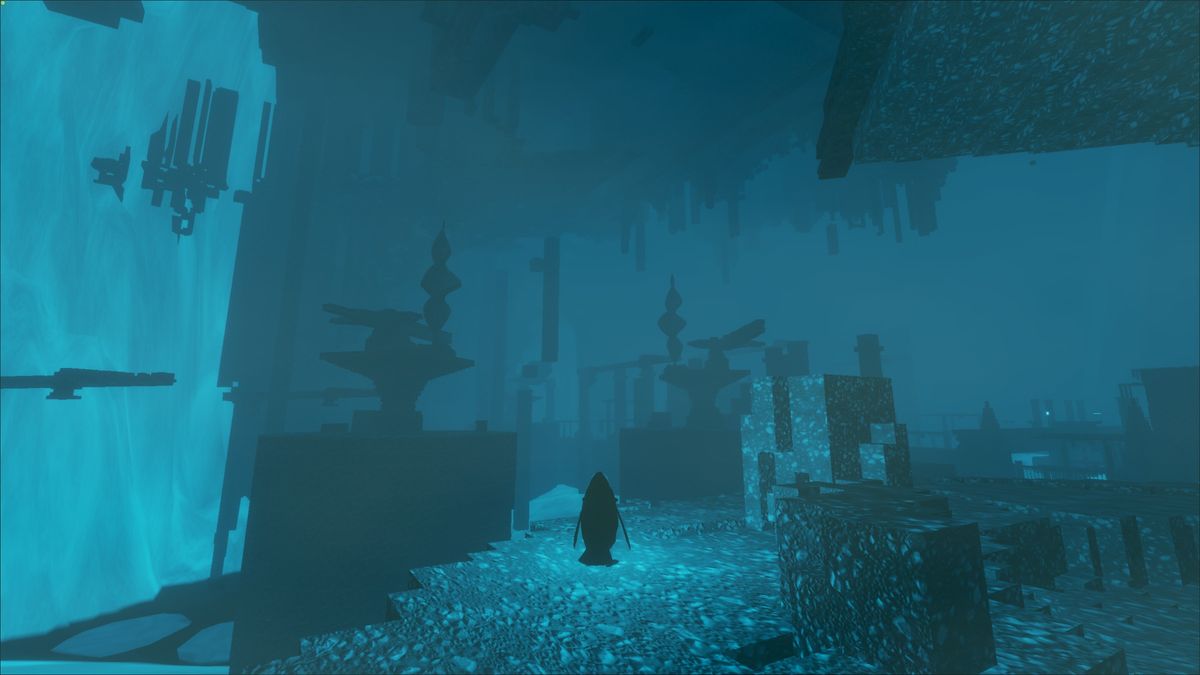
In its latter half, Penguin Colony transitions into the twisting megastructures of an alien city buried beneath the ice. Origame Digital evokes a staggering sense of scale and ancient, malevolent purpose, recalling the oppressive, organic dread of 2022’s Scorn and the profound, silent majesty of Dark Souls’ Ash Lake.
Official Statements and Critical Deconstruction of Lovecraftian Racism
One of the most remarkable aspects of Penguin Colony is its direct confrontation with H.P. Lovecraft’s well-documented racial prejudices. Modern cosmic horror often attempts to sanitize the genre’s origins, glossing over the author’s xenophobia while harvesting his cyclopean ruins and tentacled deities. Penguin Colony, conversely, embraces these flaws head-on, integrating Lovecraft’s racial fixations as an active catalyst for horror.
Howard Blakely functions as a biting stand-in for Lovecraft himself—a modern "enlightened" man whose purported intellect crumbles into cowardly complicity. This critique is underscored by the game’s bold messaging. Aside from a traditional land acknowledgment and content warnings at startup, the game concludes with a searing post-credits indictment of modern geopolitical atrocities, specifically calling out industry inaction regarding the displacement and violence faced by Palestinians. These explicit political addresses, delivered in tandem with the game’s otherwise cryptic, metaphorical narrative, land with devastating impact.
Future Outlook: A Landmark Indie Achievement
Penguin Colony is an extraordinary accomplishment—a dense, multilayered piece of interactive storytelling housed within a remarkably compact and affordable package. While its platforming mechanics and UI choices may occasionally polarize players, its willingness to subvert historical genre tropes, blend surreal animal mechanics with profound cosmic horror, and deliver a poignant tale of indigenous resistance makes it a landmark release for 2026.
For veterans of indie horror and newcomers alike, Origame Digital has crafted an unforgettable journey into the dark. Grab a notebook, prepare for some sluggish waddling, and dive into the frost—just be ready to confront the monsters waiting beneath the ice.







Belum ada komentar. Jadilah yang pertama berkomentar!