

Executive Overview
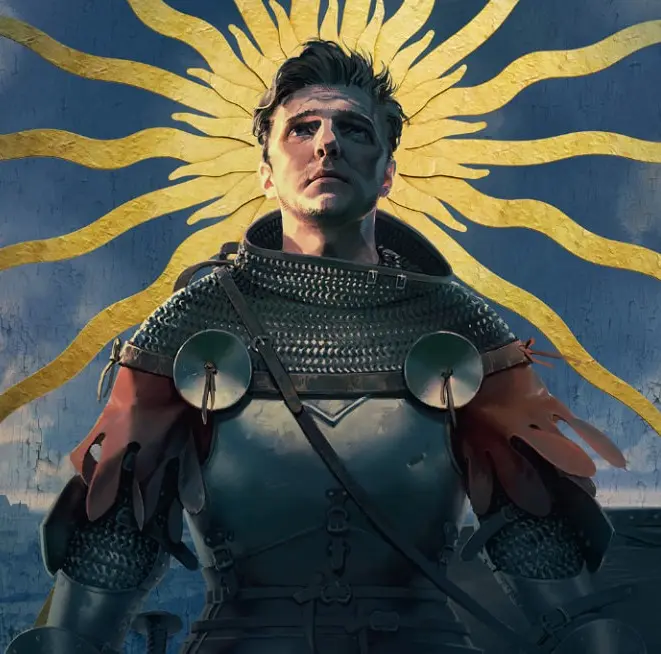
Capcom’s storied samurai action-adventure franchise has made a triumphant and thunderous return. In a financial and critical victory that underscores the Japanese publisher’s ongoing renaissance, Capcom announced that Onimusha: Way of the Sword surpassed an impressive one million sales globally on its very first day of release. This explosive debut not only signals a massive appetite for classic, skill-based hack-and-slash action among modern gamers but also pushes the entire Onimusha series past a major lifetime milestone, lifting cumulative franchise sales above 10 million units worldwide.
The launch of Way of the Sword marks a monumental moment for the intellectual property, arriving precisely two decades after the release of the last mainline entry, Onimusha: Dawn of Dreams, in 2006. For years, fans of the feudal-era demonic slaying simulator had relegated the series to the annals of nostalgia, wondering if Capcom would ever dust off the storied IP. Their patience has been rewarded with a critically acclaimed, uncompromisingly challenging, and visually arresting experience.
Reviewers and players alike have embraced the game’s demanding combat loop. Earning a stellar 83/100 score, Onimusha: Way of the Sword has been lauded for shedding archaic design constraints while preserving the razor-sharp mechanical rigor that defined the PlayStation 2 originals. Early fears that the title might have been overly softened or streamlined for a modern, broader audience were swiftly put to rest by its punishing boss encounters and tight parry windows.
This historic milestone is far from an isolated incident; rather, it is the latest jewel in Capcom’s crown during an era of unprecedented creative and commercial consistency. Throughout the 2020s, the Osaka-based developer has executed a masterclass in modern game development, seamlessly reviving dormant franchises while elevating its premier brands to new heights. As Capcom continues to look deep into its vault for classic properties ripe for re-activation, the massive success of Way of the Sword proves that there is an eager, multi-generational market for polished single-player action games rooted in historical fantasy and supernatural dread.
Detailed Chronology: The Long Road Back to Feudal Japan
To truly understand the weight of Onimusha: Way of the Sword breaking records on day one, one must examine the protracted timeline of the franchise and the strategic pivots that allowed Capcom to resurrect a sleeping giant.
The Golden Age of the PS2 (2001–2006)
The Onimusha series first burst onto the scene in early 2001 with Onimusha: Warlords, an atmospheric, fixed-camera action-adventure game that substituted the slow-moving zombies of Resident Evil with bloodthirsty demons (Genma) in Sengoku-era Japan. Starring a digitized version of Japanese action star Takeshi Kaneshiro as the samurai Samanosuke Akechi, the game was a critical and commercial smash, becoming the first PlayStation 2 title to surpass one million copies sold.
Capcom capitalized on this momentum with breathtaking speed. Onimusha 2: Samurai’s Destiny followed in 2002, expanding the scope, introducing a multifaceted affection system for companion characters, and introducing the brooding new protagonist Jubei Yagyu. Onimusha 3: Demon Siege (2004) took the franchise to cinematic heights, bridging feudal Japan with modern-day Paris and starring both Jean Reno (via digital likeness and voice work) alongside Kaneshiro’s Samanosuke, supported by a legendary cinematic opening sequence directed by master action choreographer Donnie Yen.
The main series ostensibly concluded with Onimusha: Dawn of Dreams in 2006. While critically praised for its expanded party mechanics, robust length, and vibrant new protagonist Soki, the game arrived late in the PS2’s life cycle as players were already transitioning toward high-definition hardware on the Xbox 360 and PlayStation 3. Following Dawn of Dreams, the franchise entered an indefinite hiatus, save for spin-offs like the tactical real-time strategy game Onimusha Tactics and the multiplayer-focused Onimusha: Blade Warriors.
The Long Silence and Dormancy (2006–2018)
For over a decade, the Onimusha IP sat dormant. As the gaming industry shifted toward open-world sandboxes, live-service multiplayer experiences, and cinematic story-driven epics, classic stage-based action games with fixed or semi-fixed camera angles fell out of favor with major publishers.
Aside from a modest HD remaster of the original Onimusha: Warlords in 2019—which served as a temperature check for fan interest—Capcom dedicated its primary resources to blockbuster tentpoles like Monster Hunter, Resident Evil, and Street Fighter. During this era, fans frequently voiced their longing for a true, next-generation continuation of the saga, but industry insiders frequently cited the departure of key creators and shifting market trends as prohibitive barriers.
The Resurrection and Modern Development
The turning point for Onimusha: Way of the Sword began years prior to its official announcement, driven by Capcom’s internal strategic re-evaluation of its classic IP catalog. Recognizing that its historical library represented a treasure trove of untapped brand equity, leadership greenlit the development of a modern reimagining.
Utilizing advanced proprietary technology—namely the RE Engine, which has powered virtually all of Capcom’s critical successes over the past decade—the development team set out to construct a game that honored the visceral swordplay of the original trilogy while embracing modern fluidity, responsive controls, and breathtaking next-generation graphical fidelity.
The journey from greenlight to release was carefully guarded, culminating in a series of targeted reveals that stoked the flames of nostalgia. When a playable demo dropped ahead of launch, it offered a tantalizing glimpse into the game’s mechanics, though it also triggered brief debates among fans regarding its difficulty scaling. However, upon the full game’s global release, those concerns were thoroughly dismantled, as players discovered a deeply rewarding, unforgiving adventure that demanded mastery, spatial awareness, and precise timing.
Supporting Context & Metrics: Breaking Records and Raising the Bar
The commercial trajectory of Onimusha: Way of the Sword is not merely a heartwarming story of a revived classic; it is a masterclass in modern digital marketing, precise franchise positioning, and execution.
Breaking the One-Million Mark on Day One
Achieving one million sales within 24 hours places Way of the Sword in an elite tier of video game launches. In an industry where day-one blockbuster milestones are typically reserved for established annual sports franchises, massive multiplayer live-service titles, or multi-platform open-world juggernauts, a single-player, narrative-driven samurai action game hitting this threshold immediately is a remarkable feat.
This velocity of sales indicates strong pre-order conversion rates, positive critical word-of-mouth spreading instantly upon review embargo lifts, and an intense pent-up demand from a loyal fanbase that had starved for 20 years. Furthermore, the one-million-unit milestone pushed the cumulative lifetime sales of the entire Onimusha franchise across the 10-million threshold—a monumental psychological and commercial milestone for Capcom.
Critical Reception and Mechanical Rigor
The commercial success of Way of the Sword is deeply underpinned by its critical acclaim. Holding an impressive score of 83/100, the game has been universally praised for its uncompromising approach to action design.
In his glowing review for PC Gamer, critic Wes Fenlon highlighted the title’s unapologetic difficulty, noting that it "whips ass" while refusing to hold the player’s hand. Addressing early anxieties sparked by the pre-release demo—where some players wondered if the combat had been softened for mainstream accessibility—Fenlon offered reassurance based on his extensive playthrough:
"I died plenty, particularly to bosses that ruthlessly punished my poor parry timing or overeager button mashing."
This commitment to mechanical depth has resonated profoundly with an audience that has grown weary of hand-holding mechanics and overly automated combat loops. By demanding mastery of the game’s timing windows, positioning systems, and resource management, Way of the Sword has successfully bridged the gap between old-school arcade-style challenge and modern, slick action choreography.
Capcom’s Golden Era in the 2020s
To view Way of the Sword in a vacuum is to miss the broader tapestry of Capcom’s historic run throughout the 2020s. Over the past several years, the publisher has arguably been the most consistently reliable and critically acclaimed AAA studio in the world.
This golden streak includes a succession of monumental releases across multiple genres:
- Survival Horror: Acclaimed remakes of Resident Evil 2, Resident Evil 3, and Resident Evil 4, alongside new mainline entries Resident Evil 7: Biohazard and Resident Evil Village.
- Action RPGs: The global phenomena of Monster Hunter Rise and the heavily anticipated Monster Hunter Wilds.
- Fighting Games: The triumphant, critically adored launch of Street Fighter 6.
- Creative Experiments & Cult Classics: Unique, artistic endeavors like Kunitsu-Gami: Path of the Goddess and the sci-fi action title Pragmata.
Each of these releases shares a common thread: technical optimization via the RE Engine, respect for player intelligence, and an unwavering commitment to creative vision. Onimusha: Way of the Sword fits snugly into this roster as the definitive proof that Capcom’s mid-tier and legacy revivals can command the same financial weight and cultural relevance as its marquee flagship brands.
Official Statements: Capcom’s Strategic Vision for Legacy IP
In the wake of the stellar financial reporting surrounding Onimusha: Way of the Sword, Capcom leadership released official statements that shed light on the corporate philosophy driving the company’s current success.
Rather than focusing exclusively on pushing forward with brand-new intellectual properties or relying solely on perpetual sequels to its biggest cash cows, Capcom has formalized a strategy focused on the strategic revival of dormant franchises.
"In addition to regularly releasing major new titles each year, Capcom is focusing on re-activating IPs that haven’t had a new title launch recently," the developer stated in an official corporate briefing.
This dual-pronged approach allows the company to balance the financial stability of its powerhouse annual and biennial releases (Monster Hunter, Resident Evil, Street Fighter) with high-reward, nostalgia-driven projects that capture the imagination of longtime enthusiasts while introducing classic formulas to a new generation of players.
Furthermore, Capcom explicitly linked the revitalization of Onimusha to its broader corporate valuation goals:
"The company is working to further maximize corporate value by leveraging its rich library of content, including this title."
This corporate transparency signals a profound shift in how publishers view their back catalogs. Historically, older franchises were left to gather dust unless a studio could guarantee a multi-million-selling blockbuster sequel right out of the gate. Capcom, however, has demonstrated through meticulous planning, appropriate budgeting, and state-of-the-art technical frameworks (such as the RE Engine) that classic franchises can be modernized efficiently and profitably.
The industry at large has taken notice. By treating its historical catalog as a living, breathing ecosystem rather than a dusty archive, Capcom has established a blueprint for legacy IP management that other legacy publishers are now striving to emulate.
Future Outlook: What’s Next for Onimusha and Capcom’s Vault?
With Onimusha: Way of the Sword having smashed sales expectations on day one and cleared a path past the 10-million franchise milestone, the immediate and long-term futures of both the series and Capcom’s vault strategy look brighter than ever.
The Future of the Onimusha Franchise
The immediate question on the minds of fans and industry analysts alike is simple: where does Onimusha go from here?
Given that Way of the Sword has proven there is an immense, vibrant market for feudal Japanese dark fantasy action, a return to the franchise’s traditional numbering or the development of substantial post-launch content (such as story-driven expansions or additional playable characters) seems not only possible but probable. Furthermore, the massive commercial success of this entry effectively greenlights the potential for full-scale remakes of the original PlayStation 2 trilogy (Warlords, Samurai’s Destiny, and Demon Siege), treating them to the same reverence and RE Engine overhaul that Capcom has so successfully applied to the Resident Evil series.
Opening the Vault: What’s Next for Capcom’s Back Catalog?
Beyond the realm of demons and samurai, the success of Way of the Sword naturally prompts speculation regarding which dormant Capcom franchise will be pulled from the vault next.
Fans across social media and gaming forums have already begun reviving long-dormant wishlists, echoing the collective sentiment: "New Lost Planet game when?"
The Lost Planet franchise—known for its sprawling, snow-swept sci-fi landscapes, colossal Akrid monsters, and thermal energy mechanics—represents another prime candidate for a modern re-activation under Capcom’s current methodology. Similarly, franchises like Dino Crisis, Power Stone, and Breath of Fire regularly surface in consumer demand surveys as properties ripe for a contemporary reimagining.
Capcom’s proven ability to listen to its community, honor the core mechanics of beloved classics while modernizing their presentation, and execute flawless technical rollouts positions the company uniquely to continue mining its rich history.
Conclusion
Onimusha: Way of the Sword is more than just a successful video game launch; it is a testament to the power of respecting heritage while embracing innovation. By turning a 20-year hiatus into a triumphant one-million-sales day-one celebration, Capcom has proven that classic game design, when executed with modern precision, never truly goes out of style. As the samurai blade continues to reap rewards for the Osaka publisher, the future of both Onimusha and Capcom’s legendary vault of intellectual properties has never looked sharper.







Belum ada komentar. Jadilah yang pertama berkomentar!