


In the modern landscape of action video games, few mechanics divide opinion quite like the parry. While proponents praise timed blocks and defensive ripostes for delivering the ultimate back-and-forth rhythm of blade-to-blade combat, a growing sentiment of "parry fatigue" has taken root among players weary of its ubiquitous implementation. Critics argue that developers frequently lean on the mechanic as a low-effort crutch to artificially inflate difficulty or manufacture artificial tension. However, dismissing the parry as an overdone trend overlooks its immense evolutionary potential.
Recent titles are proving that the humble defensive button press is far from exhausted. Chief among these innovators is Capcom’s legendary revival, Onimusha: Way of the Sword, which breaks fresh ground by transforming what appears to be a solitary parry mechanic into a multi-layered, highly strategic combat toolkit. Far from a singular reactionary input, Onimusha illustrates how nuanced risk-reward scales, layered inputs, and interconnected meters can elevate parrying from a simple reactionary reflex into an intricate, high-stakes game of tactical chess. By examining how games like Onimusha, Sekiro: Shadows Die Twice, and Nine Sols redefine defensive engagement, it becomes clear that the parry still holds vast, unexplored creative territory.
Detailed Chronology: The Evolution of the Action Parry
To understand how modern titles like Onimusha: Way of the Sword are revolutionizing defensive combat, one must look at how the parry has evolved over the past two decades. The concept of timed defensive maneuvers is hardly new; early action titles occasionally featured counter-attacks, but they were often secondary to offensive button-mashing or passive holding of block buttons.
The Golden Age of Reactive Timing
The parry truly entered the collective gaming consciousness with the rise of character-action games and early soulslikes. In these titles, learning enemy attack animations transformed encounters from chaotic brawls into methodical duels. However, the paradigm shifted permanently with the release of FromSoftware’s Sekiro: Shadows Die Twice. Rather than treating defense as a means to merely survive an onslaught, Sekiro mandated constant aggression paired with precise, rhythmic deflections. It weaponized the defensive action, turning every blocked blow into a conversational exchange of momentum.
The Over-Saturation Era
As the industry observed the critical and commercial success of Sekiro’s posture system, developers across genres—from sprawling action-RPGs to turn-based systems like Clair Obscur: Expedition 33—began integrating timed blocks and parry prompts into their core loops. While many of these implementations succeeded, the sheer volume of games relying on timed defensive inputs led to widespread fatigue. Players began expressing frustration over mechanics that felt mandatory rather than inspired, arguing that shoehorning parries into every genre diluted their impact.
The Renaissance of Complexity: Onimusha and Beyond
Rather than abandoning the mechanic, forward-thinking designers began treating the parry not as a single button, but as a robust system. Onimusha: Way of the Sword represents the current pinnacle of this philosophy. By introducing a multi-tiered defensive framework—where basic parries build meters, deflections counter unblockable hazards, and high-risk Issin counters decimate enemy health pools—developers are proving that the parry can be broken down, expanded, and reorganized into a deeply engaging toolkit that rewards both mechanical mastery and situational awareness.
Supporting Context & Metrics: The Mechanics of Modern Defense
To appreciate why innovative parry systems resonate so strongly with enthusiasts, one must analyze the mechanical architecture that separates a lazy implementation from a masterclass in game design.
The Illusion of the Single Button
On the surface, Onimusha: Way of the Sword appears to utilize a conventional setup: a single button dedicated to guarding incoming strikes. However, the brilliance of the system lies in how contextual timing and dynamic resource management transform that single input into a diverse matrix of combat options:
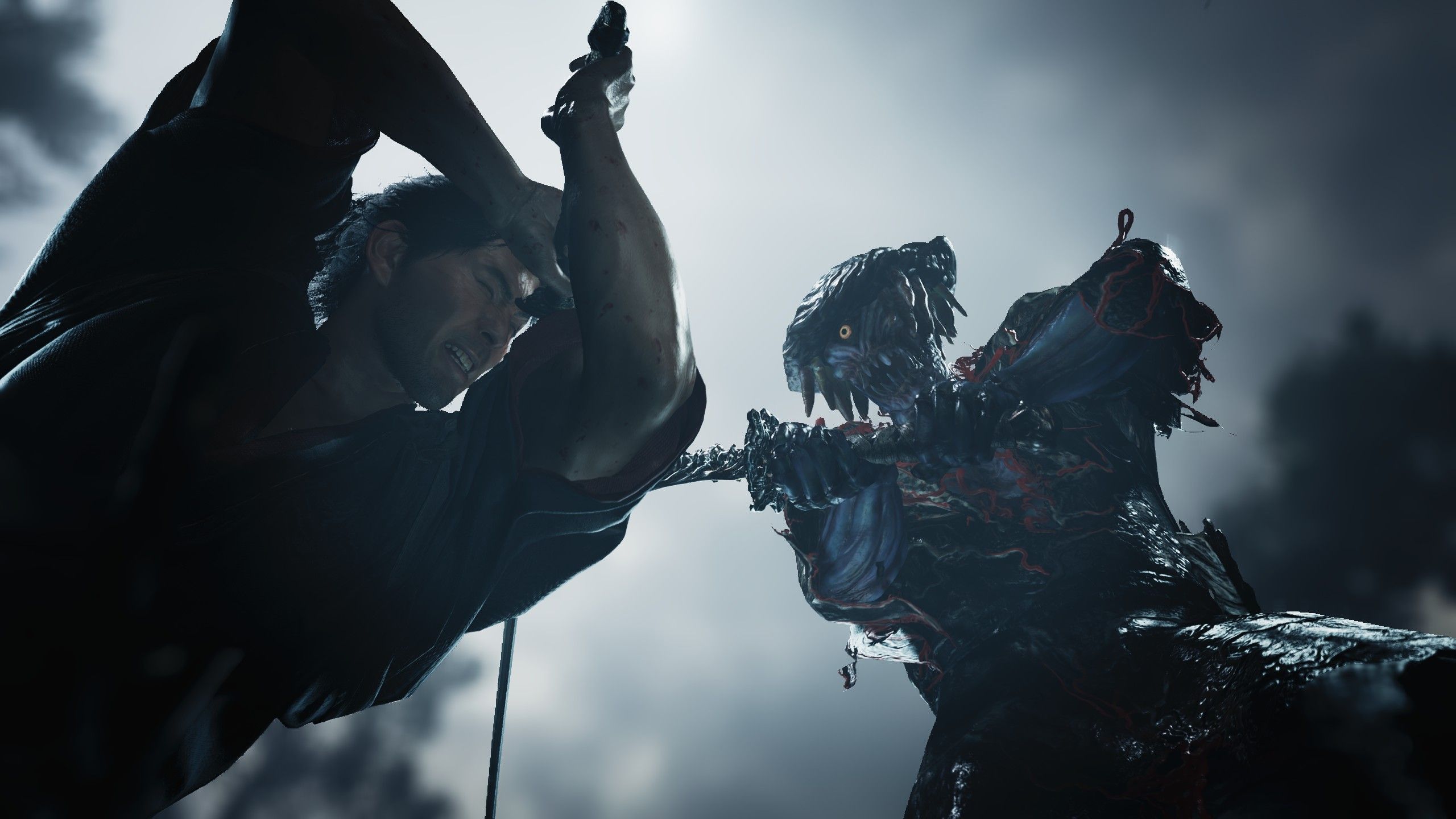
- The Basic Parry: Executing a guard at the precise moment of impact generates a cascade of sparks and begins filling a specialized combat resource known as the Blazing State. This state temporarily boosts the player’s damage output and increases enemy stagger vulnerability.
- The Deflection System: Once the Blazing State meter is full, the combat loop naturally graduates to demanding, highly complex deflection inputs. These deflections are critical for neutralizing otherwise unavoidable heavy attacks, though they require more intricate button combinations—reminiscent of executing special inputs in traditional fighting games.
- The Issin Counter: Sitting at the apex of the risk-reward pyramid is the Issin counter. Requiring hyper-strict timing windows, the Issin is balanced by enemy design: foes deliberately telegraph slow, ponderous strikes specifically tailored to invite these devastating, health-shredding ripostes.
The Back-and-Forth Economy
The true genius of Onimusha’s combat design is the symbiotic relationship between its defensive layers. Because the Blazing State meter naturally depletes over time, players cannot simply turtle behind advanced deflections. They must continuously weave basic parries back into their offensive and defensive routines to keep their weapon ignited. This creates an intoxicating rhythm, turning combat into a high-speed physical argument where hesitation leads to defeat.
Expanding the Horizon: Alternative Paradigms
Other titles are similarly pushing the boundaries of what a defensive action can be. RedCandle Games’ Nine Sols introduces the Unbounded Counter, a brilliant twist on the formula. Players must hold a distinct block button, endure a brief vulnerable wind-up phase, and then release the button within a hyper-narrow window to execute a parry. Hold the button a fraction of a second too long, and the counter fails, leaving the player completely exposed. This demands that players anticipate enemy intentions well in advance, elevating the psychological tension of the duel far beyond simple twitch-reflex reactions.
Official Insights & Industry Perspective
Industry developers and veteran critics alike have increasingly weighed in on the "parry debate," highlighting the thin line between mechanical elegance and design laziness.
Designers championing advanced defensive systems argue that the parry is fundamentally misunderstood when viewed as a mere difficulty slider. When integrated thoughtfully, it serves as the ultimate pacing tool for action combat. As veteran action designers frequently note, a well-designed parry system forces the player to intimately learn enemy choreography, effectively transforming a boss fight into a synchronized dance.
Conversely, industry critics of over-saturated parry mechanics point out that forcing timed blocks into genres built around different pillars—such as statistical progression or party management—can alienate players who prefer strategic planning over split-second motor skills. The consensus among leading design leads, however, points toward a future of specialized implementation: rather than discarding the parry, studios must continue to invent contextual variations—such as resource-draining states, multi-input modifiers, and delayed-release windows—to keep the mechanic fresh and intellectually stimulating.
Future Outlook
As the video game industry looks toward the next generation of hardware and software development, the future of action combat remains inextricably linked to how designers handle offense and defense.
The fatigue surrounding the parry is not a sign that the mechanic is inherently flawed, but rather a warning that the industry must avoid homogenization. When developers treat the parry as a check-box feature to satisfy modern action trends, the result is forgettable and exhausting. However, as trailblazing titles like Onimusha: Way of the Sword and Nine Sols demonstrate, treating defensive mechanics as a sandbox for experimentation yields breathtaking results.
In the coming years, we can expect inventive studios to continue deconstructing the traditional parry. By blending directional inputs, stamina economies, environmental interactions, and psychological anticipation, developers will undoubtedly discover new dimensions of swordplay. Far from fading into obscurity, the humble defensive button press is poised to remain a cornerstone of action design, continually challenging players to master the razor-thin margin between triumph and defeat.







Belum ada komentar. Jadilah yang pertama berkomentar!