

Executive Overview
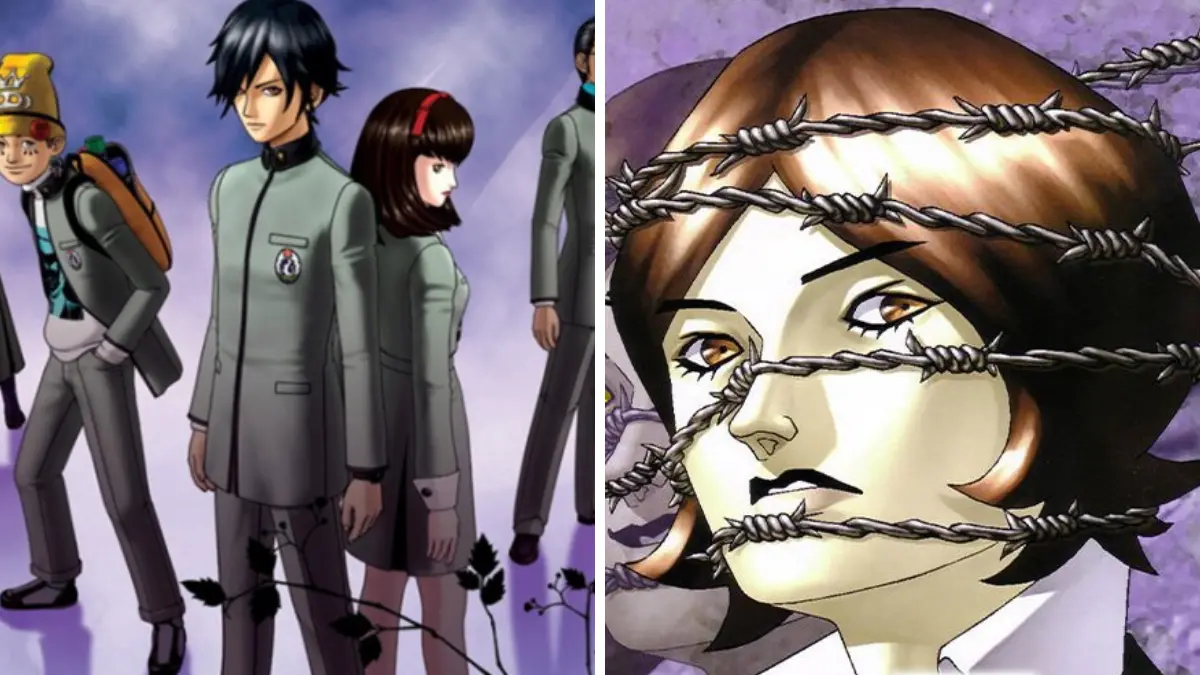
In the rapidly evolving landscape of modern video games, the preservation of early software history has become an increasingly pressing topic among developers and enthusiasts alike. Recently, comments from Atlus series producer Kazuhisa Wada during an interview with Rock Paper Shotgun have reignited fervent speculation across the gaming community. According to Wada, Atlus is likely to develop remakes or remasters for the earliest entries in its globally acclaimed Persona franchise—specifically Persona 1 and Persona 2—framing the endeavor as a vital act of cultural preservation.
While the announcement has set off waves of excitement among longtime fans who have spent decades watching the franchise evolve from a niche dungeon-crawler into a mainstream phenomenon, it also highlights a broader industry-wide dilemma. As modern platforms like PC, PlayStation 5, and Nintendo Switch become home to polished contemporary hits, a vast backlog of foundational Japanese Role-Playing Games (JRPGs) remains trapped on aging, obsolete hardware. This article explores Wada’s statements regarding the future of the Persona lineage, the historical evolution of the series’ earliest installments, and the curious omissions in Sega and Atlus’s current porting strategies—ranging from the overlooked Shin Megami Tensei spin-offs to the notoriously trapped entries of the early 2000s.
Detailed Chronology: From Revelations to Modern Remakes
To understand why remaking Persona 1 and Persona 2 represents such a monumental undertaking for Atlus, it is necessary to retrace the foundational years of a franchise that looked vastly different during its inception.
The 1996 Genesis: Revelations: Persona
Originally released for the original Sony PlayStation in 1996, Revelations: Persona introduced players to a dark, urban fantasy setting populated by high school students navigating supernatural occurrences. However, the gameplay mechanics bore a much stronger resemblance to Atlus’s parent franchise, Shin Megami Tensei, than to the life-sim and social-management pillars that define the series today.
- Exploration & Combat: The game featured first-person, "blobber"-style dungeon exploration paired with isometric third-person overworld navigation.
- The Missing Link: Crucially, the iconic "Social Link" or "Confidant" system—which allows players to manage daily schedules, build relationships, and deepen bonds to affect combat capabilities—did not exist yet. That transformative mechanic was only introduced later with the launch of Persona 3.
- Limited Accessibility: Beyond its original 1996 Japanese release and heavily localized Western debut, Revelations: Persona received a light PlayStation Portable (PSP) reissue in 2009. A historically obscure 1999 PC port also exists, though it was never officially distributed in Western territories, leaving generations of newer fans completely cut off from experiencing the origin point.
The Duology of Persona 2 (1999–2000)
Following the success of the first game, Atlus divided the next chapter into a massive, two-part narrative arc: Persona 2: Innocent Sin (1999) and Persona 2: Eternal Punishment (2000).
- Design Shifts: These titles abandoned the first-person dungeon-crawling perspective of the original game in favor of standard third-person exploration.
- Narrative Ambition: The Persona 2 duology is still frequently cited by purists for having some of the darkest, most mature, and conceptually intricate storytelling in the entire franchise. Yet, navigating the fragmented localization history—where Innocent Sin initially skipped Western releases on the PS1 before finally arriving via the PSP—has made experiencing the complete narrative a frustrating hurdle for modern players.
Supporting Context & Metrics: The Preservation Imperative
Kazuhisa Wada’s recent remarks point toward a philosophical shift within Atlus regarding how older software should be treated in the modern era. Rather than viewing older iterations as disposable stepping stones, leadership is increasingly treating back-catalog titles as historical artifacts that require active maintenance.
+-----------------------------------------------------------------+
|               EVOLUTION OF THE PERSONA FRANCHISE                |
+-----------------------------------------------------------------+
| Era             | Core Mechanics           | Platform Status    |
+-----------------------------------------------------------------+
| Persona 1-2     | First/Third-person,      | Trapped on PS1/PSP,|
| (1996 - 2000)   | No Social Links          | Obscure PC ports   |
+-----------------------------------------------------------------+
| Persona 3-5     | Calendar system,         | Widely available   |
| (2006 - 2019)   | Social Links & Bonds     | on Modern Systems  |
+-----------------------------------------------------------------+
| Modern Era      | Stylized UI, Refined     | Multiplatform PC,  |
| (2024 - Present)| Press Turn Evolution     | Xbox, PS, Switch   |
+-----------------------------------------------------------------+
The Cultural Preservation Argument
"For me, I think a remaster or remake is some kind of cultural preservation," Wada explained during his interview. "As a creator, it’s your duty to take the things you’ve done and make sure they’re not lost, and are still around in the modern day. From that same perspective, Persona 1 and Persona 2 are something we’ll probably eventually do too."
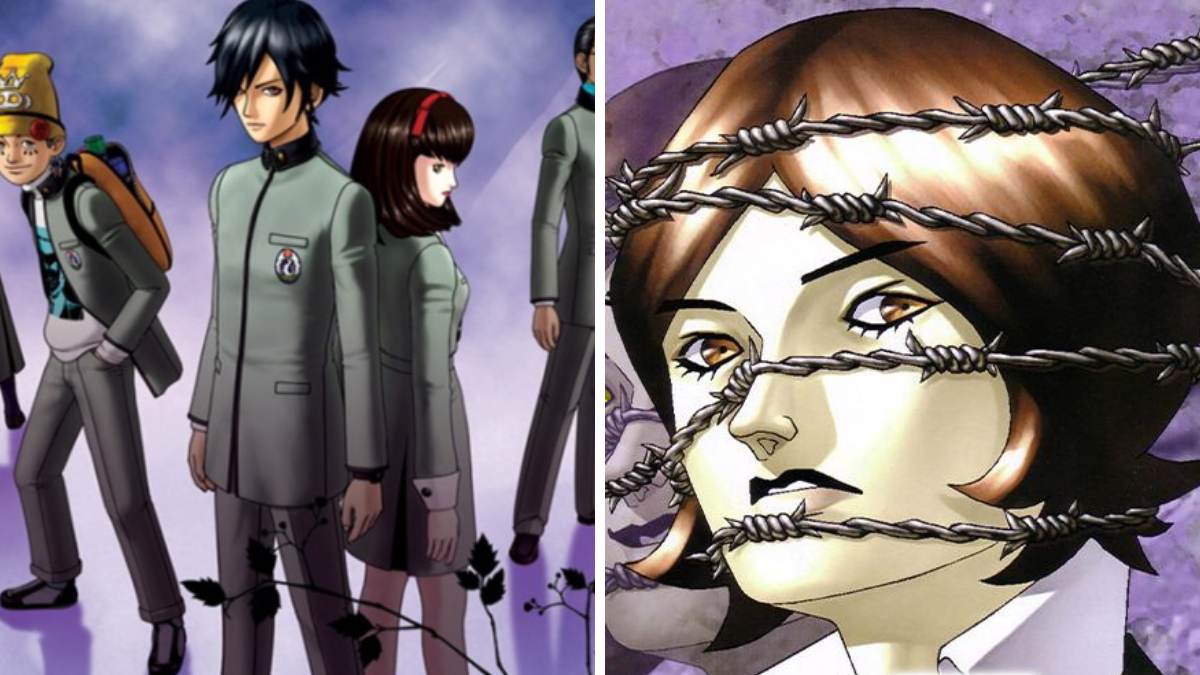
This viewpoint aligns with a wider industry trend where publishers are realizing that digital rot, licensing issues, and hardware depreciation threaten decades of interactive media. However, while a full-scale remake built from the ground up—similar to the stunning overhaul seen in Persona 3 Reload—would undoubtedly appease modern audiences accustomed to slick user interfaces and modern quality-of-life features, many purists argue that polished, accessible reissues with minor quality-of-life updates might better preserve the distinct identity of the 90s originals.
Official Statements & Industry Blind Spots
While the prospect of modernizing the early Persona titles is cause for celebration, critical questions remain regarding Atlus and Sega’s broader curation strategy. Specifically, industry analysts and long-time fans are left puzzled as to why other monumental pillars of the broader Shin Megami Tensei universe continue to languish on antiquated hardware.
The Forgotten Treasures of the PS2 Era
During the PlayStation 2 generation, Atlus released some of the most critically acclaimed and mechanically dense dungeon-crawlers in history. While some titles have received modern treatments, glaring gaps persist:
- **Shin Megami Tensei 3: Nocturne: Received a PC and modern console port, though its implementation drew criticism for a strict 30 frames-per-second lock that required fan-made modifications to bypass.
- **Raidou Remastered: The Mystery of the Soulless Army: Surprised the community with a comprehensive overhaul, featuring entirely revamped combat systems and sweeping quality-of-life upgrades.
- The Missing Digital Devil Saga: Fans of Atlus’s signature Press Turn combat system have long pleaded for modern ports of Shin Megami Tensei: Digital Devil Saga and its direct sequel. Despite housing some of the most poignant narratives and tactical depth in the developer’s catalog, these games remain confined to the PlayStation 2.
The Portable Elephant in the Room
Perhaps the most glaring omission in modern accessibility is Shin Megami Tensei IV. While both Shin Megami Tensei III: Nocturne and Shin Megami Tensei V (alongside its definitive Vengeance expansion) enjoy comfortable homes on modern PCs and consoles, SMT IV remains trapped exclusively as a Nintendo 3DS title. Given the unique dual-screen layout and UI design of the hardware, bringing this critically lauded entry forward presents unique design challenges, but its continued obscurity remains a sore spot for enthusiasts of the publisher’s darker, more cerebral sci-fi narratives.
Future Outlook: A Desired Roadmap for Atlus
The tonal divide between the high-school social simulation of modern Persona and the bleak, apocalyptic, and philosophically rigorous universe of Shin Megami Tensei highlights the diverse appeal of Atlus’s portfolio. While Persona undeniably captures mainstream commercial success, the stark sci-fi severity and mythic world-building of SMT-adjacent titles hold a vital place in JRPG history.
If Atlus is genuinely committed to its self-proclaimed duty of cultural preservation, fans and critics alike have begun outlining a logical hierarchy for future project announcements:
- Address the PS2 backlog: Prioritize modern multiplatform re-releases of titles like Digital Devil Saga 1 & 2, allowing mechanics like the Press Turn system to find new audiences outside of aging hardware.
- Rescue Shin Megami Tensei IV: Find a viable architectural solution to port or completely rebuild the 3DS masterpiece for contemporary systems.
- Revisit the Roots: Execute comprehensive, respectful remakes or definitive remasters of Persona 1 and the Persona 2 duology (Innocent Sin and Eternal Punishment), ensuring that the formative years of the publisher’s flagship brand are safely preserved for generations to come.
Until official greenlights are given, the gaming public must continue to wait—hoping that Atlus’s philosophy of preservation extends beyond corporate forecasting and into the physical reality of modern storefronts.




Belum ada komentar. Jadilah yang pertama berkomentar!