

Executive Overview
For nearly a decade, the rhythm action genre has existed in a state of suspended animation. Following the sunsetting of Guitar Hero Live in 2015 and the gradual scaling back of the Rock Band franchise, the once-monumental market for peripheral-based music games dissolved into memory. While digital offshoots such as Harmonix’s Fortnite Festival attempted to bridge the gap using standard gamepads and keyboards, peripheral purists were left without a dedicated hardware ecosystem.
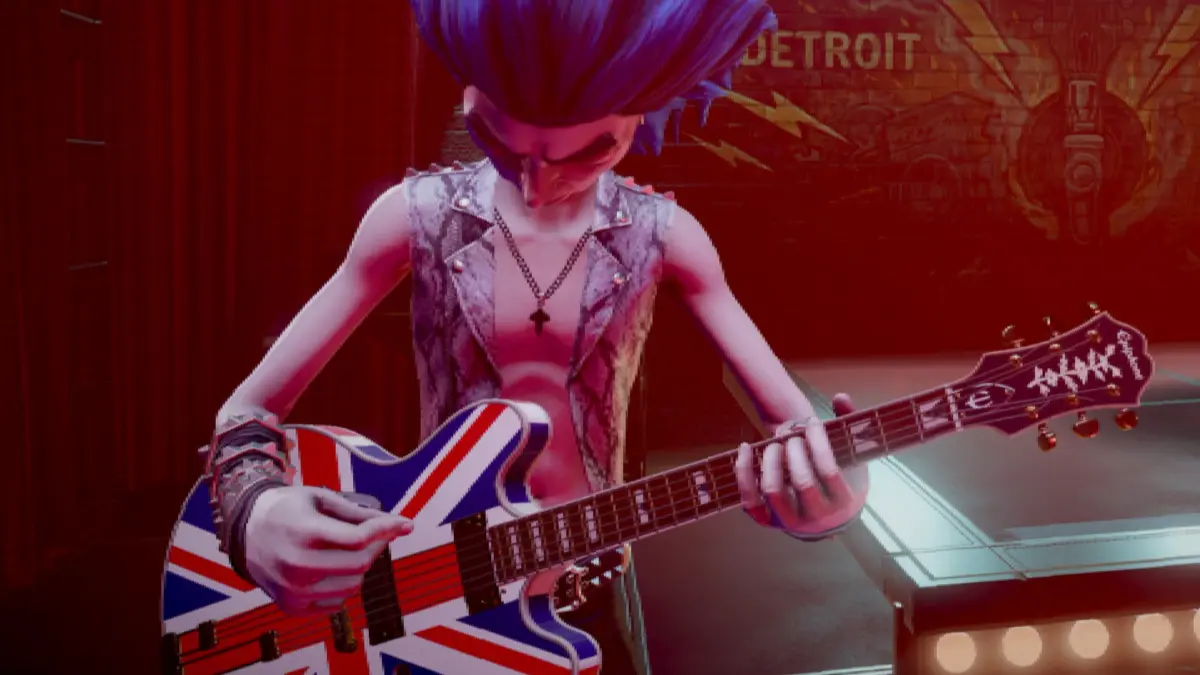
At Gamescom 2026, Red Octane Games—a rejuvenated incarnation of the original studio that helped build the Guitar Hero empire—announced its bid to reclaim the genre with Stage Tour. Positioned as a direct spiritual successor to the mid-2000s rhythm icons, Stage Tour blends authentic, licensed hardware peripherals with modern game design, including a roguelite career mode and competitive performance mechanics.
Backed by industry veterans—including Embracer Group Chief Operating Officer Lee Guinchard—the title aims to combine tactile nostalgia with updated software architecture. Scheduled for launch in December across major platforms, including Nintendo Switch, Stage Tour represents the most ambitious attempt to revitalize hardware-centric rhythm gaming in over ten years.
Detailed Chronology: The Evolution, Decline, and Rebirth of Peripheral Rhythm Gaming
+-----------------------------------------------------------------------------------+
| 2005 - 2007: THE RISE                                                             |
| RedOctane & Harmonix launch Guitar Hero (2005) & GH II (2006). Massive cultural   |
| boom establishes plastic guitar peripherals as mainstream media phenomena.        |
+-----------------------------------------------------------------------------------+
                                         |
                                         v
+-----------------------------------------------------------------------------------+
| 2008 - 2010: OVERSATURATION & PEAK                                                |
| Market floods with annual releases (GH III, World Tour, Rock Band series).        |
| High manufacturing costs and peripheral clutter lead to consumer fatigue.         |
+-----------------------------------------------------------------------------------+
                                         |
                                         v
+-----------------------------------------------------------------------------------+
| 2015: THE REBOOT ATTEMPT                                                          |
| Guitar Hero Live and Rock Band 4 launch. GH Live's 6-button redesign fails to      |
| sustain long-term engagement; servers shut down, leaving a market void.          |
+-----------------------------------------------------------------------------------+
                                         |
                                         v
+-----------------------------------------------------------------------------------+
| 2023 - 2025: DIGITAL BRIDGE                                                       |
| Fortnite Festival introduces rhythm mechanics to modern battle-royale engines,   |
| proving demand for music tracks, but lacking dedicated physical instruments.      |
+-----------------------------------------------------------------------------------+
                                         |
                                         v
+-----------------------------------------------------------------------------------+
| 2026: THE HARDWARE REVIVAL                                                        |
| Red Octane Games debuts 'Stage Tour' at Gamescom 2026, re-introducing premium     |
| guitar/drum hardware and introducing roguelite career modes for a Dec release.    |
+-----------------------------------------------------------------------------------+
The Golden Age (2005–2010)
The peripheral rhythm boom began in earnest when RedOctane partnered with developer Harmonix to release the original Guitar Hero on the PlayStation 2 in late 2005. Its 2006 sequel, Guitar Hero II, cemented plastic guitars as a global pop-culture phenomenon. Fueled by mechanical fret buttons, clicky strumbars, and iconic master tracks, the franchise generated billions in revenue.
However, intense competition between Activision (which acquired RedOctane) and EA/MTV Games (which partnered with Harmonix for Rock Band) resulted in market oversaturation. By 2010, retail shelves were inundated with specialized drum kits, microphones, and multiple iterations of plastic guitars, leading to sudden consumer fatigue and steep drops in retail demand.
The 2015 Soft Reboot and Subsequent Dormancy
In 2015, both major franchises attempted a simultaneous comeback. Activision released Guitar Hero Live, featuring a redesigned six-button (two three-button rows) controller and a live-action video presentation, while Harmonix launched Rock Band 4.
While Rock Band 4 maintained legacy compatibility, Guitar Hero Live struggled due to its departure from the classic five-button layout and reliance on streaming music channels (GHTV), which were eventually turned off in 2018. This left the five-button plastic rhythm space effectively dormant for nearly a decade.

The Modern Gap and the Announcement of Stage Tour
While modern entries like Fortnite Festival proved that younger audiences still enjoy matching note streams to rhythm tracks, controller-based mechanics failed to replicate the tactile satisfaction of physical instruments. Recognizing this unserved market segment, Red Octane Games quietly reformed to build Stage Tour. Designed specifically around custom-engineered physical peripherals, the project aims to restore the arcade-style physical involvement of classic mid-2000s titles while introducing current-gen progression systems.
Supporting Context & Core Gameplay Architecture
                     +-----------------------------------+
                     |       STAGE TOUR GAME ENGINE      |
                     +-----------------------------------+
                                       |
       +-------------------------------+-------------------------------+
       |                               |                               |
       v                               v                               v
+--------------+               +---------------+               +---------------+
| HARDWARE     |               | GAMEPLAY      |               | PROGRESSION   |
| ECOSYSTEM    |               | MODES         |               | MECHANICS     |
+--------------+               +---------------+               +---------------+
| • Kramer     |               | • Tour Mode   |               | • FX Pedals   |
|   Striker    |               |   (Roguelite) |               |   (Buffs/     |
| • Gibson SG  |               | • Quickplay   |               |   Modifiers)  |
| • Les Paul   |               | • Judgments   |               | • Boss Skill  |
| • Full Drum  |               |   (Versus)    |               |   Check       |
|   Array      |               | • Karaoke     |               |   Battles     |
+--------------+               +---------------+               +---------------+
Hardware Engineering and Tactile Design
The foundation of Stage Tour relies entirely on peripheral fidelity. Rather than shipping budget, lightweight controllers, Red Octane Games collaborated with established hardware engineers—led by former RedOctane key figure and current Embracer Group C.O.O. Lee Guinchard—to produce instruments built to modern hardware manufacturing standards.
- The Guitar Peripherals: The show floor at Gamescom showcased multiple instrument variations, most notably a replica modeled after the classic Kramer Striker. Additional models based on the Gibson SG and Gibson Les Paul are also in production. The physical design prioritizes heft, ergonomic weight distribution, microswitch-driven strumbars with tactile click feedback, and durable fret buttons engineered to withstand rapid strumming and soloing.
- The Drum Peripherals: Moving away from fragile, noisy rubber pads, the Stage Tour drum array features reinforced, acoustically dampened pads designed to balance stick rebound with noise reduction. The snare and tom pads feature wide spacing to avoid mis-hits, paired with elevated crash and ride cymbals built to handle aggressive play during higher-difficulty song charts.
+--------------------------------------------------------------------------+
|                       STAGE TOUR HARDWARE LINEUP                         |
+-----------------------+--------------------------------------------------+
| PERIPHERAL            | KEY TECHNICAL SPECIFICATIONS                     |
+-----------------------+--------------------------------------------------+
| Kramer Striker Guitar | • Microswitch strumbar with crisp click feedback |
|                       | • Weighted body chassis for authentic weight     |
|                       | • Five-button classic fret layout                |
+-----------------------+--------------------------------------------------+
| Gibson SG / Les Paul  | • Authentic body-shape scaling                   |
| Editions              | • Low-latency wireless protocols                 |
+-----------------------+--------------------------------------------------+
| Stage Tour Drum Suite | • Dampened high-rebound drum pads                |
|                       | • Ergonomically elevated crash & ride cymbals    |
|                       | • High-durability reinforced kick pedal          |
+-----------------------+--------------------------------------------------+
Modes of Play: Introducing the Roguelite Structure
Unlike traditional music games that rely solely on linear setlist unlocks, Stage Tour introduces systemic depth designed for long-term replayability:
- Tour Mode (Roguelite Career): The centerpiece single-player and co-op experience. Players navigate a dynamic venue map where every run features randomized route branches, mid-tour encounters, and venue-specific performance modifiers. Band survival depends on maintaining crowd energy while accumulating equipment upgrades.
- FX Pedals System: To combat stage hazards and modifier debuffs in Tour Mode, players unlock and equip digital FX pedals. Modeled after vintage audio hardware—drawing visual and functional inspiration from legendary stompboxes like the Boss DS-1 distortion and the Electro-Harmonix Big Muff fuzz—these pedals grant active and passive gameplay buffs (e.g., multiplier shields, streak recovery, star power boosts).
- Boss Battles: Tour Mode features dedicated boss encounters that test rhythmic precision, requiring players to counter specialized note patterns, changing tempos, and visual distorters.
- Judgments (Competitive Versus): A head-to-head multiplayer mode built around strict performance metrics, timing windows, and error-penalizing score systems.
- Karaoke & Vocal Integration: Full vocal support allowing bands to play with four full roles: Lead Guitar, Rhythm/Bass, Drums, and Lead Vocals.
- Quickplay: Classic arcade mode granting immediate access to unlocked songs across all difficulty levels (Easy, Medium, Hard, Expert).
Hands-On Floor Report and Official Statements
The Gamescom 2026 Floor Experience
Testing Stage Tour on the Gamescom exhibit floor highlighted how closely Red Octane Games has captured the feel of early-2000s rhythm titles. The immediate impression upon picking up the Kramer Striker replica is one of solid construction; the controller lacks the hollow flex typical of budget third-party plastic instruments.
+--------------------------------------------------------------------------+
|                    GAMESCOM DEMO TRACKLIST SAMPLE                        |
+-----------------------+------------------------+-------------------------+
| ARTIST                | TRACK                  | PREVIEW HIGHLIGHTS      |
+-----------------------+------------------------+-------------------------+
| Foo Fighters          | "Monkey Wrench"        | Classic fast-strumming  |
|                       |                        | rhythm test             |
+-----------------------+------------------------+-------------------------+
| Red Hot Chili Peppers | Featured Single        | Complex bassline /      |
|                       |                        | funk guitar syncopation |
+-----------------------+------------------------+-------------------------+
| Paramore              | Featured Single        | Fast-tempo pop-punk     |
|                       |                        | drum & guitar chart     |
+-----------------------+------------------------+-------------------------+
| Smash Mouth           | "All Star"             | Arena-wide crowd        |
|                       |                        | singalong finale        |
+-----------------------+------------------------+-------------------------+
During a hands-on session featuring a setlist consisting of tracks from Foo Fighters, Red Hot Chili Peppers, Paramore, and closing with Smash Mouth’s "All Star", the tracking stability and latency performance were noticeably refined. Note charts strike a precise balance between rhythmic accuracy and finger-stretching arcade fun—evoking the design philosophy of classic titles like Guitar Hero II and Guitar Hero: Metallica.
The mechanical strumbar provides immediate tactile feedback, making fast alt-strumming sections clean and responsive. On drums, the layout accommodates complex fills without feeling cramped, and elevated cymbals allow for natural arm movement during hectic choruses.
Developer Insights and Hardware Philosophy
Red Octane Games Community Manager Jacob Inselmann emphasized that Stage Tour was crafted specifically to honor the legacy of rock gear culture:

"Red Octane’s designers are expressing their love for rock history in every aspect of Stage Tour. From the tactile feel of the strumbars to the design of the in-game FX pedals, we want players to feel connected to authentic music culture. We aren’t just making a mini-game; we are reviving a lost hardware art form."
Inselmann confirmed that additional details regarding Tour Mode paths, boss encounters, and licensed pedal partnerships will be revealed continuously leading up to the holiday release window.
Future Outlook & Strategic Market Analysis
+-----------------------------------------------------------------------------------+
|                            MARKET OPPORTUNITY ANALYSIS                            |
+-----------------------------------------------------------------------------------+
| ADVANTAGES                                 | CHALLENGES                           |
+--------------------------------------------+--------------------------------------+
| • Nostalgia demand among millennial gamers | • High manufacturing & shipping      |
| • Absence of direct hardware competitors   |   costs for physical peripherals     |
| • Innovation via roguelite Tour Mode       | • Shelf-space competition at retail  |
| • Authentic instrument licensing          | • Securing expansive music licensing |
+--------------------------------------------+--------------------------------------+
Supply Chain and Retail Landscape
Re-entering the plastic instrument market in 2026 presents unique logistics challenges compared to 2005. Manufacturing costs for physical plastic and chipsets have shifted, while modern retail environments favor digital distribution.
Red Octane Games must balance physical hardware production runs with direct-to-consumer logistics to avoid the inventory oversaturation that crippled the genre during its initial decline. By selling standalone instruments, bundle kits, and digital software keys, the publisher aims to maintain a leaner, more sustainable supply chain.
Target Demographics: Bridging Nostalgia and New Audiences
Stage Tour is uniquely positioned to capture two distinct player segments:
- Legacy Players: Gamers who grew up during the peak Guitar Hero craze (2005–2010) and currently lack modern hardware options to play traditional five-button rhythm charts.
- New-Generation Gamers: Younger audiences introduced to rhythm mechanics via Fortnite Festival or TikTok trends, who have never experienced playing with weighted, dedicated plastic instruments in a local, couch-co-op setting.
Final Takeaways and Launch Horizon
With a targeted release window of December 2026, Stage Tour faces high expectations. However, based on the build shown at Gamescom, Red Octane Games is delivering a project grounded in strong hardware quality, creative roguelite progression systems, and genuine respect for music history. If the studio can secure a robust launch setlist and ensure steady hardware manufacturing, Stage Tour may successfully ignite a modern era for plastic rock.







Belum ada komentar. Jadilah yang pertama berkomentar!