

Executive Overview
Nestled in the heart of Mie Prefecture, flanked by the historical corridors of Kyoto and Nara, lies Matsusaka City—a destination where the rustic echoes of feudal Japan harmoniously coexist with the sophisticated legacy of early modern commerce. While globally renowned for its culinary masterpiece, Matsusaka beef, the city holds a far deeper, multi-layered significance in Japanese history.
Once flourishing as an elite merchant town during the Edo period (1603–1867), Matsusaka served as the cradle for some of Japan’s most influential financial dynasties, including the progenitors of the Mitsui Zaibatsu and legendary cotton tycoons. Today, the city offers travelers a rare, immersive opportunity to step off the beaten tourist path and experience living history. From meticulously preserved Edo-period mansions and traditional indigo-dyed textiles to world-class gastronomy, Matsusaka invites visitors on an unforgettable journey into the economic and cultural foundations of modern Japan.

Detailed Chronology: The Historical Architecture and Merchant Legacies of Matsusaka
The urban topography of Matsusaka is a physical testament to the ingenuity, wealth, and aesthetic refinement of its historical merchant class. A well-planned day trip through the city reveals several iconic landmarks that trace the lineage of Japan’s commercial elite.
The Ozu Seizaemon Family Mansion: A Glimpse into Edo-Era Opulence
Our historical journey begins at the former residence of Ozu Seizaemon, a titan of industry who historically operated the largest paper wholesale business in Edo (present-day Tokyo). Designated as a tangible cultural property by Mie Prefecture and recognized as an official historic site by Matsusaka City, this expansive estate is currently open to the public as a museum.

Visitors walking through the complex—which includes the main house, a secure storehouse (dozo), and a front storehouse built in the classic urban townhouse (machiya) architectural style of the Edo period—gain an intimate look at the daily operations and domestic lifestyles of Japan’s wealthy merchant class. The preservation of these wooden structures allows guests to appreciate the functional yet elegant design choices favored by 17th- and 18th-century commercial magnates.
- Address: 2195 Matsusaka City, Mie Prefecture, 515-0081
- Opening Hours: 9:00 – 17:00 (Last entry at 16:30)
- Closed: Wednesdays (or the following weekday if Wednesday is a national holiday), New Year holidays
- Admission Fee: Adults: 200 yen; Ages 6–18: 100 yen
- Access: Approximately 10 minutes on foot from JR/Kintetsu Matsusaka Station
The Birthplace of the Mitsui Family and the Wealthy Merchant Pocket Park
No exploration of Japanese economic history is complete without acknowledging the Mitsui family, founders of the Mitsui Zaibatsu. Their corporate descendants within the modern Mitsui Group continue to exert a profound influence on Japan’s national and international economy.

Matsusaka holds the distinction of being the birthplace of Mitsui Takatoshi (1622–1694), the visionary founder of the dynasty. While the ancestral home site—which still houses the historical well used for Takatoshi’s first ritual bath, alongside a commemorative monument—is generally closed to the general public, visitors can explore the adjacent Wealthy Merchant Pocket Park.
Marked by a magnificent lion statue, the park serves as a tribute to the family’s enduring legacy. Takatoshi famously opened a dry-goods store called Echigoya in Edo during the Edo period—an enterprise that evolved into the beloved Mitsukoshi Department Store chain known worldwide today. In honor of this heritage, a replica of the iconic Mitsukoshi lion statue was donated to Matsusaka City. Modeled after the famous lions guarding Nelson’s Column in London’s Trafalgar Square, local folklore suggests that sitting on the back of this bronze guardian brings good fortune and makes wishes come true.

- Address (Pocket Park): 2176-10 Matsusaka City, Mie Prefecture, 515-0081
- Access: Approximately 10 minutes on foot from JR/Kintetsu Matsusaka Station
The Hasegawa Family Residence: Cotton Fortunes and Tranquil Gardens
Continuing along the historical trail, travelers encounter the grand estate of the Hasegawa family. Alongside the Mitsui and Ozu lineages, the Hasegawa clan reigned as one of Matsusaka’s premier merchant families, amassing their vast fortune primarily through their cotton wholesale enterprise, known by the trade name "Tamba."
The Hasegawa family home stands out not merely for its architectural scale, but for the staggering volume of preserved documentation left behind. Thousands of commercial papers, ledger books, and ancient manuscripts have been meticulously curated, earning the complex the prestigious designation of a Nationally Designated Important Cultural Property, as well as a Mie Prefecture Designated Historic Site and Scenic Spot.

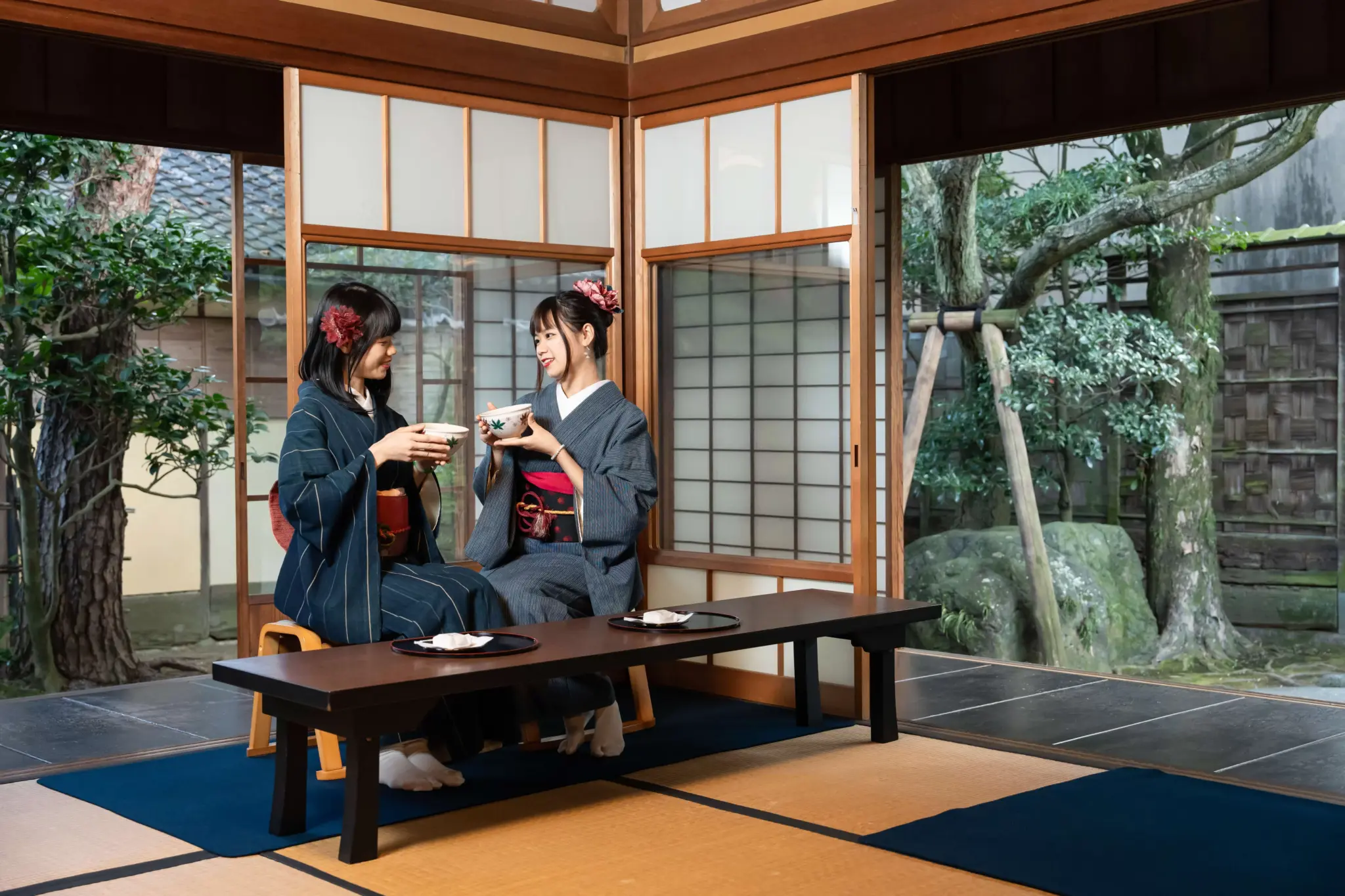
Guests touring the estate can step out onto the engawa (wooden veranda) to savor authentic Japanese matcha green tea while gazing upon a deeply serene, traditional Japanese garden. For autumn travelers, the garden transforms into a breathtaking canvas of crimson and gold foliage from late November through early December.
- Address: 1653 Matsusaka City, Mie Prefecture, 515-0082
- Opening Hours: 9:00 – 17:00 (Last entry at 16:30)
- Closed: Wednesdays (or the following weekday if Wednesday is a public holiday), New Year holidays
- Admission Fee: Adults: 400 yen; Ages 6–18: 200 yen
- Access: Approximately 10 minutes on foot from JR/Kintetsu Matsusaka Station
Supporting Context & Metrics: The Cultural Economy of Matsusaka Momen
History in Matsusaka is not just something to observe behind glass; it is a living, wearable art form defined by the region’s legendary textile industry: Matsusaka Momen (Matsusaka Cotton).

The Phenomenon of Matsusakajima Stripes
Introduced to the fashion-forward population of Edo by the enterprising Hasegawa family, Matsusaka momen quickly became an indispensable commodity. The fabric is produced using cotton yarn dyed exclusively with natural plant-based indigo, woven into a distinctive, understated striped pattern known as Matsusakajima.
From a distance, a garment crafted from Matsusaka momen appears deceptively plain and solid in hue. However, upon closer inspection, intricate variations in the indigo stripes reveal a sophisticated, chic aesthetic (iki) that captivated the urbanites of early modern Japan. During an era when Edo boasted an estimated population of one million, more than 500,000 bolts of Matsusaka cotton were shipped annually from this single regional hub to meet skyrocketing consumer demand.

Experiential Heritage: The Matsusaka Cotton Hand-Weaving Center
Today, visitors looking to connect directly with this textile heritage can visit the Matsusaka Cotton Hand-Weaving Center, located on the first floor of the Matsusaka City Industrial Promotion Center.
- Offerings: The center sells a wide array of contemporary, handmade accessories, garments, and home goods crafted from authentic Matsusaka momen.
- Workshops: Travelers can participate in hands-on weaving workshops (nominal fees apply), working traditional looms under the guidance of local artisans to create their own textile pieces.
- Address: 1F Matsusaka City Industrial Promotion Center, 2176 Honmachi, Matsusaka City, Mie Prefecture, 515-0081
- Opening Hours: 9:00 – 17:00
- Closed: Tuesdays
- Access: Approximately 10 minutes on foot from JR/Kintetsu Matsusaka Station
Immersive Exploration: Kimono Rental Incentives
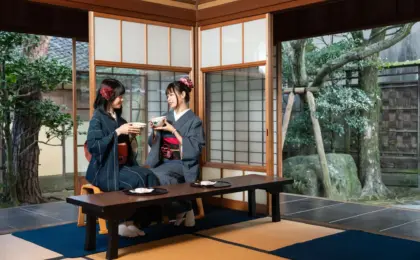
To fully appreciate the historical streetscapes, visitors can rent traditional kimonos made from genuine Matsusaka momen through local programs such as the Matsusaka Momen Kimono Rental Center.

Adding an extraordinary incentive for cultural explorers, tourists wearing Matsusaka momen kimonos are granted free admission to several of the city’s premier cultural and historical institutions, including:
- The Motoori Norinaga Memorial Museum
- The Matsusaka City Cultural Properties Center
- The Matsusaka City History and Folklore Museum
- The Matsusaka Takeshiro Memorial Museum
Strolling down preserved stone-paved lanes clad in indigo-striped kimono offers an authentic sense of temporal displacement—effectively allowing visitors to experience the atmosphere of 18th-century Japan firsthand.

Official Statements and Gastronomic Pinnacle: Wadakin and Matsusaka Beef
No cultural expedition to Mie Prefecture is complete without engaging with its world-famous culinary arts. Local tourism boards and culinary authorities consistently emphasize that Matsusaka’s identity is inextricably linked to the cultivation of world-class agriculture.
The Legend of Wadakin
When discussing local dining, Matsusaka beef—universally celebrated as one of Japan’s "Three Great Wagyu Beef Varieties" (Nihon Sandai Gyuniku)—takes center stage. While numerous establishments throughout the city serve this prized delicacy, historical food connoisseurs frequently direct their steps toward Wadakin, a venerable, long-established sukiyaki institution that draws epicures from across the Japanese archipelago and beyond.

Specializing in masterfully marbled, thickly sliced Matsusaka beef cooked tableside in a rich, traditional broth, Wadakin represents the pinnacle of Japanese culinary hospitality. Local tourism authorities note that experiencing authentic Matsusaka beef prepared by generational masters provides a sensory capstone to any historical tour of the region.
- Address: 1878 Matsusaka City, Mie Prefecture
- Business Hours:
- Weekdays: 11:30 – 19:00 (Last order: 20:00 / Closing: 21:00)
- Weekends & Holidays: 11:00 – 19:00 (Last order: 20:00 / Closing: 21:00)
- Closed Days: Variable; please verify via the official website prior to visiting.
- Access: Approximately 10 minutes on foot from JR/Kintetsu Matsusaka Station
- Official Website: https://e-wadakin.co.jp/en/
Future Outlook: Preserving Heritage for Global Travelers
As international tourism to Japan continues to evolve beyond major metropolitan hubs like Tokyo and Kyoto, regional municipalities like Matsusaka City are positioning themselves as premier destinations for sustainable, deep-dive cultural tourism.

Local municipal bodies and tourism associations are proactively expanding English-language resources, enhancing digital access maps, and fostering community-led preservation initiatives to protect fragile Edo-period architecture and intangible heritage arts like natural indigo dyeing. By combining rigorous architectural conservation with interactive experiences—such as cotton-weaving workshops and kimono-rental incentive programs—Matsusaka ensures that its storied past remains a dynamic, living narrative for future generations of global travelers.
For those planning an upcoming itinerary through central Japan, Matsusaka offers an unparalleled synthesis of high finance origins, textile artistry, and peerless gastronomy.
Additional Resources
- For comprehensive trip-planning tools, consult the Matsusaka City Tourism Information Site.
- Follow visual updates and real-time travel inspirations on the Official Matsusaka City Tourism Instagram.



Belum ada komentar. Jadilah yang pertama berkomentar!