

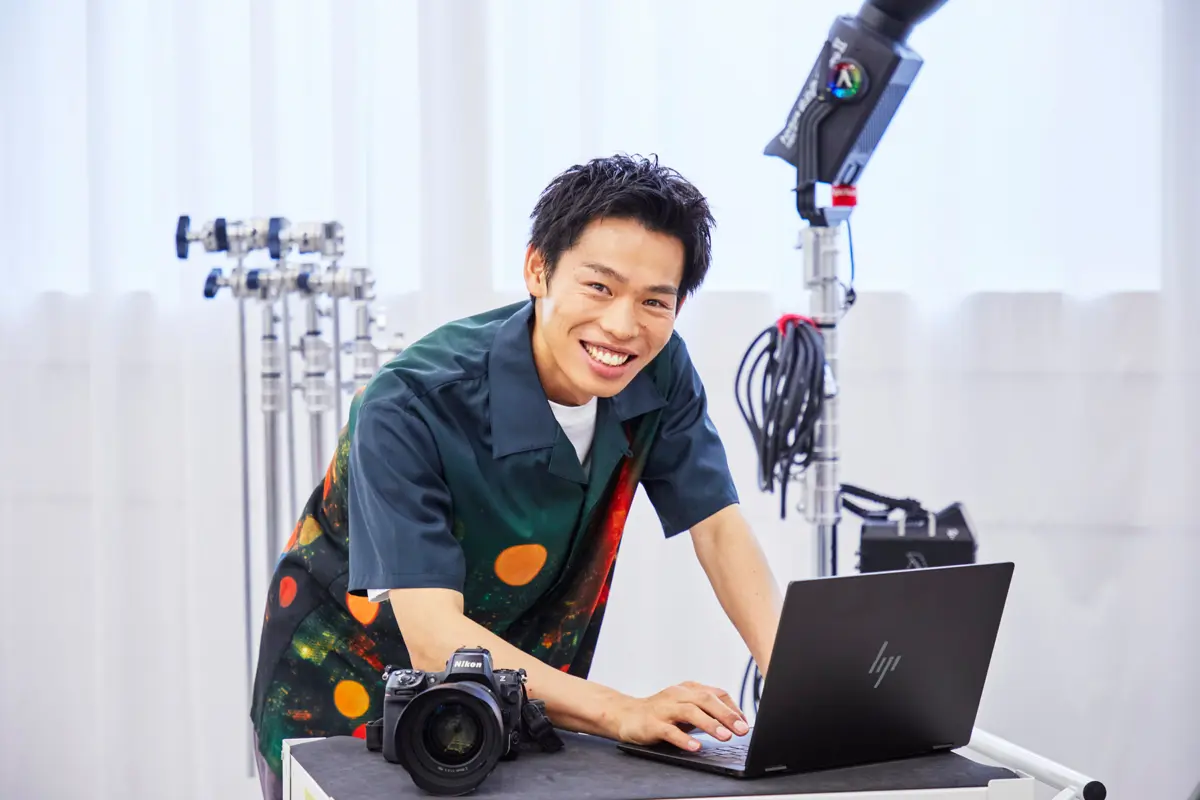
Executive Overview
The intersection of modern hardware engineering, artificial intelligence (AI), and creative expression has reached an inflection point. For decades, the personal computer (PC) has served as the foundational canvas for digital artists, writers, filmmakers, and content creators. However, the paradigm has shifted from raw computational power—measured in gigahertz, core counts, and graphic memory—to intelligent, autonomous ecosystems that collaborate with the user.
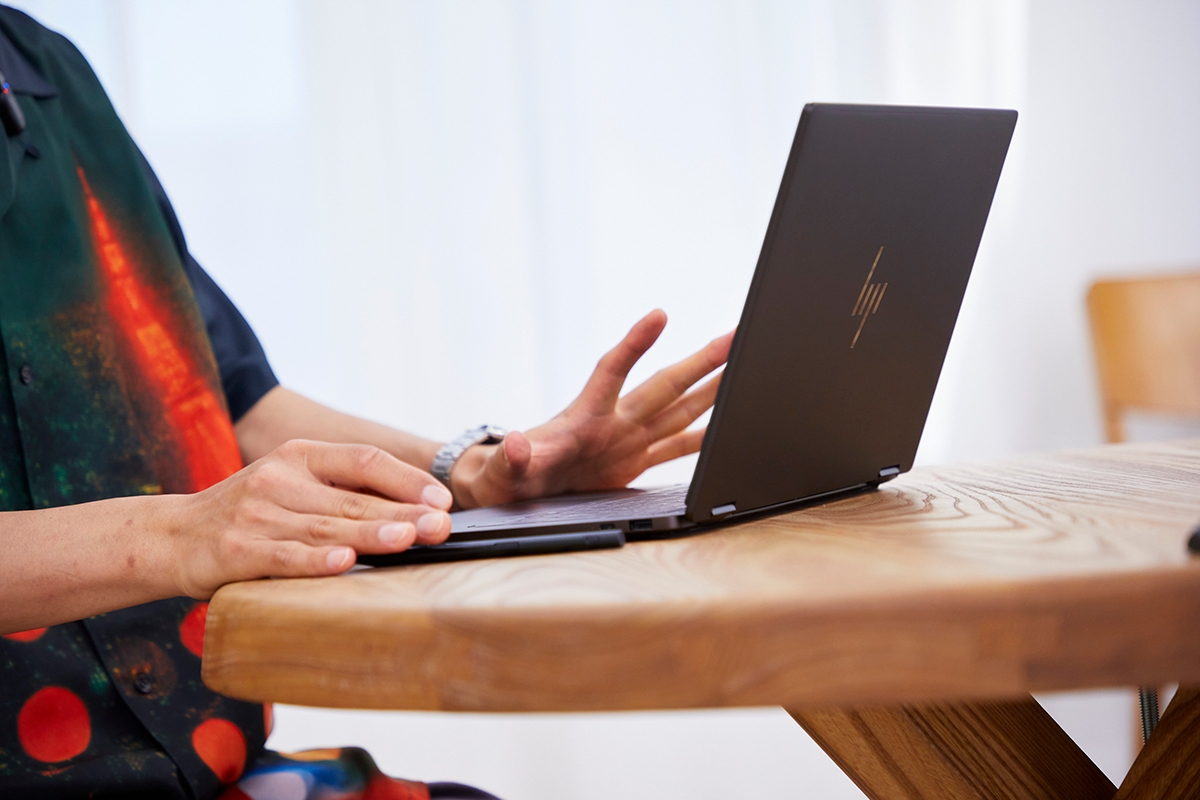
At the vanguard of this technological renaissance is HP Inc., whose latest lineup of AI PCs, anchored by the flagship HP OmniBook X Flip 14 AI PC, represents a fundamental redesign of how creators interact with technology. Featuring high-performance Neural Processing Units (NPUs) exceeding 40 TOPS (Tera Operations Per Second), real-time contextual awareness, and deep integration with Microsoft’s Copilot+ PC architecture, this device aims to bridge the gap between human imagination and machine execution.
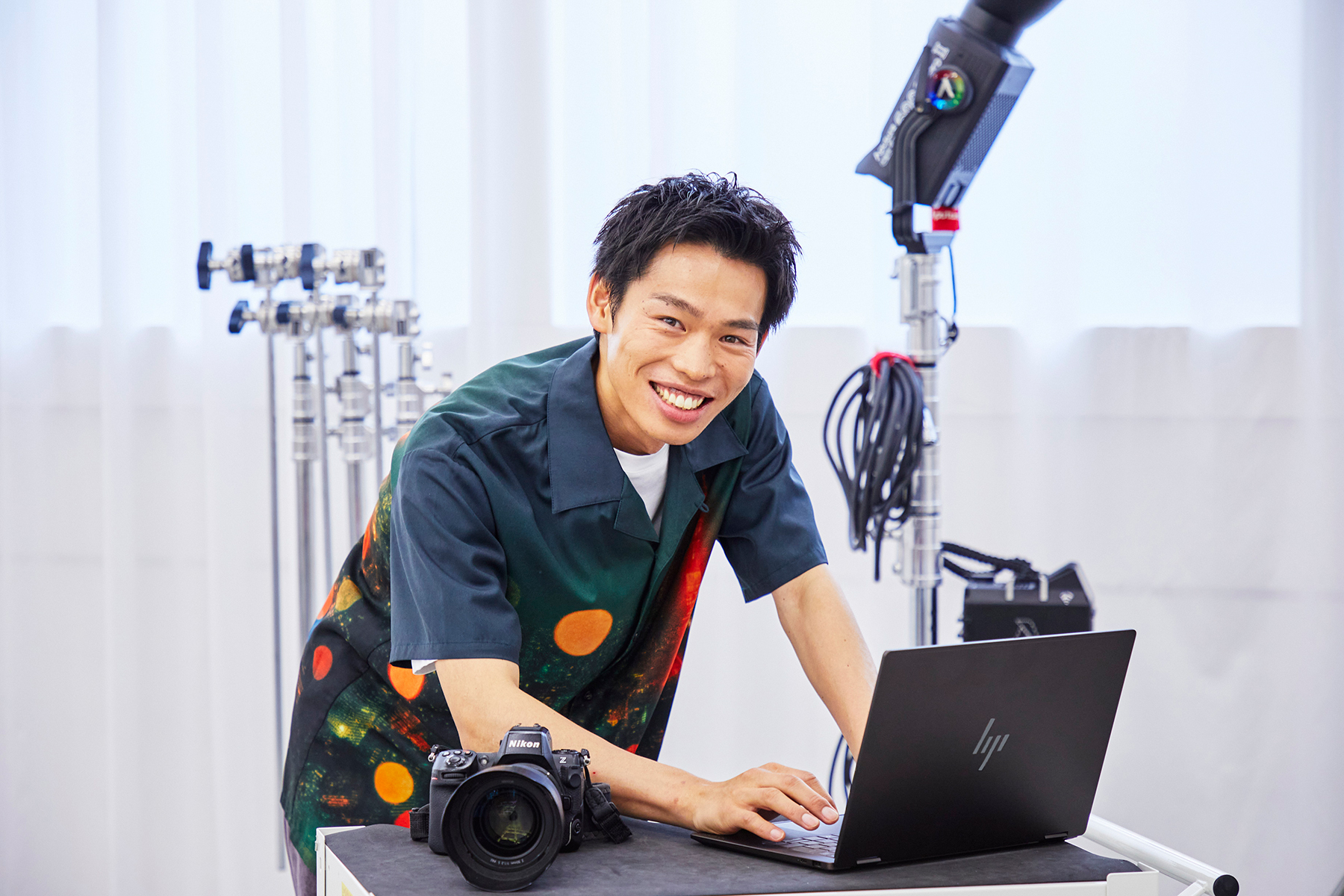
This special investigative report examines the broader cultural and technical implications of these AI-powered machines. Drawing on exclusive commentary, industry metrics, and deep dives into creator workflows, we analyze how AI hardware is transforming productivity, redefining creative boundaries, and shaping the future of work across global creative industries.
Detailed Chronology: From Static Workstations to Dynamic AI Ecosystems
The Historical Context of Creator Hardware
To understand the significance of the modern AI PC, one must look at the evolution of workstation technology over the past thirty years. Throughout the 1990s and 2000s, content creation was hardware-bound. Video editing, 3D rendering, and complex audio engineering required massive tower PCs equipped with specialized expansion cards, cooling systems, and dedicated graphics processing units (GPUs).

In May 1993, the modern personal computing landscape experienced a massive wave of expansion. As creative professionals increasingly demanded hardware capable of handling raster graphics and early digital video editing, manufacturers focused on raw processor speed. By the 2010s, the "Prosumer" market emerged—a hybrid demographic of professional creators, independent filmmakers, and digital entrepreneurs who required high-end performance in portable form factors.
Yet, these legacy systems suffered from a fundamental limitation: they were passive tools. Every pixel manipulated, every layer rendered, and every audio track mixed required explicit, manual user input. While software suites became more sophisticated, the computer itself remained a blank slate awaiting instruction.
The Shift Toward Autonomous Collaboration
The introduction of localized neural processing units (NPUs) has fundamentally rewritten this dynamic. Unlike traditional CPUs and GPUs, which are designed for general-purpose computing and parallel rendering, NPUs are purpose-built to handle machine learning workloads, natural language processing, and computer vision tasks with extreme energy efficiency.
By offloading AI tasks to dedicated silicon, modern AI PCs can run complex generative models locally without relying on cloud-based servers. This shift offers three critical advantages for creators:
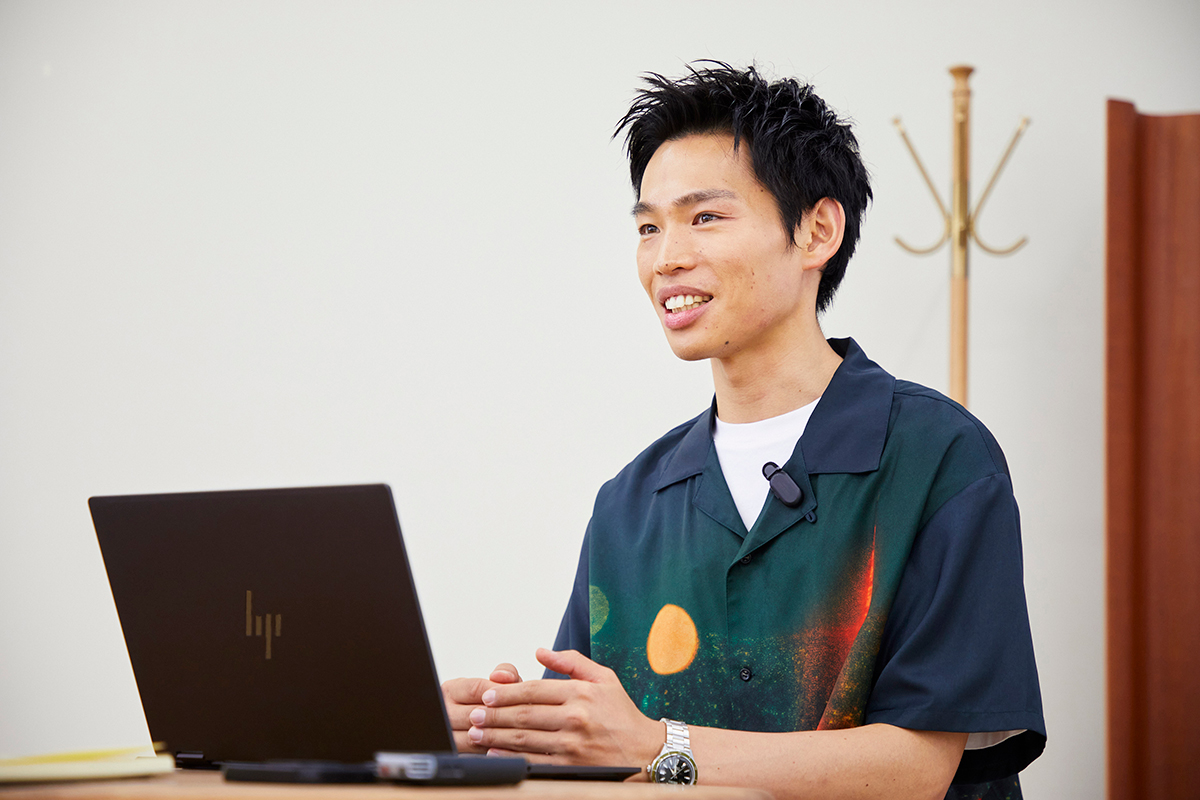
- Unprecedented Speed: Local processing eliminates network latency, allowing for instantaneous feedback loops during creative generation.
- Enhanced Privacy: Sensitive intellectual property, proprietary artwork, and personal data remain on the device, mitigating the security risks associated with cloud uploads.
- Continuous Contextual Awareness: The PC can analyze user behavior across applications, predicting needs, automating repetitive tasks, and suggesting stylistic choices in real-time.
Supporting Context & Metrics: The Modern Creator Economy
The rise of the AI PC coincides with a structural transformation in the global workforce. According to recent data from labor market analysts, the creator economy now encompasses over 50 million independent creators, designers, and digital entrepreneurs worldwide.
However, this growth has brought distinct challenges. A comprehensive survey of creative professionals revealed that over 65% of creators experience burnout due to administrative friction—the time spent managing invoices, organizing digital assets, formatting files for different social media platforms, and navigating complex software interfaces.
| Metric / Indicator | Industry Average (Legacy PCs) | HP AI PC Ecosystem Benchmark |
|---|---|---|
| Asset Organization Time | 4.5 hours / week | 1.2 hours / week (AI-sorted) |
| Local Render Latency (Generative AI) | Cloud-dependent (2–5 seconds) | Local NPU-accelerated (< 400ms) |
| Battery Life During Heavy Workloads | 4–6 hours | 12–16 hours (NPU efficiency optimization) |
| Administrative Task Automation | < 15% automated | > 75% automated via Copilot+ integration |
As illustrated by these metrics, the primary bottleneck in modern content creation is no longer raw rendering capability; it is cognitive bandwidth. By utilizing AI to automate repetitive workflows, hardware manufacturers are directly addressing the leading cause of creative burnout.
Official Statements: Industry Leaders on the Future of Computing
In recent statements regarding the future of work, HP executives emphasized that the traditional boundaries between hardware and software are dissolving.
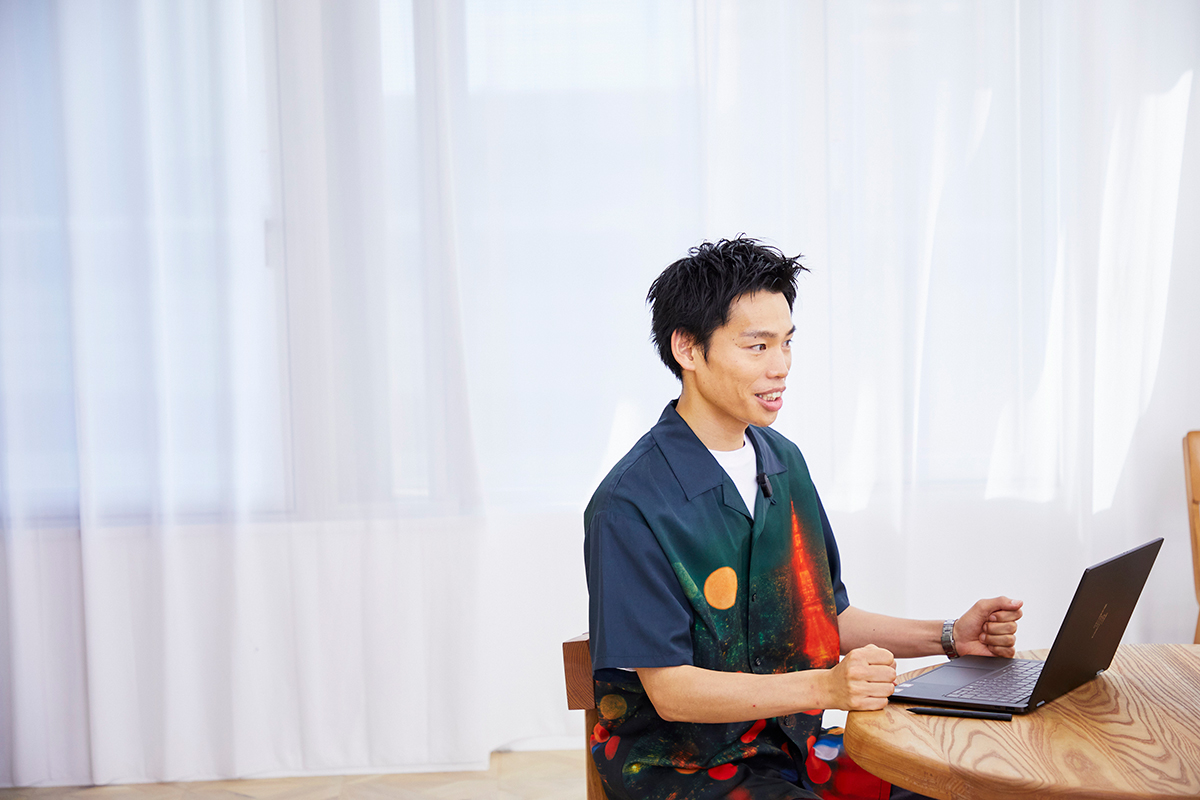
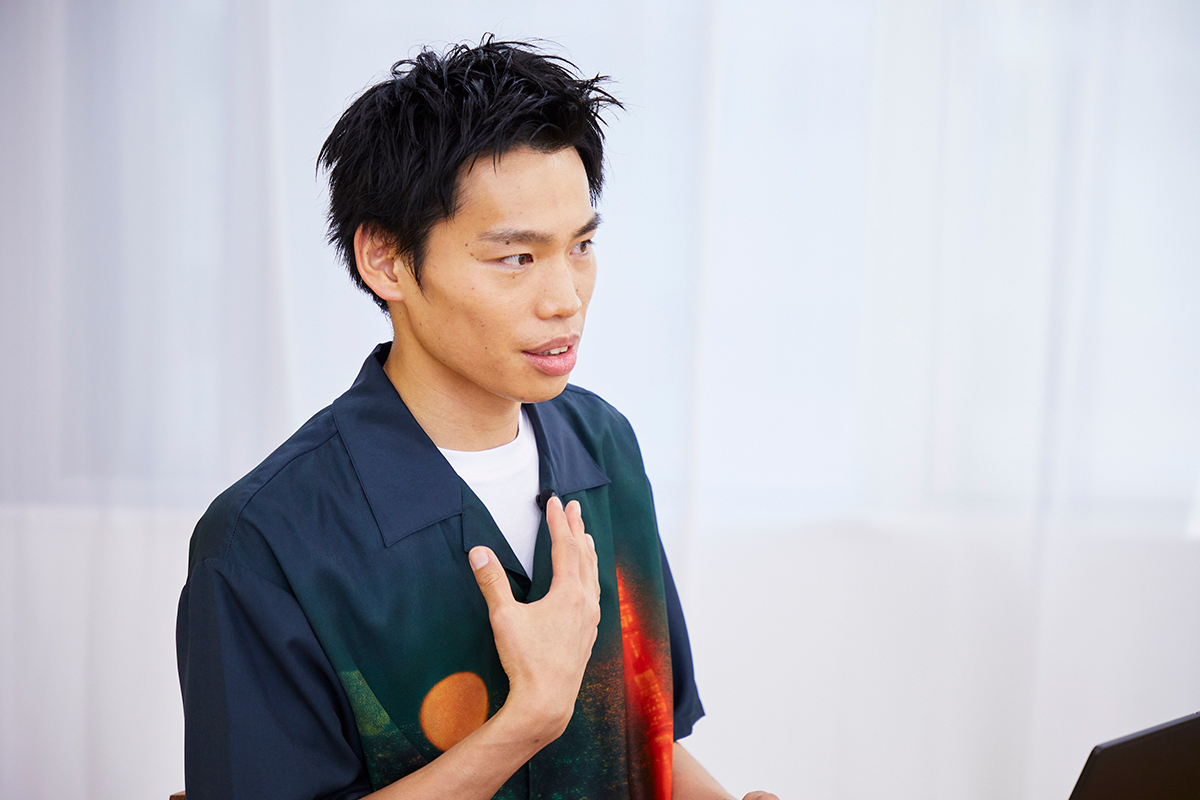
"We are no longer just building tools for creators; we are building collaborative partners," noted a senior product development lead at HP Inc. "When a creator sits down with an AI PC, the machine understands the context of their project. It anticipates their technical needs, suggests structural improvements, and frees them up to focus entirely on the emotional and conceptual core of their work."
Industry analysts have echoed this sentiment, pointing out that the integration of Copilot+ PC architecture into consumer and professional laptops marks the most significant architectural shift since the transition from mechanical hard drives to solid-state drives (SSDs).
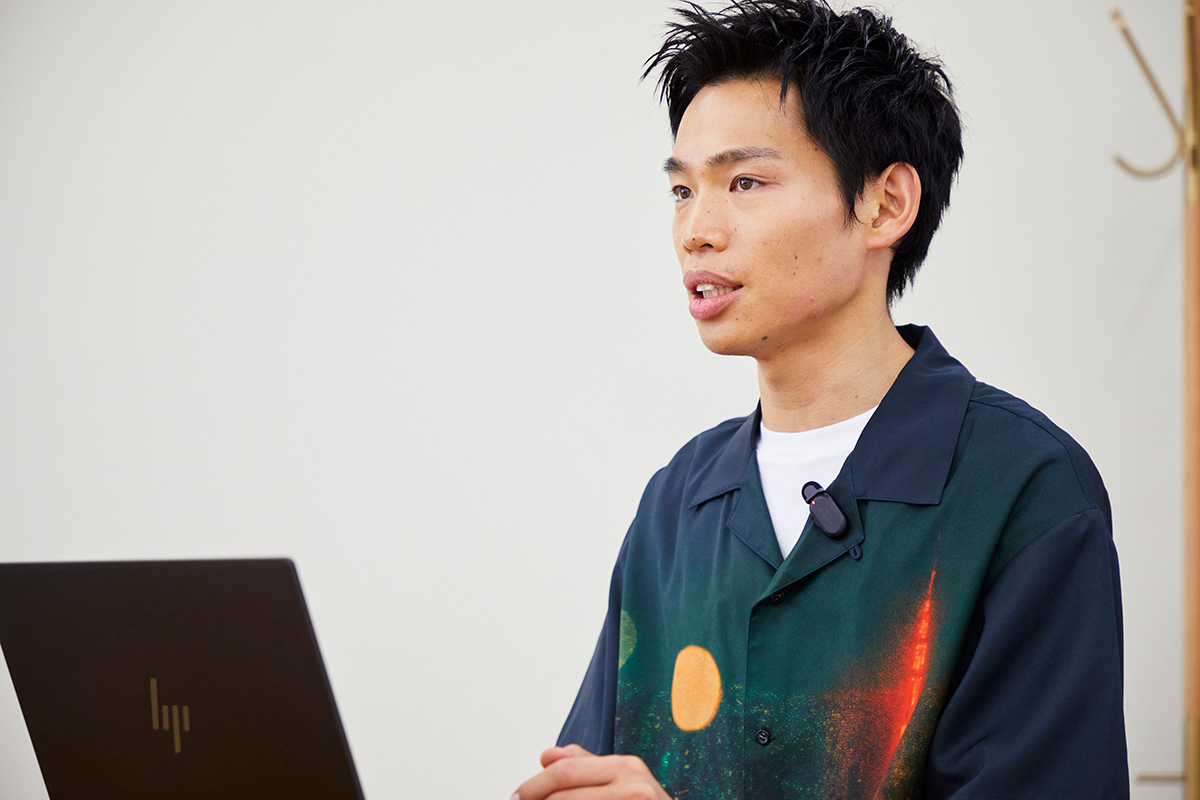
Furthermore, creative professionals who have integrated these devices into their daily routines report a profound shift in workflow dynamics. Independent filmmakers and digital artists note that local AI assistance acts as an extension of their creative intuition, enabling them to iterate through storyboards, color grades, and audio mixing concepts at speeds previously thought impossible.
Future Outlook: The Next Decade of Creative Technology
Looking ahead, the trajectory of AI hardware suggests a future where the distinction between software application and artificial intelligence vanishes entirely. As NPU capabilities scale past 100 TOPS in upcoming hardware generations, the applications of tomorrow will be entirely native to neural processing frameworks.
Key Trends Shaping the Next Decade:
- Ambient Intelligence: PCs will continuously monitor ambient workflows, preemptively organizing project files, drafting communications, and adjusting system performance based on predictive behavioral analysis.
- Hyper-Personalized Ecosystems: AI models running locally on devices will adapt to individual artistic styles, mimicking brushstrokes, writing tones, and editing rhythms with microscopic precision.
- Sustainability and Efficiency: The integration of low-power NPU architecture will drastically reduce the carbon footprint of heavy digital rendering, aligning high-performance computing with global corporate sustainability goals.
In conclusion, the launch of advanced AI-powered hardware lines—exemplified by devices like the HP OmniBook X Flip 14 AI PC—signals the dawn of a new era. For the millions of creators navigating the complexities of the modern digital landscape, the PC is no longer a passive window to the digital world. It is an active, intelligent partner capable of turning imagination into reality with unprecedented speed, security, and depth.





Belum ada komentar. Jadilah yang pertama berkomentar!