

Executive Overview
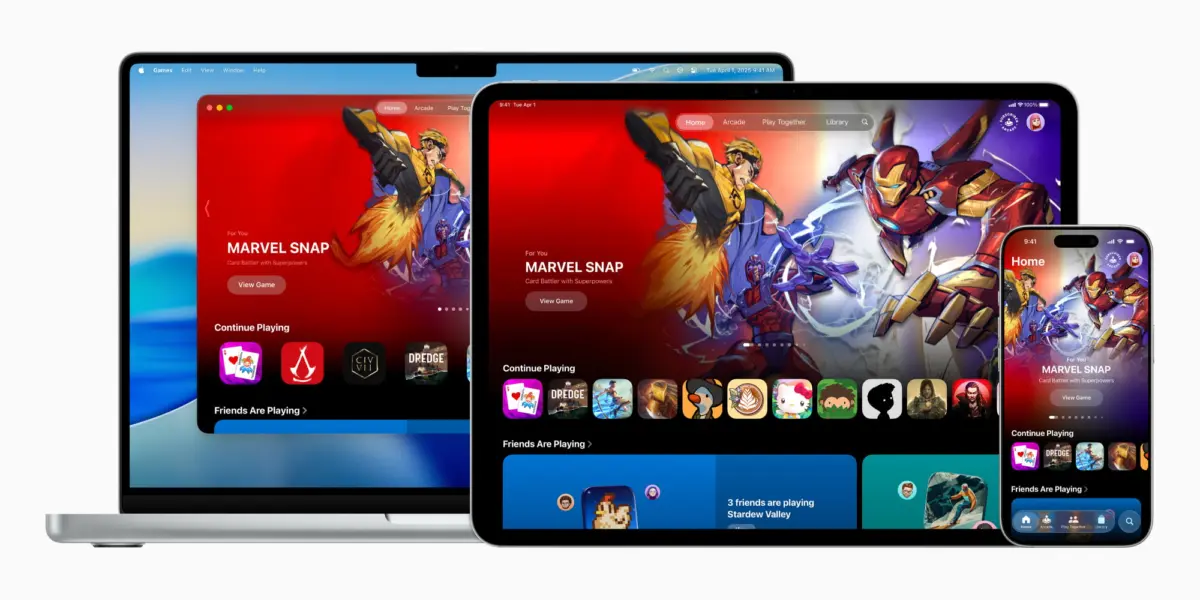
The release of iOS 26 marks a watershed moment for digital entertainment within the Apple ecosystem, most notably punctuated by the introduction of two brand-new native applications to the iPhone home screen. Among these, the Apple Games app stands out as a strategic realignment of Apple’s software philosophy. Designed to serve as a unified, personalized hub for all gaming activities, the application bridges the gap between casual puzzle enthusiasts and hardcore gamers utilizing high-end mobile hardware.
Available across iPhone, iPad, and Mac, Apple Games consolidates fragmented gaming experiences—ranging from casual App Store downloads and subscription-based Apple Arcade titles to social Game Center interactions—into a single, cohesive interface. With subsequent software updates like iOS 26.2, Apple has continuously refined the application, introducing robust library management filters, enhanced controller navigation, and deeper social integration.
This deep dive explores the architecture, core features, strategic implications, and user-experience enhancements of the Apple Games app, evaluating how it reshapes the landscape of mobile gaming.
Detailed Chronology: From App Store Fragmentation to a Unified Hub
For years, the iPhone and its sibling platforms, the iPad and Mac, operated as decentralized ecosystems for digital entertainment. While the App Store successfully housed millions of titles—ranging from casual match-three sensations like Candy Crush to graphically intensive, AAA console ports—the actual experience of managing, discovering, and playing these games was fractured.
The Genesis of a Dedicated Gaming Space
Historically, Apple relied on the App Store’s dedicated gaming tabs and the background infrastructure of Game Center to manage user profiles, achievements, and multiplayer matchmaking. However, as the computational power of Apple silicon transformed mobile devices into legitimate gaming powerhouses, the lack of a centralized dashboard became increasingly apparent. Users juggling titles across standard App Store purchases, Apple Arcade subscriptions, and cross-platform multiplayer matches lacked a single point of entry to anchor their gaming habits.
Apple formally addressed this paradigm shift by announcing the Apple Games app, framing it as a personalized home for games and social play. The rollout trajectory progressed through several key phases:
- Initial Announcement & Preview (Mid-2025): Apple unveiled the Games app alongside early developer previews, outlining its vision for a centralized dashboard across iOS, iPadOS, and macOS.
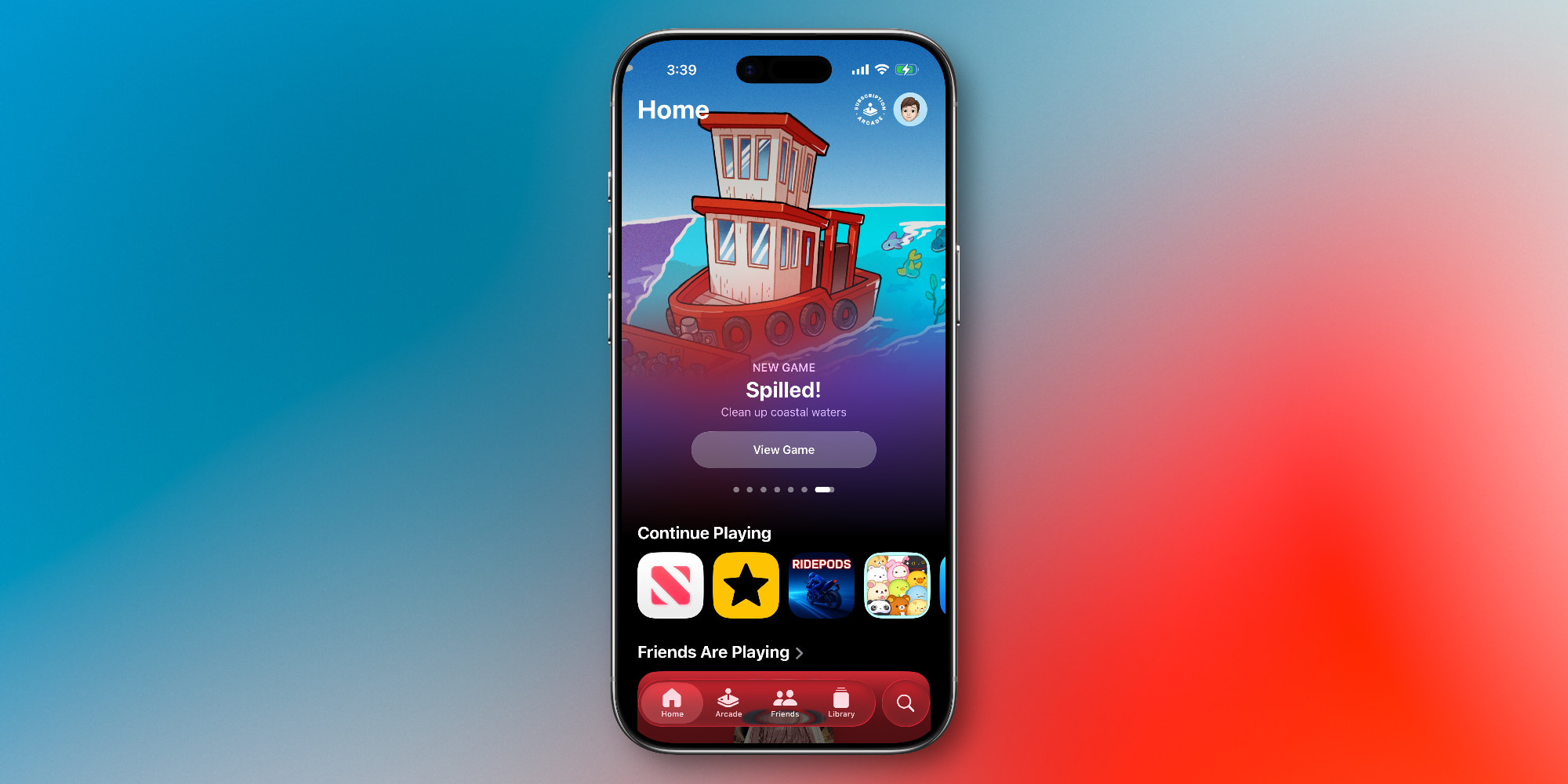
- Public Debut in iOS 26 (Late 2025): The application officially launched as a core, pre-installed utility on iPhone home screens, introducing the five foundational tabs: Home, Arcade, Friends, Library, and Search.
- Refinement and Expansion in iOS 26.2 (Late 2025 – Early 2026): Responding to early user feedback, Apple rolled out critical updates in version 26.2. These included advanced library filtering tools, expansive game achievements and event tracking, and—crucially—comprehensive controller navigation support that eliminated the friction of switching between physical gamepads and touch inputs within the app menus.
Supporting Context & Metrics: The Modern Mobile Gaming Landscape
To fully understand the strategic importance of the Apple Games app, one must examine the macroeconomic and cultural weight of mobile gaming within the broader tech industry.
The iPhone as a Gaming Juggernaut
The iPhone is arguably the most ubiquitous gaming platform on Earth. Its user base spans demographics that traditional dedicated consoles—such as the PlayStation 5, Xbox Series X, or Nintendo Switch—rarely reach. According to industry metrics:
- Diverse Demographics: Over 60% of smartphone owners engage in mobile gaming weekly, spanning casual players seeking quick diversions and core gamers demanding high frame rates, ray tracing, and hardware-accelerated graphics.
- Hardware Evolution: With the integration of advanced GPUs supporting hardware-accelerated ray tracing in recent iPhone and iPad generations, developers have increasingly ported complex, console-grade titles directly to iOS.
- The Subscription Model: Apple Arcade continues to play a pivotal role in this ecosystem. Offering an ad-free, in-app-purchase-free catalog of over 200 games for a flat monthly fee ($6.99/month standalone or bundled via Apple One), Arcade requires a dedicated interface to showcase its value proposition effectively.
Navigating the Five Pillars of the Games App
Upon opening the Apple Games app in iOS 26, users are greeted by a streamlined, five-tab navigation bar that mirrors the design philosophy of established media hubs like Apple TV, Apple Music, and Apple Podcasts.
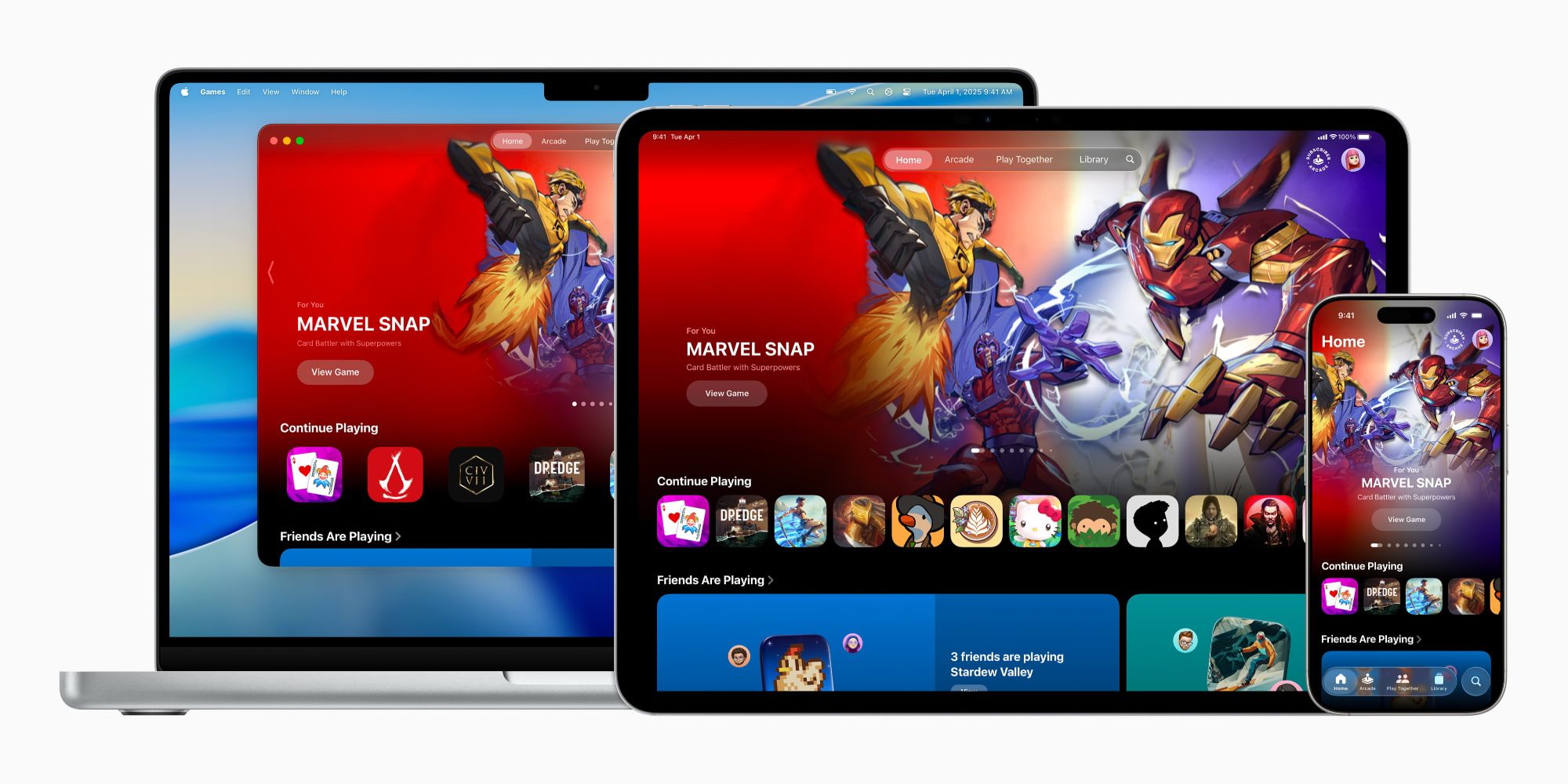
- The Home Tab: Serving as the central dashboard, the Home tab functions much like Apple TV’s "Up Next" queue. It provides instantaneous shortcuts to recently played titles, personalized recommendations based on algorithmic play styles, and dynamic snapshots highlighting what friends in your network are currently enjoying.
- The Arcade Tab: Dedicated entirely to the Apple Arcade ecosystem, this section serves as a curated storefront and discovery engine for the subscription service. It highlights new additions, seasonal updates, and editorial collections without the noise of freemium monetization tactics.
- The Friends Tab: Acting as the modern front end for Game Center, this tab surfaces social activity, high scores, multiplayer invitations, and direct prompts to initiate gaming challenges with contacts.
- The Library Tab: Perhaps the most functionally vital feature for power users, the Library aggregates every game installed across the device. Recent updates in iOS 26.2 introduced granular filtering tools, allowing users to sort titles by genre, controller compatibility, offline availability, and recent activity, alongside integrated views for game achievements and live in-game events.
- The Search Tab: Beyond traditional keyword lookups, the Search tab serves as a categorical exploration tool, breaking down the vast ecosystem into intuitive genres such as Multiplayer, Action, Family, Puzzle, and Music.
Official Statements and Industry Insights
When introducing the platform, Apple executives emphasized the intentionality behind creating a dedicated hardware-agnostic space for digital play. In its official introductory press release, Apple described the application as:
“…a personalized home for games and playing with friends, designed to bring together the best of what the App Store, Apple Arcade, and Game Center have to offer into a single, intuitive experience across iPhone, iPad, and Mac.”
Industry analysts have largely praised the move, noting that as mobile devices blur the line between handheld utilities and primary gaming machines, software interfaces must evolve to match hardware capabilities. By separating utility apps from entertainment hubs, Apple has mirrored the strategy it deployed decades ago with music and video, moving from a monolithic iTunes model to specialized, media-specific applications.

Furthermore, the introduction of native game controller navigation in iOS 26.2 addresses a long-standing pain point for mobile and tablet gamers. Users utilizing MFi-certified controllers, Xbox, or PlayStation gamepads no longer need to break immersion by reaching for the touchscreen to navigate app menus; the entire Games app interface can now be seamlessly traversed via physical controller inputs.
Future Outlook: What Lies Ahead for Apple Games
As iOS 26 matures and development looks toward future software iterations, the Apple Games app is uniquely positioned to drive Apple’s deeper ambitions in the gaming sector.
Potential Trajectories and Ecosystem Expansion
- Deeper Social Integration and Streaming: While the current iteration successfully surfaces Game Center challenges and friend activity, future updates could introduce native video clip sharing, integrated Discord-style voice chat hooks, or streaming capabilities similar to Xbox cloud gaming or PlayStation Remote Play integrations.
- Enhanced Developer Tools: Apple may introduce richer APIs for developers to push live events, localized leaderboards, and real-time achievement trackers directly into the Games app dashboard, increasing user retention and re-engagement.
- Hardware Synergy: As Apple continues to refine its silicon capabilities—pushing performance thresholds in both mobile chipsets and Mac processors—the Games app will serve as the primary marketing and management pipeline for high-end, AAA titles entering the ecosystem.
Conclusion
The Apple Games app in iOS 26 is far more than just a cosmetic addition to the home screen; it is a structural acknowledgment of mobile gaming’s maturity. While casual users may continue to find many of these discovery tools within the traditional App Store, the app’s advanced library filtering, seamless controller support, and centralized social tracking make it an indispensable utility for dedicated mobile and multi-platform gamers. As Apple continues to iterate on the platform, the Games app will undoubtedly remain a cornerstone of the digital entertainment experience across the entire Apple ecosystem.









Belum ada komentar. Jadilah yang pertama berkomentar!