

Executive Overview
In the fast-paced, high-stakes world of modern digital entertainment, major studio blockbusters often dominate the headlines. Yet, beneath the towering waves of massive budgets and sprawling marketing campaigns lies the vibrant, fiercely creative heart of the gaming industry: independent developers. This week, Apple is placing these creative powerhouses front and center.
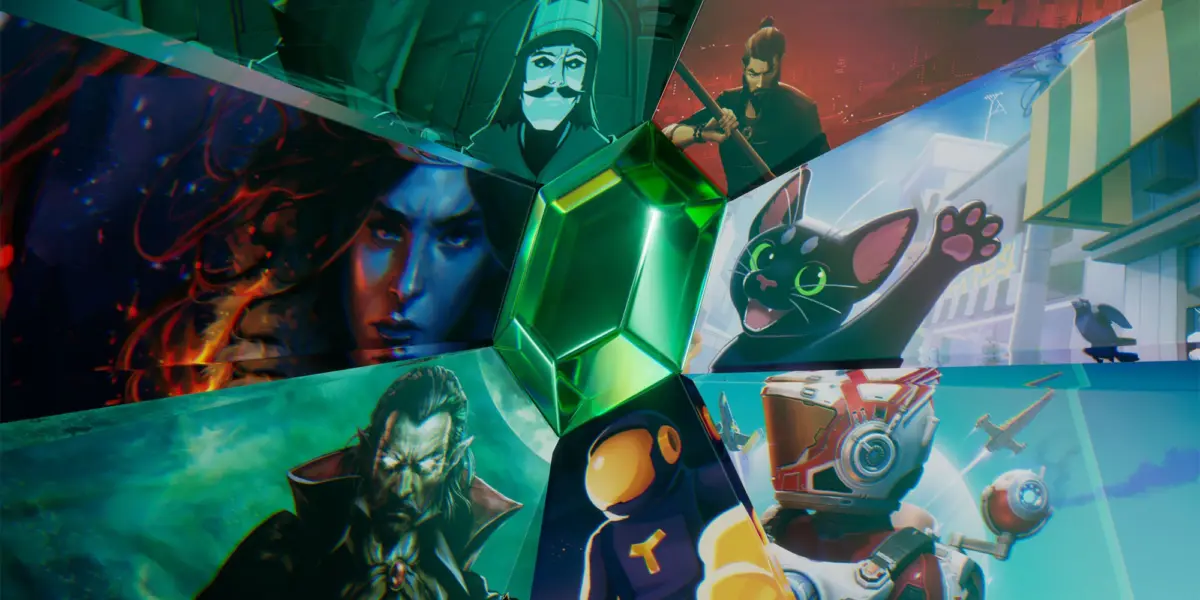
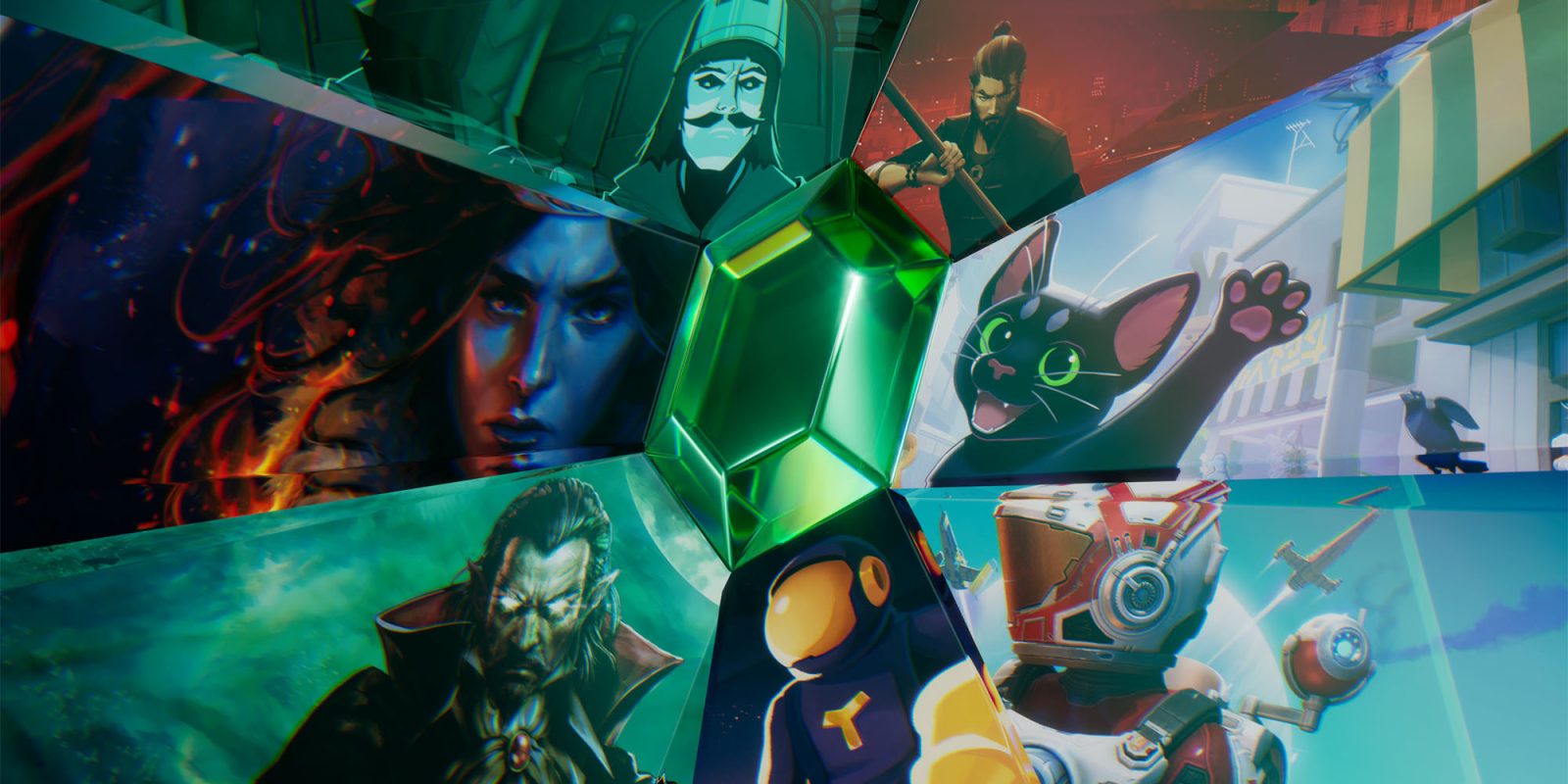
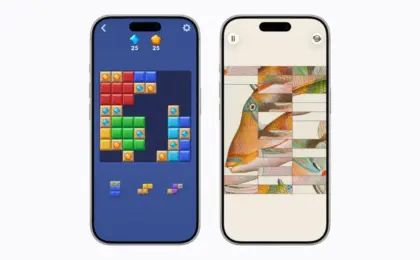
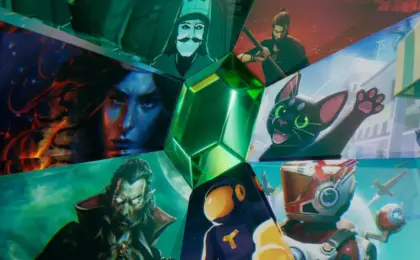
The Cupertino tech giant has officially launched its annual “Indie Games Week” on the iOS App Store, a dedicated celebration designed to champion unique artistic visions, innovative game mechanics, and deeply personal storytelling. As part of this week-long showcase, Apple is spotlighting seven standout titles—ranging from freshly launched gems to highly anticipated upcoming releases—that redefine what is possible on mobile hardware.
This initiative is far more than a simple curated list; it represents a strategic acknowledgment of the profound cultural and economic impact independent creators have on the Apple ecosystem. By offering a global stage to solo developers and nimble boutique studios, Apple continues to reinforce its commitment to fostering creativity, risk-taking, and artistic expression on the App Store.
Detailed Chronology: The Evolution of Indie Recognition on iOS
To truly appreciate the significance of Indie Games Week, one must look back at how independent games have transitioned from the fringes of digital marketplaces to the very core of mobile gaming culture.
The Early Days of the App Store
When the App Store first opened its virtual doors, it was a wild west of simple utilities, novelty soundboards, and rudimentary puzzle games. While breakout indie hits like Angry Birds or Doodle Jump proved that smaller teams could achieve monumental success, the ecosystem lacked structured curation for truly experimental or narrative-driven games. Discoverability was a constant hurdle, and many brilliant artistic projects were buried beneath a mountain of clone apps and generic releases.
The Shift Toward Curated Excellence
Recognizing that hardware capabilities were advancing exponentially—turning iPhones and iPads into legitimate gaming powerhouses—Apple began shifting its curation strategy. The introduction of the redesigned App Store interface years ago brought human-led curation back to the forefront. Dedicated "Game of the Day" features, editorial deep dives, and developer spotlight stories transformed the App Store from a mere retail shelf into an interactive digital magazine.
The Birth of Indie Showcases
As platforms like Apple Arcade provided a curated subscription home for premium, ad-free indie experiences, Apple also expanded its promotional calendar for standalone App Store releases. Events like Indie Games Week evolved organically from sporadic editorial spotlights into structured, highly anticipated annual celebrations.
This year’s iteration, kicking off in October, focuses sharply on bridging the gap between newly launched titles and upcoming releases, giving developers a massive promotional tailwind precisely when they need it most: during their launch windows.
Supporting Context & Metrics: The Indie Economic and Artistic Engine
The indie game ecosystem is not just an artistic incubator; it is a massive economic engine that drives technical innovation across the entire gaming industry. Understanding the numbers and trends behind independent development helps contextualize why Apple continues to invest heavily in spotlighting these creators.
The Rise of Mobile as a Premium Gaming Platform
For many years, mobile gaming was unfairly pigeonholed as a domain reserved exclusively for microtransaction-heavy puzzle games or casual time-killers. However, rapid advancements in Apple’s silicon—from the A-series chips in iPhones to the powerhouse M-series processors in iPads and Macs—have shattered those historical limitations.
Modern iOS devices are fully capable of rendering console-quality graphics, supporting complex physics engines, and running sophisticated procedural generation algorithms. Independent developers have eagerly seized upon these hardware capabilities, delivering deep, immersive experiences that rival traditional console and PC platforms.
Democratization of Development Tools
The barriers to entry for game development have lowered dramatically over the last decade. Powerful, accessible game engines like Unity, Unreal Engine, and Godot have leveled the playing field, allowing solo developers and micro-studios to bring complex, visually stunning worlds to life. Combined with the global reach of the App Store—which spans over 175 regions and hundreds of millions of active users—independent creators have unprecedented access to a worldwide audience without needing multi-million-dollar publishing deals.
The Value of Curation in a Crowded Market
With millions of applications available on the App Store, discoverability remains the single greatest challenge for independent developers. Unlike massive publishing conglomerates with bottomless marketing budgets, indie teams rely heavily on organic word-of-mouth, social media buzz, and, crucially, platform-level editorial support.
Features like Indie Games Week act as a vital megaphone, cutting through the digital noise and introducing hidden masterpieces to players who might otherwise never cross paths with them. This symbiotic relationship ensures that the App Store remains a dynamic, unpredictable, and endlessly fascinating marketplace.
Official Statements and Industry Perspective
Apple’s dedication to the indie community is underscored by leadership championing the human element behind the code. In the official press release announcing the event, Carson Oliver, Apple’s head of App Store Worldwide, offered a compelling perspective on the philosophy driving Indie Games Week:
"Indie games are constantly pushing the boundaries of creativity to deliver unique gameplay experiences to Apple users, and we wanted to take a moment to celebrate these games and the teams that take creative risks to push gaming forward. Whether from a solo developer or a growing studio, the App Store gives bold ideas a global stage — turning daring visions into worldwide hits. We’re thrilled with the incredible games launching on the App Store this week and amazed by their breathtaking artistry, brilliant design, and deeply moving stories."
This sentiment resonates deeply within the game development community. For a solo developer toiling away in a home office for years, or a small team pouring their life savings into an artistic passion project, validation from a global platform like Apple can be life-changing. It validates the sleepless nights, the design iterations, and the financial risks inherent in pursuing creative independence.
Future Outlook: Where Mobile Indie Gaming Goes From Here
As we look toward the horizon, the intersection of mobile technology and independent game development is poised for even greater breakthroughs. Several key trends are shaping the future of indie gaming on the App Store:

1. Cross-Platform Continuity and Ecosystem Synergy
With Apple’s continued push toward unified ecosystems—where games can seamlessly transition between iPhone, iPad, Mac, and Apple TV via iCloud sync and universal controller support—indie developers have an incredible canvas to work with. A game designed for a quick touch-screen session on an iPhone commute can instantly transform into a sprawling couch-gaming experience on an Apple TV using a wireless gamepad.
2. Spatial Computing and Apple Vision Pro
Looking further ahead, the integration of spatial computing through visionOS opens up entirely new dimensions for independent game design. While traditional touch and controller-based games will remain the bedrock of the App Store, indie developers are uniquely positioned to experiment with augmented and virtual reality, creating intimate, boundary-pushing spatial experiences that major studios might be too risk-averse to attempt.
3. Narrative Depth and Emotional Resonance
If the current lineup of featured indie games proves anything, it is that players are increasingly hungry for authentic, emotionally resonant storytelling. As artificial intelligence tools and advanced development pipelines streamline technical hurdles, indie creators are spending more time than ever refining narrative depth, artistic direction, and meaningful player choices. The future of mobile gaming will not be defined merely by polygon counts or frame rates, but by the emotional connections forged between players and the virtual worlds they explore.
Conclusion
Apple’s Indie Games Week serves as a timely reminder that behind every app icon on our home screens lies a human story of passion, perseverance, and artistic ambition. By shining a spotlight on seven remarkable new titles, Apple is not only celebrating the creators of today but also inspiring the next generation of garage-studio visionaries.
As players dive into the App Store to explore this week’s curated selections, they are participating in a vital ecosystem that values originality above all else. Whether you are a hardcore gamer seeking your next narrative obsession or a casual player looking for a refreshing puzzle mechanic, there has never been a more exciting time to explore the vibrant world of independent mobile gaming.
Are you planning to check out any of Apple’s featured indie games this week? Which independent titles have left the biggest impression on you over the years? Let us know your thoughts in the comments below!




Belum ada komentar. Jadilah yang pertama berkomentar!