

Executive Overview
The spatial computing landscape is undergoing a massive paradigm shift. While Apple’s high-end mixed-reality headset, the Apple Vision Pro, has continuously cemented its reputation as an unparalleled device for cinematic media consumption, productivity, and jaw-dropping immersive video experiences, traditional gaming has historically remained bound to its native ecosystem or cloud-based limitations. That status quo is officially cracking.
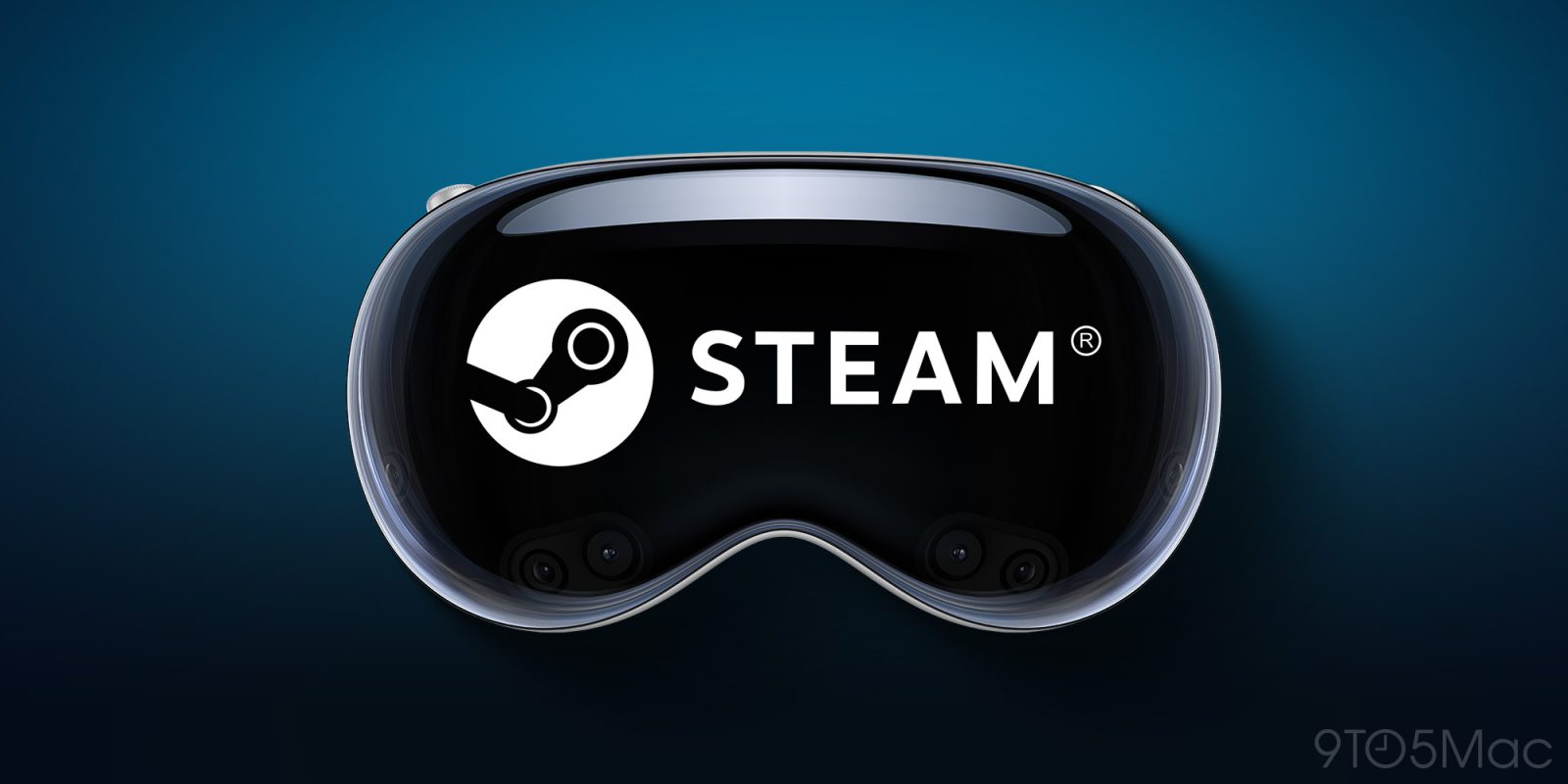
Valve, the powerhouse developer behind the Steam digital storefront and the Steam Deck, has officially announced the rollout of a native Steam Link application designed specifically for visionOS. Currently making its debut in a public beta phase via Apple’s TestFlight program, the application promises to drastically expand the library of playable titles accessible on the Vision Pro.
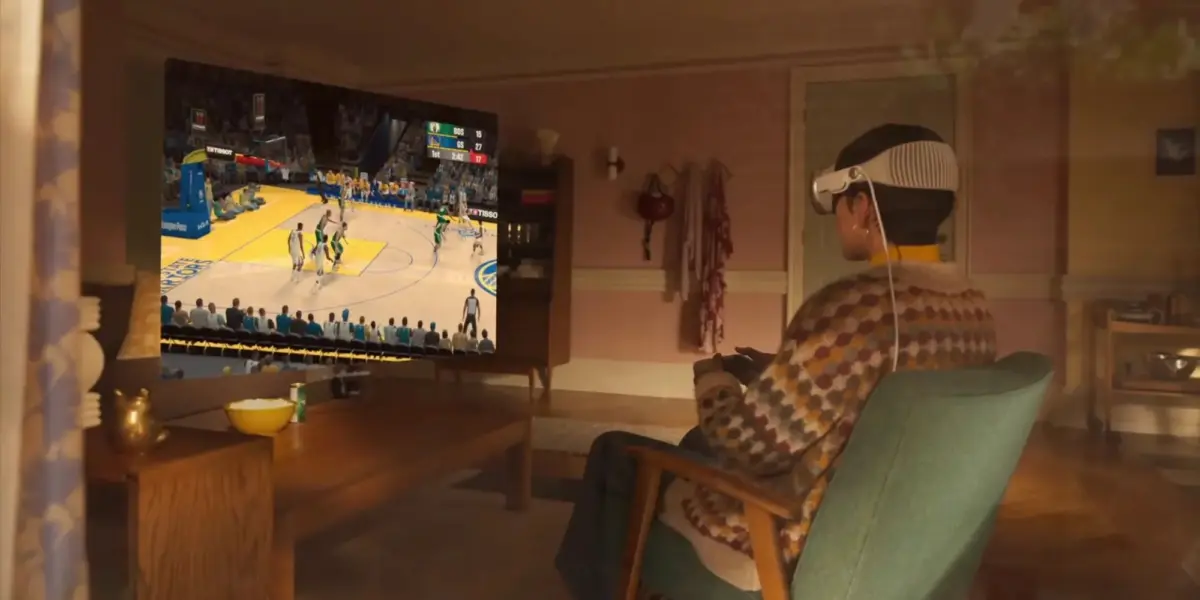
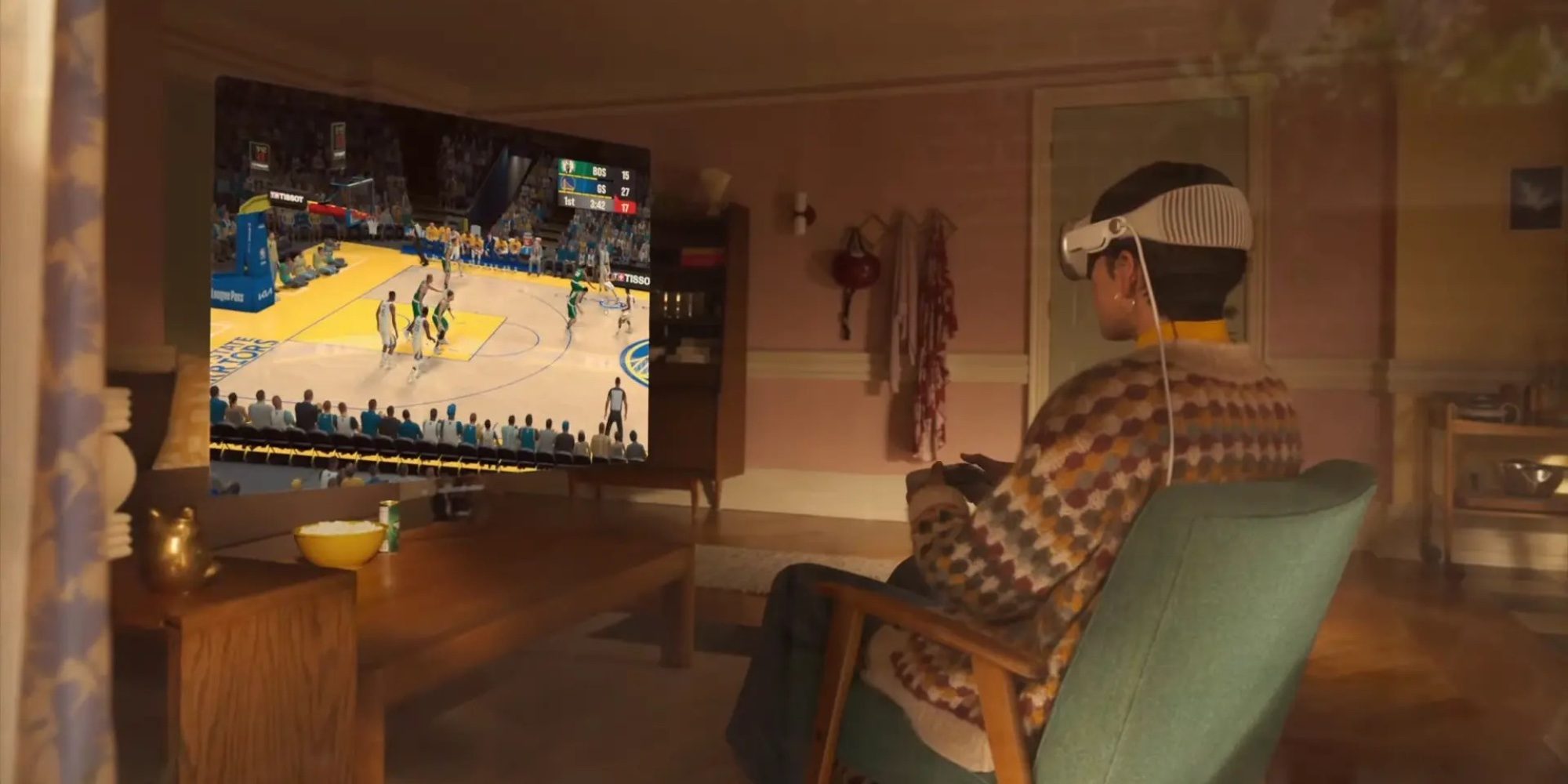
By leveraging local network streaming, users can now mirror and stream their personal PC and Mac Steam libraries directly into their spatial workspace. While the initial release focuses exclusively on 2D gaming streamed onto massive, dynamically curved virtual displays—leaving dedicated VR/XR titles off the table for the time being—this development represents a monumental bridge between traditional desktop gaming and cutting-edge spatial hardware. For Apple Vision Pro owners, the living room screen is no longer bound by physical hardware; it can now exist anywhere, rendered at up to 4K resolution with refined networking performance.
Detailed Chronology: The Road to Steam Link on visionOS
The journey toward bringing Valve’s robust ecosystem to Apple’s mixed-reality headset has been a steady, deliberate evolution rather than an overnight breakthrough. To understand the significance of this current beta launch, it is essential to trace how both hardware and software ecosystems have converged over recent years.
The Foundation: Vision Pro’s Media and Gaming Evolution
Upon its high-profile launch, the Apple Vision Pro was immediately praised for its micro-OLED visual fidelity and advanced spatial audio. However, early adopters and industry analysts frequently pointed out a distinct gap in the device’s entertainment pipeline: traditional, high-end gaming. While Apple pushed hard to establish the platform through Apple Arcade titles, native ports of Mac games, and cloud-streaming services, the lack of a direct pipeline to the world’s largest PC gaming marketplace—Steam—remained a notable omission.

Over the subsequent months, Apple steadily laid the technical groundwork to make spatial gaming more viable. Operating system updates progressively optimized Bluetooth controller latency, enhanced rendering performance, and fine-tuned spatial audio rendering. Most recently, the rollout of visionOS software iterations brought crucial under-the-hood performance enhancements, preparing the platform to handle demanding real-time video streaming codecs required for low-latency game casting.
Valve’s Multi-Platform Expansion Strategy
Valve, meanwhile, has spent years expanding the footprint of Steam Link far beyond its hardware origins. Originally introduced as a physical set-top box designed to stream games from a gaming rig to a living room television, Steam Link quickly evolved into a software-based solution. Over time, Valve deployed native applications across iOS, iPadOS, macOS, and Apple TV, as well as competing virtual reality platforms like Meta Quest.
The absence of a visionOS-specific client left a noticeable void for users who had integrated the Vision Pro into their daily tech workflows. Users attempting to access Steam games previously had to rely on workarounds, web-based streaming services, or imperfect third-party applications.
The TestFlight Beta Debut
Valve’s announcement in early April marks the official transition from conceptual integration to reality. By deploying the native visionOS application through Apple’s TestFlight infrastructure, Valve is allowing early adopters, enthusiasts, and developers to stress-test the application under real-world network conditions.
According to Valve’s release notes, the initial beta build is specifically optimized for visionOS, bringing targeted performance enhancements tailored to Apple’s high-resolution spatial environment. Users eager to test the functionality can sign up for the ongoing beta trial via the official TestFlight invitation link, integrating the application directly into their spatial app library alongside native productivity and entertainment tools.
Supporting Context & Metrics: Technical Specifications and Performance
The technical hurdles of streaming a high-framerate, visually intensive PC game into a high-resolution headset are formidable. Apple Vision Pro features ultra-high-resolution micro-OLED displays that pack more pixels than a 4K television into each eye. Rendering or streaming content to such a demanding target requires rigorous network optimization, efficient video decoding, and exceptionally low latency to prevent motion sickness and input lag.
Key Technical Improvements in the visionOS Beta
Valve’s engineering team has optimized the new Steam Link visionOS client with several critical performance upgrades:
- Up to 4K Resolution Streaming: The application supports crisp, high-definition video feeds, allowing users to take full advantage of the Vision Pro’s peerless visual clarity. Text remains legible, and intricate environmental details in modern PC titles retain their fidelity.
- Dynamic Curvature in Panoramic Mode: One of the standout features of the visionOS app is the ability to dynamically adjust the curve of the virtual display. Users are no longer forced to view their games on a flat, rigid virtual monitor; instead, they can wrap a massive panoramic screen around their field of view, mimicking an ultra-wide curved gaming monitor or a cinematic wrap-around display.
- Advanced Network Performance: Utilizing optimized transport protocols, the beta build reduces packet loss and minimizes frame-pacing jitter, ensuring that fast-paced inputs register instantly on the host PC or Mac.
The 2D Limitation Explained
A crucial caveat within Valve’s technical breakdown is that the current Steam Link client for visionOS is strictly built for 2D streaming only. It does not support native virtual reality (VR) or room-scale XR content originating from SteamVR libraries.
While some enthusiasts might initially express disappointment over the lack of native SteamVR compatibility—which would theoretically allow users to play heavy-duty PC VR titles like Half-Life: Alyx directly on the headset—the focus on 2D gaming is a pragmatic engineering choice. Bridging SteamVR runtimes with visionOS involves complex graphics pipeline translations, proprietary driver integrations, and hardware compatibility hurdles that go far beyond standard video streaming.
Instead, Valve is treating the visionOS app as a high-end virtual monitor solution. Players can fire up massive blockbuster RPGs, fast-paced strategy games, competitive indie titles, and action adventures from their Steam library, playing them inside a customizable, floating virtual window that can span dozens of feet wide.
Official Statements and Industry Insights
The release of the Steam Link beta has sparked widespread discussion across developer forums, gaming communities, and spatial computing circles.
In their official community dispatch, Valve outlined the core intent behind the release, emphasizing performance and accessibility:
"This update improves network performance, allows streaming up to 4K resolutions, and allows you to dynamically adjust the curve of the display in panoramic mode. This client is for 2D streaming only and does not support VR content."
Industry analysts view this move as a strategic win for Apple. While Apple has heavily promoted the Vision Pro as a premium productivity and standalone entertainment device, the platform’s long-term commercial viability depends heavily on expanding its utility for mainstream tech enthusiasts. By embracing external ecosystems like Steam—even in a limited streaming capacity—Apple signals a willingness to coexist with traditional gaming powerhouses rather than forcing a walled-garden approach.
Furthermore, developers note that the success of apps like Steam Link on visionOS sets a strong precedent for other remote-play and cloud-gaming services. If users find that high-end PC gaming over local Wi-Fi networks is smooth, responsive, and visually stunning within a headset environment, demand for expanded spatial peripherals and accessory ecosystems will naturally surge.

Future Outlook: What Lies Ahead for Gaming in visionOS?
As the Steam Link beta matures through TestFlight iterations and moves toward a public App Store release, several burning questions remain regarding the future of gaming on the Apple Vision Pro.
1. Will SteamVR Support Ever Arrive?
The most prominent question among power users is whether Valve or third-party developers will eventually crack the code for native SteamVR streaming on visionOS. While technical barriers remain steep—particularly concerning hand-tracking translation, controller mapping, and custom display refresh rates—the rapid evolution of spatial computing software suggests that nothing is entirely off the table. Third-party developers have previously experimented with streaming PC VR content to Apple’s headset using complex intermediary tools; a formal, streamlined solution from Valve would be a watershed moment for the platform.
2. The Rise of the Spatial Accessory Ecosystem
Playing traditional PC games on a massive, floating virtual screen inevitably changes how users interact with their hardware. While visionOS natively supports standard Bluetooth controllers such as Xbox and PlayStation controllers, the demand for ergonomic, low-latency input devices optimized for spatial environments is growing. As more gamers adopt setups like Steam Link on Vision Pro, hardware manufacturers are expected to roll out specialized peripherals designed to bridge the gap between traditional desktop gaming and head-mounted displays.
3. Broadening the Vision Pro’s Appeal
Ultimately, the arrival of Steam Link addresses one of the most frequent criticisms leveled against the Apple Vision Pro: software variety. By granting users instant access to their existing, accumulated Steam libraries without requiring them to repurchase titles or rely on unpolished workarounds, Valve and Apple have significantly lowered the friction for gamers considering a spatial computing investment.
Whether you are looking to escape into a sprawling open-world RPG on a virtual screen the size of an IMAX theater or simply want to knock out a quick match of your favorite indie puzzle game from the comfort of your couch, the Steam Link visionOS beta represents a massive leap forward.

Have you tested out the Steam Link beta on your Apple Vision Pro yet? How has your network performance held up, and what titles are you streaming first? Let us know your thoughts and experiences in the comments below!






Belum ada komentar. Jadilah yang pertama berkomentar!