

Executive Overview
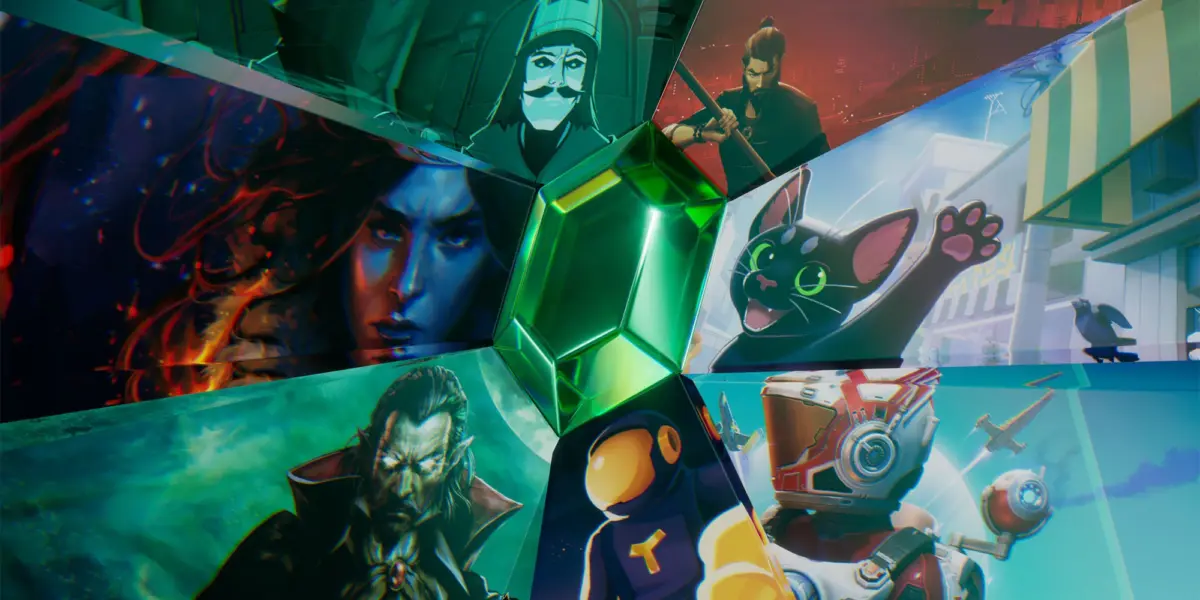
In an ongoing effort to champion the vibrant and often unsung heroes of the mobile development ecosystem, Apple has officially launched its annual "Indie Games Week" on the iOS App Store. Announced via a press release from Apple’s corporate newsroom, the week-long celebration is dedicated to shining a global spotlight on independent developers who challenge the conventional boundaries of interactive entertainment.
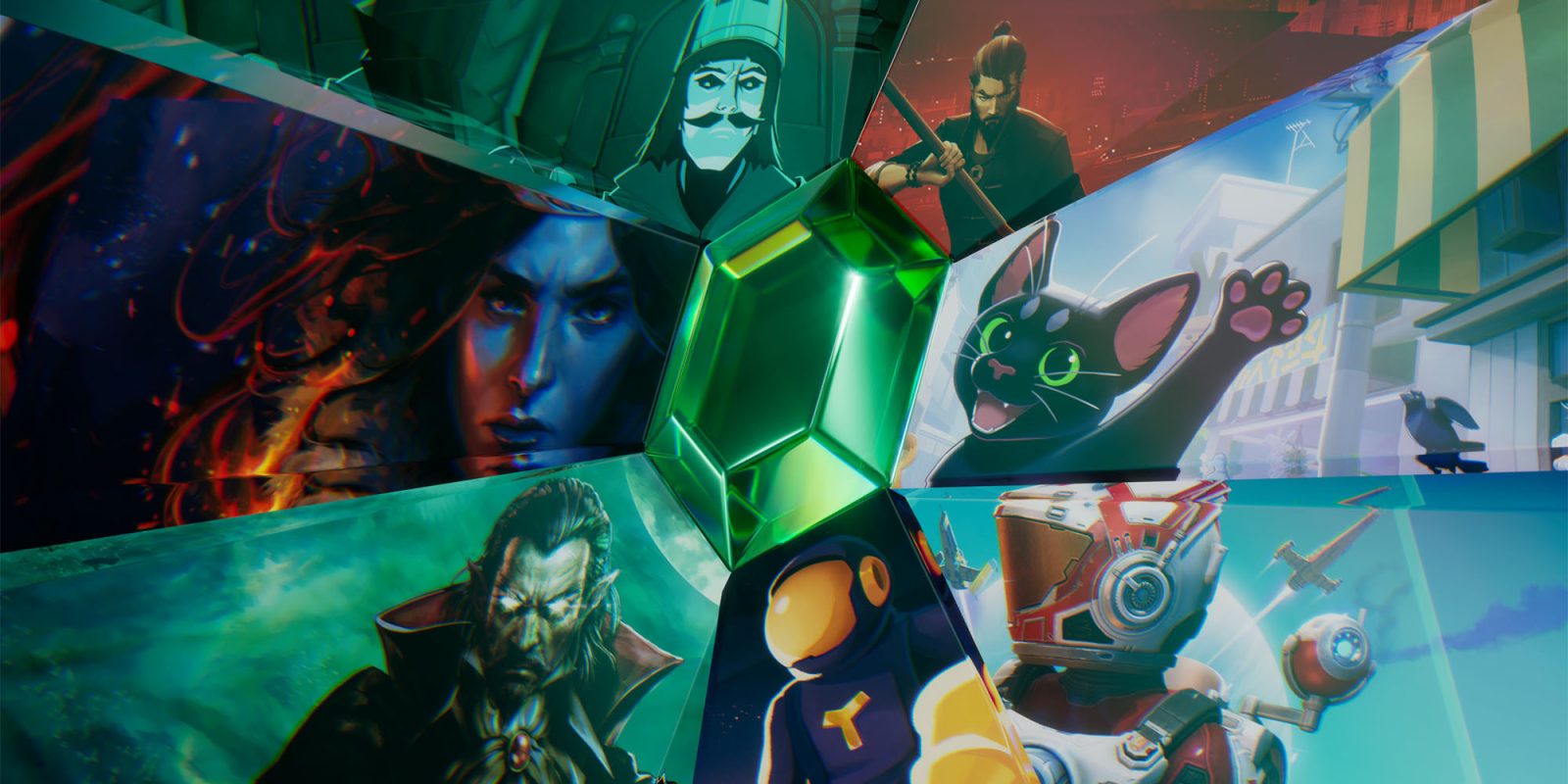
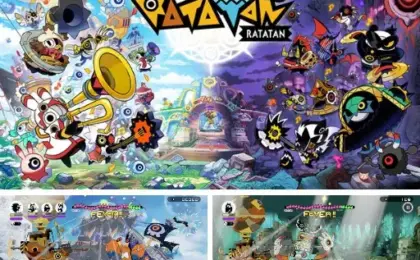
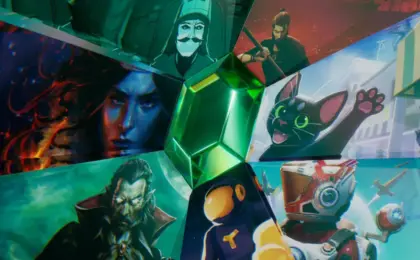
As part of this initiative, Apple is prominently featuring a curated selection of seven standout titles—ranging from recently released critical darlings to highly anticipated upcoming launches—across the App Store’s digital storefront. This editorial showcase is designed to give solo developers and small boutique studios unprecedented visibility, connecting their imaginative projects with hundreds of millions of active iPhone and iPad users worldwide.
Independent developers have long been the lifeblood of gaming innovation. Unburdened by the conservative risk-management strategies that often plague large-scale triple-A publishers, indie creators consistently introduce unconventional mechanics, striking artistic directions, and deeply personal narratives. By dedicating a week-long promotional window to these creators, Apple reinforces its platform’s positioning not merely as a marketplace for utility software, but as a premier cultural canvas for digital art and storytelling.
Detailed Chronology: The Evolution of Indie Recognition on iOS
To fully understand the significance of Indie Games Week, it is essential to examine the historical relationship between independent creators and Apple’s mobile ecosystem.
The Early Days: The Wild West of the App Store (2008–2012)
When the App Store first opened its virtual doors in July 2008, it fundamentally transformed mobile software distribution. Initially, the platform was dominated by simple utility apps and rudimentary touch-based games. However, visionary independent developers quickly realized the potential of the multi-touch interface and accelerometer. Early indie hits proved that pocket-sized devices could deliver compelling, bite-sized gaming experiences. Despite this, discovery remained a monumental challenge. Developers relied heavily on word-of-mouth, niche internet forums, and external review sites to find an audience.
The Rise of Curated Editorial and Design Awards (2013–2019)
Recognizing that sheer volume was burying high-quality software under an avalanche of clones and low-effort monetization schemes, Apple underwent a major philosophical shift. In 2017, the company completely redesigned the App Store, introducing a dedicated Today tab driven by human editors rather than purely algorithmic charts.
This editorial pivot was a watershed moment for independent developers. Instead of competing solely on download velocity or ad-spend budgets, games with artistic integrity, innovative mechanics, and touching narratives could secure coveted editorial placement. Alongside this, the annual Apple Design Awards increasingly pivoted toward recognizing independent titles that demonstrated technical excellence, clever design, and inclusive innovation.
The Modern Era and the Push for Console-Quality Experiences (2020–Present)
In recent years, the technological leap of Apple silicon (such as the M-series and A-series Pro chips) combined with services like Apple Arcade has blurred the line between mobile devices and dedicated gaming consoles. Modern iPhones and iPads are now capable of rendering complex 3D worlds, high-fidelity ray tracing, and intricate physics simulations.
Indie developers have been at the forefront of harnessing this hardware horsepower. Today’s mobile indie titles are no longer restricted to simple endless runners or match-three puzzles; they are rich narrative adventures, complex strategy games, and mechanically deep platformers. Apple’s Indie Games Week serves as the current pinnacle of this evolution, offering a structured, high-visibility platform to celebrate these ambitious projects.
Supporting Context & Metrics: The State of Independent Mobile Gaming
The economics and demographics of mobile indie development paint a fascinating picture of an industry undergoing rapid transformation. While triple-A budgets routinely exceed hundreds of millions of dollars—often resulting in risk-averse, iterative sequels—independent developers operate under entirely different constraints and creative philosophies.
The Discovery Dilemma
Despite the massive install base of the iOS ecosystem (numbering well over a billion active devices globally), user acquisition remains the single greatest hurdle for independent studios. According to data shared by mobile market research firms, thousands of new applications are submitted to the App Store every single week. Without significant marketing capital, organic discovery is exceedingly difficult.
Editorial spotlights like Apple’s Indie Games Week act as a vital counterweight to this dynamic. Historically, features in the "Today" tab or dedicated collection banners have resulted in download spikes of several hundred percent for featured indie titles, occasionally transforming obscure passion projects into global viral sensations overnight.
Democratization of Creation Tools
The barrier to entry for game development has never been lower, thanks to accessible game engines like Unity, Unreal Engine, and Godot, alongside powerful asset creation suites. This democratization has allowed diverse voices from all corners of the globe to enter the gaming space. Solo developers working from home offices, small co-ops across Europe, and boutique studios in emerging tech hubs are now crafting experiences that rival traditional studio output in emotional resonance and artistic expression.
Apple’s curation policy increasingly reflects this diversity, highlighting games that explore mental health, cultural identity, environmental themes, and abstract philosophical concepts—areas that commercial blockbusters rarely dare to tread.
Official Statements and Industry Perspective
The launch of Indie Games Week underscores Apple’s ongoing campaign to position the App Store as a champion of creative freedom. In the official press release accompanying the event, Carson Oliver, Apple’s head of App Store Worldwide, emphasized the cultural and artistic value of independent development.
"Indie games are constantly pushing the boundaries of creativity to deliver unique gameplay experiences to Apple users," Oliver stated. "And we wanted to take a moment to celebrate these games and the teams that take creative risks to push gaming forward. Whether from a solo developer or a growing studio, the App Store gives bold ideas a global stage—turning daring visions into worldwide hits. We’re thrilled with the incredible games launching on the App Store this week and amazed by their breathtaking artistry, brilliant design, and deeply moving stories."
Industry analysts have noted that Apple’s emphasis on indie games serves a dual purpose. Beyond supporting the developer community, it helps legitimize the iPhone as a serious, versatile gaming platform capable of satisfying discerning gamers who seek depth and artistic merit rather than purely transactional, ad-supported casual games.
Future Outlook: Where is Mobile Indie Gaming Headed?
As we look toward the horizon, the intersection of mobile technology and independent game development is poised for even greater convergence.

Cross-Platform Play and Ecosystem Synergy
With Apple aggressively pushing gaming on macOS, iPadOS, and iOS—bolstered by tools like the Game Porting Toolkit and the expanding library of AAA titles coming to Apple Silicon—independent developers are increasingly building games designed to be played seamlessly across all Apple devices. A player might start an indie puzzle or narrative adventure on their iPhone during a morning commute, continue on an iPad during lunch, and finish on a Mac or connected display at home.
The Impact of Spatial Computing (visionOS)
Perhaps the most intriguing frontier for independent developers is spatial computing. With the introduction of Apple Vision Pro and the visionOS platform, indie creators have an entirely new dimension to explore. While traditional indie games remain anchored to flat screens, forward-thinking developers are already experimenting with immersive, room-scale spatial experiences, interactive dioramas, and mixed-reality storytelling.
As development tools mature and the hardware footprint expands, Apple’s support for indie creators will likely extend further into spatial gaming, ensuring that grassroots innovation remains at the core of Apple’s next computing paradigm.
For now, Indie Games Week serves as a timely reminder that behind the massive corporate ecosystems and multi-billion-dollar franchises, some of the most profound, creative, and memorable experiences in modern gaming still originate from small teams taking bold, imaginative leaps.
Are you planning to check out any of Apple’s featured indie games on the App Store this week? Let us know your favorite independent mobile titles in the comments below.






Belum ada komentar. Jadilah yang pertama berkomentar!